

2022 Porsche Macan Review: Winding Roads and Final Verdict
Published: 2022.09.21

コンテンツ
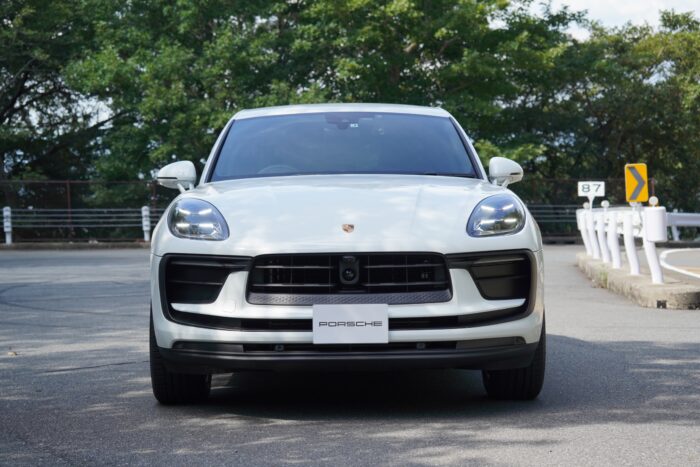
Taking the Third-Generation Porsche Macan on Winding Roads
As in the previous installment, this is a review of the third-generation Porsche Macan. This time, I’m sharing my impressions after taking it out on winding roads.
The Macan has always been a particularly sporty SUV. In fact, “sporty” hardly does it justice—it has the agility to make you want to call it a sports car. The first-generation Macan left a powerful impression that’s still vivid in my memory, and the second generation was every bit a sporty car in its own right.
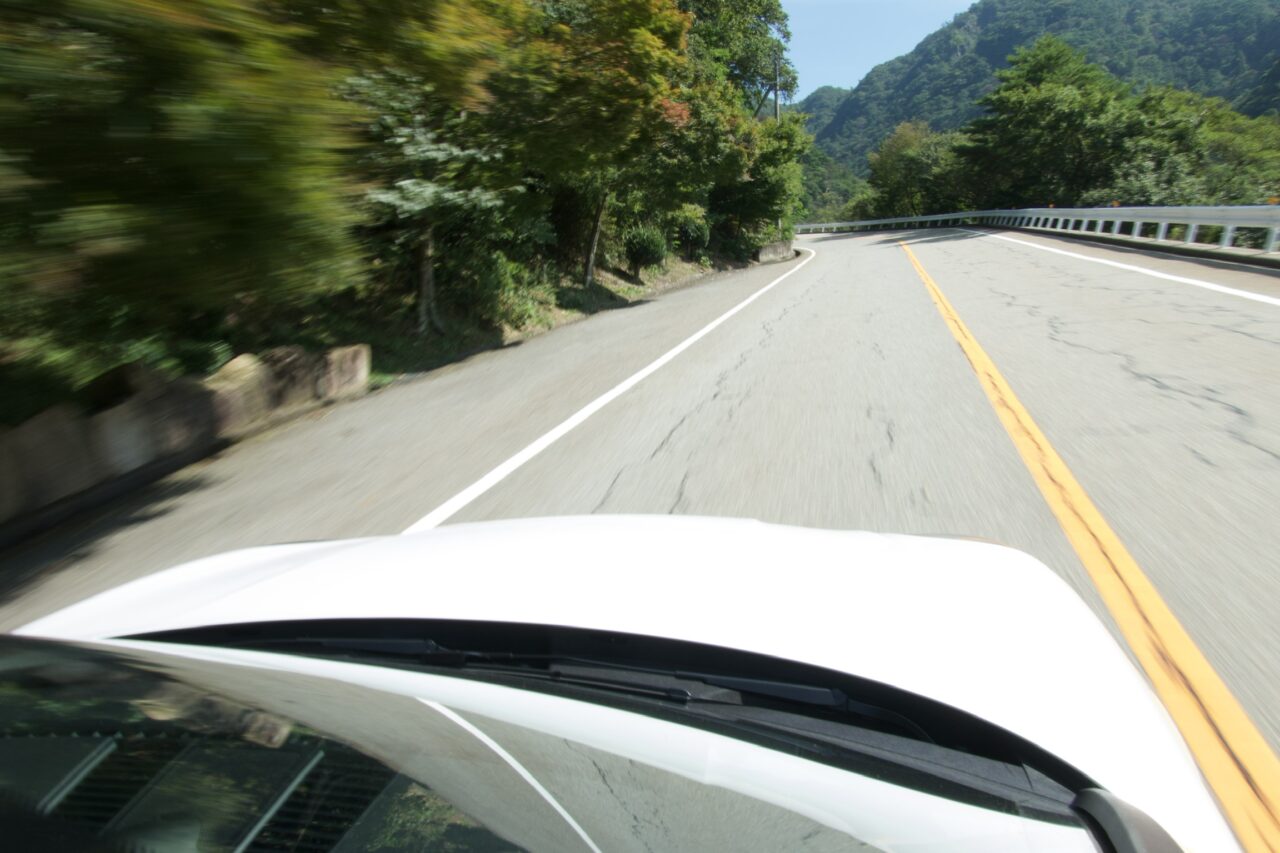
With those expectations in mind, I took the new Macan into the mountains.
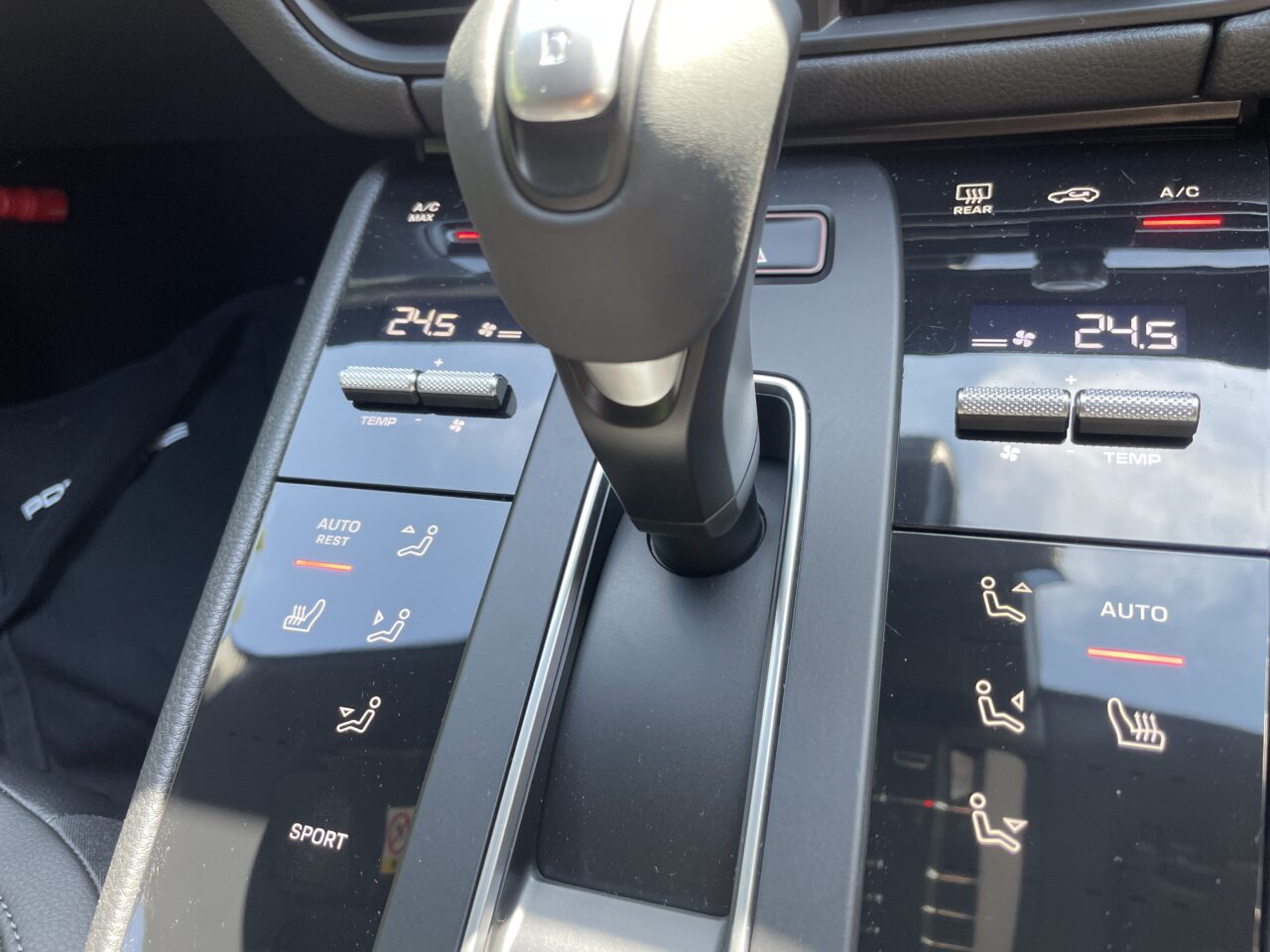
This car isn’t equipped with the Sport Chrono Package, so I couldn’t try Sport Plus mode. I switched to the regular Sport mode instead. There’s no change in the sound, though a Sport Exhaust might have made some difference.
I started out in automatic mode. The PDK holds the revs higher, making the engine’s power and torque feel more immediate. As you’d expect, the 265-hp engine has a respectable amount of punch.
It won’t pin your head back under acceleration, but there’s no question it has more than enough power for everyday driving in Japan. It’s a well-engineered engine.
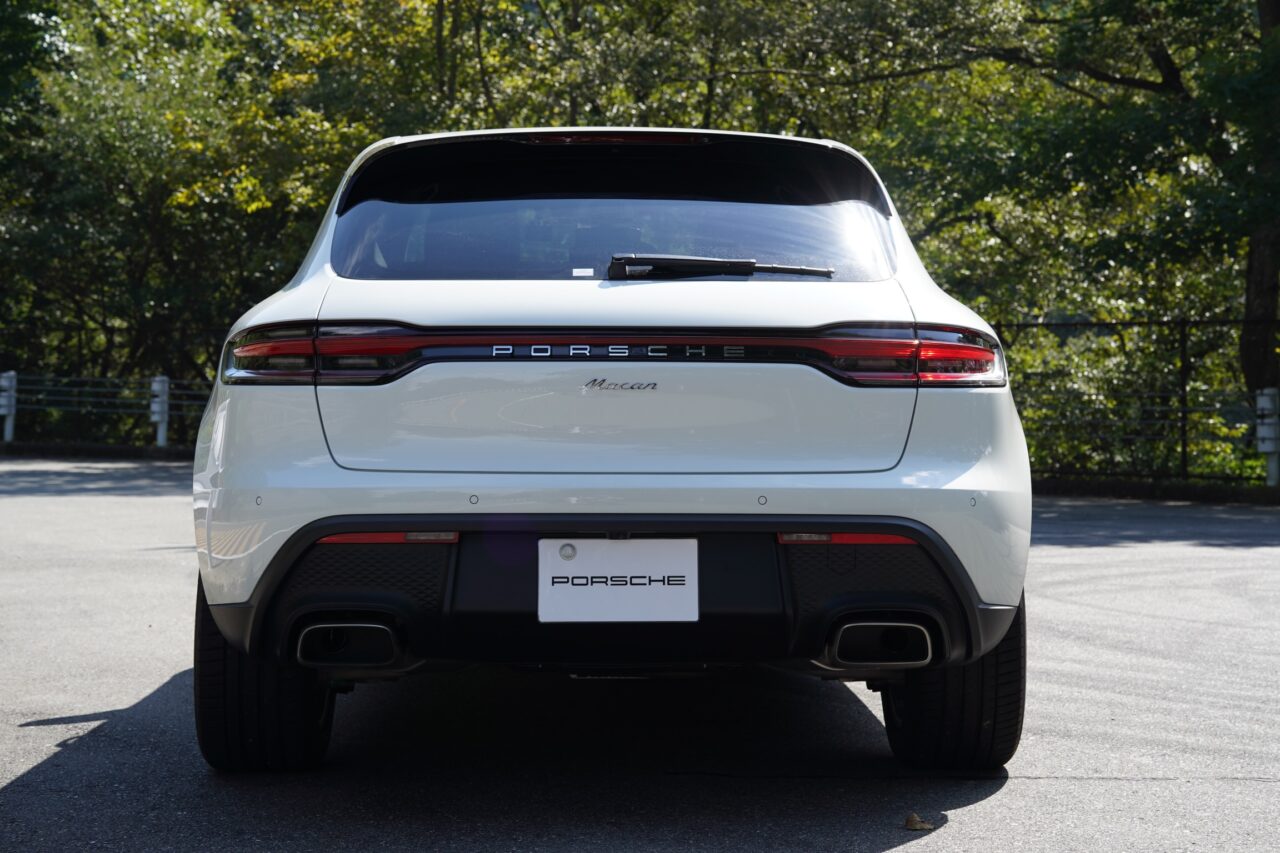
The engine feels smooth, with no awkward vibrations or hesitation. But is it an evocative engine in the traditional Porsche sense? Not quite.
The main reason is the sound—and it’s more about the quality of the sound than the volume.
It falls a little short of the crisp, finely tuned note you might hope for, sounding instead like a typical high-performance European engine. If you’re looking for more of that special driving pleasure, the Sport Exhaust might be worth adding.
Even Porsche can’t escape today’s noise regulations, so it’s hard to say just how much difference the Sport Exhaust makes. Still, I’d expect it to be better than having no Sport Exhaust at all.
The PDK’s Evolution and Manual Mode
I used the switch on the steering wheel to select manual mode.
The PDK shifts incredibly quickly—really quickly. It feels even smoother than the second-generation model, combining the refinement of a good conventional automatic transmission with lightning-fast gear changes.
On the other hand, the shift sounds and the rev-matching on downshifts are very subdued. Drivers accustomed to Porsche’s more dramatic character might find this a little underwhelming, but overall, it’s a setup designed to appeal to a broad range of drivers.
The gap between second and third gear is a little wide, much like what I noticed in the 970-generation Panamera GTS. On typical Japanese winding roads, second gear feels too low, while third feels too tall.
Braking from third and downshifting to second sends the revs up a little too high, making the car harder to drive smoothly. It takes some getting used to.
The Macan’s Greatest Strength: Handling
If I had to sum up what makes the Macan so compelling to drive, I’d call it agility. I once described the second-generation Macan S as “a Cayman with a higher ride height.” With this four-cylinder model, that Cayman-like character is even more pronounced.
You simply don’t feel the weight of the front end. Turn the steering wheel and the nose responds instantly, pointing into the corner. As you enter, the suspension feels taut, with a reassuring degree of rebound. The Macan sweeps through the bend with only a slight amount of body roll.
The all-wheel-drive system is superbly calibrated, too. Open the throttle on corner exit and torque is sent to the front wheels, helping the car power out without fuss.
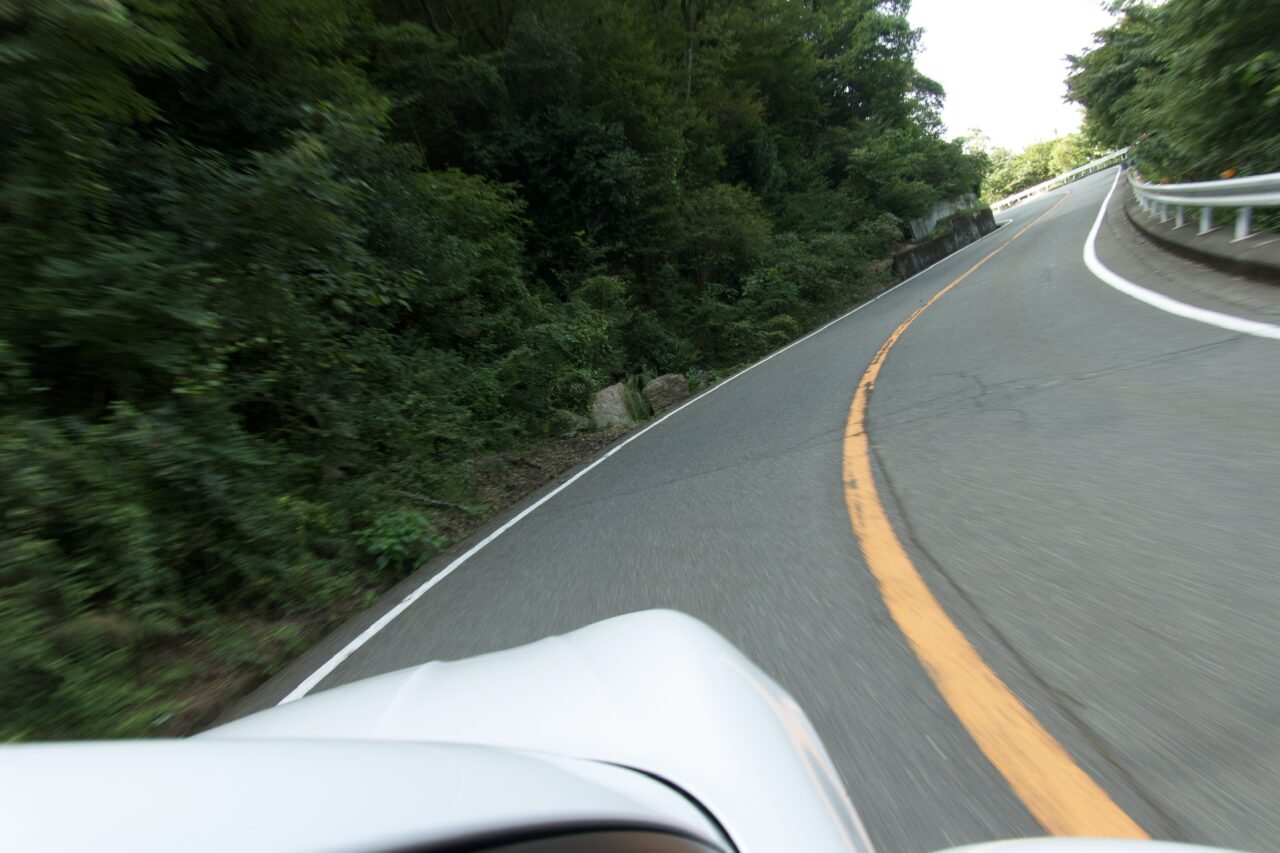
The Macan is based on a Volkswagen Group front-wheel-drive platform, but its all-wheel-drive system is rear-biased. Under normal conditions, more torque goes to the rear wheels, with the front wheels there to assist as needed. That gives it a rear-wheel-drive-like feel, while using a control strategy similar to Porsche’s all-wheel-drive 911 models.
I took it through a series of successive corners, and it continued to move with an agility that makes it hard to believe it’s an SUV. All four wheels stay planted, and the car grips tenaciously. There’s no sense of intimidation at all.
Like the latest Porsches, it’s fast and reassuringly easy to drive, no matter who’s behind the wheel.
The suspension seems engineered with much more demanding, high-load driving in mind. For an everyday driver enjoying a brisk run on winding roads, it’s a breeze.
Final Verdict
If I were describing the Macan to someone else, I’d call it the Porsche that puts practicality first.
But by “practicality,” I don’t mean spacious seats or cargo capacity, or the availability of comfort features. I mean that its driving characteristics are practical.
Porsche is, at its core, a sports-car maker. The company typically prioritizes the feel of the car on highways and winding roads over comfort in everyday stop-and-go traffic. That was especially true of the first-generation Macan, but the third-generation model seems to put a much greater emphasis on making everyday driving easy.
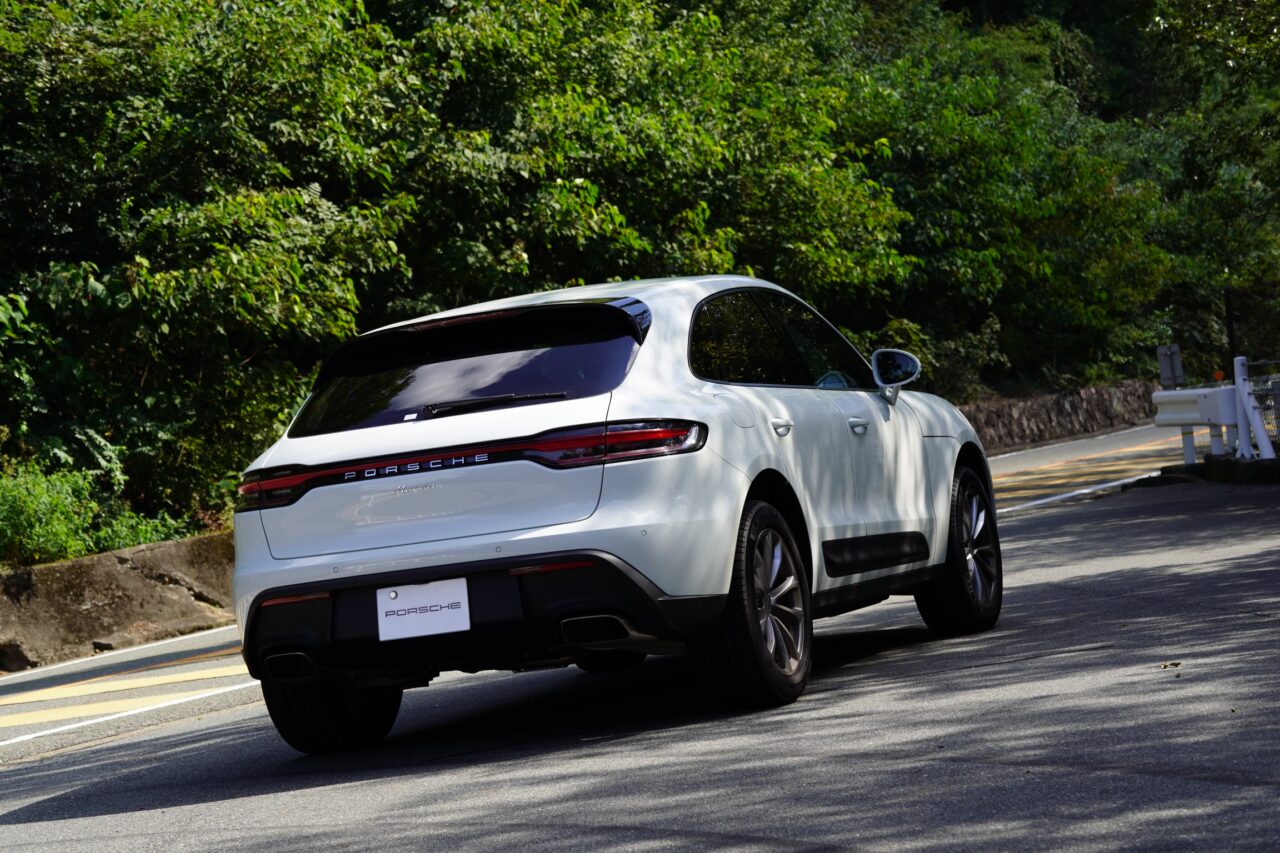
Despite wearing the Porsche crest, the third-generation Macan feels engineered to reduce the stresses of daily driving as much as possible. From the PDK’s control logic to the engine’s torque delivery and sound, it’s a Porsche that’s approachable and easy for anyone to drive.
At the same time, there’s no denying that some of the traditional Porsche character has become less prominent. The handling and PDK response still carry Porsche DNA, but some of that distinctive character has been lost.
If you want to bring more of that Porsche character to your Macan, choose your options carefully and tailor the car to your preferences.
The Options I’d Choose
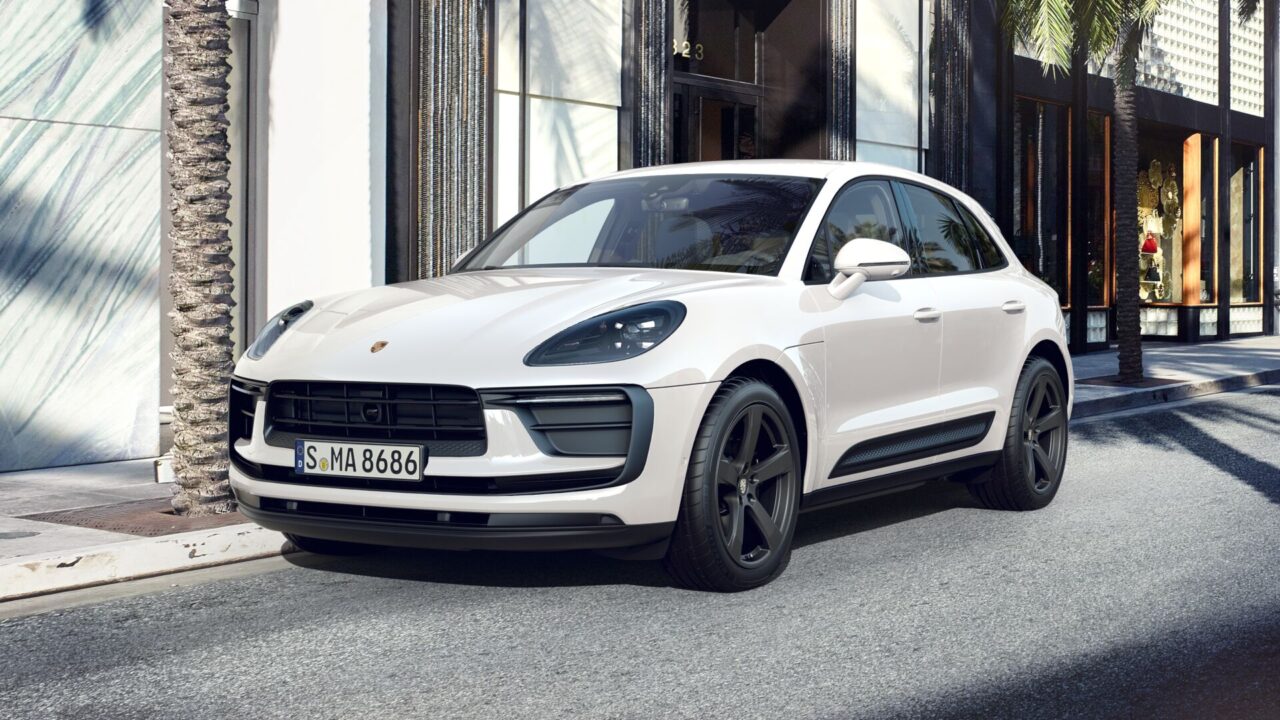
If I were buying a base-model third-generation Macan, here are the options I’d consider. I’ve left out appearance upgrades, since those come down to personal taste, and focused only on performance-related options. I’d prioritize them in the following order, depending on my budget.
- Air suspension (at the very least, I’d want PASM with the standard steel springs)
- 20-inch wheels (if adding air suspension)
- PTV Plus (I’d be interested to see how much more engaging it would make the four-cylinder model)
- Heated GT Sport steering wheel
- Sport Chrono Package
- Sport Exhaust
I hope this is helpful.

If you enjoy this blog, follow along.
Comment ( 0 )
Trackbacks are closed.
No comments yet.