

Porsche Carrera GT: The Ultimate Supercar, Still Unforgettable 20 Years Later
Published: 2024.12.10

コンテンツ
The Porsche Carrera GT: Its Origins and Rarity
It’s hard to believe that 20 years have passed since the Porsche Carrera GT made its debut.
If I had to name the Porsche I’d want most of all, the Carrera GT would be one of the first cars to come to mind.
Launched in 2003, this supercar featured cutting-edge technology for its time, including a carbon-fiber monocoque and subframes. Porsche initially planned to build 1,500 examples, but just 1,270 were produced between 2003 and 2006.
When new, it carried a staggering $450,000 price tag, yet reportedly some examples remained unsold at Porsche showrooms. Today, values have soared into the millions. That dramatic rise is a testament to just how special the Carrera GT is.
Porsche Carrera GT Design Highlights
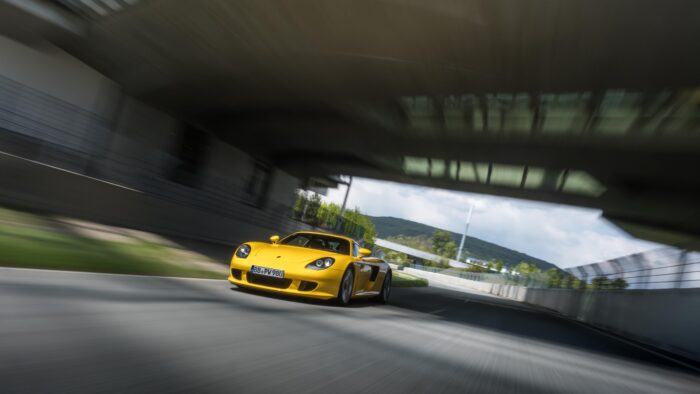
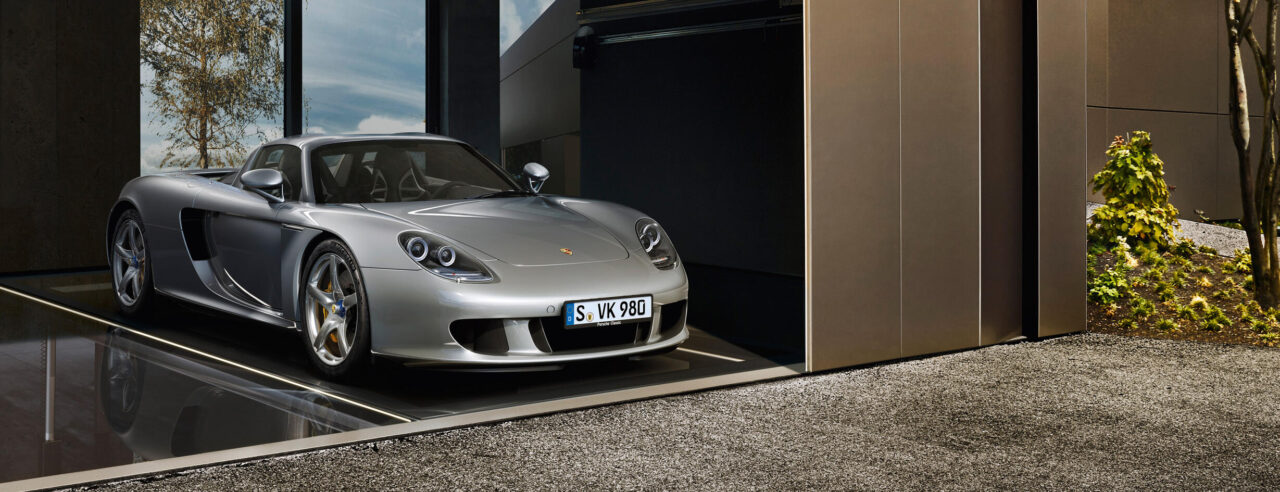
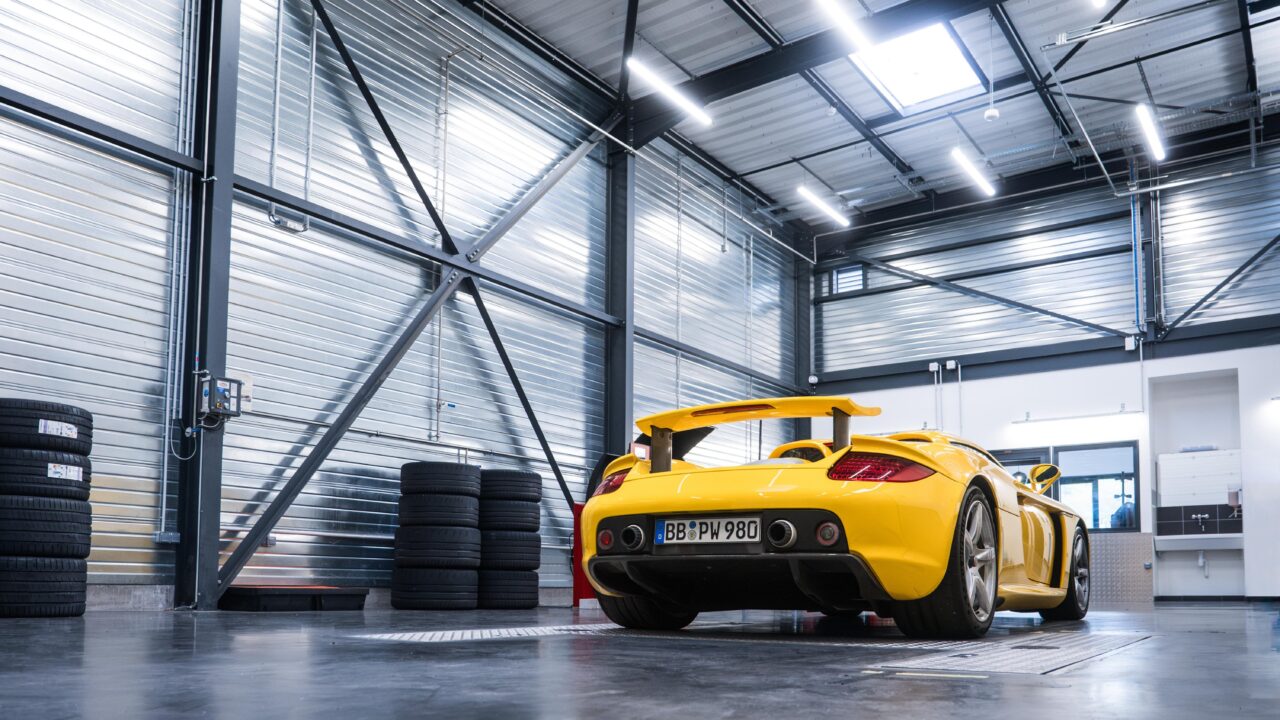
The Porsche Carrera GT has a distinctive silhouette that’s instantly recognizable. Its low-slung, elegant body and track-focused design give it an unmistakable presence.
Its wide stance and large side air intakes reflect its racing DNA, while also helping to cool the engine. At the rear, a prominently raised spoiler and large-diameter exhaust outlets deliver a dramatic look—and a soundtrack powerful enough to leave rival supercars in the shade.
The lightweight carbon-fiber body helps the Carrera GT feel sharp and agile on the road. Every line speaks to precision and performance.
Inside the Porsche Carrera GT
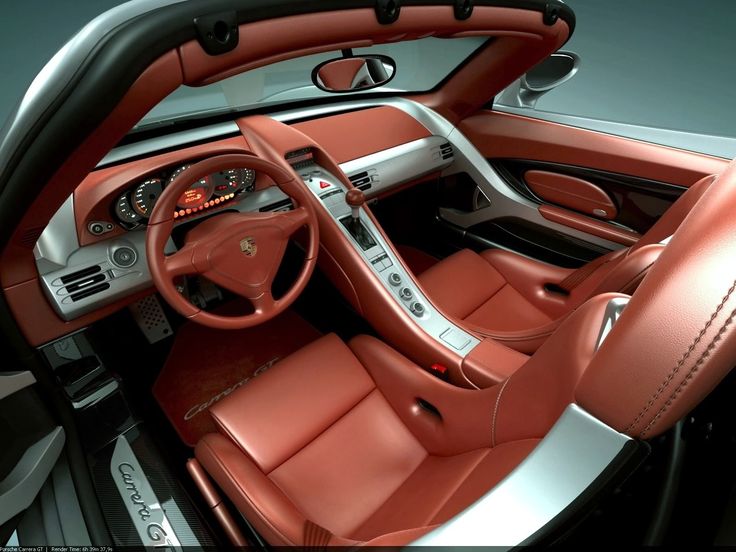
The Carrera GT’s cabin strikes a characteristically Porsche balance between simplicity and luxury. Its lightweight bucket seats offer the support you need, while the raised center console groups the controls within easy reach of the driver.
The wooden shift knob is an unexpected touch, but a clever nod to Porsche’s racing roots. The cabin is otherwise modern, and the shift knob gives it a distinctive character.
The interior isn’t flashy, but its driver-focused layout and refined finish make it feel every bit as special as the car itself.
Porsche Carrera GT Engine and Performance
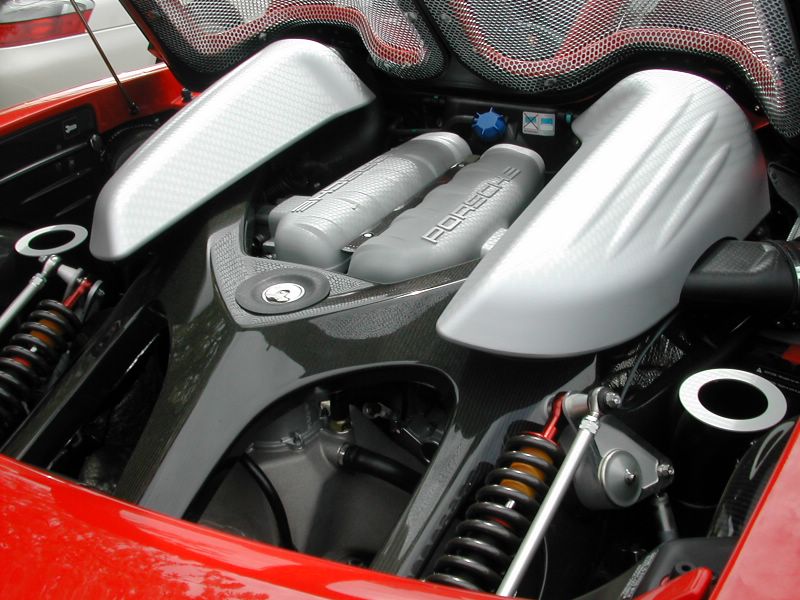
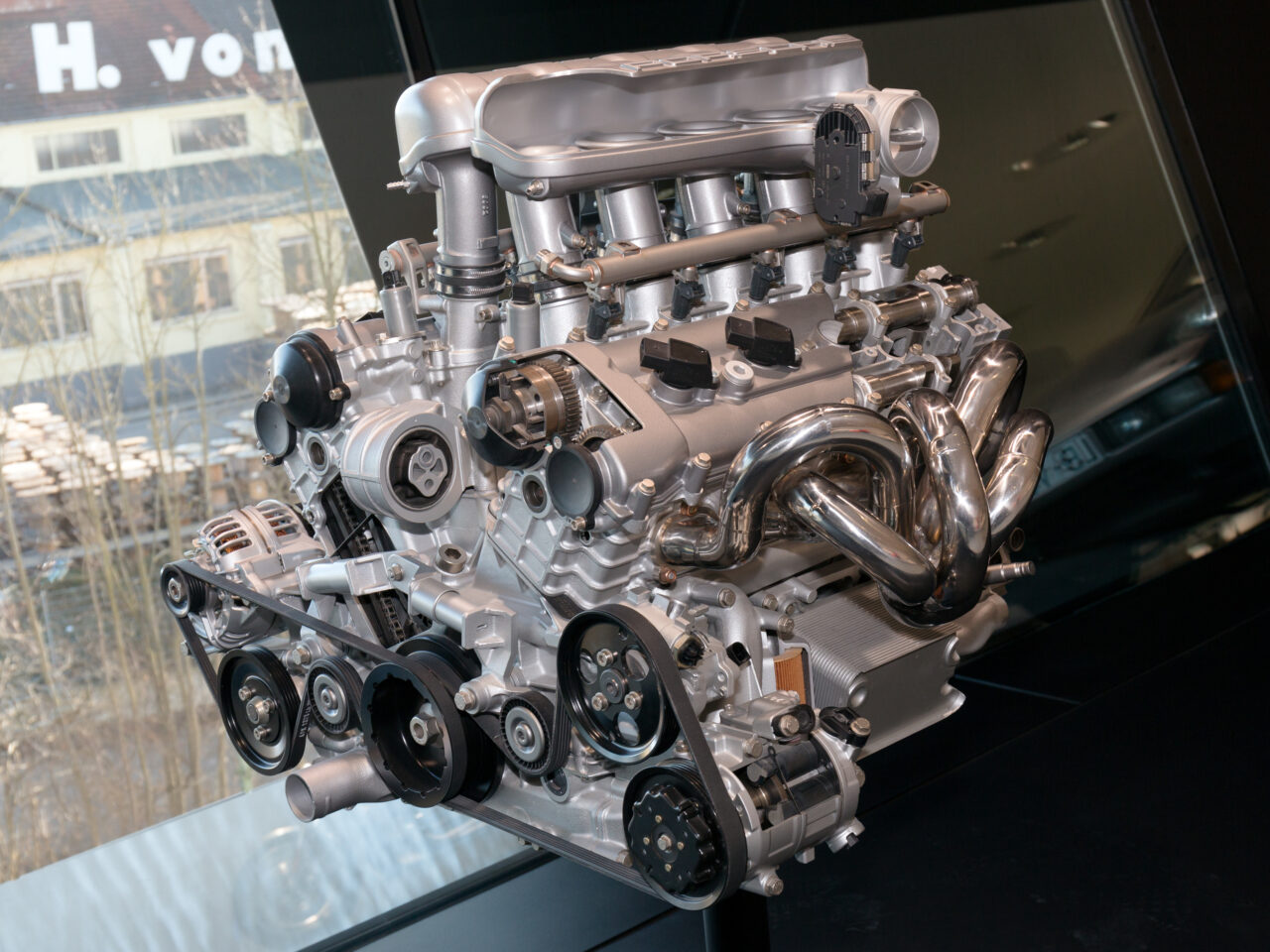
At the heart of the Carrera GT is a naturally aspirated 5.7-liter V10, an engine whose soundtrack is every bit as impressive as its performance. Its 605 horsepower is sent to the rear wheels through a six-speed manual transmission.
With this setup, the Carrera GT can sprint from 0 to 100 km/h in just 3.5 seconds and reach a top speed of 330 km/h. A unique suspension system developed for precise handling helps make it one of the closest things to a race car you can drive on public roads.
The Carrera GT’s value has risen sharply in recent years. Reflecting its status as a modern classic, examples are now said to sell for between $1.5 million and more than $2 million. Prices vary depending on mileage, condition, and exterior color; rare paint finishes and low-mileage cars can command even higher sums.
One of the main reasons production ended was the difficulty of meeting tightening safety regulations, including requirements for more advanced airbag systems. Adapting the car to comply without making major changes to its design reportedly wasn’t feasible. Combined with its niche appeal and high price, this led Porsche to end production in 2006.
What Makes the Carrera GT So Special?
The Carrera GT stands apart because it’s an analog supercar from an era before modern technology took over. Its racing-derived V10, manual transmission, and lightweight carbon-fiber construction deliver a driving experience unlike any other.
At the same time, the Carrera GT is famous for being challenging to drive. It was built for pure performance, with minimal electronic driver aids. Its sensitive clutch, powerful V10, and rear-wheel-drive layout demand precise control and respect—especially at high speeds. Those traits are part of what makes the Carrera GT such a demanding car to handle.
Even 20 years on, the Porsche Carrera GT continues to captivate Porsche owners and car enthusiasts alike. Its rarity, extraordinary performance, and timeless design have secured its place as a true modern classic.

If you enjoy this blog, follow along.
Comment ( 0 )
Trackbacks are closed.
No comments yet.