

What’s Next for the Porsche 911 GT3’s Naturally Aspirated Engine? Hybrid Power or a Turbo?
Published: 2024.11.05
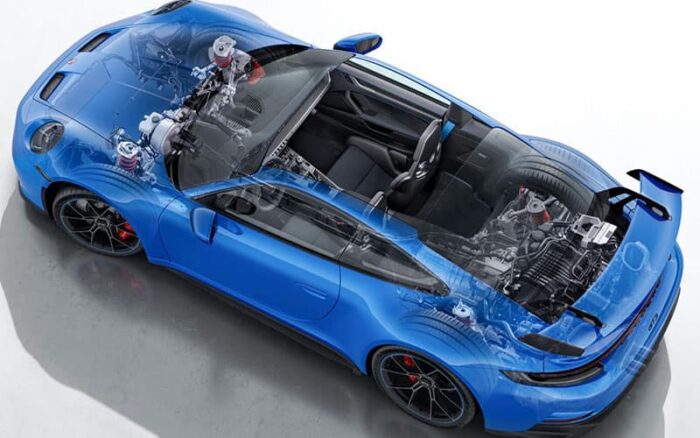

コンテンツ
The Future of the Porsche 911 GT3’s Naturally Aspirated Engine
The other day, I wrote about reports that the GT3 engine may only be able to remain in production for another two years, alongside news about the next-generation Turbo. This time, I’d like to take a closer look at what the future may hold for the GT3 engine.
The 500-hp naturally aspirated flat-six in the Porsche 911 GT3 is reportedly expected to remain on sale for only about two more years without turbocharging or hybrid assistance. That view comes from Andreas Preuninger, head of Porsche’s GT division.
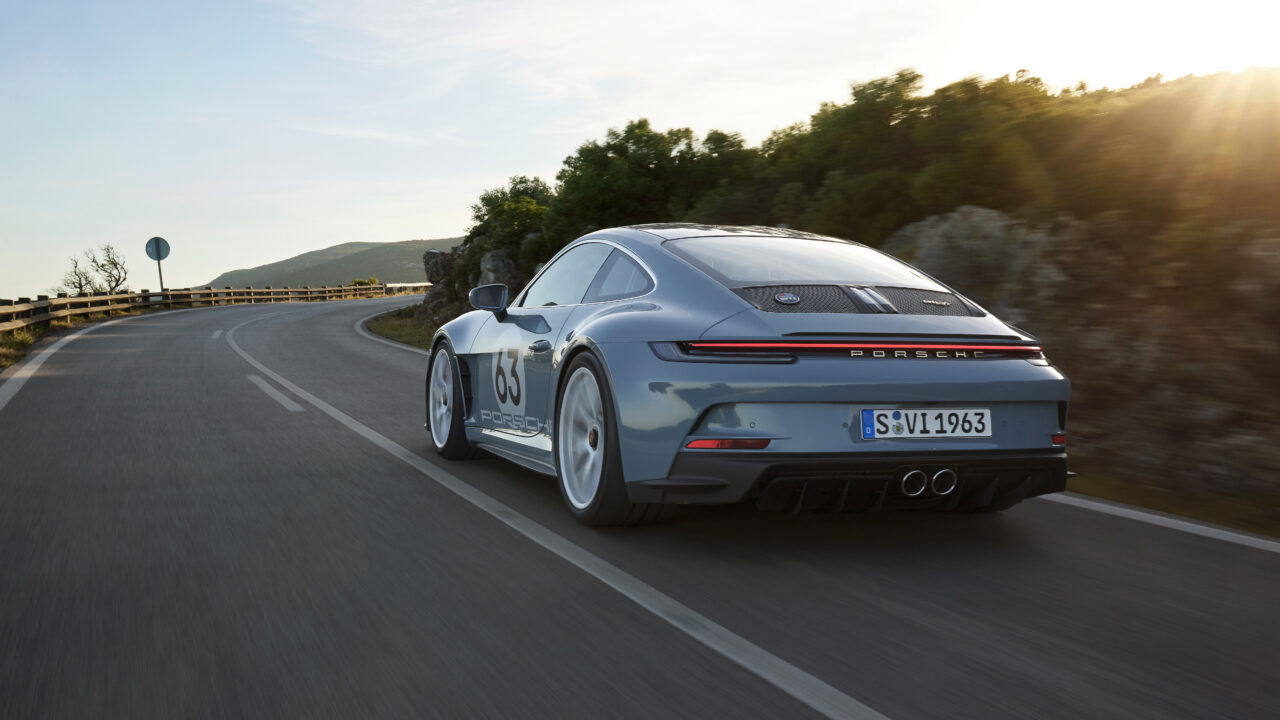
The current 4.0-liter engine has powered the 911 GT3 since the 991.2 generation in 2018. In different states of tune, it is also used in the 911 S/T, 911 GT3 RS, 718 Cayman GT4 RS, and 718 Spyder RS. It is one of the few naturally aspirated engines Porsche still makes, and one of only two engines in its lineup without forced induction or a hybrid system. The other is a closely related 4.0-liter flat-six fitted to the 718 Cayman GTS 4.0 and 718 Boxster GTS 4.0.
Meeting Tighter Emissions Regulations
According to Preuninger, the updated 911 GT3 could be the last to feature a naturally aspirated flat-six. The reason, he says, is that the engine in its current form cannot meet increasingly stringent emissions regulations.
Speaking about the new Euro 7 standard, which comes into effect in 2026, Preuninger reportedly said:
“If the laws don’t change, this engine could live forever. But I don’t think it can meet Euro 7 without electrification or a turbocharger. As things stand, we can sell this car for another two years, but it depends on the market.”
Future Options for the 911 GT3
One possible solution for the GT3 would be to adopt a version of the new hybrid system used in the 911 GTS. It pairs a 3.6-liter turbocharged engine with an electric motor integrated into the gearbox to produce 541 hp. Porsche’s rivals, including Lamborghini and Ferrari, have already embraced turbocharged engines and hybrid powertrains.
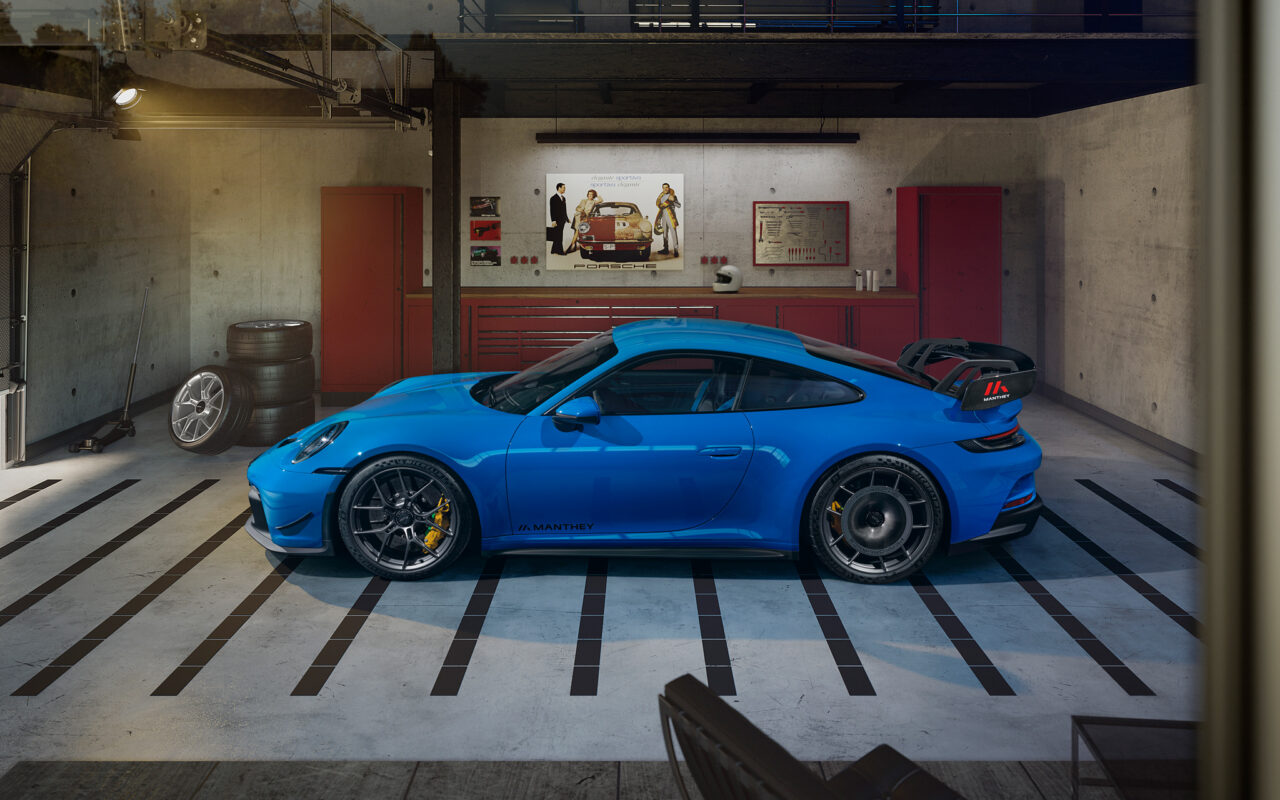
However, Preuninger has suggested that the GTS and GT3 serve different purposes and therefore need different powertrains. He reportedly said:
“For the GTS, it’s a great setup. In a straight line, it’s as fast as the GT3—and it might even be quicker off the line. But I don’t care about that. For the GT3, straights are just what connect one corner to the next.”
The Challenge of Preserving the GT3’s Character
Preuninger acknowledges that a hybrid system can be the right way to bring electrification to a sports car, but he also explained why it may not suit the GT3.
“We’d have to use the PDK II from the standard 911 Carrera. It weighs more than 20 kg (44 lb) more than our ‘Sport’ PDK.”
His comments highlight just how difficult it may be to preserve the combination of lightweight engineering and a high-revving naturally aspirated engine that many see as central to the GT3’s character. Porsche appears to face a tough balancing act: meeting emissions rules without compromising performance.
For Porsche fans, the 911 GT3 is a special car, and the future of its naturally aspirated heart is a keen point of interest for owners and enthusiasts alike. Over the next two years, we’ll be watching closely to see what Porsche decides—and how it evolves the GT3 without losing its soul.

If you enjoy this blog, follow along.
Comment ( 0 )
Trackbacks are closed.
No comments yet.