

Next-Generation ICE Cayenne Officially Confirmed — Active Ride Technology Sparks Excitement Among Taycan Owners
公開日:2026.04.02
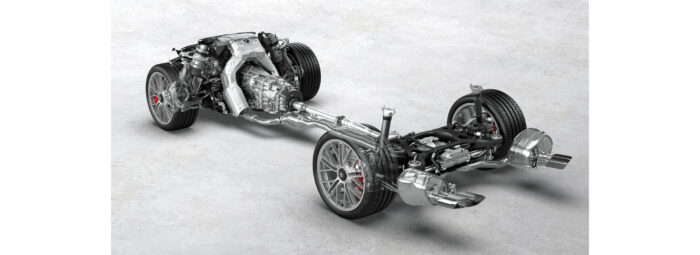

コンテンツ
“Continuing Internal Combustion Engines Through the 2030s” — SUV Head Makes a Clear Statement
Ralf Keller, head of Porsche’s SUV model line, made a significant declaration in an interview with the UK’s Auto Express magazine.
“We will continue offering internal combustion engines and hybrids into the next decade.” This statement effectively confirms the continuation of gasoline engine models for the next-generation Cayenne. The fourth-generation ICE Cayenne is expected to debut around 2028 to 2029 and will be sold alongside the already announced Cayenne Electric. It will be the first time in Cayenne’s history that both EV and ICE versions receive a full model update simultaneously.
The platform is likely to adopt Volkswagen Group’s “PPC (Premium Platform Combustion),” which is shared with the new Audi Q7. As previously discussed regarding Porsche and Audi’s platform sharing, the Cayenne follows this trend. Keller himself mentioned that “both the MLB-Evo platform and PPC platform can be used,” signaling accelerated collaboration between the two brands.
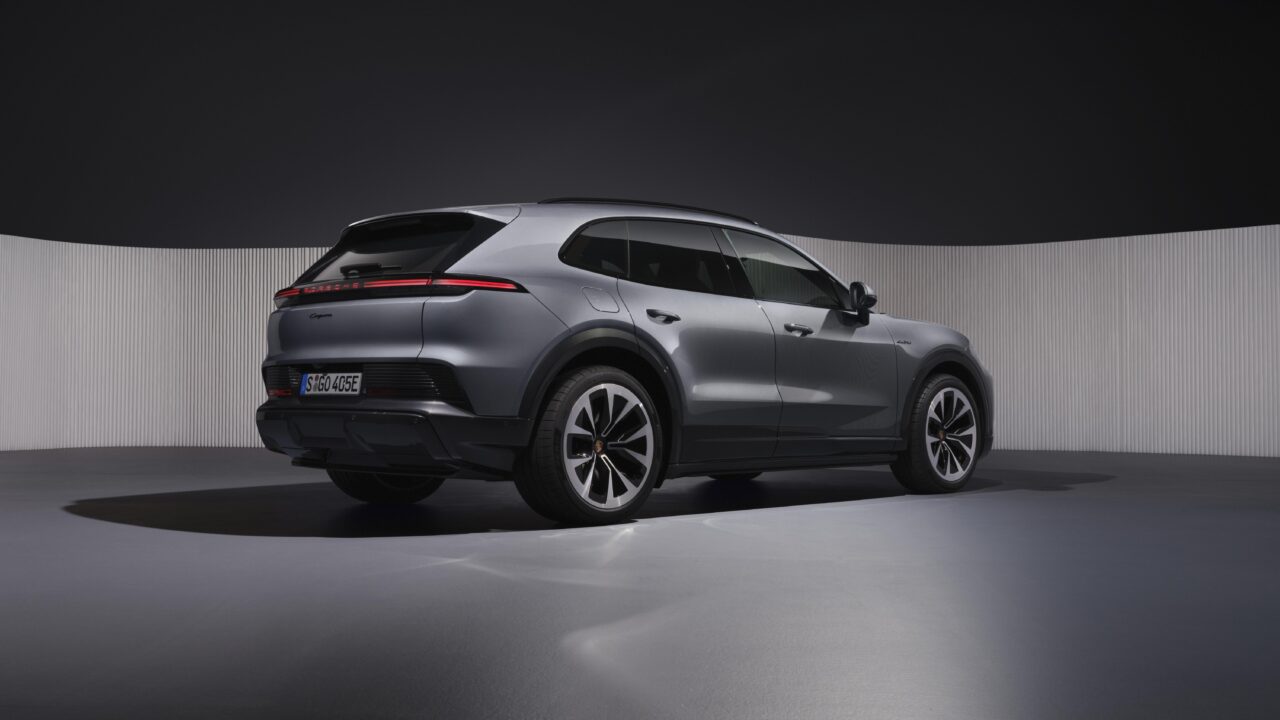
A Taycan Owner’s Take on the Magic of Active Ride Suspension
What excites me most about this news is the possibility that the next-gen ICE Cayenne will be equipped with Active Ride.
On my Taycan Turbo GT, the Active Ride system is equipped, and frankly, this suspension feels like a magic carpet ride. It’s firm yet doesn’t sway at all. This might sound contradictory, but it’s a sensation only those who have ridden it can truly appreciate. Even when encountering sudden bumps at convenience store exits, the coffee in the cup holder doesn’t spill. The body remains almost completely stable.
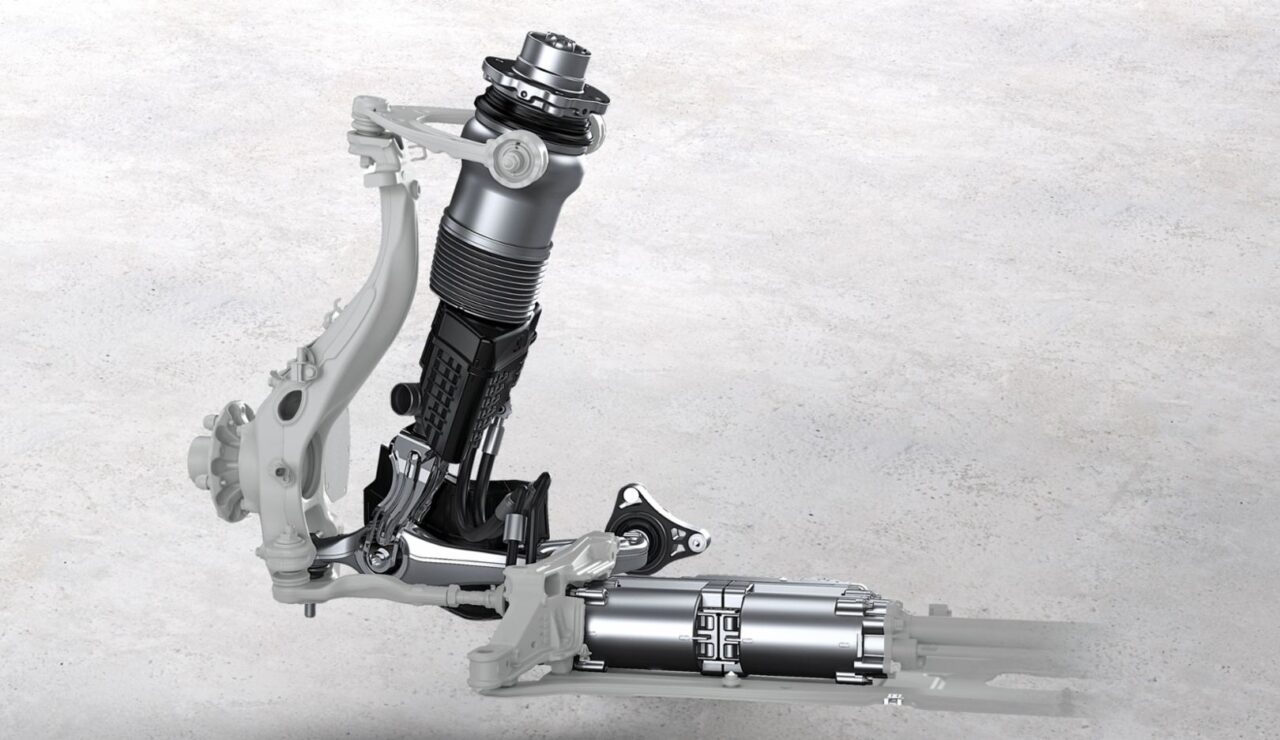
Active Ride uses electric hydraulic pumps at each wheel, actively controlling damper pressure 13 times per second. By eliminating the traditional stabilizer bars and independently managing each wheel, it reduces roll and pitch to near zero. Each corner can generate over 2,300 pounds of vertical force, effectively canceling out road imperfections instead of merely absorbing them. As a result, chassis performance is dramatically enhanced. I find the Taycan Turbo GT more agile than the GT3 on twisty roads, yet it delivers limousine-like comfort cruising on the highway.
Power Supply Challenges — Likely Limited to Hybrid Models
There is, however, one concern: power demands.
Active Ride consumes a significant amount of electricity—peaking at roughly 34 horsepower (about 25kW). It requires a 400V high-voltage battery to supply this energy. Currently, Active Ride is only available on the Taycan, Cayenne Electric, and Panamera e-Hybrid—all pure EVs or plug-in hybrids equipped with large batteries. It is not offered on pure ICE models.
What does this mean for the next-gen ICE Cayenne?
Keller’s comments included the phrase “strengthening hybrid system integration,” suggesting Active Ride would most likely be reserved for plug-in hybrid (PHEV) variants. This mirrors the Panamera e-Hybrid setup. Pure gasoline versions with only 48V mild hybrid systems lack sufficient power capacity. It’s possible the next-gen Cayenne’s Active Ride will be limited to PHEV models: “choose hybrid if you want Active Ride.” Either way, offering this suspension option in an ICE vehicle would mark a major leap forward.
The Perfect Size for the Cayenne
Keller made another interesting point: “The Cayenne has always excelled as a compact SUV. The next generation will maintain this concept.”
To many Japanese users, this may come as a surprise. The Cayenne exceeds 1,980mm in width and often protrudes beyond the lines in Tokyo’s coin-operated parking spots. When I owned a Cayenne E-Hybrid, maneuvering through narrow roads required constant vigilance. The German notion of “compact” clearly differs from Japanese road realities.
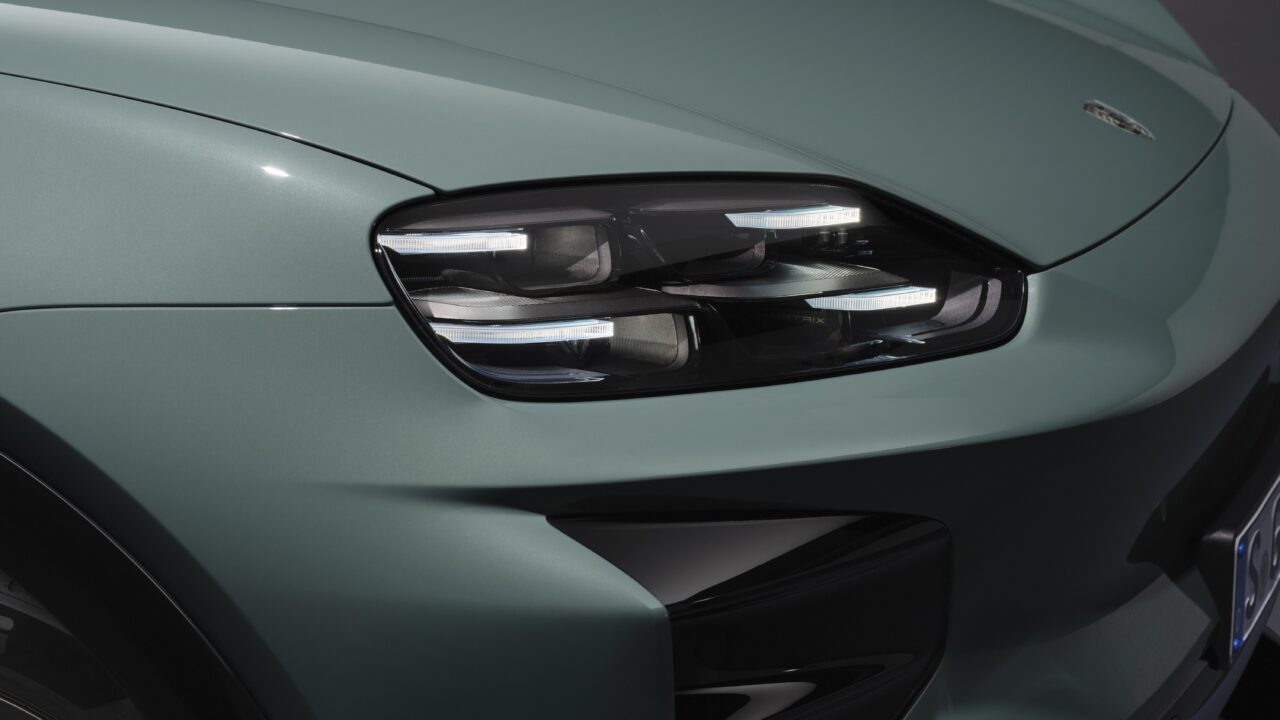
What Keller really means is that the role of size increase will be left to the K1 flagship, while the Cayenne won’t grow any larger. I agree with this philosophy. The appeal of the Cayenne lies in its ability to deliver 911-like sportiness within that size. Those wanting three rows of seats will turn to the K1, while the essence of a sports SUV will be preserved in the fourth-generation Cayenne at its current size. The dual offering of EV and ICE and clear differentiation from the K1 show that Porsche’s SUV strategy is finally taking shape. I can’t wait for the day when the next-gen ICE Cayenne rolls out with Active Ride.
このブログが気に入ったらフォローしてね!
Comment ( 0 )
Trackbacks are closed.
No comments yet.