

Mercedes-Benz GLS 580 Review: How Good Is E-ACTIVE BODY CONTROL?
Published: 2022.11.10

コンテンツ
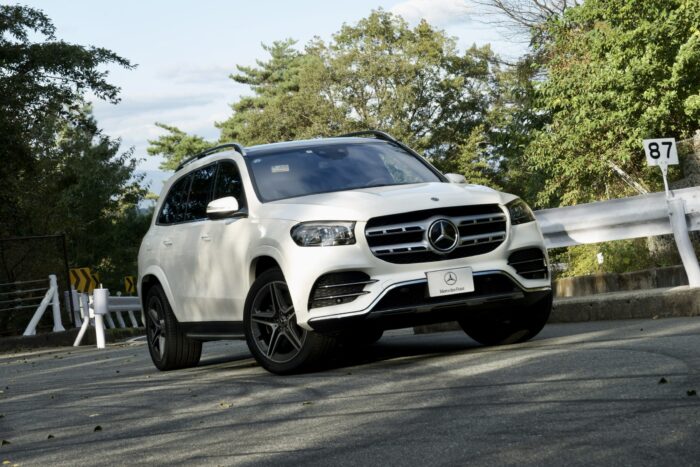
GLS 580 4MATIC
My younger brother, who pops up on this blog from time to time, has bought another car—just as he usually does.
This time, it’s a Mercedes-Benz GLS 580 4MATIC with the Sport Chauffeur Package. By the time I’m writing this, the GLS 580 has already disappeared from the Japanese lineup. It seems the only new GLS models currently available in Japan are the GLS 400d and the AMG GLS 63.
I once considered buying a GLS 400d and took one for a test drive. I remember being caught off guard by its light, almost effortless driving feel. For a Mercedes with an “S” in its name, it felt a little short on the sense of weight and gravitas I’d expected.
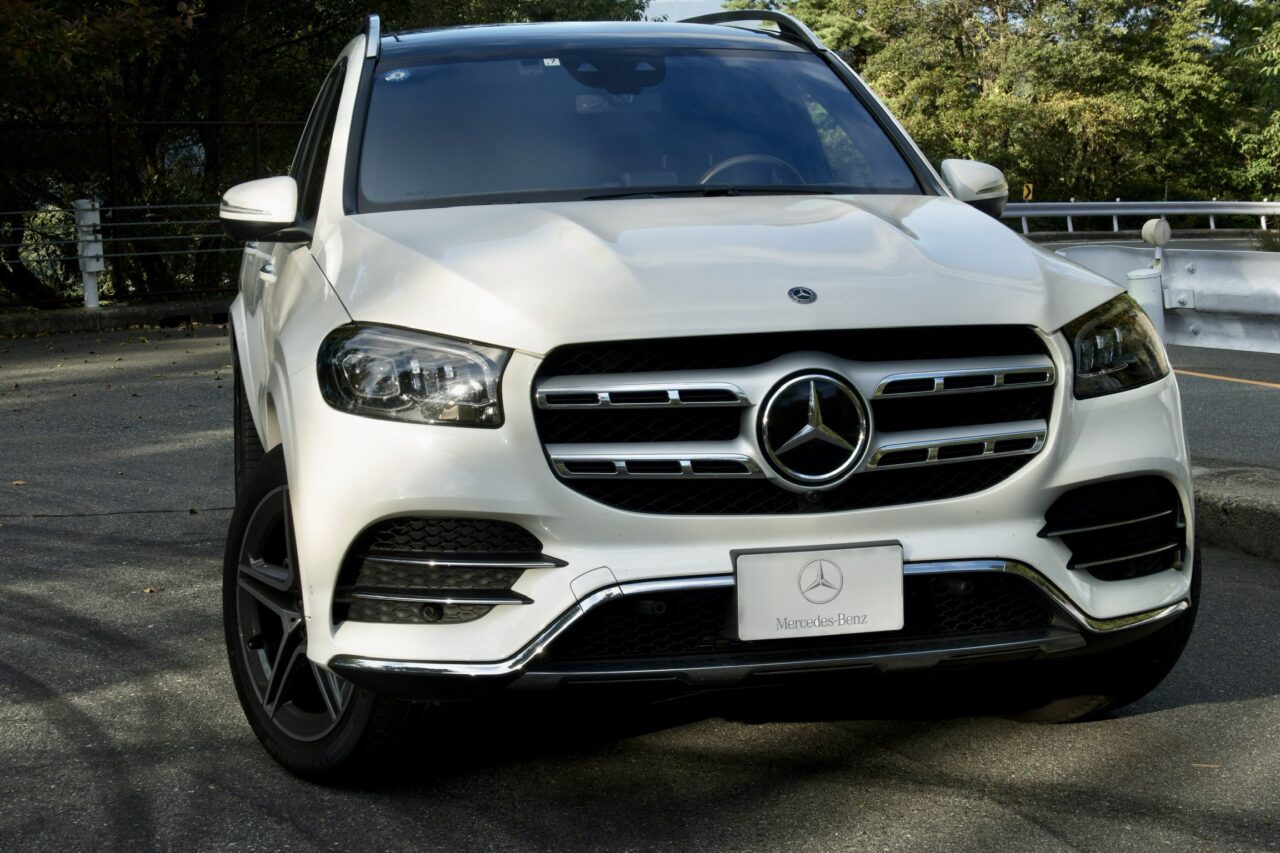
This time, I’m driving the higher-spec GLS 580. The powertrain is an obvious difference from the GLS 400d, but there’s another major distinction, too.
It’s equipped with Mercedes-Benz’s latest suspension system, E-ACTIVE BODY CONTROL, with its Dynamic Curve function.
Unfortunately, this suspension isn’t available on the Japanese-spec GLS 400d; it’s exclusive to the GLS 580. I clearly remember wishing at the time that it could be fitted to the GLS 400d, too.
In this review, I’ll look at how the GLS 580 compares with the GLS 400d, as well as how E-ACTIVE BODY CONTROL with the Dynamic Curve function performs.
As always, this blog focuses on how a car drives. For detailed assessments of practicality and cabin space, please consult other outlets.
First Impressions: Looks and Getting on the Move
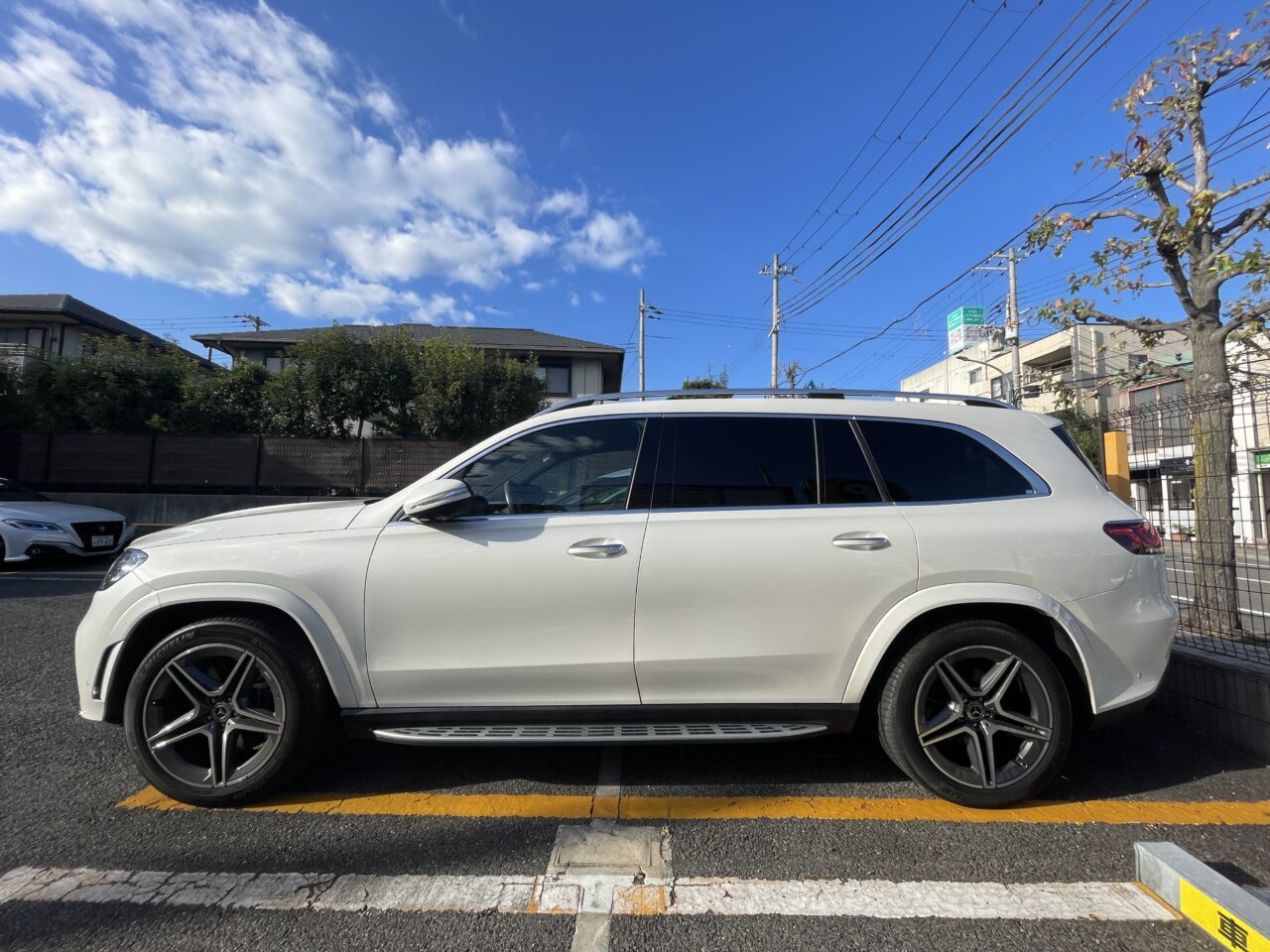
The GLS looks enormous sitting in the parking lot. It barely fits within the lines of a coin-operated parking space, and viewed from the side, it’s practically an elephant.
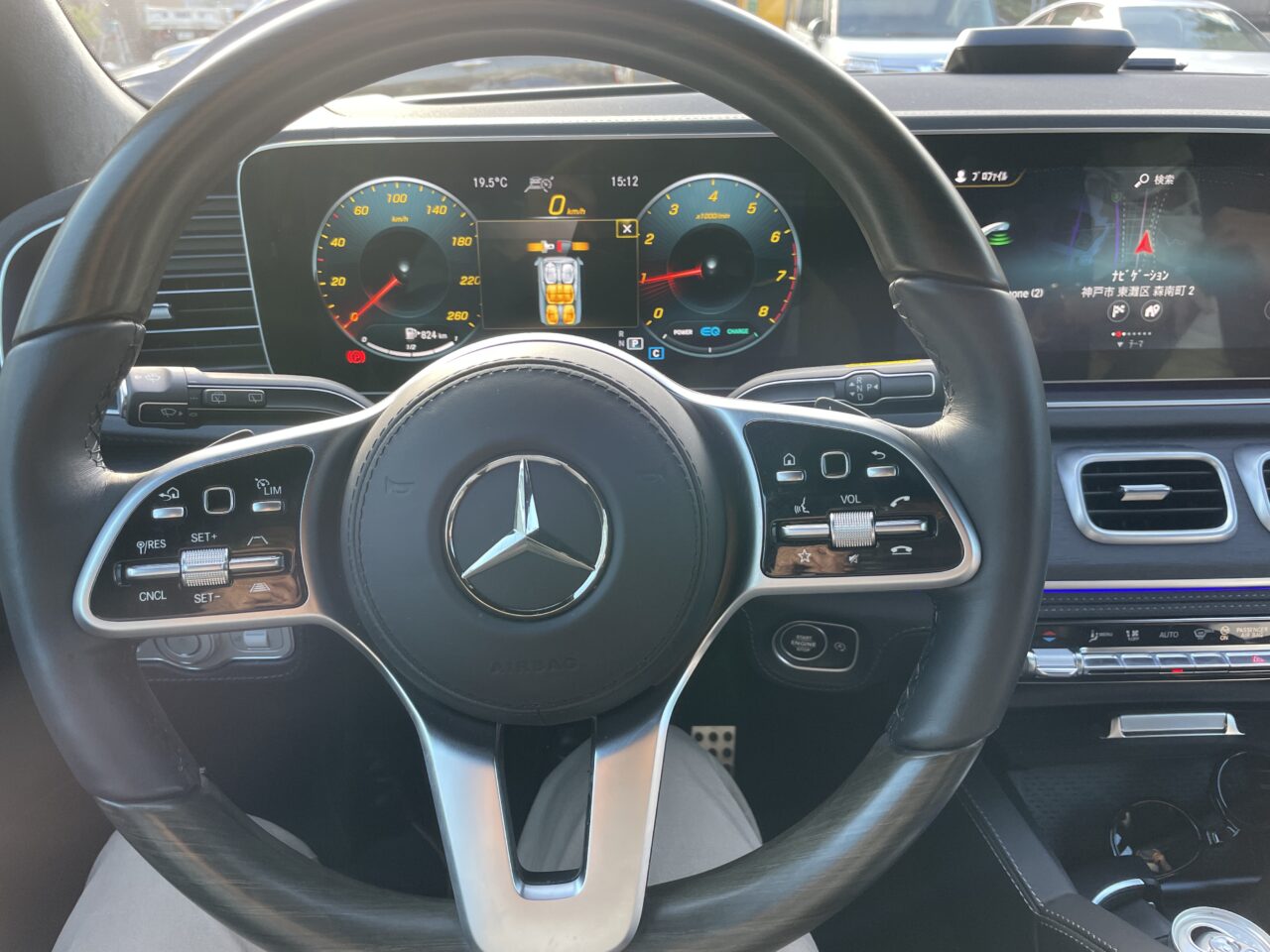
It has an overwhelming presence, with an unmistakable air of luxury and authority. You climb up into the high-set driver’s seat, settle in, and find yourself surrounded by a lavish cabin. That’s to be expected from Mercedes-Benz’s flagship SUV.
It comes with virtually every comfort feature you could want, so there’s little to complain about.
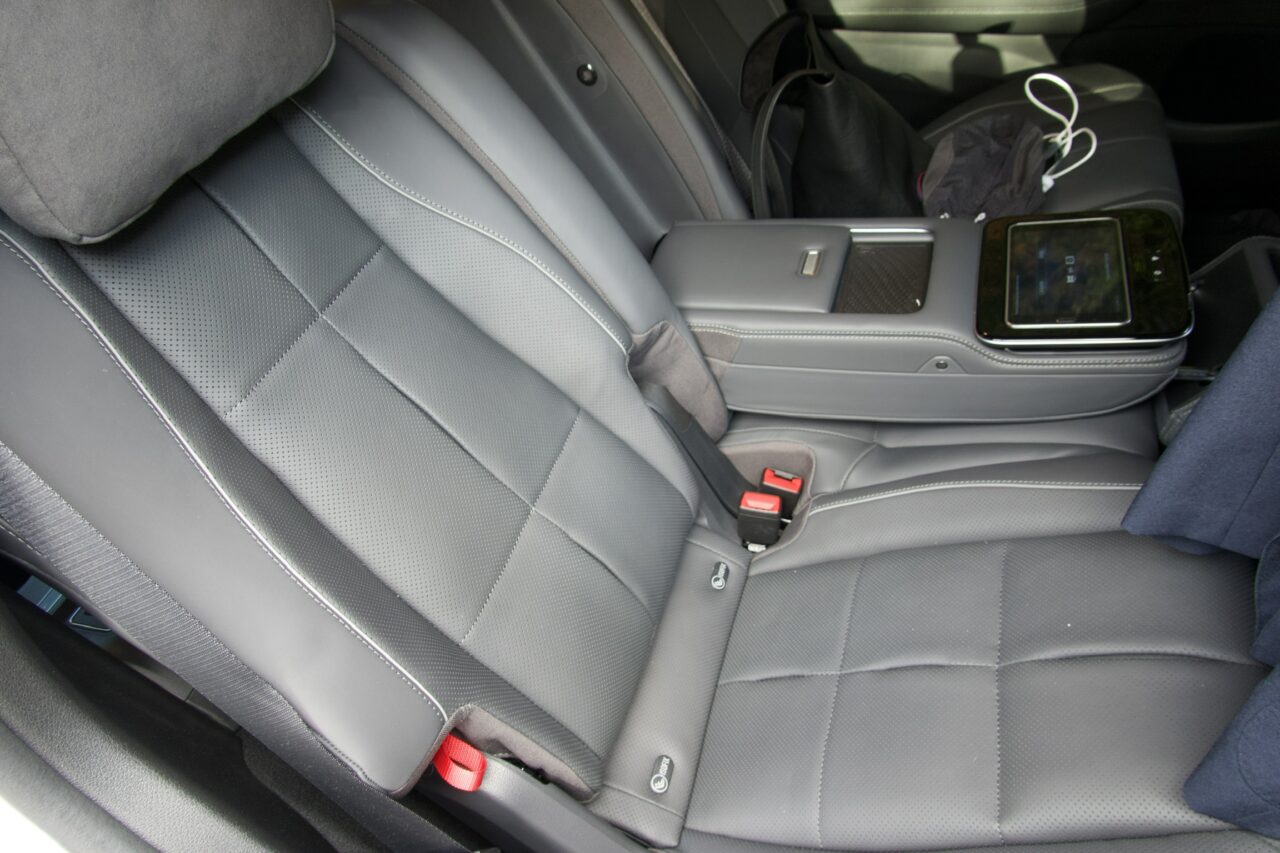
The rear seats are spacious, thanks to the Chauffeur Package.
The generously sized seats offer plenty of adjustment, making them exceptionally comfortable. This is a car built for long-distance driving.
I start the engine and ease away, only to blurt out, “It feels so light!” It’s hard to believe I’m driving something that weighs more than 2,700 kg. The ISG (integrated starter-generator, which provides electric assistance) helps it pull away smoothly, and the steering is light, too. It almost makes you forget whether you’re driving a big car or a small one.
At first, I wonder if this is the same light feeling I noticed in the GLS 400d, so I pick up the pace. Then, somewhere around 40 or 50 km/h, I begin to feel a planted, reassuring heft through the steering—something I didn’t experience in the GLS 400d.
“Ah, this is pretty good!” I say to my brother as we head for the mountain roads.
From City Streets to the Winding Roads
We make our way through heavy city traffic toward the mountains. The engine responds so eagerly when you pull away that it takes a little getting used to. Unless you press the accelerator very gently, the GLS surges forward. I roll slowly over uneven patches of pavement left by roadworks to get a feel for how the suspension is working.
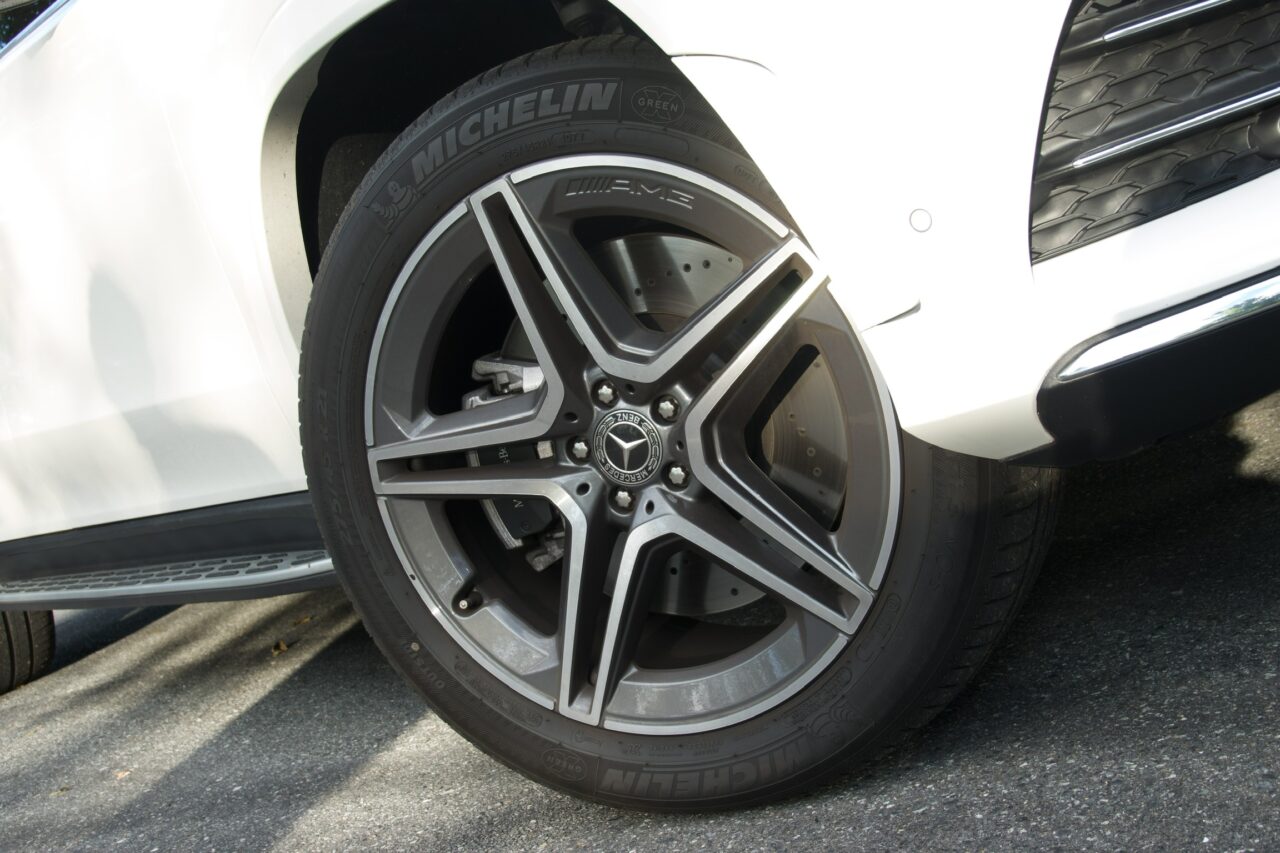
I start out in Comfort mode. At the low speeds typical of city driving in Japan, I notice a slight shuddering vibration. Some of that may be unavoidable with air suspension, but I notice it because my expectations for Mercedes-Benz’s flagship SUV are so high.
To be honest, around town, the BMW X7 35d I drove previously rides better. Even compared with the Cayenne, the Cayenne feels more settled as its tires roll over the road.
That said, these are extremely fine-grained comparisons, picking over the tiniest details. In everyday driving, very few people would call the GLS uncomfortable. Its ride is still excellent, and it’s worth keeping that in perspective.
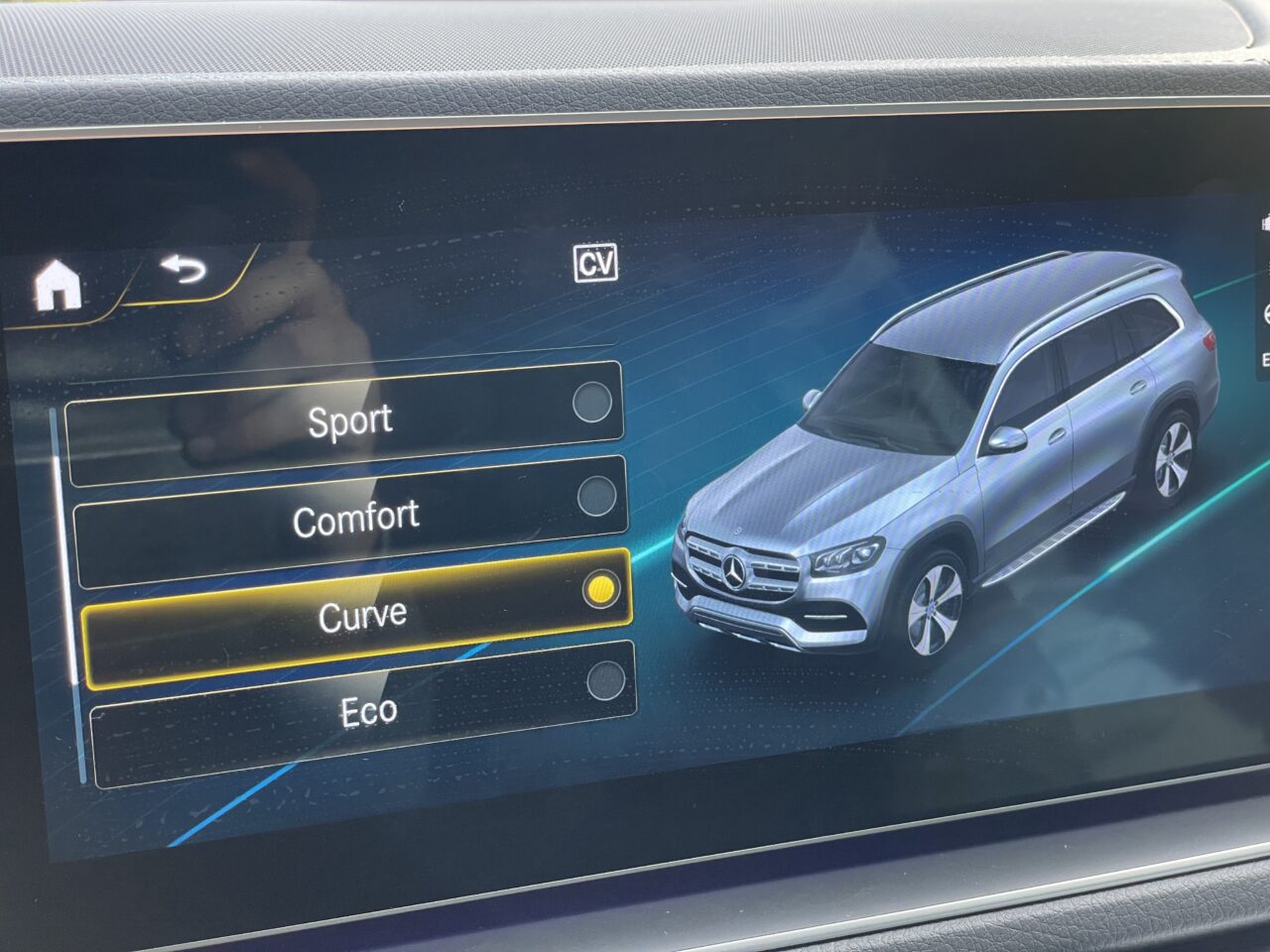
E-ACTIVE BODY CONTROL features a Curve mode.
Next, I activate E-ACTIVE BODY CONTROL and try Curve mode. The system uses a camera to read the road ahead, then controls the 48-volt electrohydraulic units at each wheel, along with the electronically controlled dampers and air springs. At low speeds, though, it doesn’t feel all that different from Comfort mode.
We leave the city behind and head into a tight stretch of winding road.
This isn’t the kind of road you’d usually choose for an SUV this tall and large. In Comfort mode, body roll is certainly pronounced. It’s nowhere near as sporty as a Cayenne. The body leans heavily, and if you’re not paying attention, the vehicle wants to drift wide through the turns.
I try Sport mode. The suspension firms up a little, but there’s still a lot of movement. If you have family in the car, you’ll need to drive with enough care to keep lateral forces to a minimum.
Then I switch Curve mode back on.
The GLS is transformed. “A completely different car” is a phrase that gets used a lot, but this time it really means something. The change is so dramatic that it’s hard to believe I’m in the same vehicle. On a series of hairpin bends taken at around 30–50 km/h, the body barely moves—and it doesn’t lean, either. It feels like a sports car, with even less body roll than you’d expect from one.
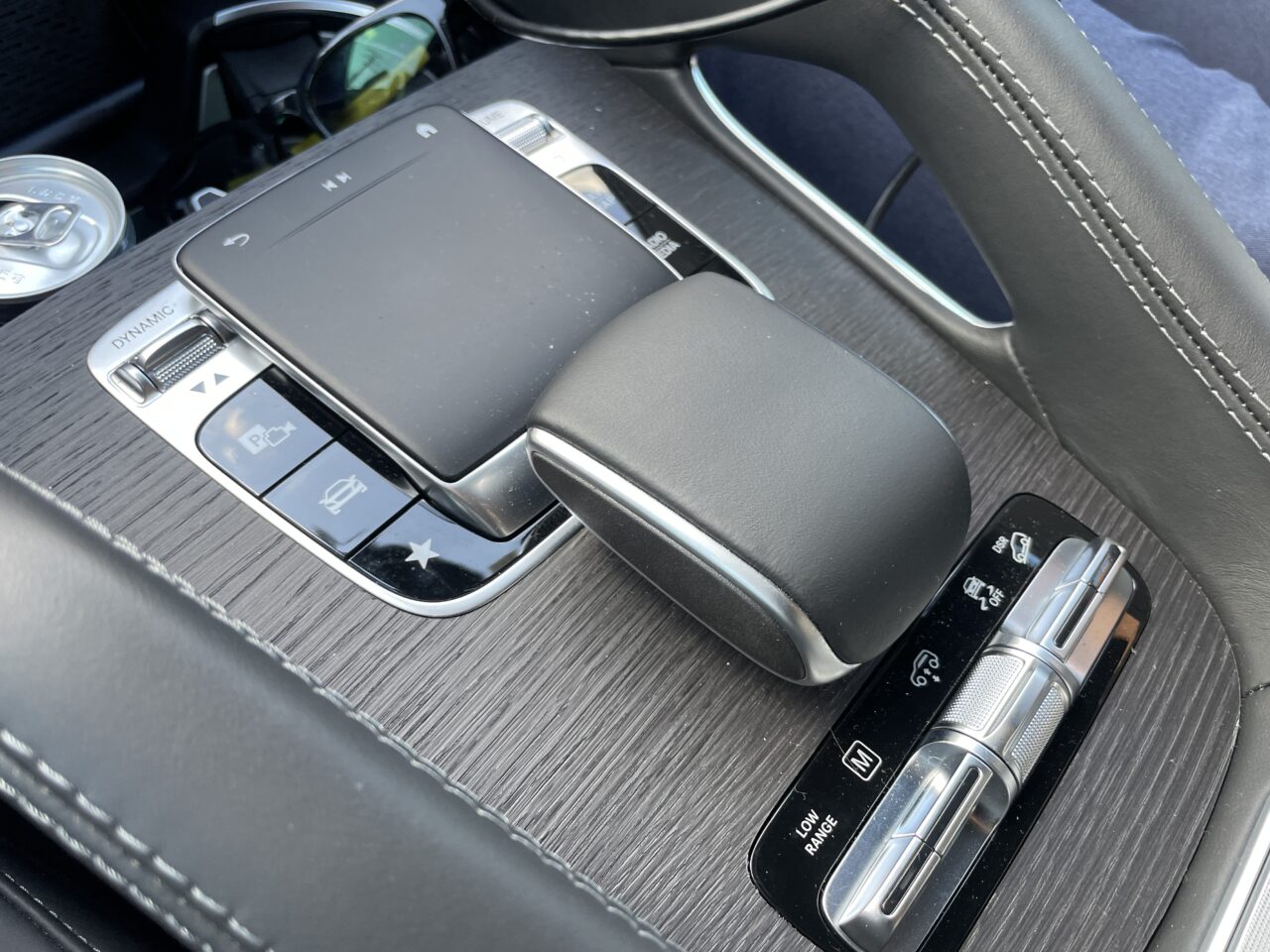
E-ACTIVE BODY CONTROL reduces the sensation of movement for occupants by leaning the vehicle into a corner. The effect is remarkable. It feels as if you’re driving on a banked curve—a true “magic carpet” ride. Porsche’s PDCC system also reduces body roll, but it does so with electronically controlled anti-roll bars, stiffening or loosening them to limit the body’s lean.
E-ACTIVE BODY CONTROL works differently: it rapidly extends the suspension on the outside of the corner, controlling the body so its angle counteracts the effect of centrifugal force.
The result is a genuinely flat ride.
You can adjust how strongly E-ACTIVE BODY CONTROL responds. I tried the middle setting, which felt natural and well suited to Japan’s winding roads. At higher speeds, the system allows a little more body roll. It’s worth adjusting the strength of Curve mode to suit your speed.
Engine Impressions
Still impressed by Curve mode, we continue through the mountain roads. On a short straight, I press the accelerator harder.
Even with 489 PS from its twin-turbo V8, the GLS is so heavy that it isn’t as quick as those numbers might suggest. But it never feels short on power. It has more than enough acceleration for just about any situation.
There’s no perceptible turbo lag, either. The ISG likely fills in the brief gap before the turbos come on boost. The engine delivers its torque so smoothly that you could forget it’s turbocharged. It’s as easy to drive as an old Mercedes naturally aspirated 5.0-liter V8. That effortless, never-needing-to-think-about-it character is classic Mercedes-Benz.
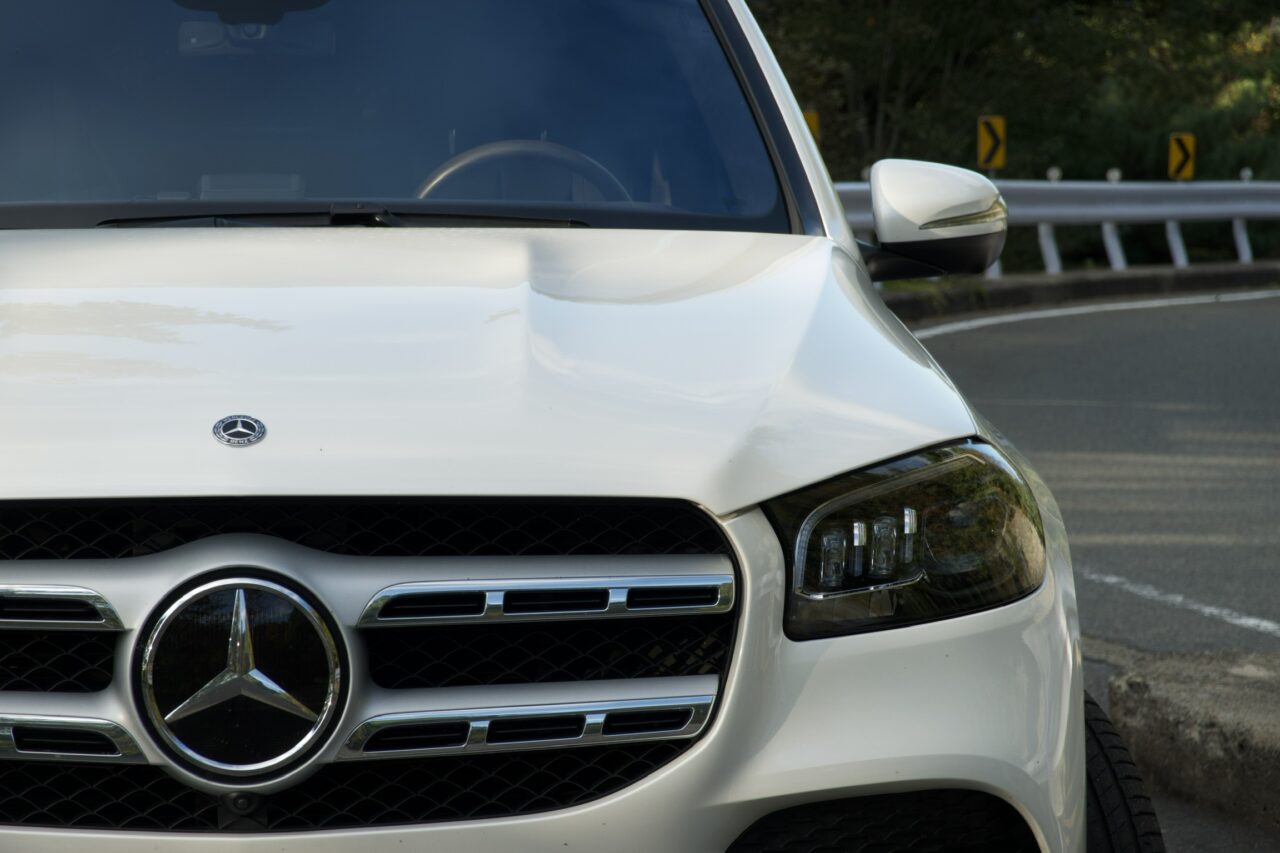
What really stands out to me about this engine is its sound. It sounds fantastic. The V8 produces the deep, burbling note you’d expect from a Mercedes, and you can hear it clearly even as you drive through town.
Switch to Sport mode and the sound gets louder and more overtly sporty. My brother has owned several AMG models, and he says, “This sounds so good, you might not even need an AMG.” It really does sound great, and this is an engine I’d recommend to anyone who loves the feel of a Mercedes V8.
How It Handles Undulating Roads
The road surface inside the tunnel on the Royu Driveway, Royu Tunnel, is quite undulating. It’s also a great place to assess straight-line stability. In the GLS 580, the difference between Comfort mode and Curve mode is striking.
As mentioned earlier, it was hard to tell the two modes apart at low speeds around town, but once you’re moving at a moderate pace, the difference becomes clear.
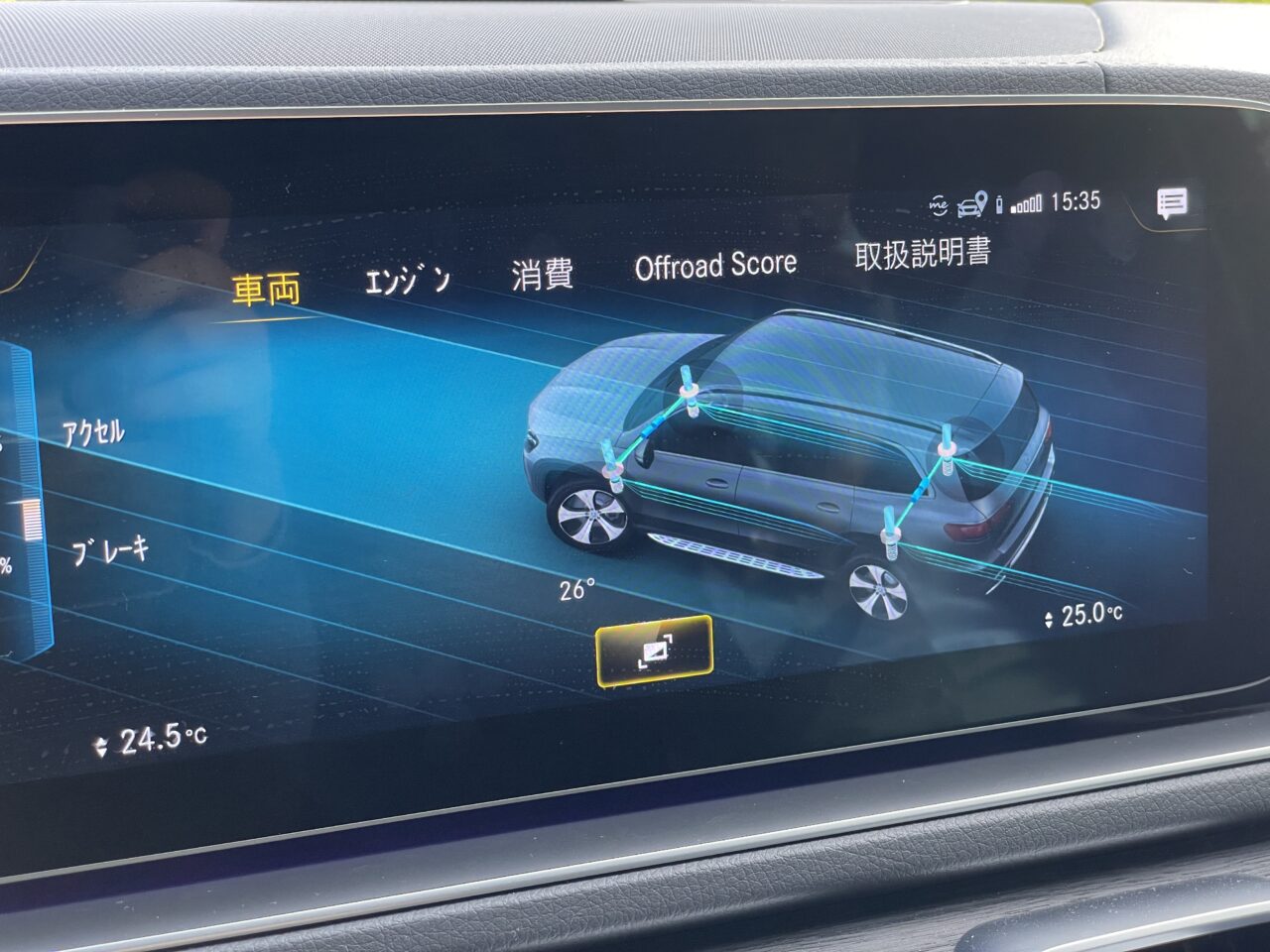
The display shows how the suspension responds to the road surface.
In Comfort mode, you can feel the body moving up and down over the undulations. In Curve mode, the movement is reduced, and the difference is easy to notice. The display lets you watch the suspension in action, making it clear how the wheels move up and down to follow the road. The GLS feels impressively stable in a straight line here.
Comfort mode already delivers a very flat ride, but if you want an even flatter ride, E-ACTIVE BODY CONTROL is well worth having. This is the sort of ride quality worthy of the “S” in Mercedes-Benz.
Verdict
There’s no question that the GLS is an SUV built with luxury as its priority. Curve mode lets it handle more sportily, but at heart, this is a car for relaxed, luxurious driving.
If outright speed is a priority, you should choose the AMG GLS 63.
The GLS seems tuned for comfort on rural roads and highways, where speeds are higher than in the city. That means its setup can feel slightly out of its element in Japanese urban areas, where traffic often moves at very low speeds.
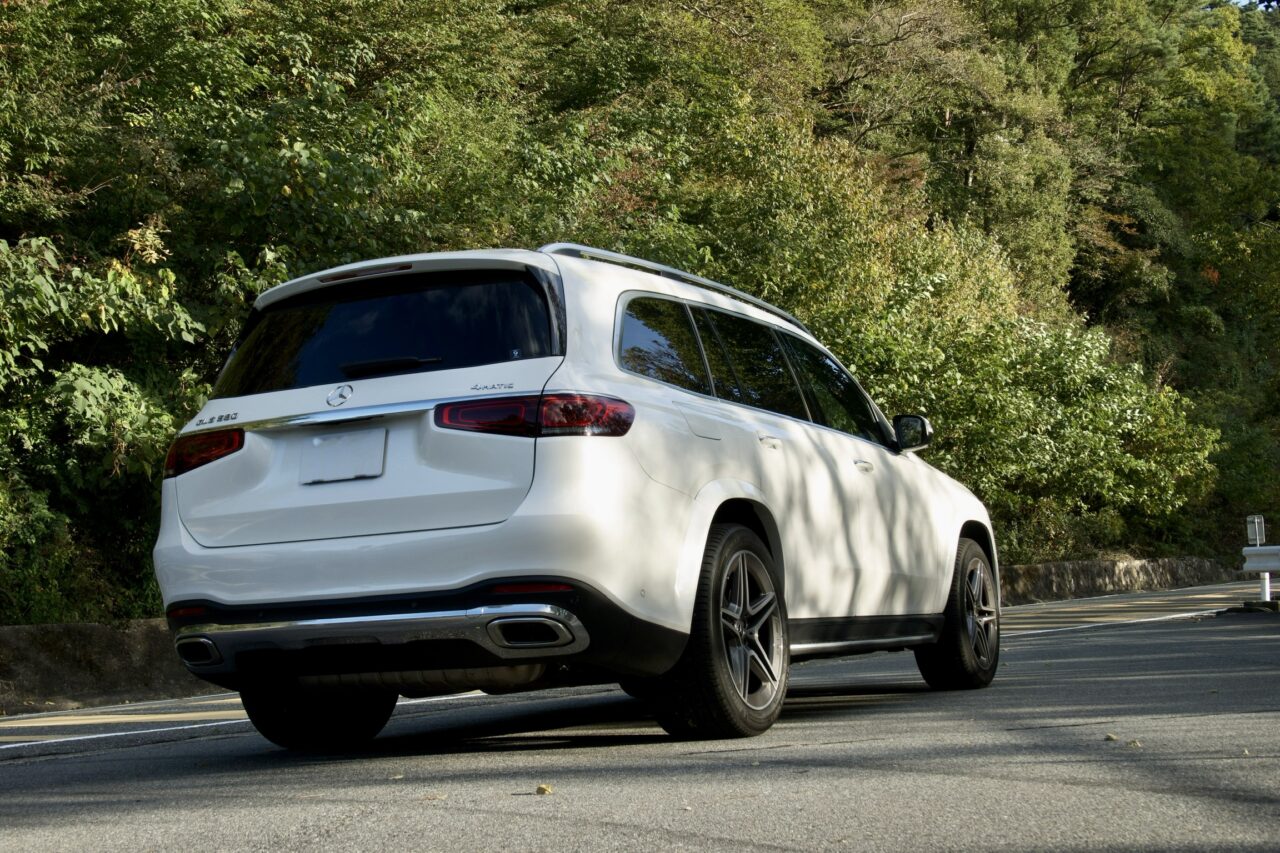
What you want from a large SUV will depend on your priorities, but for comfortable long-distance touring with the family, I think the GLS is an excellent choice. And E-ACTIVE BODY CONTROL is what really brings out its best.
It’s a shame that you can no longer choose the GLS 580 with this system. I hope Mercedes-Benz Japan will make it available on the GLS 400d, too.
It’s disappointing that such an impressive option isn’t available to buyers in Japan.
If Mercedes-Benz brings back an SUV with E-ACTIVE BODY CONTROL someday, I’d love to drive one again.

If you enjoy this blog, follow along.
Comment ( 0 )
Trackbacks are closed.
No comments yet.