

The Next-Generation ICE Cayenne Is Officially Confirmed—and, as a Taycan Owner, I’m Excited About the Possibility of Active Ride
Published: 2026.04.02
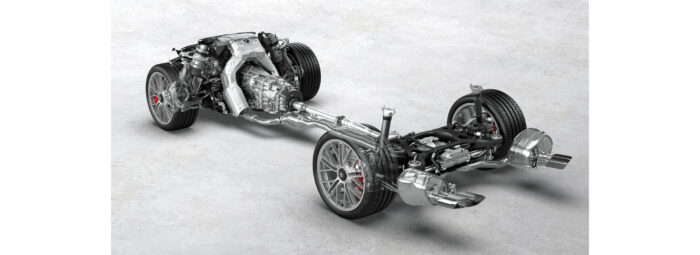

コンテンツ
“Combustion Engines Will Continue Into the 2030s”—SUV Chief Confirms
Ralf Keller, head of Porsche’s SUV model line, made an important statement in an interview with British magazine Auto Express.
“We will continue to offer combustion engines and hybrids into the next decade.” Those words effectively confirm that the next-generation Cayenne will continue to offer gasoline-powered models. The fourth-generation ICE Cayenne is expected to arrive around 2028 or 2029, alongside the already announced Cayenne Electric. It will be the first time in Cayenne history that a full model change brings both EV and ICE versions to market.
The new Cayenne is expected to use the Volkswagen Group’s PPC (Premium Platform Combustion), which will also underpin the next-generation Audi Q7. I’ve written before about platform sharing between Porsche and Audi, and the Cayenne looks set to be part of that story. Keller himself said that “both the MLB-Evo platform and the PPC platform are available to us,” suggesting that cooperation between the two brands is gathering pace.
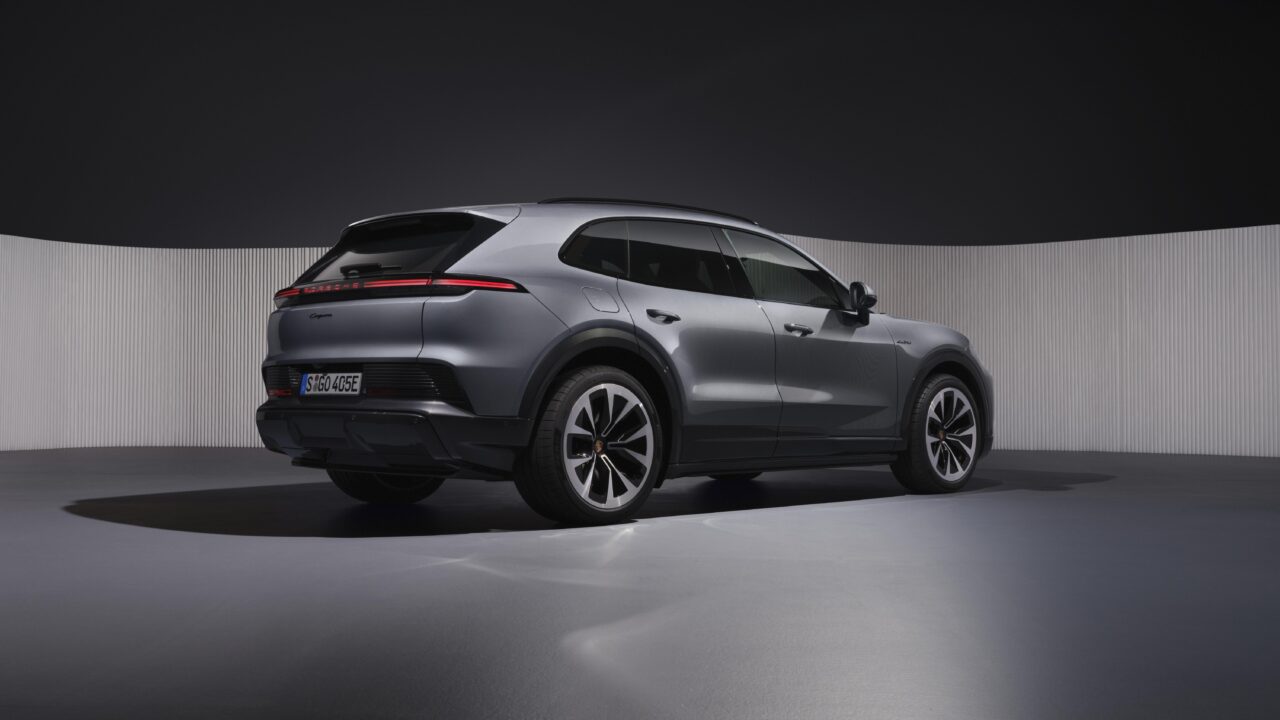
A Taycan Owner Explains What Makes Active Ride So Impressive
The part of this news that excites me most is the possibility that the next-generation ICE Cayenne could get Active Ride.
My Taycan Turbo GT is equipped with Active Ride. Honestly, this suspension delivers a ride like a magic carpet. It’s firm, yet the car barely moves. That might sound contradictory, but I think it’s something you have to experience for yourself. Even over the sharp bump at a convenience-store driveway—the kind that usually gives you a jolt—the coffee in the cupholder stays put. You feel almost no movement through the body.
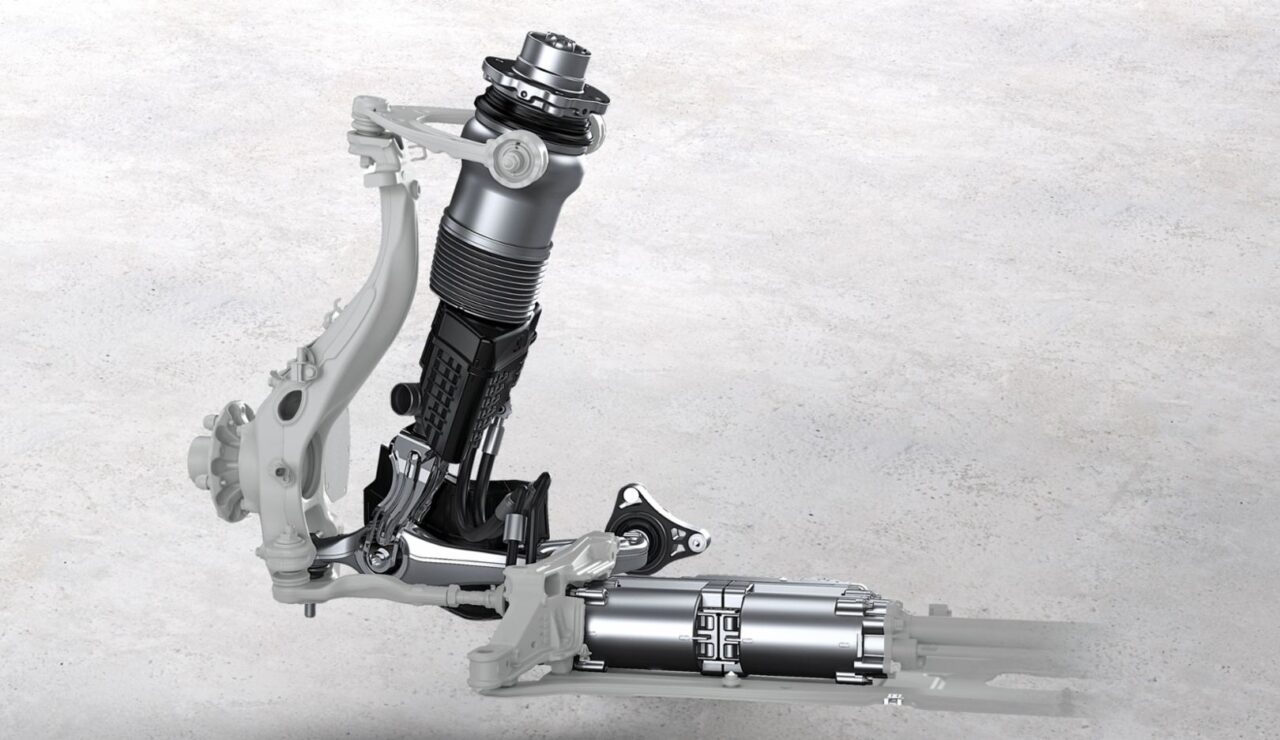
Active Ride uses an electro-hydraulic pump at each wheel to actively control damper pressure up to 13 times per second. It eliminates conventional anti-roll bars and independently controls all four wheels, keeping both body roll and pitch close to zero. The system can generate more than 2,300 pounds of force at each corner. Rather than simply “absorbing” bumps so they don’t reach the body, it actively “cancels” them out. The result is a chassis in a class of its own. On mountain roads, I find the Taycan Turbo GT even more agile than a GT3, yet on the highway it delivers limousine-like comfort.
The Power Question: Could Active Ride Be Hybrid-Only?
There is, however, one concern: the power supply.
Active Ride is a power-hungry system. At peak demand, it is said to need as much as 34 horsepower (around 25 kW), requiring power from a 400-volt high-voltage battery. At present, Active Ride is available only on the Taycan, Cayenne Electric, and Panamera e-Hybrid—all EVs or plug-in hybrids with large-capacity batteries. It isn’t offered on pure ICE models.
So what might that mean for the next-generation ICE Cayenne?
Keller also spoke about “enhancing the integration of hybrid systems.” My guess is that if Active Ride is offered, it could be limited to plug-in hybrid grades, much like the Panamera e-Hybrid. A 48-volt mild-hybrid system may not have enough capacity to power it on a conventional gasoline model. Perhaps the next Cayenne will follow the same approach, making the PHEV the only version with Active Ride—and giving buyers a clear reason to choose the hybrid if they want this suspension. Either way, making Active Ride available on an ICE-powered Cayenne would be a major step forward.
The Cayenne Is the Right Size as It Is
Keller made another interesting comment: “The Cayenne has always been best as a compact car. We’ll keep that concept for the next generation, too.”
Of course, many Japanese drivers might wonder, “What’s compact about the Cayenne?” It’s more than 1,980 mm wide, and in Tokyo’s coin-operated parking lots it can stick out beyond the marked space. When I owned a Cayenne E-Hybrid, I was always mindful of how difficult it could be to maneuver on narrow roads. “Compact” by German standards is a different matter on Japan’s roads.
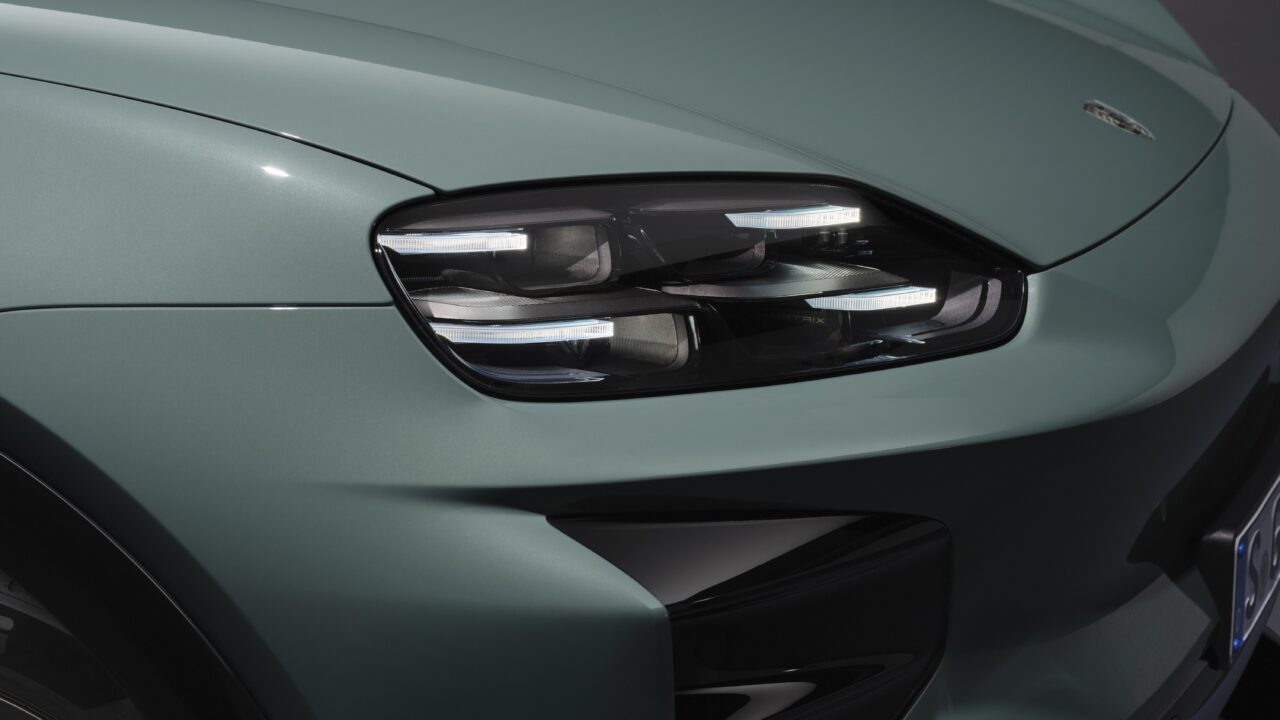
What Keller likely means is that the K1 flagship will take on the role of a larger SUV, while the Cayenne won’t grow any bigger. I’m all for that. The Cayenne’s appeal lies in delivering 911-inspired sportiness in a package of this size. Buyers who want three rows will have the K1, while those seeking the Cayenne’s true sporting-SUV character can look forward to a fourth generation that retains today’s proportions. With EV and ICE models sharing the lineup—and the K1 serving a distinct role—Porsche’s SUV strategy is finally coming into focus. I can’t wait to see Active Ride arrive on the next-generation ICE Cayenne.

If you enjoy this blog, follow along.
Comment ( 0 )
Trackbacks are closed.
No comments yet.