

Porsche’s 99% Profit Collapse: A Taycan Owner on What Really Went Wrong
Published:

コンテンツ
Porsche’s 99% Operating Profit Collapse: The Reality
I had to read the figures twice.
According to Porsche AG’s consolidated results for January through September 2025, operating profit plunged from €4.035 billion in the same period last year to just €40 million. That’s a staggering 99% decline in operating profit. In the third quarter alone, Porsche recorded a loss of around €967 million—roughly ¥170 billion. Several factors contributed, including around €2.7 billion in EV-related inventory write-downs and strategic restructuring costs, weak sales in China, and higher U.S. tariffs. CFO Jochen Breckner said that “2025 will be the bottom” and that visible improvement is expected from 2026 onward. Even so, all eyes are on the full-year results, due to be announced on March 11.
EVs Are Brilliant. Porsche Got the Sales Strategy Wrong
The views that follow are my own.
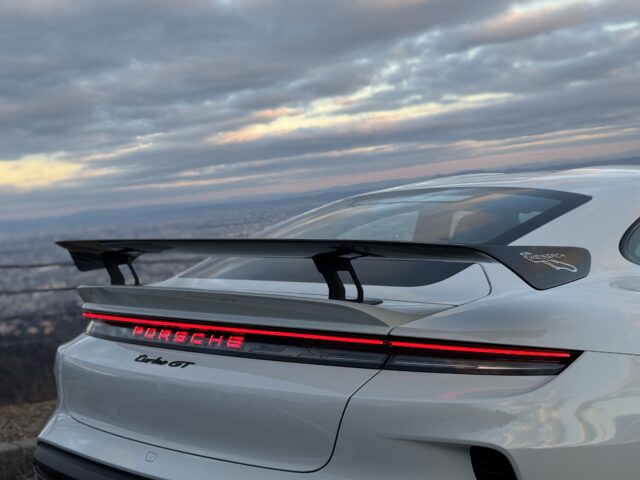
First, I want to make one thing clear: Porsche’s EVs are genuinely excellent cars. We have two Taycans at home: a Taycan Turbo GT and my wife’s Taycan 4S Cross Turismo. Both are a joy to drive. Their acceleration is smooth and forceful, the steering responds like an extension of your hands and feet, and the chassis has the polish you expect from Porsche. They are exceptionally well-engineered cars. My wife’s Taycan has already covered more than 35,000 km, and it still impresses me every time I drive it.
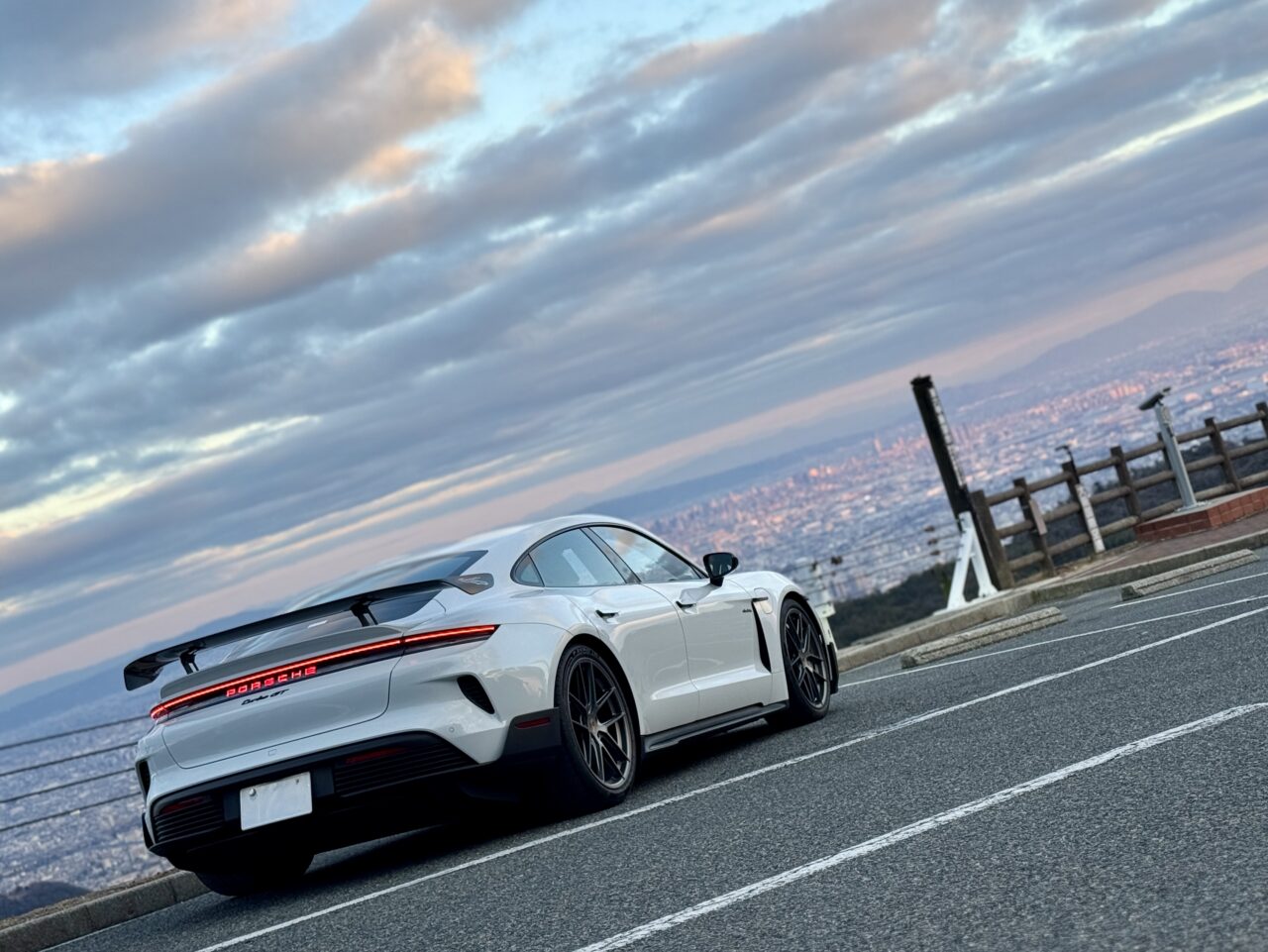
I think the problem wasn’t the cars themselves, but how they were sold. Want a GT3? First, buy an EV. That kind of forced-bundle sales approach flooded the market with EVs people hadn’t actually wanted in the first place.
Supply far outstripped demand. Resale values naturally went into freefall, putting off more and more people who might otherwise have bought new. And so the cycle began.
Why Porsche Is Struggling to Win in China
Another major reason for Porsche’s troubles is its struggle in the Chinese market.
Unlike internal-combustion engines, batteries and electric motors are relatively easy to scale up to close the performance gap. Give an EV a larger battery and more powerful motors, and you can build something faster than a Porsche for a fraction of the price. Of course, Porsche’s appeal isn’t limited to its 0–100 km/h time. There’s the road feel coming through the steering wheel, the sense of connection with the car that you feel in your hands. Porsche’s true value lies in qualities that don’t show up in the specs and only become clear from behind the wheel. But for the average consumer, obvious speed and obvious convenience have far greater appeal.
Even more damaging is the gap in infotainment technology. Today’s Chinese cars offer Tesla-like user interfaces, along with automated parking and driving features. Their comfortable seats and abundance of clever features are impressive, too. How do German cars compare? Even starting the climate control remotely can fail, and trip data may not show up in the smartphone app. They still fall short on the basics. I’ve run into similar frustrations with the Taycan app myself. The cars are among the best in the world to drive, but their software is clearly behind the competition. In that light, isn’t it only natural for Chinese consumers to choose homegrown brands?
The EU’s Tightening Regulations: A Trap of Its Own Making
So what’s at the root of this situation?
I believe it lies in the EU’s overly stringent emissions regulations. Europe has continued to tighten the rules, including Euro 7, which is set to take effect in the second half of this year. Protecting the environment is, of course, important. But the result seems to be that Germany is trying to dismantle, with its own hands, the engine culture it has long been proud to share with the world. Porsche flat-sixes, AMG V8s, BMW straight-sixes—car enthusiasts around the world love the driving excitement these engines deliver.
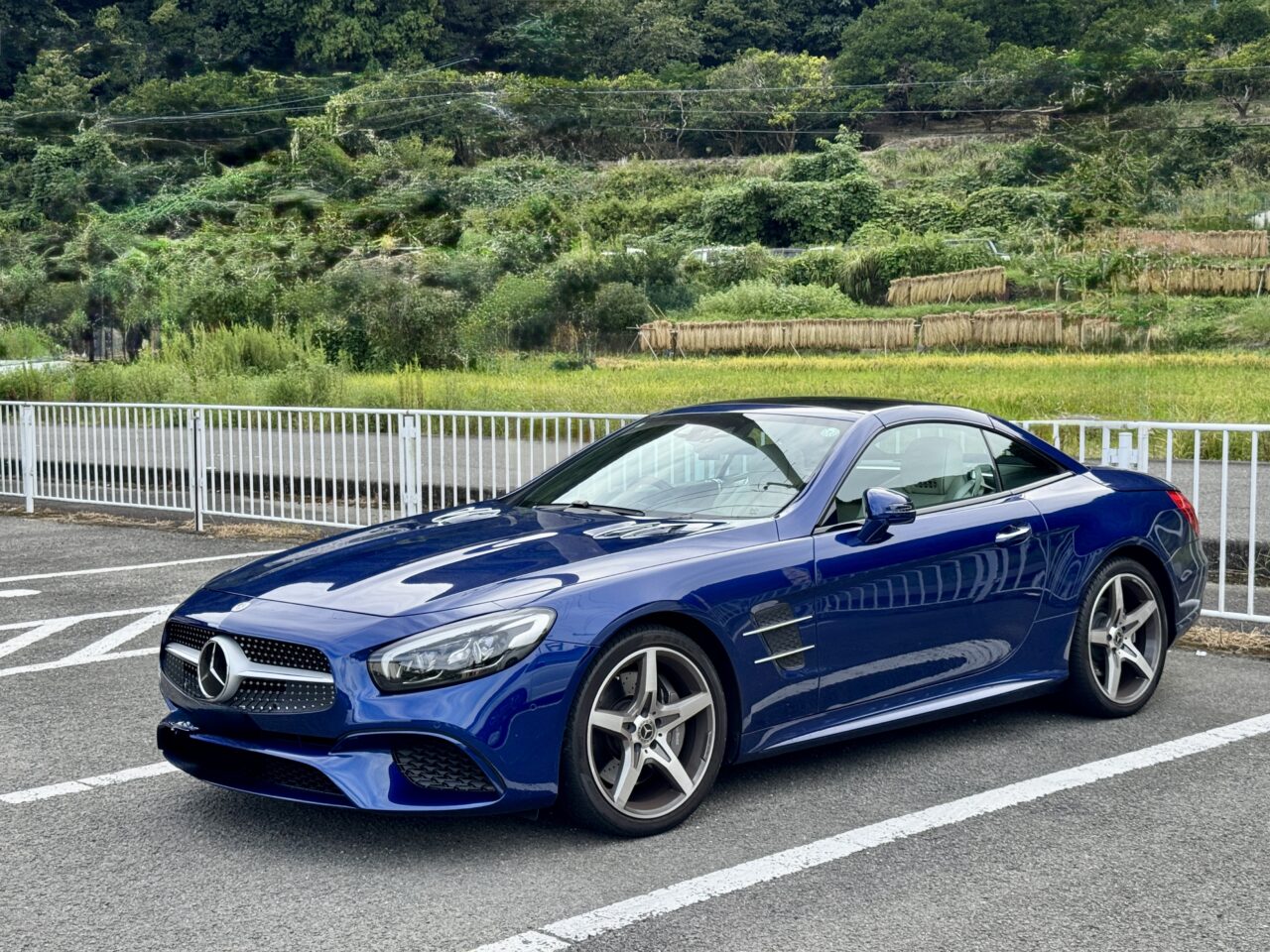
Modern engines adapted to meet regulations are losing some of the character that once made them special. Transmissions gain more gears to improve fuel economy; throttle response is softened to meet emissions targets; exhaust notes are muted. Honestly, it makes me wonder: at that point, why not just go electric? I’ve found myself thinking the same thing after test-driving new cars lately. But the moment German automakers enter the EV arena, they find Tesla and Chinese manufacturers already way out in front. They’re being forced to compete on ground that isn’t their own.
Porsche’s 99% plunge in operating profit looks less like a problem at one company and more like a symptom of structural problems created by EU policy. Protecting the environment matters. But aren’t the car cultures built around flat-sixes, V8s and V12s a kind of cultural heritage in their own right? The emissions from tens of thousands of sports cars a year are tiny in the context of overall emissions. When we weigh what we gain against what we stand to lose by tightening the screws this far, it’s hard not to ask whether this is really the right approach. What do you think?

If you enjoy this blog, follow along.
Comment ( 0 )
Trackbacks are closed.
No comments yet.