

Porsche Taycan Turbo GT Breaks the 2-Second Barrier from 0–60 mph
公開日:

コンテンツ
The Porsche Taycan Turbo GT’s Astonishing Acceleration
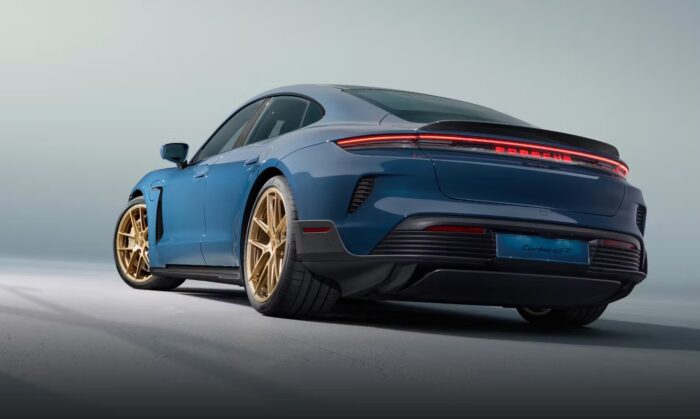
Porsche’s electric sports car, the Taycan Turbo GT, has reportedly set an astonishing record in Car and Driver’s acceleration testing. It completed the 0–60 mph sprint in an incredible 1.9 seconds, breaking the two-second barrier. According to the magazine, it’s the quickest time in its 69-year history.
What’s more, the Taycan Turbo GT beats its published 2.2-second figure in real-world testing—a result worthy of Porsche.
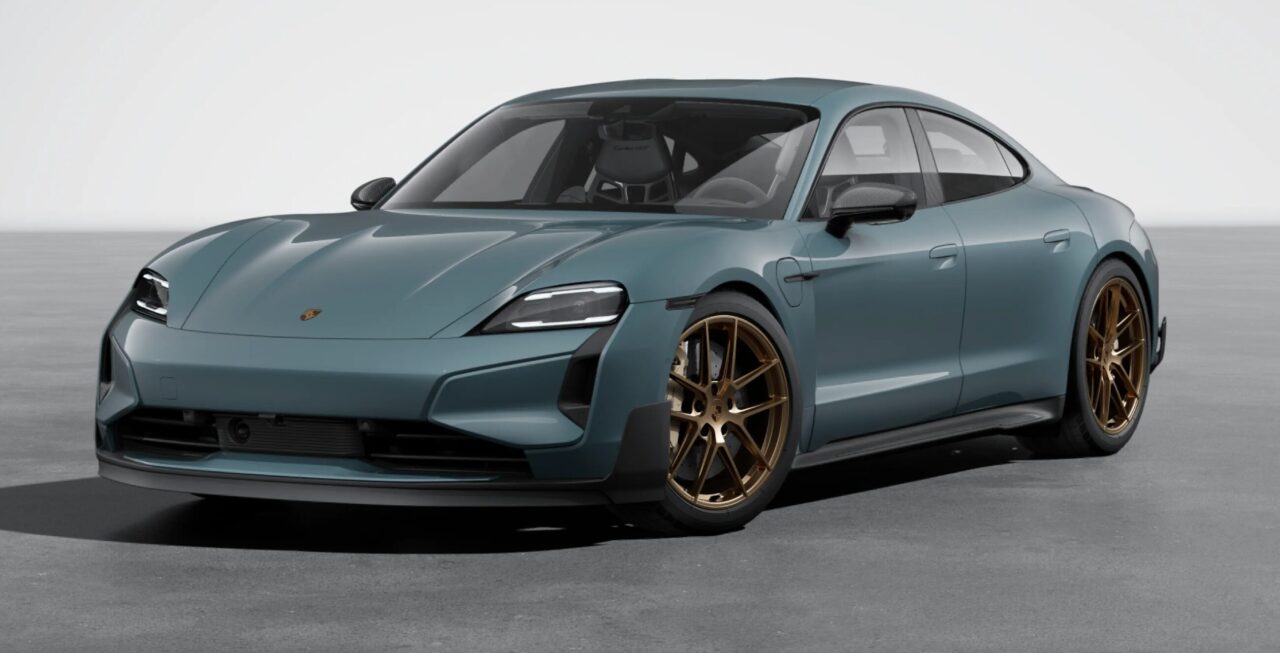
The result tops those of the Lucid Air Sapphire and Tesla Model S Plaid, as well as the Ferrari SF90, which previously held the magazine’s acceleration record. What makes the feat even more impressive is that the test car didn’t have the lightweight Weissach package. With that package fitted, the Taycan Turbo GT could potentially go even quicker.
Consistent, Repeatable Acceleration
According to Dave VanderWerp of Car and Driver, this wasn’t a one-off result—the Taycan Turbo GT delivered highly repeatable performance. The magazine accounts for factors such as wind by averaging the quickest times recorded in both directions. The car posted near-identical times of 1.898 seconds in one direction and 1.910 seconds in the other, evidence of its remarkably consistent acceleration.
The results also show how Porsche’s decades of motorsport experience continue to inform its electric cars. More than 70 years of racing know-how, combined with the latest EV technology, have helped deliver performance like this.
A New Chapter in the Acceleration Arms Race
Once, the supercar benchmark was breaking the 200-mph barrier. In the 1980s, Porsche’s 959 came close, reaching 197 mph. But as more cars began exceeding 200 mph, top speed became less meaningful to all but a small group of wealthy buyers.
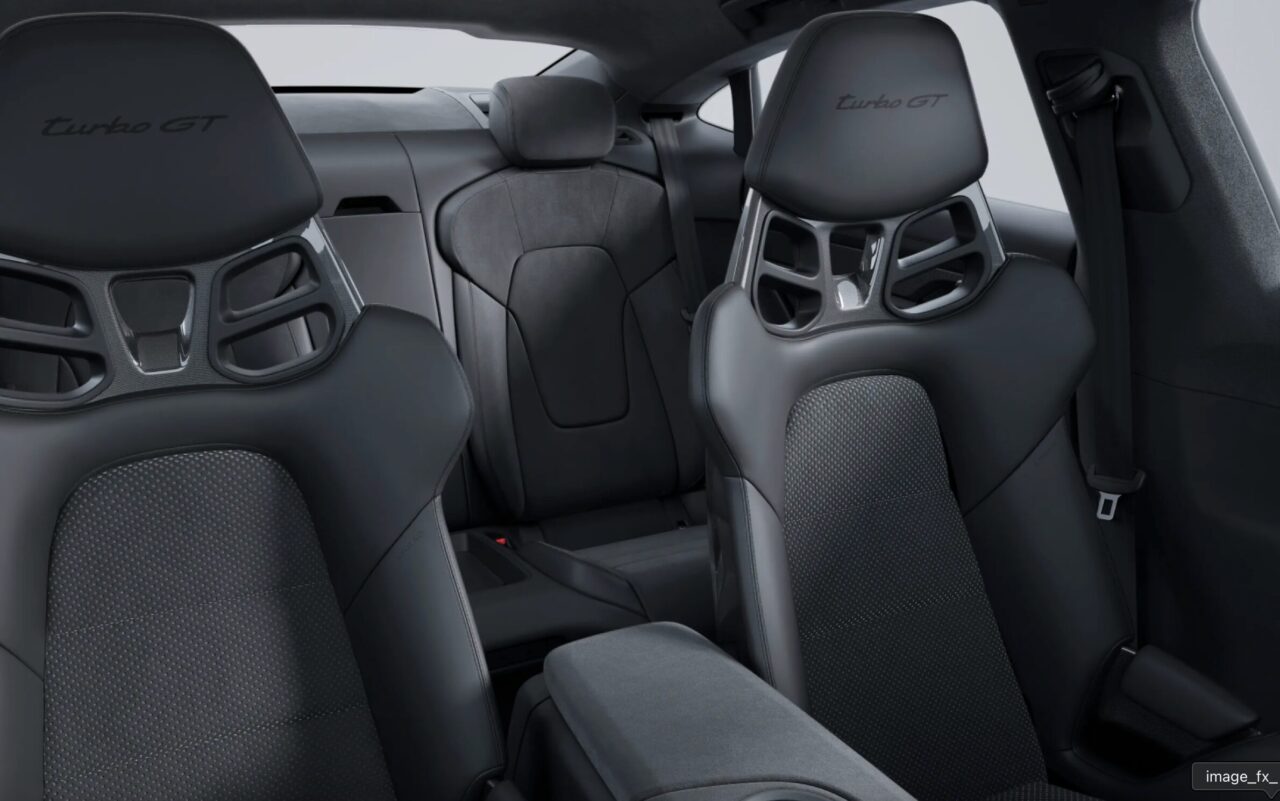
A similar shift now seems to be happening with acceleration. In the 1990s, when an ordinary economy car took around 12 seconds to reach 60 mph, a sports car doing it in five seconds was astonishing. Today, even a Toyota RAV4 plug-in hybrid can deliver that kind of acceleration, while a regular Tesla Model 3 can sprint to 60 mph in the low three-second range.
Against this backdrop, it’s fair to ask just how much a 1.9-second time really matters. Even so, Porsche’s achievement is undeniably impressive.
Porsche’s Challenge in the Electric Era
Porsche has always pursued cutting-edge technology, dating back to the days of internal-combustion engines. That hasn’t changed in the electric era. The Taycan Turbo GT’s breathtaking acceleration is proof that Porsche continues to pursue the highest levels of performance in the EV world.
But how much does that extraordinary acceleration matter on public roads? A sub-two-second launch subjects occupants to intense G-forces, raising questions about comfort. And in everyday driving, there are very few opportunities to use performance at this extreme.
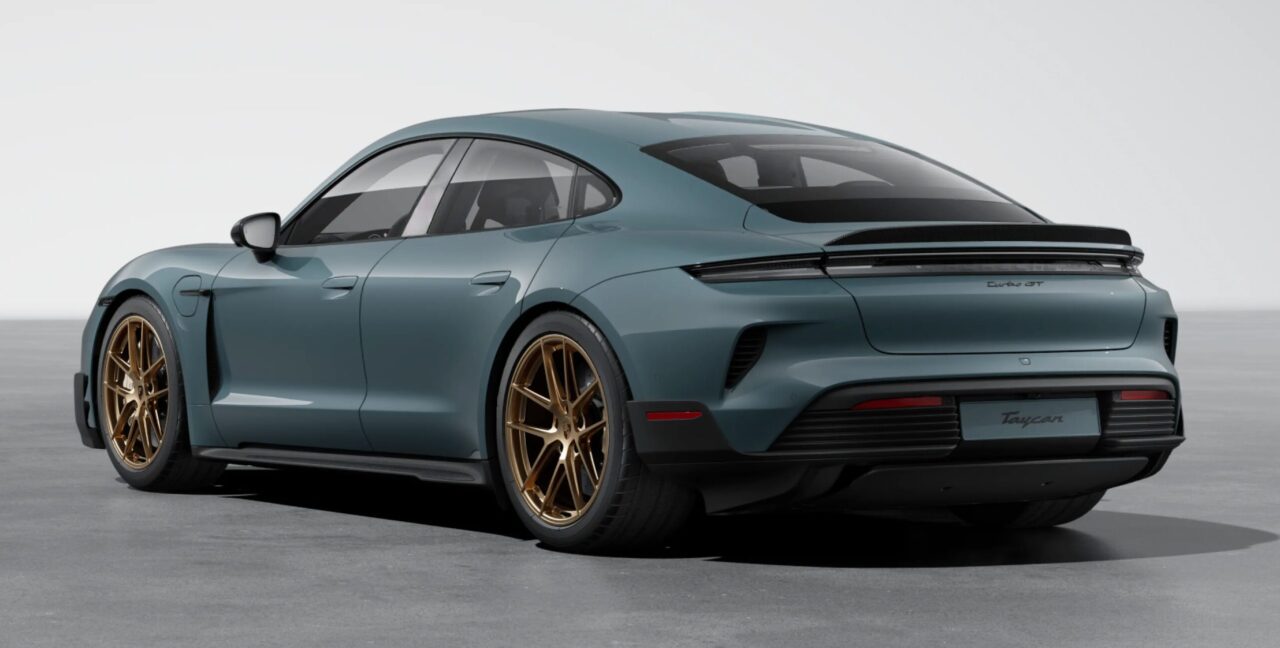
Even so, Porsche’s pursuit of records like this matters. The technology and knowledge gained while pushing performance to the limit can ultimately benefit everyday cars. Advances in EV performance can also drive practical improvements, including longer range and shorter charging times.
The Porsche Taycan Turbo GT’s remarkable acceleration record sets a new benchmark for super-sports cars in the electric era. We look forward to seeing Porsche continue to develop innovative technologies in the world of electric vehicles.

このブログが気に入ったらフォローしてね!
Comment ( 0 )
Trackbacks are closed.
No comments yet.