

Two Months with the 987 Boxster Spyder: Lightweight Feel and Sound That Make It a True Porsche
Published:

コンテンツ
Two Months of Porsche Ownership—and Nearly 3,000 km
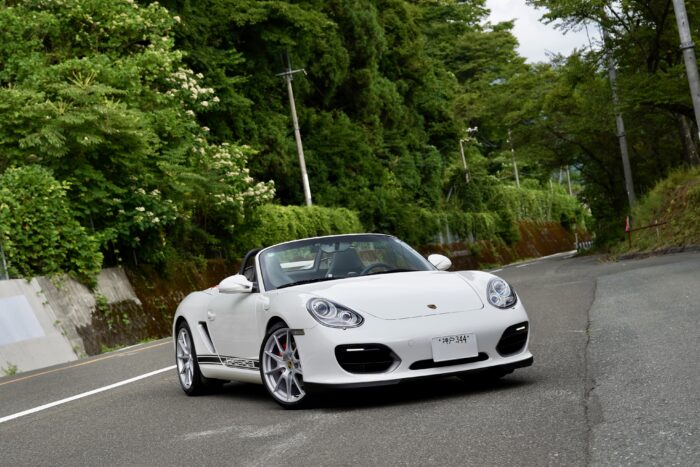
It’s been a little over two months since the 987 Boxster Spyder arrived at our home.
The odometer is already approaching 3,000 km. I’ve written a first-impressions review based on a test drive, but living with the car day to day has revealed a very different side of it.
I wanted to take a moment to capture how it feels now.
My first impression was simple: this car is incredibly light. A lightweight, agile Porsche—that’s what it comes down to.
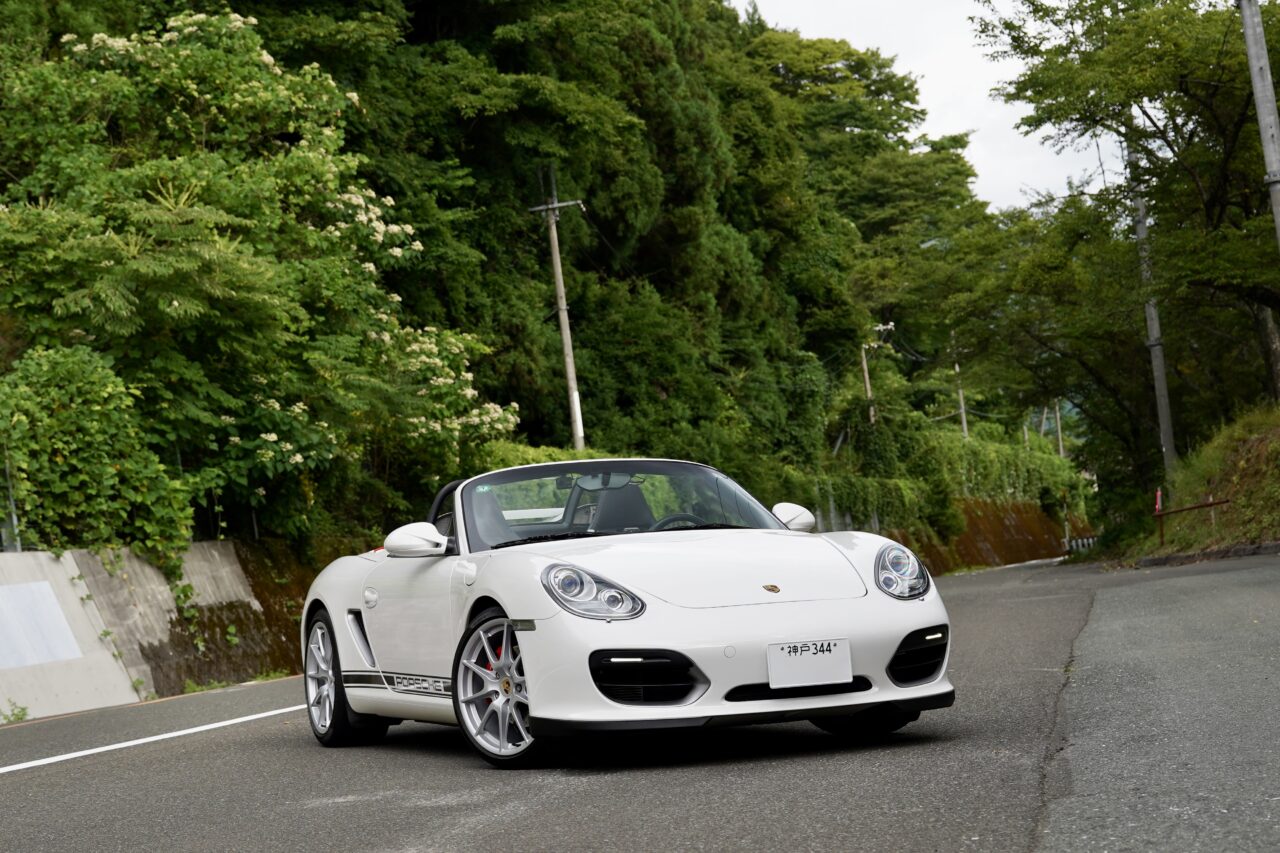
And lately, it feels even lighter. When I took delivery, it came with the 19-inch SportDesign wheels fitted as standard on Japanese-market models. I’ve since swapped them for the Boxster Spyder-specific wheels offered in the home-market specification.
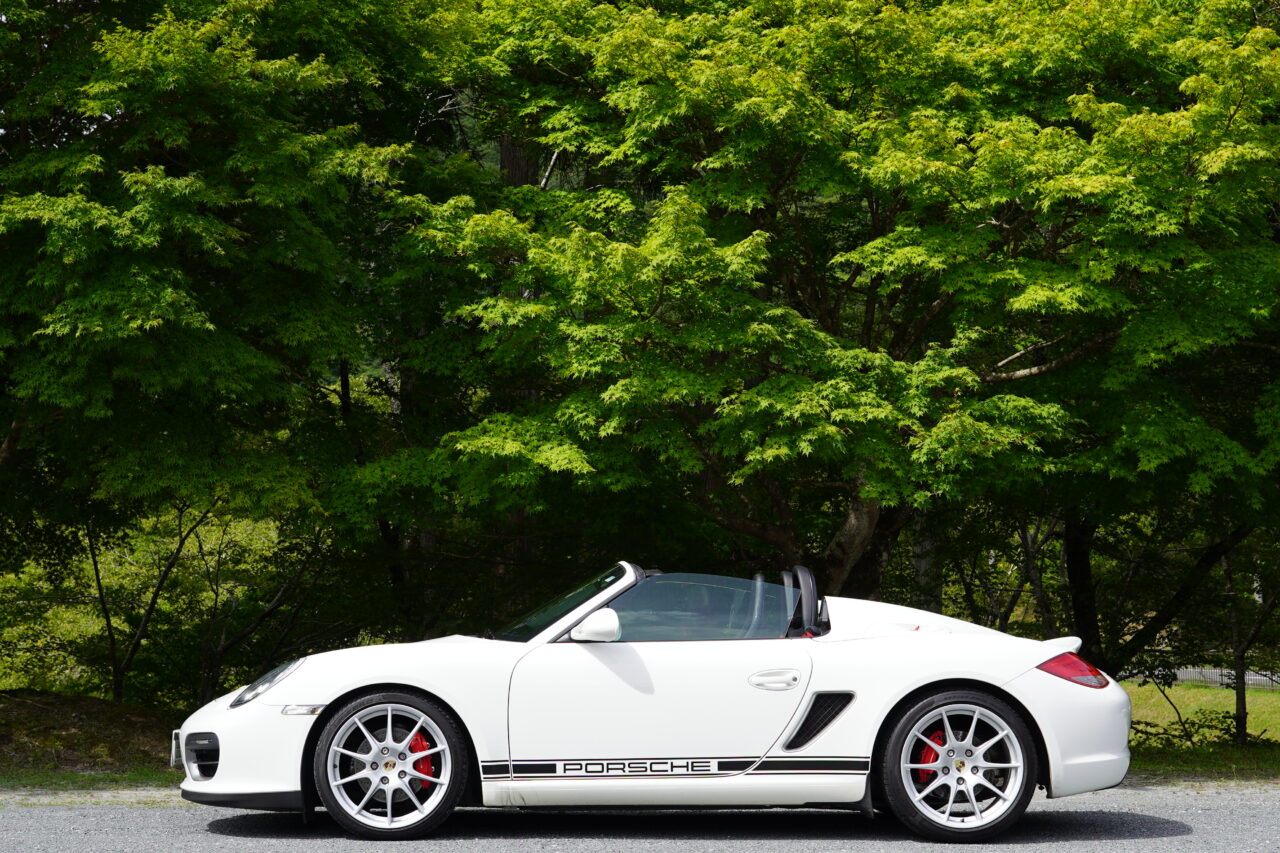
These wheels are more different from the Japanese-market ones than I expected. The home-market wheels are half an inch wider at both the front and rear, with a slightly more outward offset. The wider rims stretch the tires a little, giving them a slightly broader contact patch. What’s more, these wheels were developed specifically for the Spyder and are said to weigh 1 to 1.5 kg less each. I could feel the difference from the very first turn of the wheels. Steering at low speeds was noticeably lighter, almost like a Porsche equipped with Power Steering Plus. The whole car feels wonderfully free-rolling.
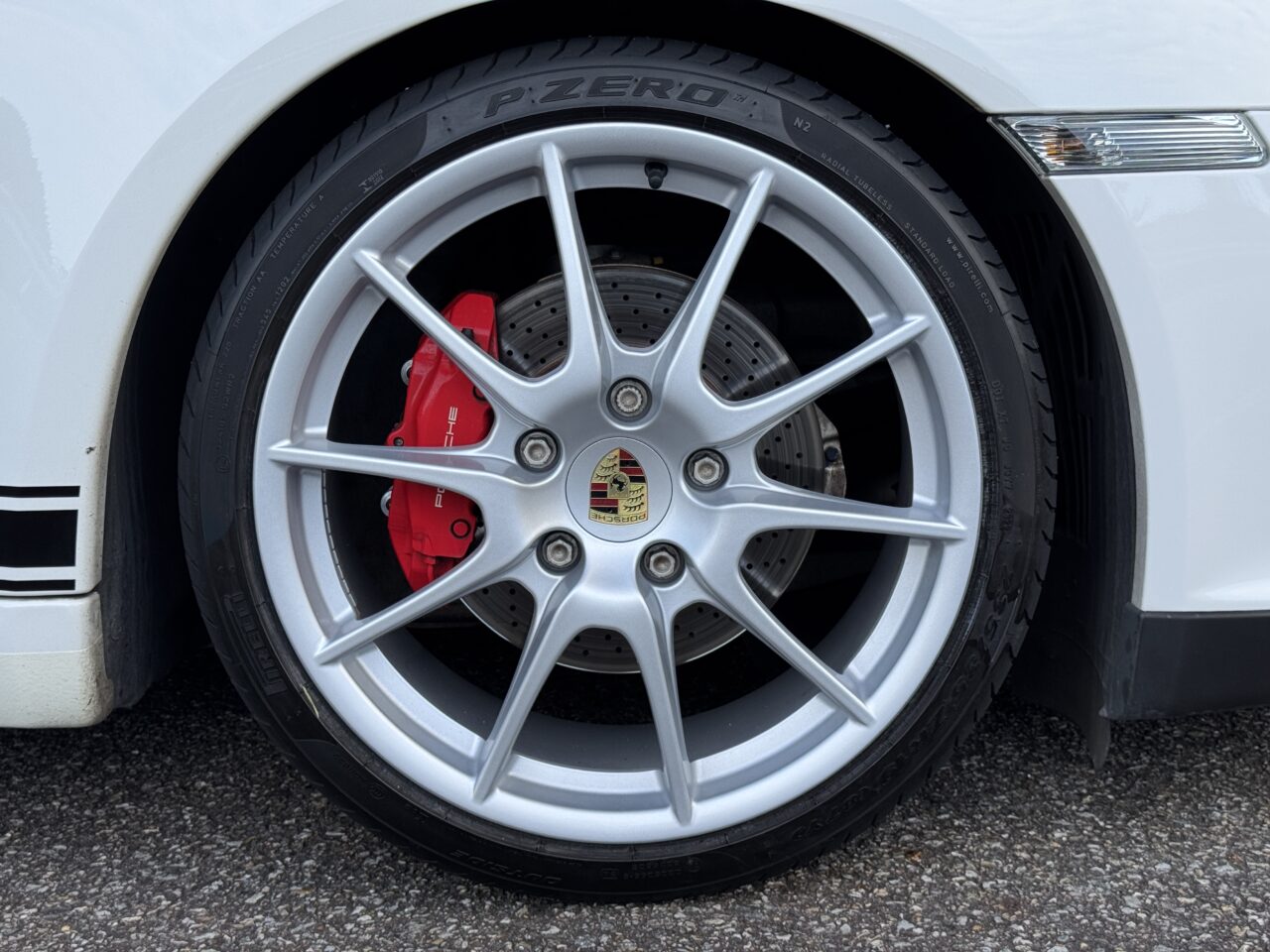
On rough roads at very low speeds, the home-market wheels feel a little busier. Still, it’s not a particularly troubling downside. On the highway or smooth pavement, by contrast, the car feels exceptionally planted and glides along with a striking smoothness. That’s one of the wheels’ real strengths. Much like the difference between cars with and without PCCB, the basic trade-off is the same: reducing unsprung weight can make rough surfaces at very low speeds feel harsher, while improving stability and ride comfort on smooth roads at speed.
Once Up to Speed, the Steering Becomes Exceptionally Precise
At low speeds, the 987 Spyder’s steering isn’t especially sharp.
If anything, it’s on the mild side. Compared with a GT3, it might even feel a little slow to respond around town. So if you’re just pottering around the city, it doesn’t feel dramatically different from a regular Boxster or Cayman. But once you’re up to 40 or 50 km/h, the steering transforms into something remarkably precise. Other Boxsters and Caymans should, in principle, be set up along similar lines, but in the Spyder the change is unmistakable.
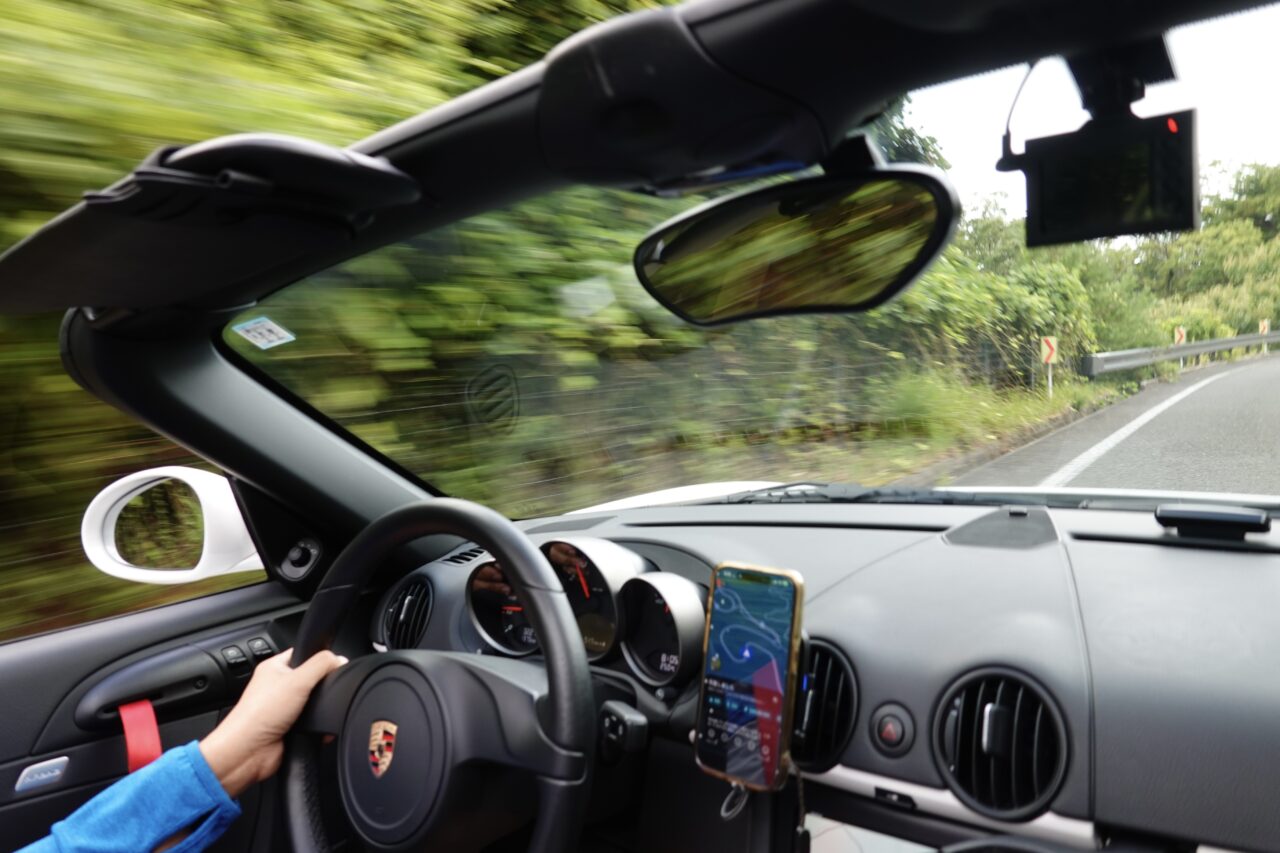
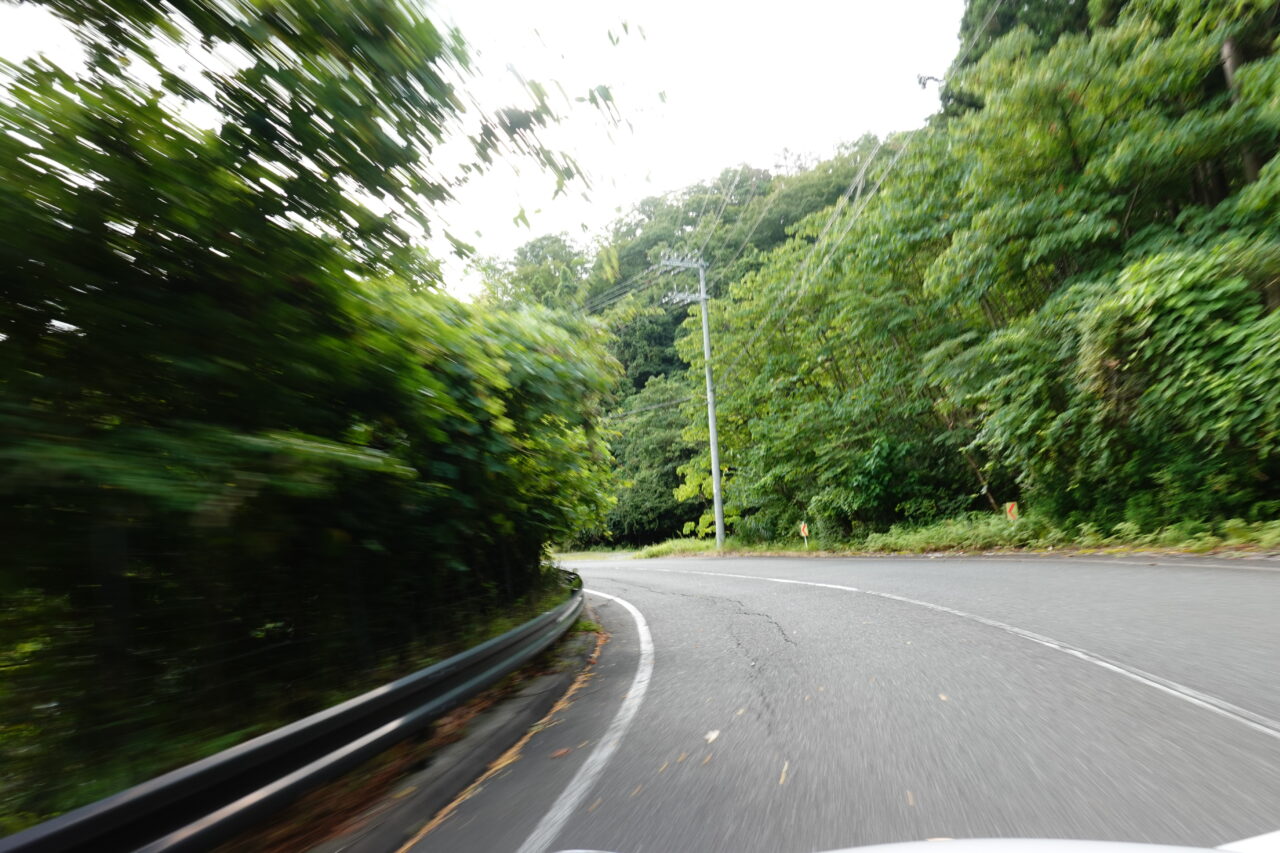
On a winding road, the Spyder is in its element.
The feedback from its hydraulic steering—the natural resistance and that satisfying tendency to return to center—feels fantastic. You can sense the road surface and the tires as if they were right in your hands. That makes every corner a joy. The way it pivots around, almost like a spinning top, is a thrill unlike anything else. Its light weight keeps body roll in check, so it corners with a low, composed stance. You get a strong sense of sitting low, just behind the front tires, and the connection between car and driver is more intimate than anything you’re likely to experience in a modern Porsche.
More Porsche Than Today’s 911?
Whenever I write about the Boxster or Cayman, someone is sure to remind me that Porsche means the 911.
I understand the sentiment, but having driven 911s from every generation, I’ve come to see the newer cars a little differently. The distinctive feel of a rear-engine, rear-wheel-drive car has largely disappeared from today’s 911. From the air-cooled era through the 996 and 997, the weight at the rear was unmistakable, giving the cars a character that felt unmistakably 911. Today’s 911 has evolved so far that it feels almost like a different kind of Porsche.
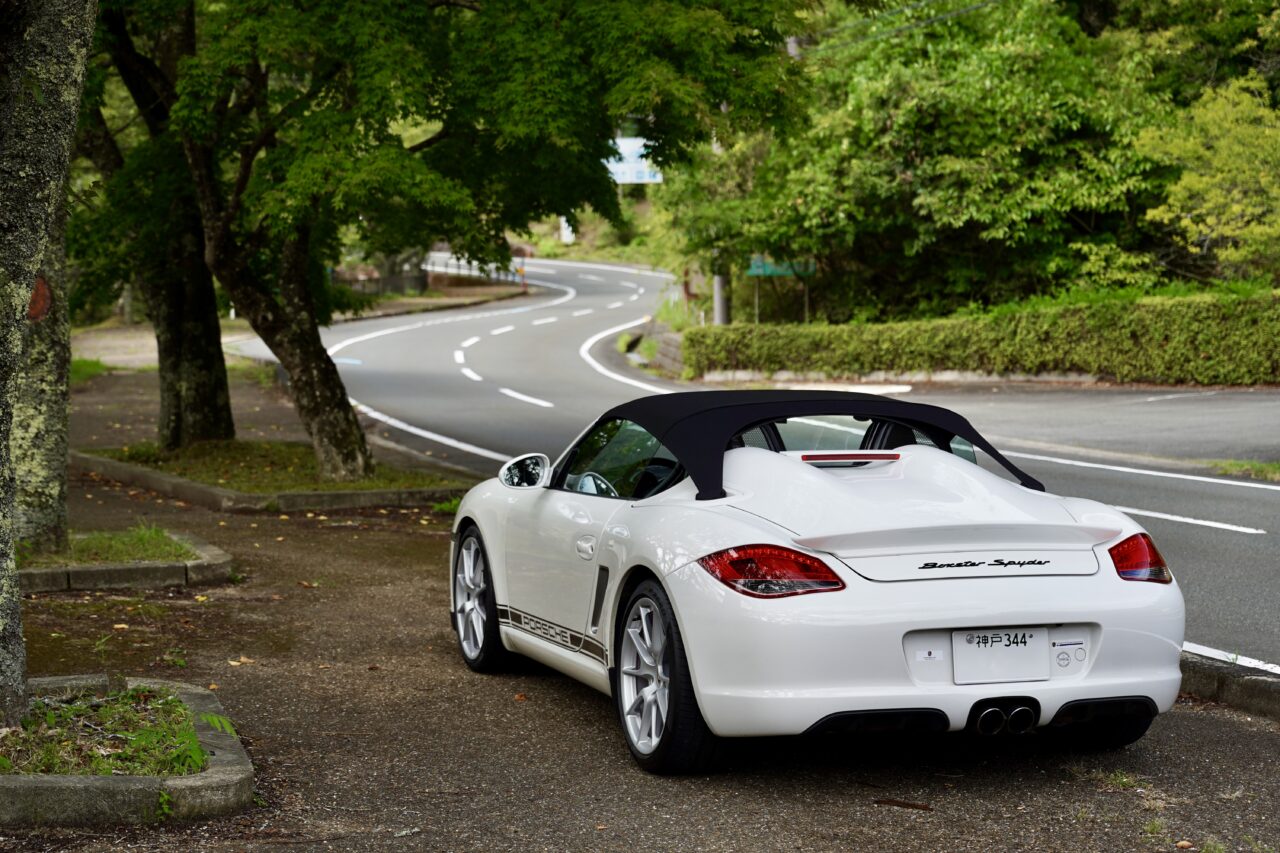
I’m not saying the 987 Boxster Spyder feels like a 911.
But the classic Porsche driving character is far more pronounced here. Isn’t that ultimately why so many critics and Porsche enthusiasts rave about this car? The owner of the dealership where I bought it told me, “This is what a Porsche should feel like.” There’s an expression, “wearing a Porsche,” and this is a car that makes you understand exactly what that means.
The Gearing in Second and Third—and a Live Flat-Six Performance
The pleasure of driving this car isn’t just about handling.
It’s also about the gearing and the sound. The ratios in second and third aren’t as tall as they are in the 981 and later models, so you can enjoy revving the engine on public roads. Third gear is especially well judged; just cruising lightly around 4,000 to 5,000 rpm is a pleasure. It’s a sensation that’s hard to find in newer models.
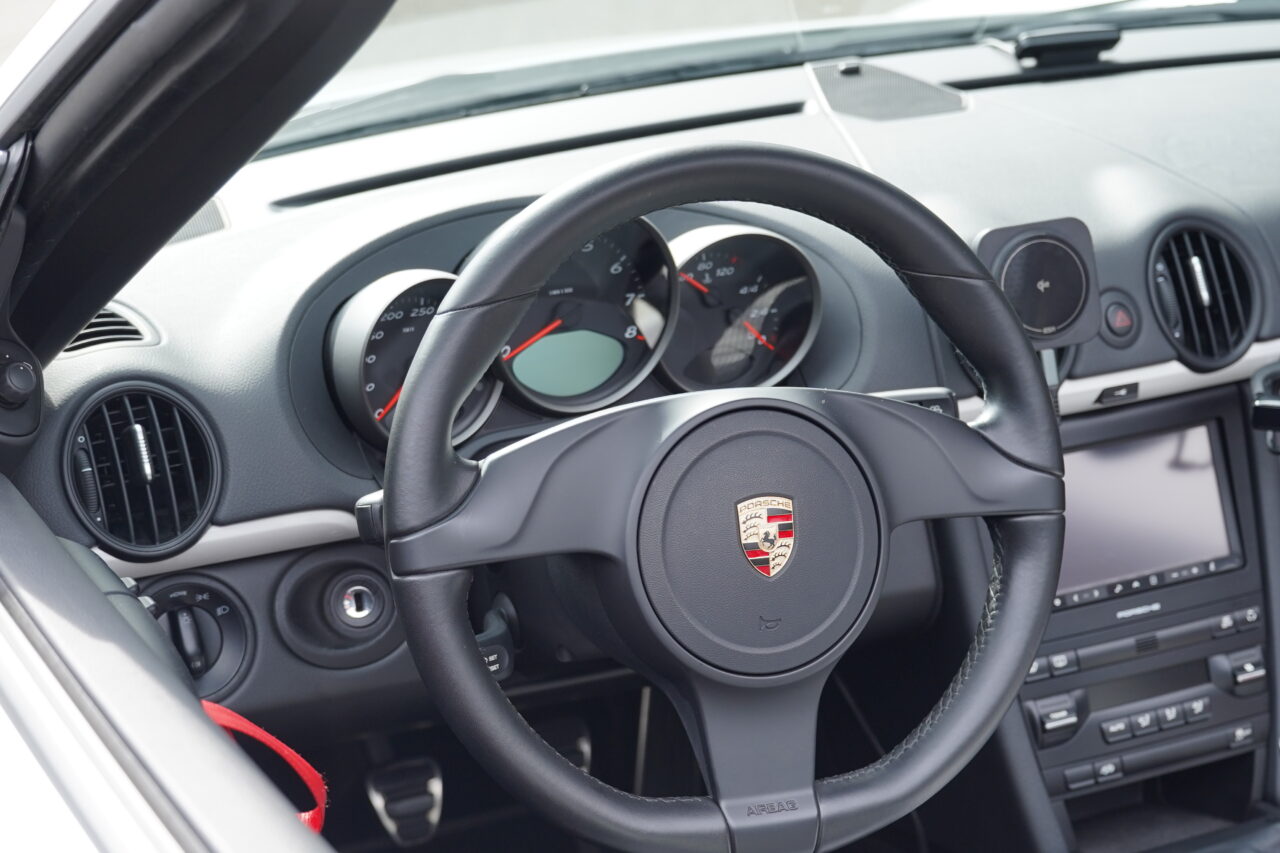
This particular car also has the Sport Exhaust. Switch it on and it produces a wonderful sound. There’s no exaggerated popping, and it doesn’t sound artificial, either. It’s like listening to a live performance by a flat-six. The notes are even and beautifully tuned, carrying on without ever tiring your ears, even after hours behind the wheel. Lightness, connection, and that sound: together, they make this one of the finest Porsches out there. Then again, that’s exactly why I bought it.
A Car That Quickly Bonds with Its Driver
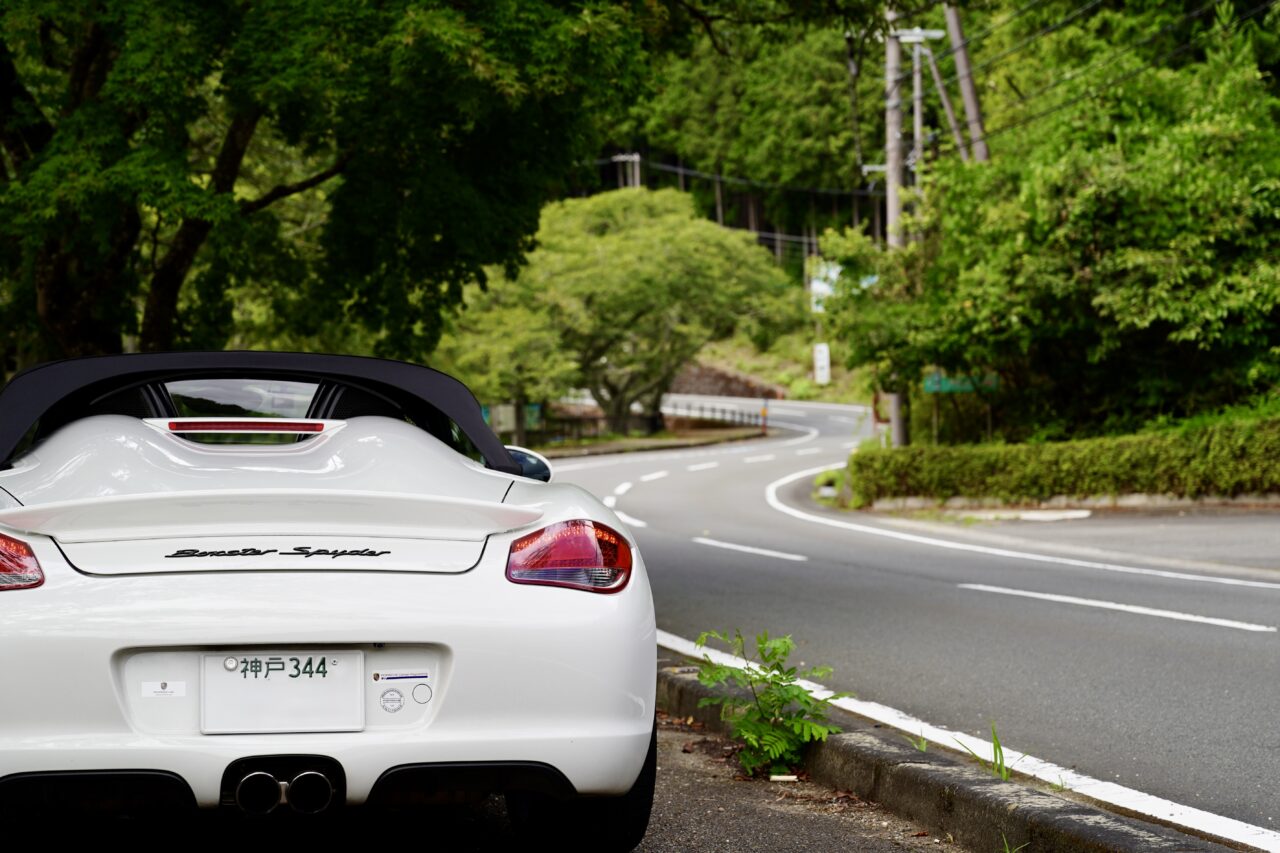
My wife came up with a lovely way to describe the car.
She called it “a good kid who takes to you right away.” When she drove a Mazda Roadster (MX-5) before, she said it was a car that quickly bonded with its driver. In other words, even on your first drive, you can handle it as if it were your own, without needing to brace yourself. She used the same words to describe the 987 Spyder.
I know exactly what she means. From my very first test drive, it felt as familiar as a car I’d owned for ten years. It turns, accelerates, and stops just the way you expect. The bucket seats are a little smaller than those in the 991 generation and newer models, and the seating position is slightly higher. But that works perfectly for my build, making it easy to find an ideal driving position. My wife says it’s easy to drive, too.
I’ve also made a change to the seats recently. I ordered Pepita-pattern seat cushions from a specialist in the UK, who covered new genuine Porsche foam with the fabric. They’ve improved the comfort and taken care of the worn-out cushioning. The cabin feels much brighter, and the added heritage touch seems to bring out the car’s appeal as a classic Porsche.
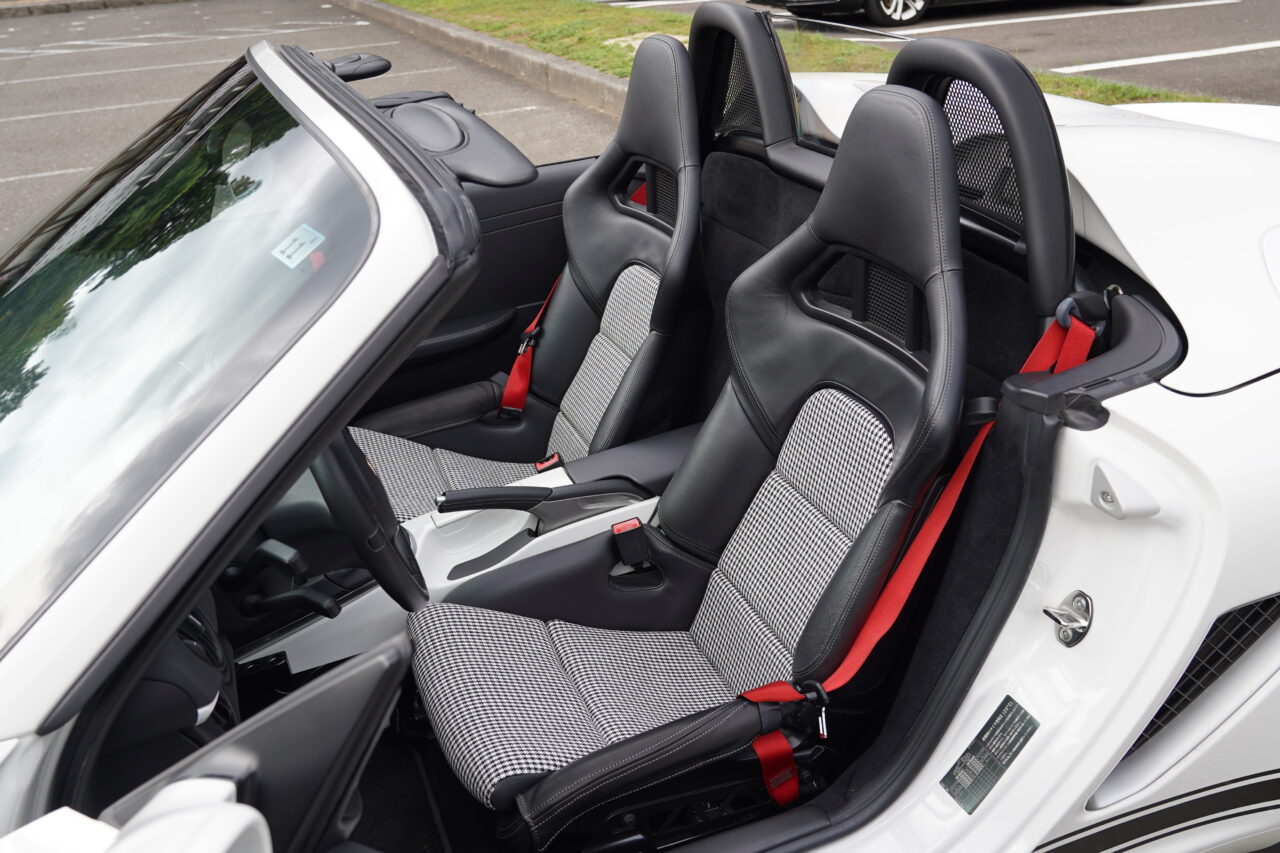
Seat cushions updated with a Pepita pattern
If You Find a Good One, I Hope You’ll Drive It
This car comes into its own on winding roads and touring trips.
That doesn’t mean it’s no good around town. The ride is far from harsh, and it’s perfectly easy to drive day to day. Still, if city driving is all you have in mind, a standard 981 or 718 would probably be more comfortable and better suited to the job. The same goes for a standard 987. The Spyder was carefully honed with winding roads and touring in mind. Take a corner at a decent pace and there’s a moment when the setup feels perfectly in tune. That’s when the car’s true character comes through.
Its original specification was deliberately pared back: a manual soft top, no air conditioning, and no audio system. It wasn’t popular at the time. Although it wasn’t a limited edition, just 1,667 were produced worldwide. Today, it has been rediscovered, and examples rarely appear on the used-car market. When one does come up, there may be only one or two available. I’ve even heard that fewer than 100 are in Japan.
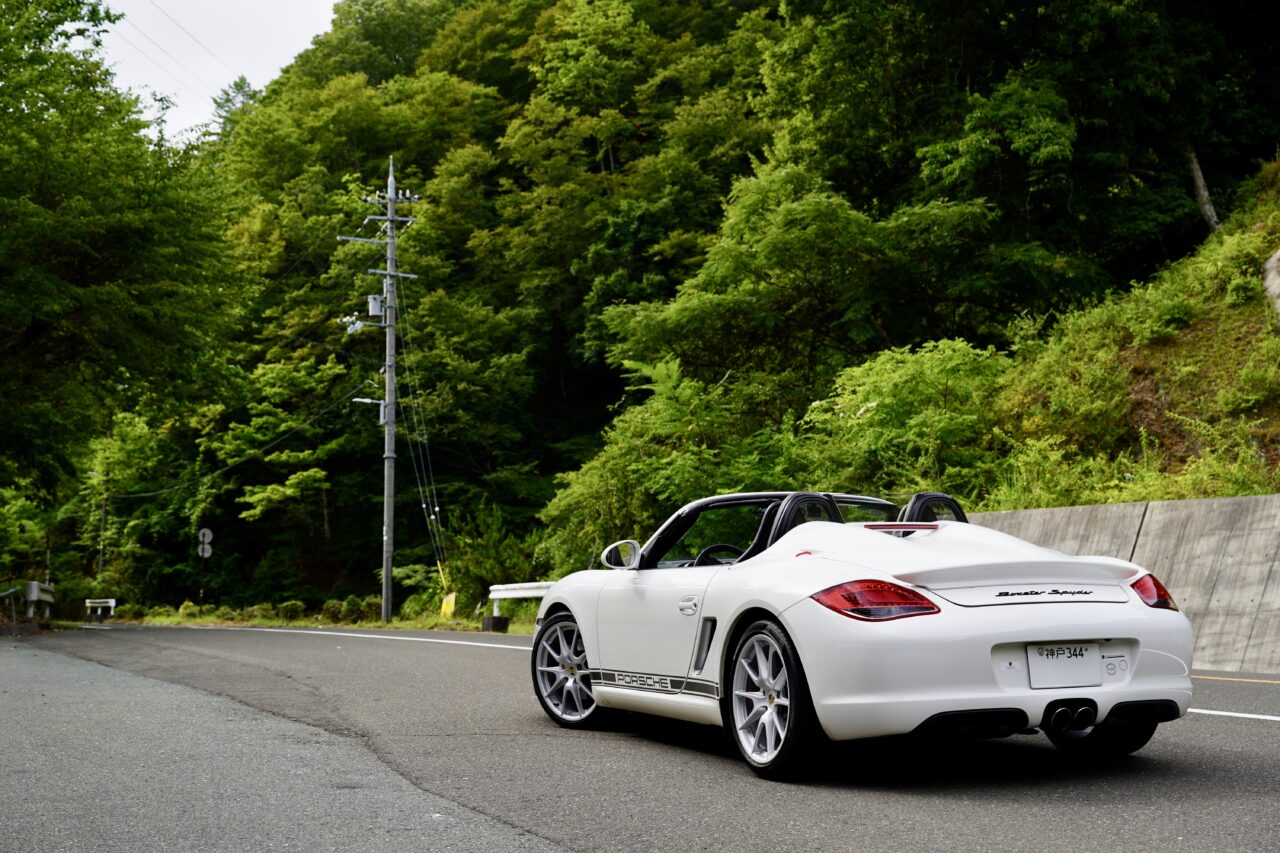
That’s why, if you find one in good condition, I’d encourage you to buy it. But there’s one condition: buy it to drive, not as a speculative investment or a collector’s piece. This car is pointless if it just sits unused. I believe the experiences you gain from driving it will enrich your life far more than waiting for its value to rise and selling it for a profit. It’s that special—a Porsche worthy of its place in history.
Finally, I’d like to share the thoughts of a friend who has driven countless Porsches and currently owns a 997 GT3, a 991 GT3, and a 993.
I slightly regret having test-driven the 987 Boxster Spyder.
Maybe I chose the “Red Pill.”
With only around 1,600 in existence worldwide, this isn’t a car you can easily get a chance to drive.
Its styling is understated, and it doesn’t have the obvious power words—air-cooled, Mezger engine, 9,000 rpm—that grab people’s attention. Parked next to a 911 or another Boxster, plenty of people might walk right past it.
But the moment you open the door, that impression changes completely. You feel the door’s ultra-lightweight aluminum construction.
Start the engine, switch on the Sport Exhaust, and shift into first. From low revs to high, the flat-six delivers a magnificent voice. Even through a slow corner, it takes a planted, almost suction-cup-like line that feels distinctly different from a 911.
Driving with only the rear section of the soft top open, like a “tarp,” is a whole different world from simply lowering the windows in a regular Boxster.
I finished the test drive grinning from ear to ear, but even a day later, I still couldn’t shake the feeling.
I should have taken the “Blue Pill” and stayed blissfully unaware.

If you enjoy this blog, follow along.
Comment ( 0 )
Trackbacks are closed.
No comments yet.