

992.2 GT3 Touring Test Drive Review Part 1|Performance Revealed After 800km Post-Delivery
公開日:

コンテンツ
800km Covered After My Brother’s GT3 Touring Delivery
My brother’s long-awaited 992.2 GT3 Touring was finally delivered.
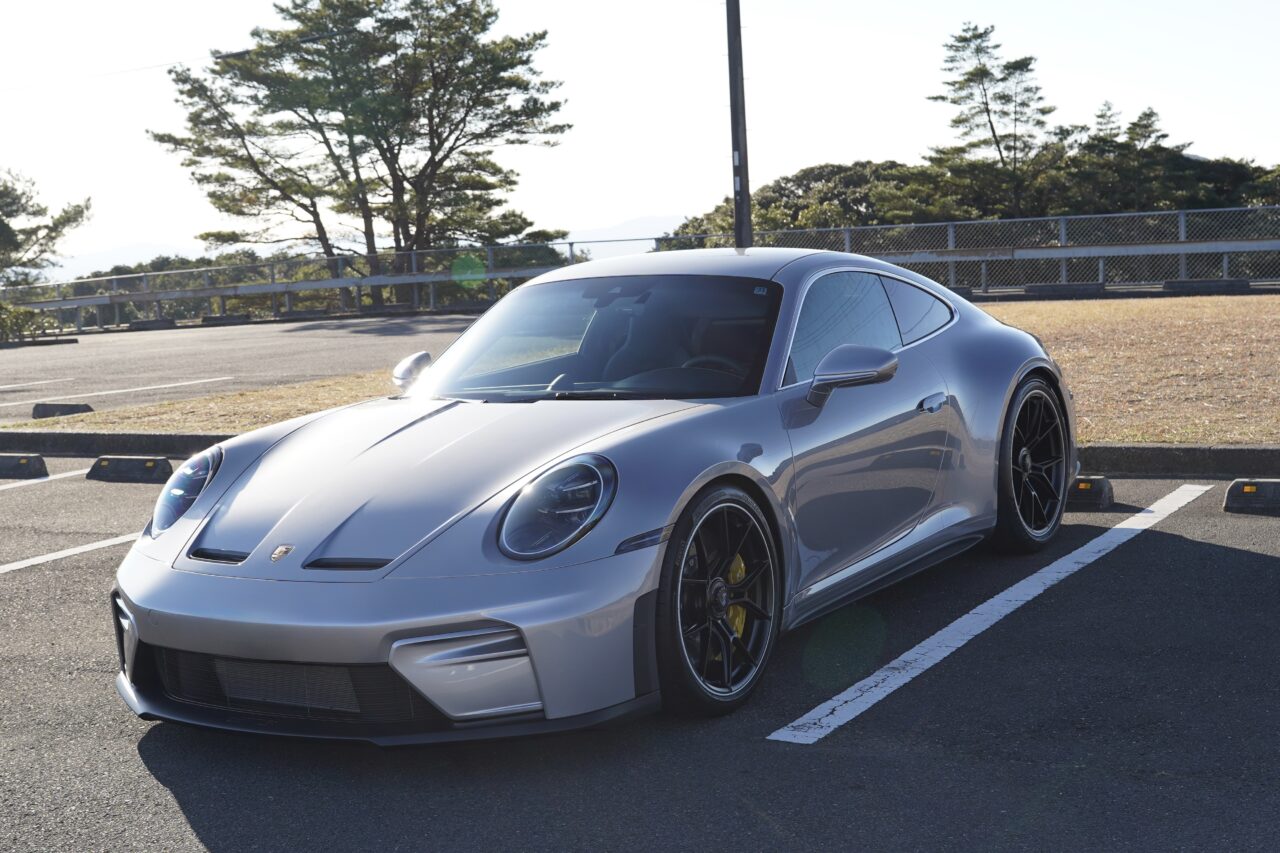
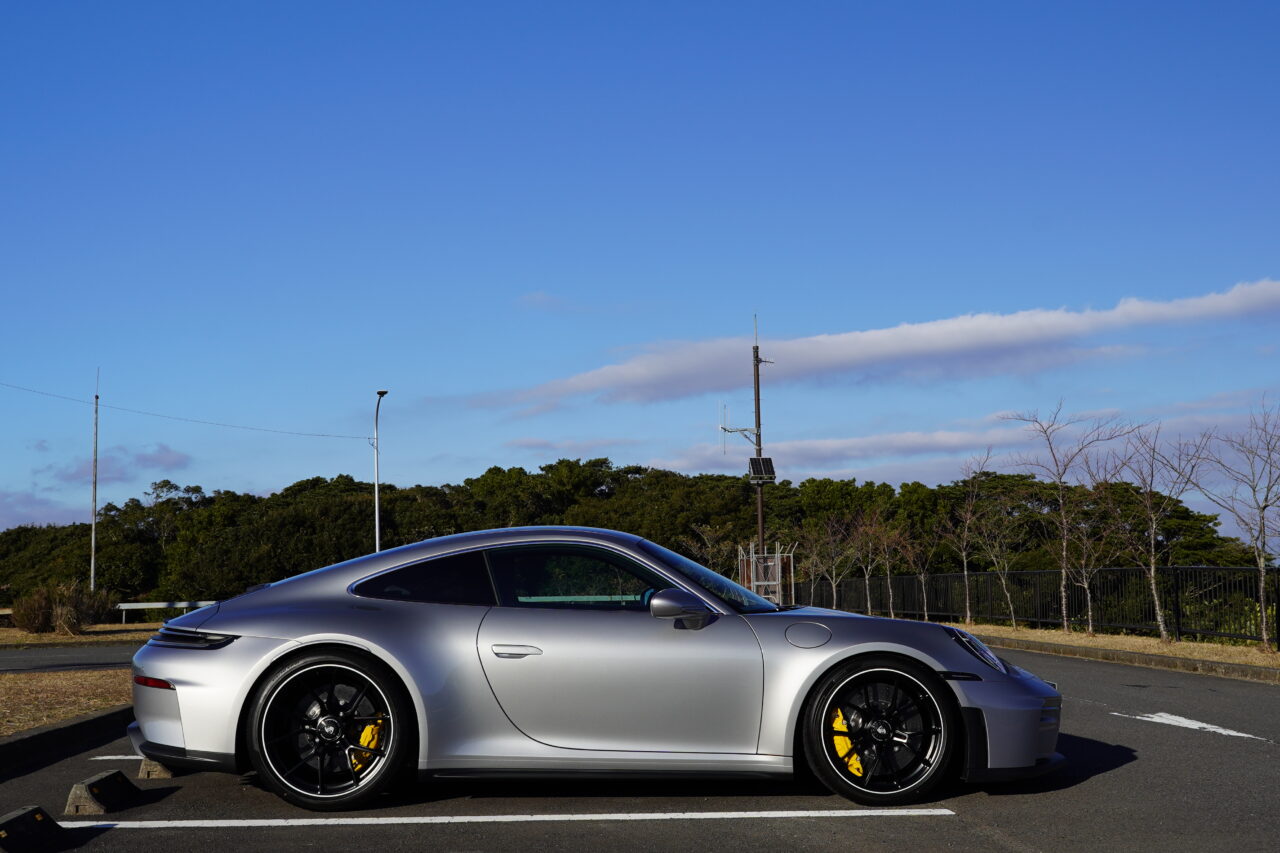
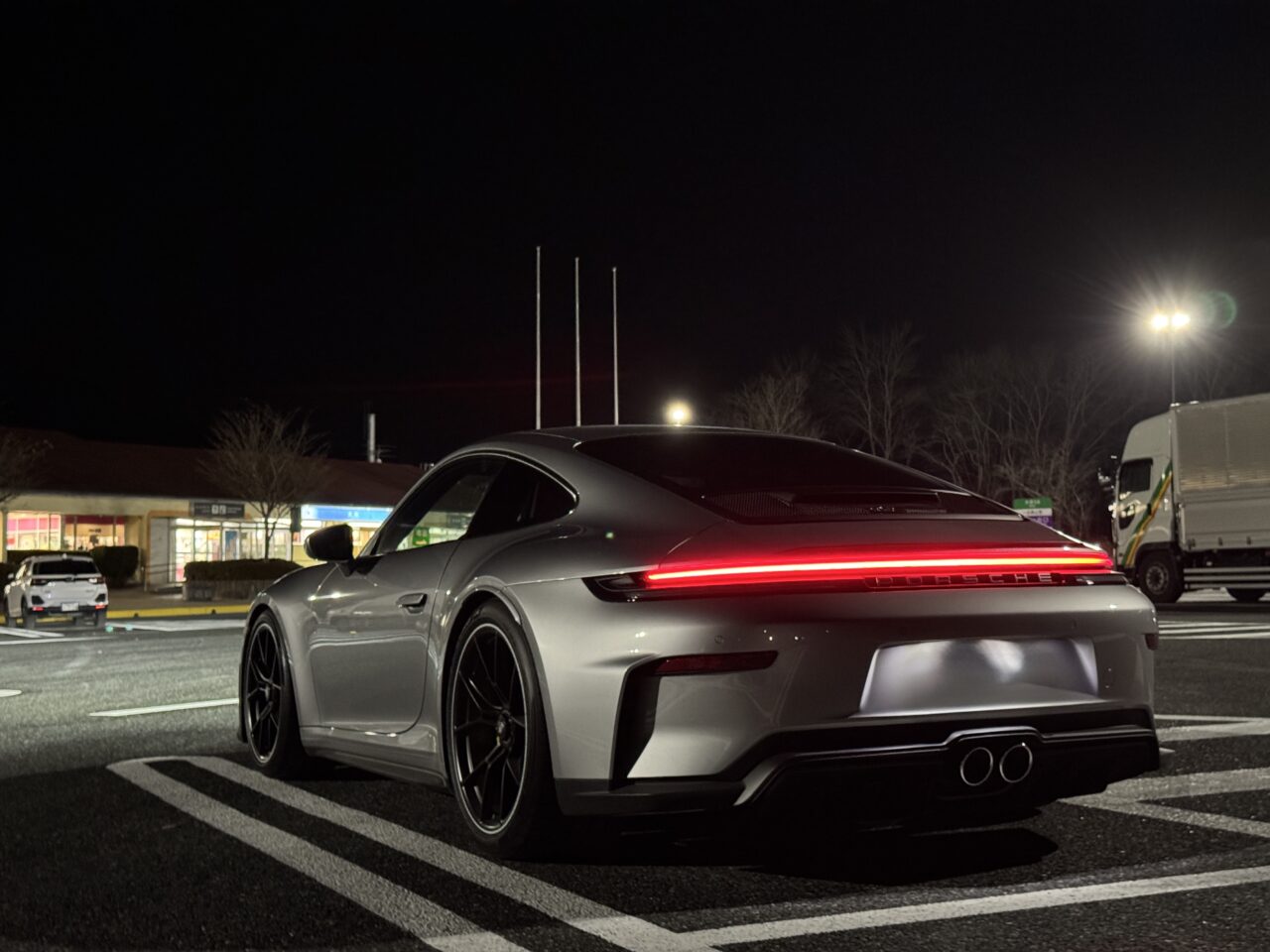
It sports a simple yet striking GT Silver body with yellow PCCB brake calipers and silver wheel rims. Surprisingly, my brother—who usually prefers flashier specs—chose this understated combo because he wanted to “keep it for the long haul.”
Inside, the black full leather with crayon stitching keeps things equally restrained. Details like leaving the window frames silver and white accents on the wheels and lights show thoughtful touches. While flashy options are few, essential features like PCCB brakes and exclusive lights push the total options cost close to 5 million yen.
After delivery, we tackled an 800km drive straight to my brother’s hometown. Since he got off midway, I ended up driving more than half the distance. This long haul was the perfect chance to truly gauge the GT3 Touring’s capabilities.
Comfort and Driveability in Urban Settings
The biggest difference from the 991 and early 992 GT3 Tourings is how manageable it is in city driving.
When accelerating from a stoplight, the low gear ratios enable smooth, responsive acceleration. Unlike many modern turbo engines that feel sluggish under light throttle, this car delivers torque instantly—almost like the Spider RS’s direct throttle response.
Right after delivery, my brother was amazed just 100 meters from the dealer, saying, “This ride is surprisingly comfortable. I can totally handle this.” For a GT3 first-timer, that says a lot about how much the 992.2 has improved urban comfort.
That said, it’s still not comfortable enough to be a date car.
Road noise remains loud, and the suspension is firm. Riding shotgun, you hear every stone bounce sharply, forcing you to raise your voice to hold a conversation. Still, compared to the 991, the shaking, harsh noises, and vibrations are greatly reduced. It’s about as smooth as the Spider RS’s suspension, which is more than adequate comfort for a GT3.
One standout moment in city driving was the transition from red to green lights. Accelerating from 10 to 20 to 40 km/h, the car’s true character shines. The low gear ratios let you rev the engine properly in 2nd and 3rd gears, letting you enjoy the GT3 engine’s feel even at everyday speeds. This sensation was missing in previous generations.
The Advantage of Low Gear Ratios: 90km/h at 5000rpm in 3rd Gear
The defining feature of this GT3 Touring is its extremely low gear ratios.
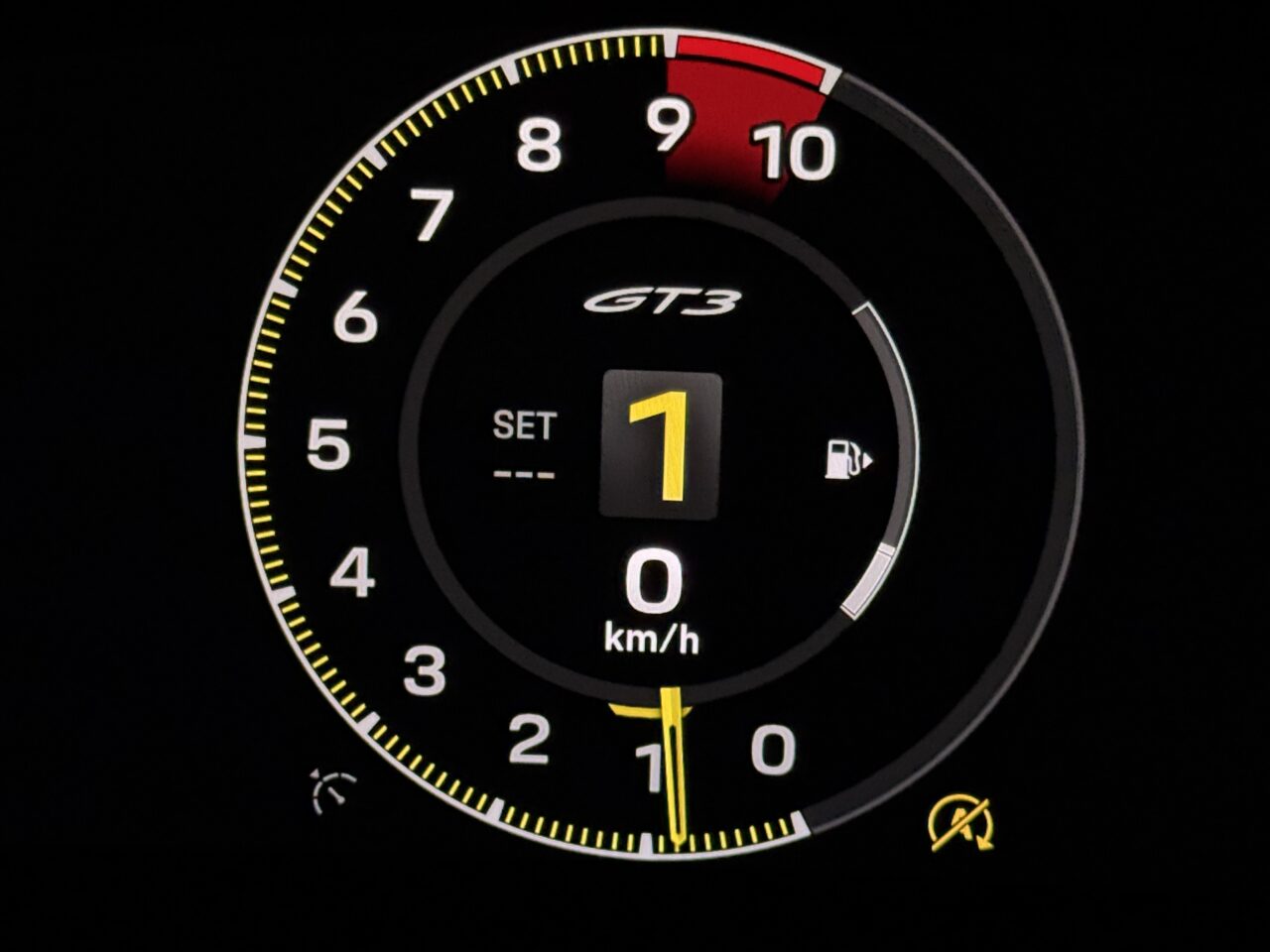
At 5000rpm in 3rd gear, the speed is only about 90 km/h. For comparison, a 981 Boxster hits around 110 km/h, and a 992 GTS about 115 km/h at the same revs. This GT3 shares nearly the same gear ratios as the Spider RS, shaping its unique character.
Thanks to these low ratios, you can comfortably use 2nd and 3rd gears in city driving, keeping the engine spinning and enjoying that classic GT3 feel. The same applies on winding roads—Japanese roads especially—where you can happily rev through 2nd and 3rd gears. On twisty mountain passes with tight corners, this low gearing is a major advantage.
When I owned a 991 GT3 Touring, the truly fun roads were limited to empty highways or large winding routes. City and urban highway driving rarely felt like a GT3 experience. I often preferred to travel in a Carrera instead. But with the 992.2, most everyday roads become enjoyable. This is a big step forward.
However, this low gearing is a double-edged sword on highways.
At 100 km/h, the engine spins at 2800–2900 rpm, so pushing hard in the passing lane feels like driving a small kei car at high revs. Passengers might wonder, “Why not shift up?” I often wished for one more gear. While the driver enjoys it, the noise and constant revving can be tiring for passengers—another reason this isn’t an ideal date car.
A Softer, More Refined Engine Sound
The engine note is noticeably quieter compared to previous GT3s.
Unnecessary rattles at low speeds are gone, replaced by a more pleasant, muffled tone—like someone speaking through a mask.
Overall, it’s the gentlest sound among GT3s, but the “bonk” on downshifts stands out. This isn’t the usual burble or PDK shift noise, but a unique sound. With the windows down in the city, shifting down from 5th to 4th, 3rd, and 2nd produces a satisfying “bonk, bonk, bonk.”

Compared to the GTS or Carrera T, it’s still loud, but much quieter than the 991 GT3. Purists might say it’s “not a real GT3,” but I find the volume just right. That said, the sports exhaust can get tiring on long drives, so I prefer to turn it off on the highway for comfort.
The 991 GT3 had constant rattling and mechanical noises at low and mid revs. While it sounded amazing at 6000 to 9000 rpm, the low end was rough. The 992.2 cuts out those extra noises, letting you enjoy a cleaner exhaust note. The volume is lower, but the sound quality is improved.
Later, I had the chance to rev it to 8000–9000 rpm, and the classic GT3 roar returned. Though still quieter than previous generations, few would complain about the sound at those high revs.
Highway Driving Challenges and Differences from the 991 Model
Highway impressions differ significantly from the 991 GT3 Touring.
The 991 was known for its arrow-straight stability at high speeds. I know several 991 GT3 Touring owners, and they all agree, “This car is amazing on the highway.”
In contrast, the 992.2 lacks that same level of stability. The front end is more lively and responsive, reacting sharply to small inputs. The double wishbone suspension improves grip but also transmits road surface changes more directly. It feels lighter and more agile, constantly moving with precision.
That said, it’s not unstable.
It tracks straight and never feels unsafe. But compared to the 991, it requires more attention. It’s best used cruising at around 100 km/h with cruise control, then enjoying winding roads after exiting the highway. For long-distance touring on highways, the 991 was superior.
Fuel economy over 866 km was 8.2 km/L.
This was mostly highway driving during break-in, avoiding high revs. Still, the range on a full tank didn’t reach 500 km, requiring a refuel stop at a service area. The range is similar to or even less than the Taycan Turbo GT. Some service stations close after 8 pm, which made refueling a bit nerve-wracking.
Road noise on the highway felt louder than the 991.
With the engine sound softened, tire noise becomes more noticeable. On smooth roads, it’s not bothersome, but on rough surfaces, a constant “whoosh” fills the cabin. The Spider RS shares similar gearing but is open-top, letting sound escape or be absorbed by the roof. The closed GT3 Touring traps this noise inside, sometimes making it feel noisy and muffled.
—
So far, we’ve uncovered the GT3 Touring’s urban drivability, the benefits of its low gear ratios, changes in engine sound, and highway characteristics. In Part 2, we’ll answer which to choose among the Spider RS, Turbo GT, and winged GT3 versus the Touring.
このブログが気に入ったらフォローしてね!
Comment ( 0 )
Trackbacks are closed.
No comments yet.