

A Boxster Owner Drives the Mazda MX-5 Miata (ND) Again: The Perfect Car for Japan’s Winding Roads!
Published: 2025.02.05

コンテンツ
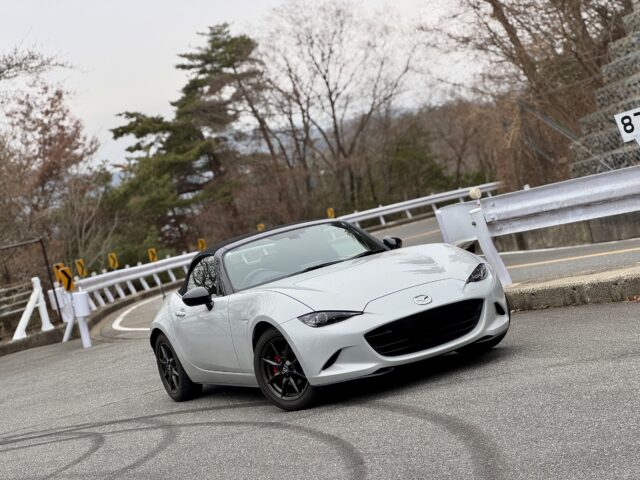
Reconnecting with the Mazda MX-5 Miata (ND)
I recently had the chance to drive a Mazda MX-5 Miata (ND).
I’d actually driven one once before, about five and a half years ago, but this time I was reminded all over again of just how special it is.
The car I drove belongs to a recent buyer who also owns a Porsche 718 Cayman GT4.
After getting a taste of a friend’s Miata and falling for its charms, he decided to buy one himself.
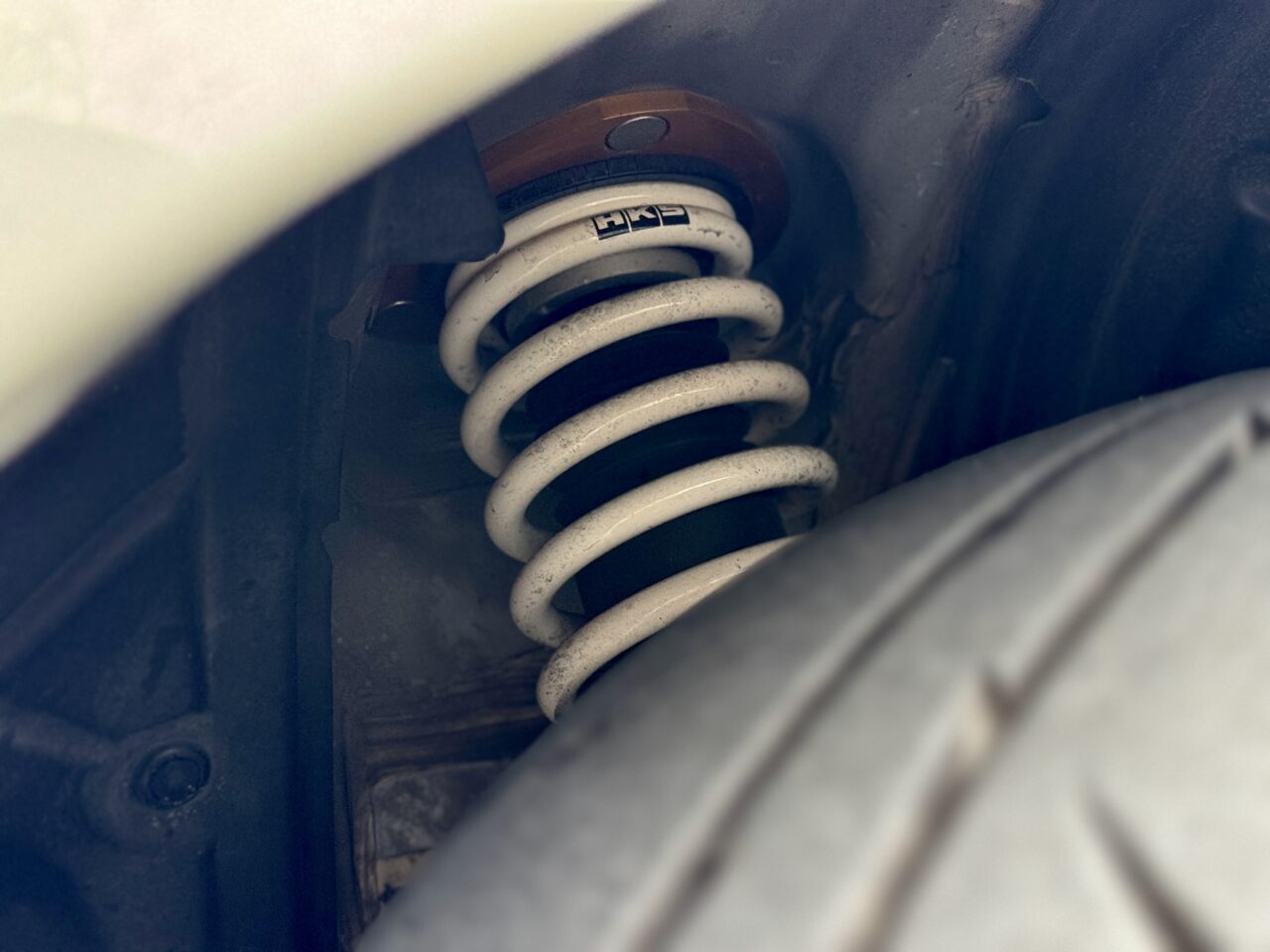
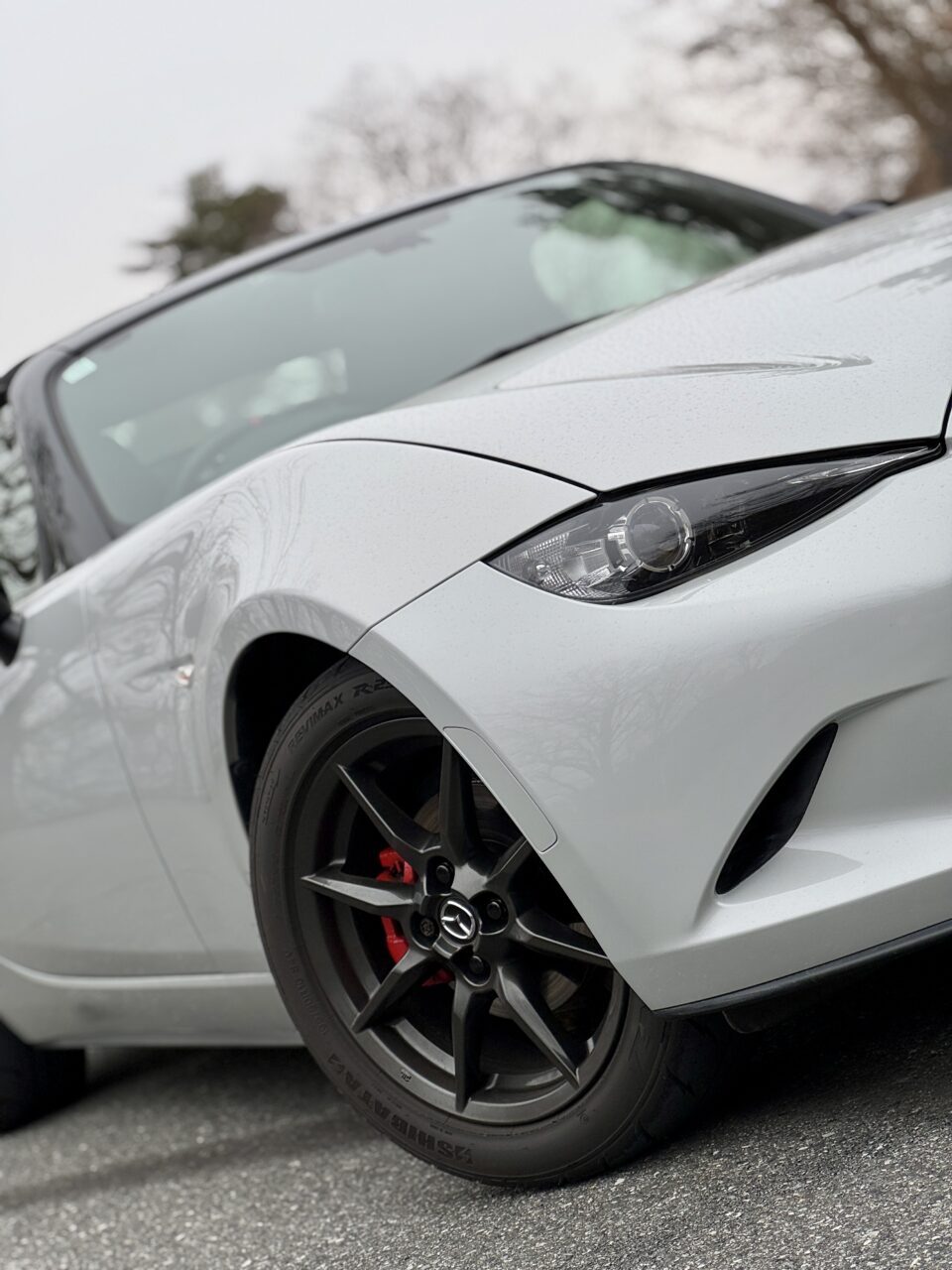
This was the S Special Package (SSP), in close-to-stock condition, with only HKS coilovers installed. The driver’s seat had also been replaced with a bucket seat, but otherwise the car was essentially stock.
Clutch Feel and First Impressions
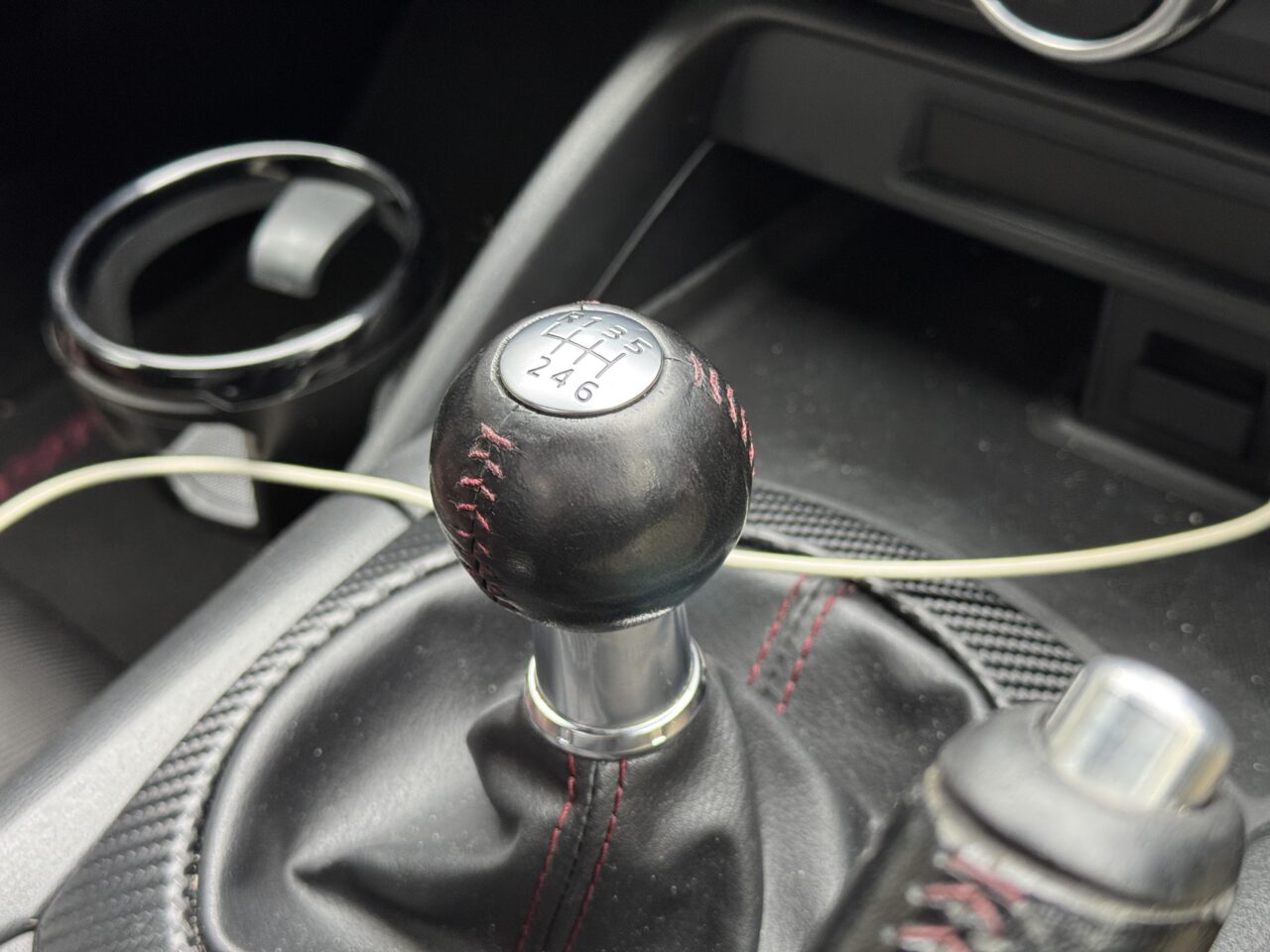
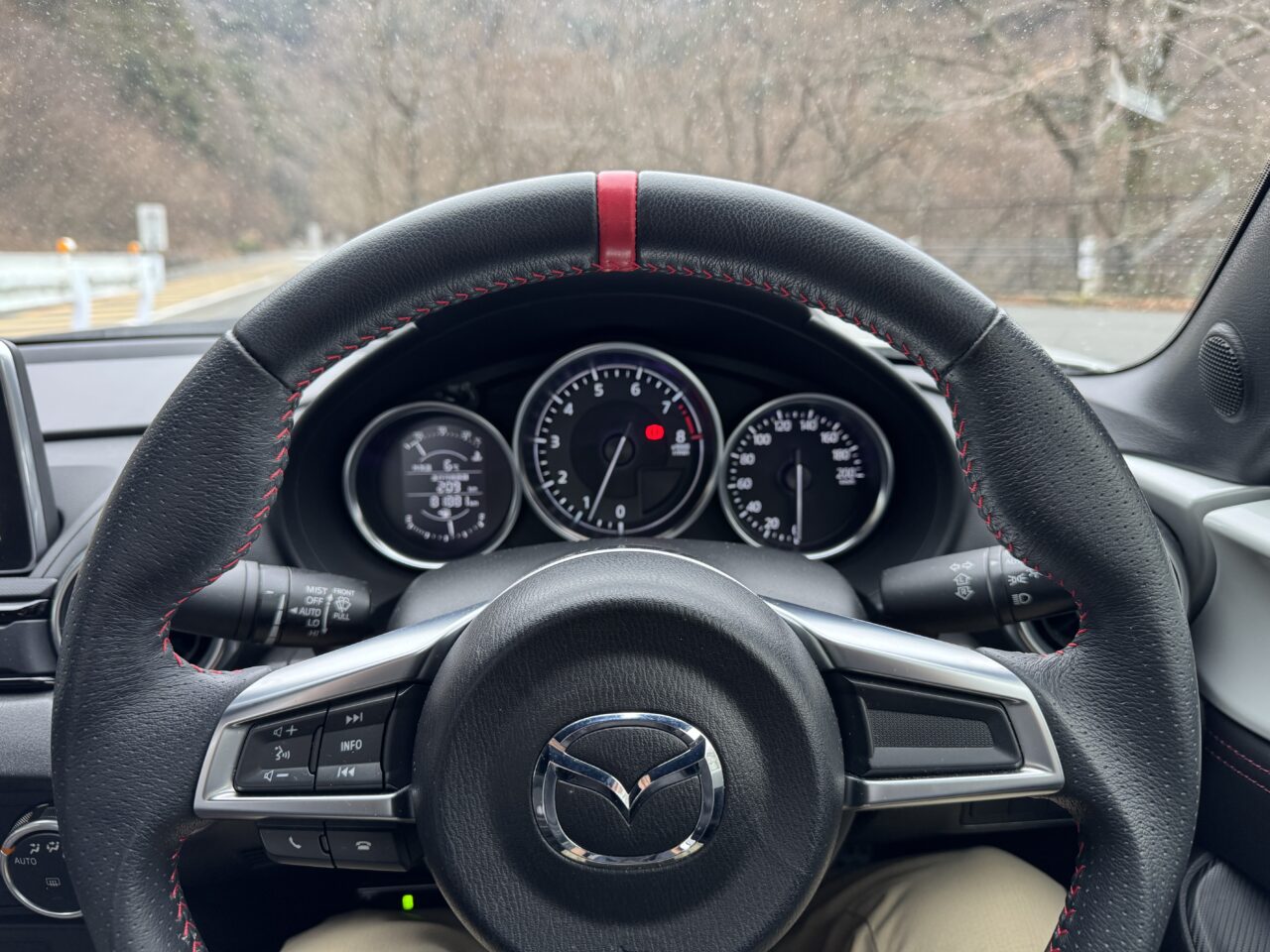
The first thing I noticed when I got in was how quickly the clutch engaged.
Compared with a Porsche, it seemed to bite after lifting the pedal just a little. That doesn’t make it difficult to drive—in fact, it feels easy to use, and it’s not especially prone to stalling. The clutch is also very easy to modulate.
After turning through the first few corners, I was already impressed. “Has the Miata always been this much fun?” was the thought that came to mind.
It turns beautifully, with a response that’s sharp but never twitchy—a remarkably well-judged balance.
As you begin to turn the wheel, the car follows your input with precision.
There’s no slop, and it’s exceptionally easy to place. Once you add a little more steering lock, it starts to tuck into the corner with a slight oversteer feel. That might make a novice driver a little nervous, but the way the car pivots so readily is a big part of the fun.
Handling and Driving Feel
In the Miata I drove before, compared with a Porsche Boxster, the car seemed to rotate around a point farther forward. This time, the rotation felt as if it happened behind me. That may come down to the suspension: the previous car had Bilstein B12 components, while this one was fitted with HKS suspension.
It’s hard to find another car that makes every corner more enjoyable than the last. Just like a Porsche, it leaves you wishing “the corners would just keep coming.”
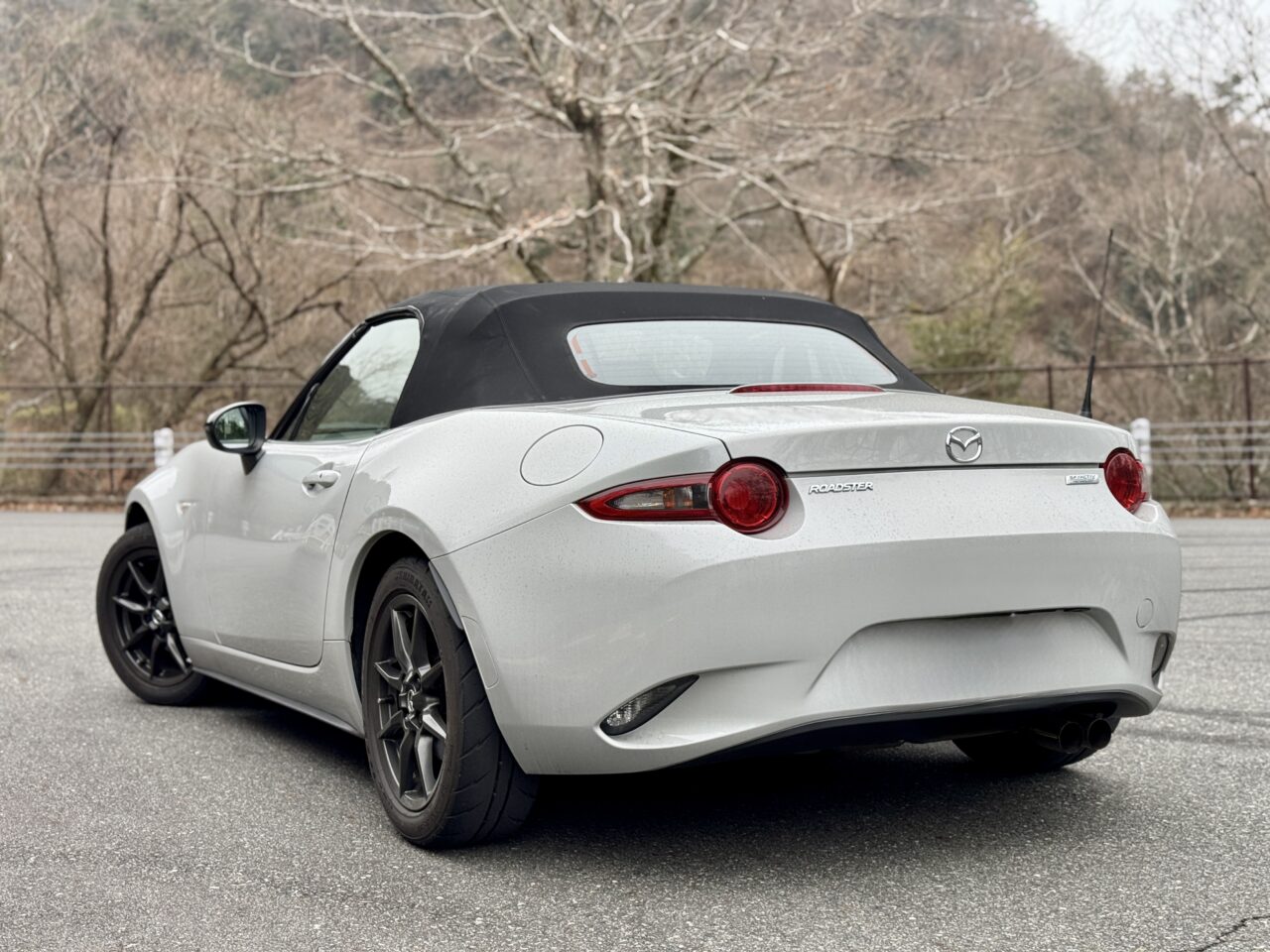
The engine doesn’t feel short on power as long as you keep it in the rev range.
Its power delivery and gearing feel just right for Japan’s narrow mountain roads and winding routes. A Porsche can feel a little tall-geared in these conditions, leaving you wishing you could rev it out more. In the Miata, you can happily work the engine from the midrange all the way to the top.
On the road, it never feels slow, even if, objectively speaking, it isn’t especially fast.
But that hardly matters when it’s so satisfying to use all the power the engine has. It’s a kind of fun you don’t get from a super sportscar or supercar. The Miata reminds you that there’s more to a car than power—and in that sense, it’s a car for grown-ups.
The Appeal of the Engine Sound
The engine note didn’t leave much of an impression on me the first time I drove a Miata. This time, though, I found it genuinely pleasant. It’s audible without being loud, and it doesn’t try to stir up big emotions.
The Miata’s engine note is more like background music. If a Porsche’s engine note is a “song,” the Miata’s is “BGM”: it never gets in the way, but adds color to the drive. Even on a long trip, it would never wear you down—instead, it makes you want to keep driving.
Brake Feel and Performance
The brakes left a better impression than they did on my previous test drive. They don’t feel quite as substantial as a Porsche’s, but the pedal has a reassuring, firm feel. Rather than relying on pedal travel, it’s easy to adjust braking force by how hard you press. That makes the car easy and enjoyable to drive.
It’s easy to modulate the stopping power, and you quickly get a feel for how much deceleration you’ll get from a given amount of pressure. That’s another detail that adds to the driving enjoyment.
I also tried a full-throttle acceleration run. It’s certainly not exceptionally quick, but given the realities of driving in Japan, this level of acceleration feels just right. It’s safe and usable—not too slow, not too fast—while still letting you carry impressive speed through corners.
Body Rigidity and Overall Verdict
The body feels impressively rigid, showcasing the very best of Mazda’s engineering. I noticed the same thing when I drove an NC Miata in the past: Mazda’s ability to build such a rigid convertible is something the company can be proud of on a global scale.
Overall, the ND Miata is an exceptionally well-engineered car. I can find things to criticize in some of Mazda’s other models, but the Miata feels like a different class of car altogether. When Mazda can build something this good, it’s hard not to wonder why the rest of its lineup can’t be just as impressive.
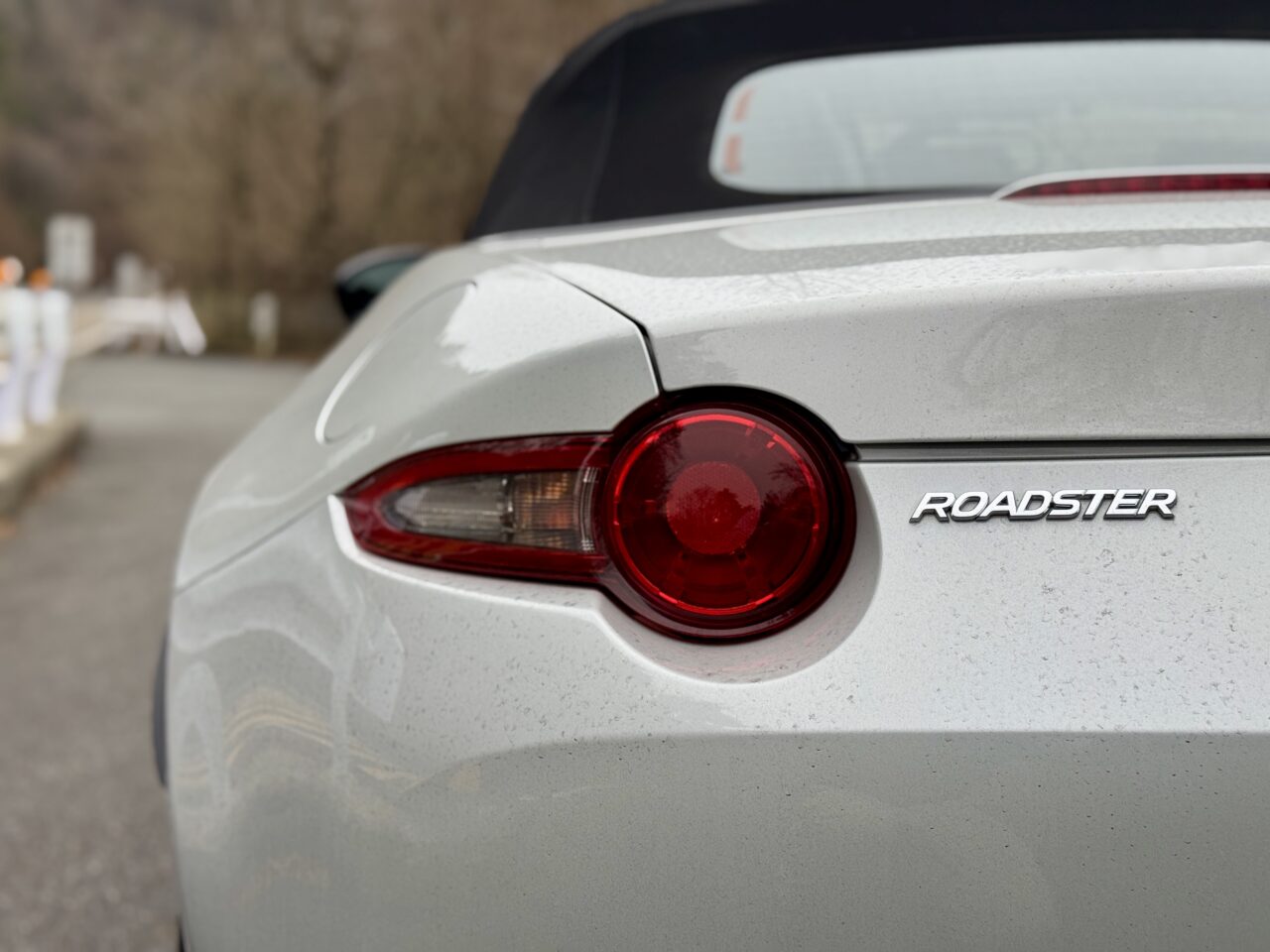
In terms of driving enjoyment, the Miata has a lot in common with the Porsche Boxster, especially the 986-generation model.
But I felt the Miata was better suited to Japan’s winding roads. Its engine power and gearing are a better match for the roads here.
At high speeds, however, its straight-line stability doesn’t quite match that of European cars. In fact, I’m not sure that’s what the Miata is trying to achieve.
It doesn’t feel unstable, but it doesn’t have the Boxster’s sense of becoming more settled as your speed rises. For Japan’s mountain roads, winding routes, and rural highways, though, the ND Miata is an ideal car. It’s also a joy to drive with the top down, with less wind buffeting than in the Boxster.
I’m certain I’ll buy a Miata someday.
That’s how compelling it was. I’m truly grateful to its owner for giving me the chance to experience such a wonderful car.
If you enjoy this blog, follow along.
Comment ( 0 )
Trackbacks are closed.
No comments yet.