

A Look Back at the History of the Porsche 911 GT3 Engine
Published: 2025.02.06
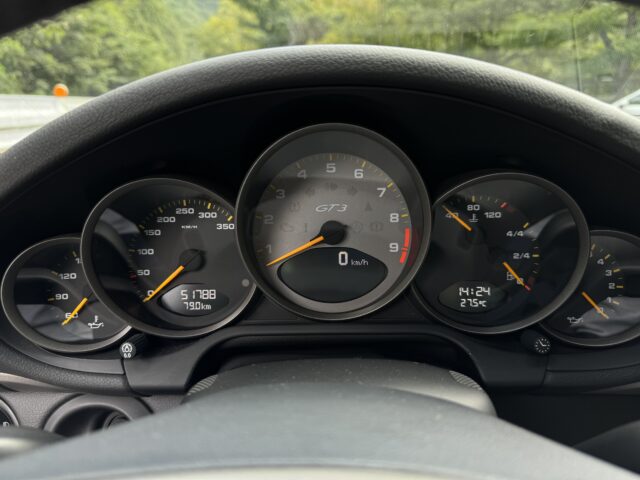

When I think of the GT3, the first car that comes to mind is the 991.2 GT3 Touring Package.
I bought one a few years ago, driven largely by my long-held dream of owning a GT3. I was blown away by its performance, but also found it frustrating that there were so few opportunities to really open the throttle on public roads. After about a year and a half, I decided to let it go.
I don’t regret selling it, but I still often find myself wishing I could experience that GT3 engine again.
This time, I’ve put together a brief history of the GT3 engine, focusing specifically on what makes it special. I hope you enjoy it.
コンテンツ
Porsche GT3 Engine Specs Through the Generations
| Model (Type) | Displacement | Maximum power | Maximum torque | Rev limit |
| 996.1 GT3 (1999) | 3,600cc | 360PS (265kW) | 370Nm | 8,000rpm |
| 996.2 GT3 (2003) | 3,600cc | 381PS (280kW) | 385Nm | 8,200rpm |
| 996 GT3 RS (2004) | 3,600cc | 381PS (280kW) | 385Nm | 8,200rpm |
| 997.1 GT3 (2006) | 3,600cc | 415PS (305kW) | 405Nm | 8,400rpm |
| 997.1 GT3 RS (2007) | 3,600cc | 415PS (305kW) | 405Nm | 8,400rpm |
| 997.2 GT3 (2009) | 3,800cc | 435PS (320kW) | 430Nm | 8,500rpm |
| 997.2 GT3 RS (2010) | 3,800cc | 450PS (331kW) | 430Nm | 8,500rpm |
| 997 GT3 RS 4.0 (2011) | 3,996cc | 500PS (368kW) | 460Nm | 8,500rpm |
| 991.1 GT3 (2013) | 3,800cc | 475PS (349kW) | 440Nm | 9,000rpm |
| 991.1 GT3 RS (2015) | 3,996cc | 500PS (368kW) | 460Nm | 9,000rpm |
| 991.2 GT3 (2017) | 3,996cc | 500PS (368kW) | 460Nm | 9,000rpm |
| 991.2 GT3 RS (2018) | 3,996cc | 520PS (382kW) | 470Nm | 9,000rpm |
| 992.1 GT3 (2021) | 3,996cc | 510PS (375kW) | 470Nm | 9,000rpm |
| 992.1 GT3 RS (2022) | 3,996cc | 525PS (386kW) | 465Nm | 9,000rpm |
| 992.2 GT3 (2024) | 3,996cc | 510PS (375kW) | 450Nm | 9,000rpm |
Looking at the figures, the first-generation GT3 made only around 360PS—less than a current Carrera—so it would likely lose out in a straight-line acceleration comparison.
But take a 996 GT3 out for a drive and its engine feels nothing like a modern Carrera’s. The way it climbs through the revs and the sheer excitement of the experience are remarkable.
Over roughly 25 years, power steadily increased with each generation, eventually breaking the 500PS mark. The latest 992.2 GT3 is the first to see a slight drop in torque, reportedly due to emissions regulations.
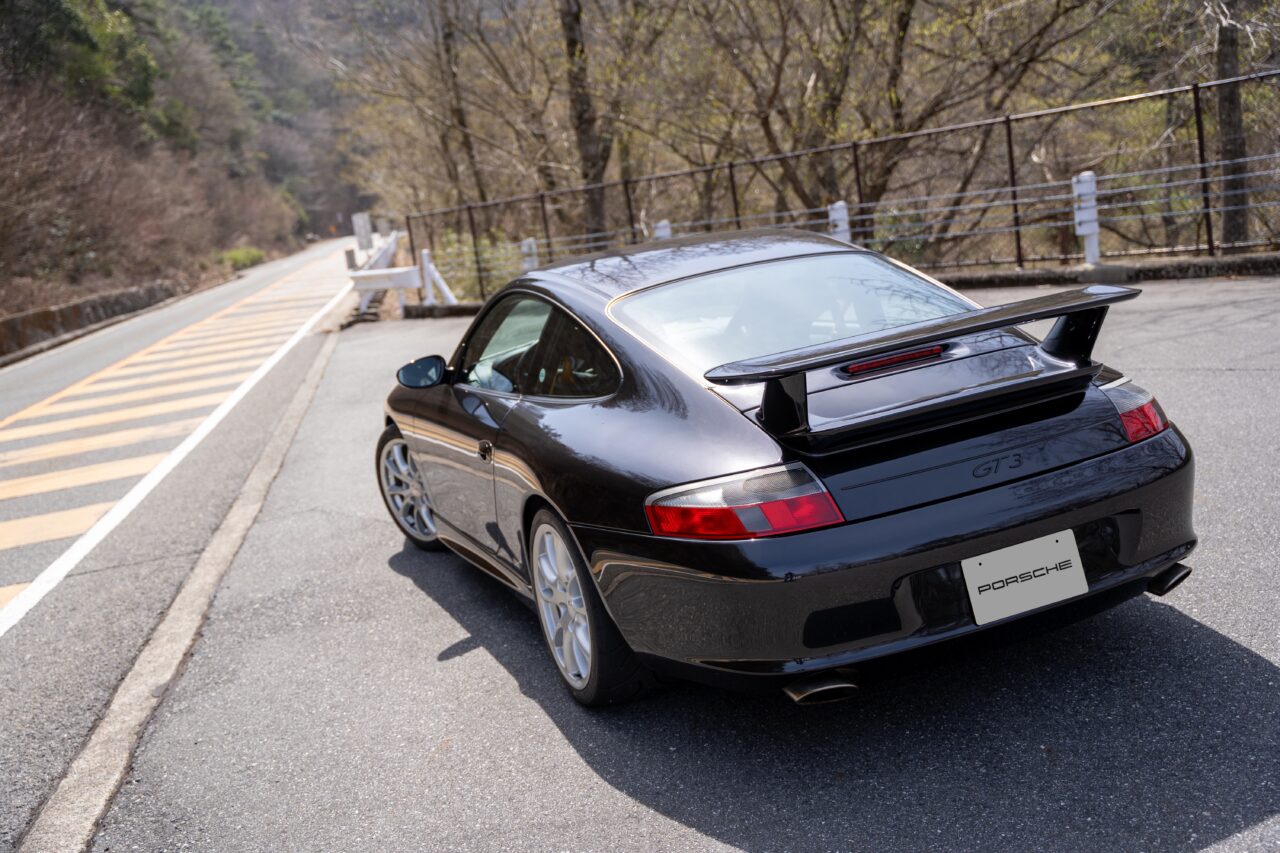
The History of the GT3 Engine
The engines in the GT3 and GT3 RS have evolved steadily with each generation. Here’s a brief look at how that development unfolded.
The Mezger Engine Era (996/997)
The first- and second-generation GT3 models were powered by race-derived engines designed by Hans Mezger.
Built around a robust crankcase architecture descended from the air-cooled 911 and Le Mans race cars such as the 962 and GT1, these engines featured a dry-sump lubrication system with an external oil tank, along with extensive use of forged, lightweight components to withstand high revs.
Displacement started at 3.6 liters, grew to 3.8 liters in the later 997, and eventually reached 4.0 liters. The intake combined a variable-length system—similar in principle to Varioram—with VarioCam variable valve timing. The result was strong mid- and low-range torque, paired with an engine that pulled eagerly beyond 7,000rpm.
The compression ratio started at 11.7:1 and rose above 12:1 from the 997.2 onward. The 997 GT3 RS 4.0 was a particular milestone, producing 500PS from 4.0 liters—an astonishing 125PS per liter.
Mezger engines consistently used port fuel injection. Although the electronic controls became more sophisticated in later versions, the fundamentally motorsport-derived design was exceptionally strong and reliable. It’s this combination that earned the engine a reputation as “the ultimate naturally aspirated engine.”
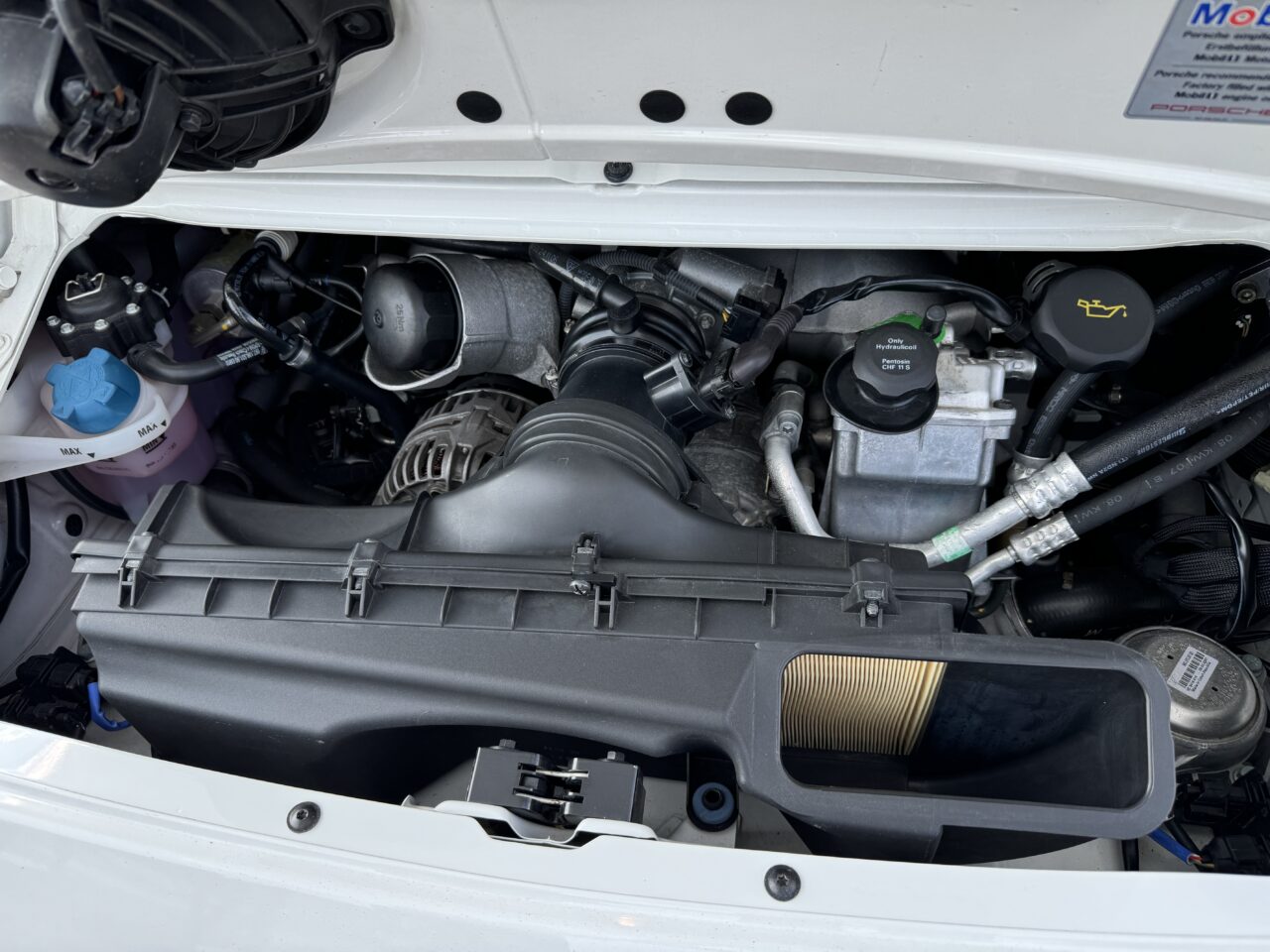
The Mezger engine, with its GT1 crankshaft
The Era of the New-Generation Direct-Injection Engine (991/992)
With the third-generation 991 GT3, Porsche introduced an all-new engine design. It moved to a GT3-specific version of Porsche’s mass-production direct-injection flat-six (Type 9A1).
This pushed compression ratios even higher—to 12.9:1 in the 991.1 and 13.3:1 in the 991.2—while significantly improving combustion efficiency and power.
Direct injection also brought enhanced piston cooling and knock control, allowing stable combustion at high rpm despite the higher compression ratio. On the 991, variable valve timing was expanded to both the intake and exhaust sides through VarioCam, and paired with VarioCam Plus variable valve lift.
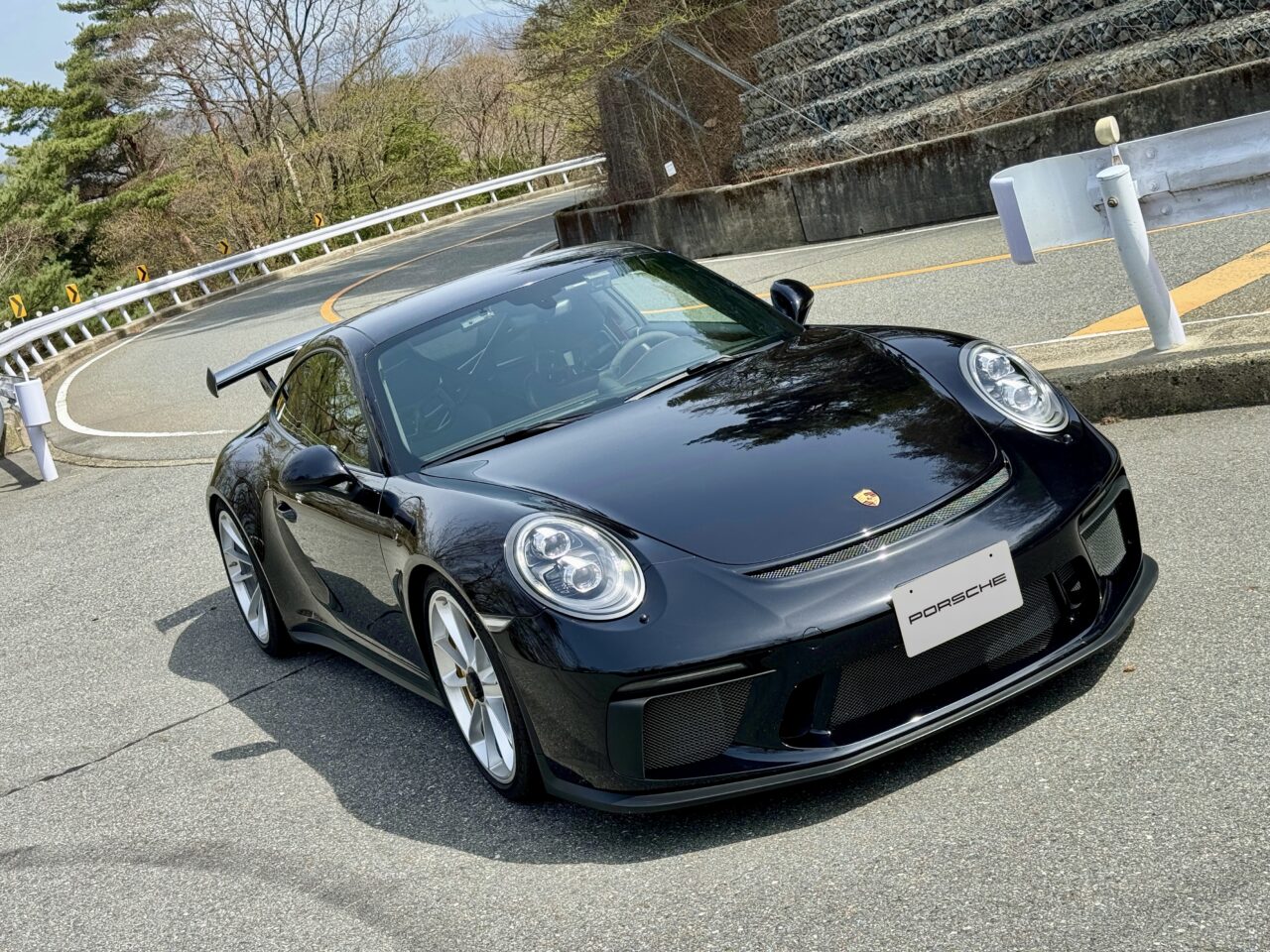
The lubrication system switched from an external-tank dry sump to an integrated dry-sump design. It remained a serious motorsport-style system, with seven scavenge pumps to maintain oil pressure under high lateral G-forces.
The 991.1’s 3.8-liter engine reached 475PS at 9,000rpm, while the 991.2’s 4.0-liter unit hit 500PS. The 991 generation also brought the introduction of PDK and rear-axle steering, among other advances, helping the car put its engine power to the road more effectively.
The 992 GT3 took things further with more race-inspired upgrades, including six individual throttle bodies, raising output to 510PS and delivering the sharpest throttle response in GT3 history. The result is a naturally aspirated car capable of lapping the Nürburgring in under seven minutes—a performance level that can rival turbocharged models.
What Sets the GT3 RS Apart
In each generation, the GT3 RS has generally retained the GT3’s basic engine, while gaining performance through high-rev-focused tuning, optimized intake and exhaust systems, and further weight reduction.
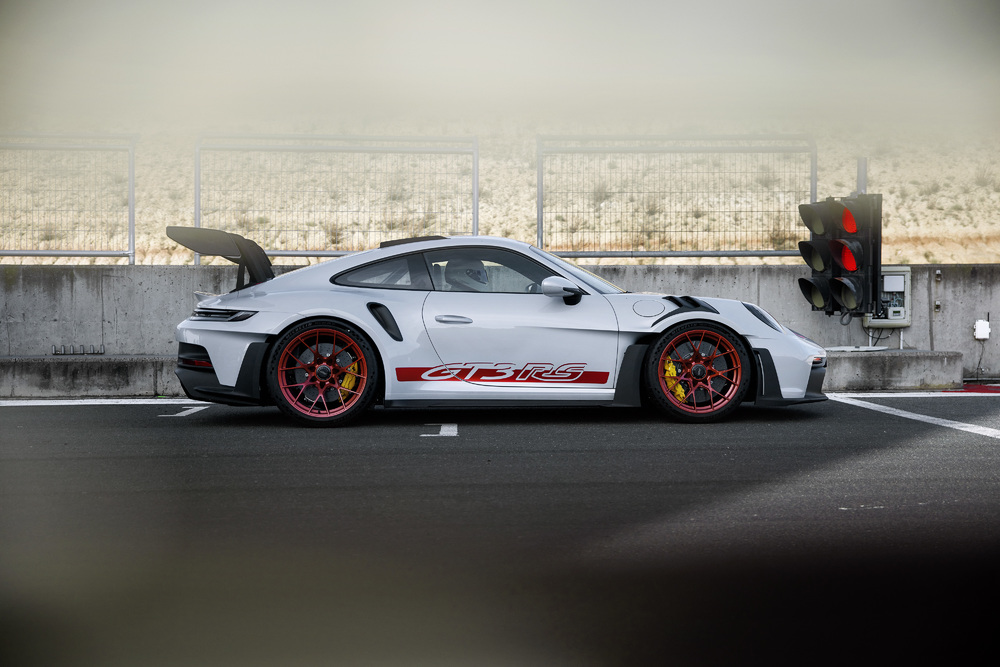
Power stayed the same in the early 996 and 997 models, but from the later 997 onward, the RS gained a modest 15–20PS.
The larger-displacement “RS 4.0” appeared across two generations—the 997 and 991—and both reached the 500PS mark. In RS models, higher-revving cam profiles and lighter moving components sharpen the engine’s delivery near the rev limit, helping shave precious fractions of a second off lap times. In recent years, the 992 GT3 RS has gained less from engine differences and more from its aerodynamic and chassis upgrades, which give it a significant lap-time advantage over the GT3. Chassis development, in other words, has played a major role.
Looking at the history of the 911 GT3 and GT3 RS, one thing has remained constant: their commitment to natural aspiration, high revs, and high output. Each generation has advanced materials, electronic controls, and intake and exhaust systems to balance power with reliability. More than 25 years after the 996 debuted, the 4.0-liter flat-six still revs to 9,000rpm and delivers more than 125PS per liter—a truly remarkable achievement.
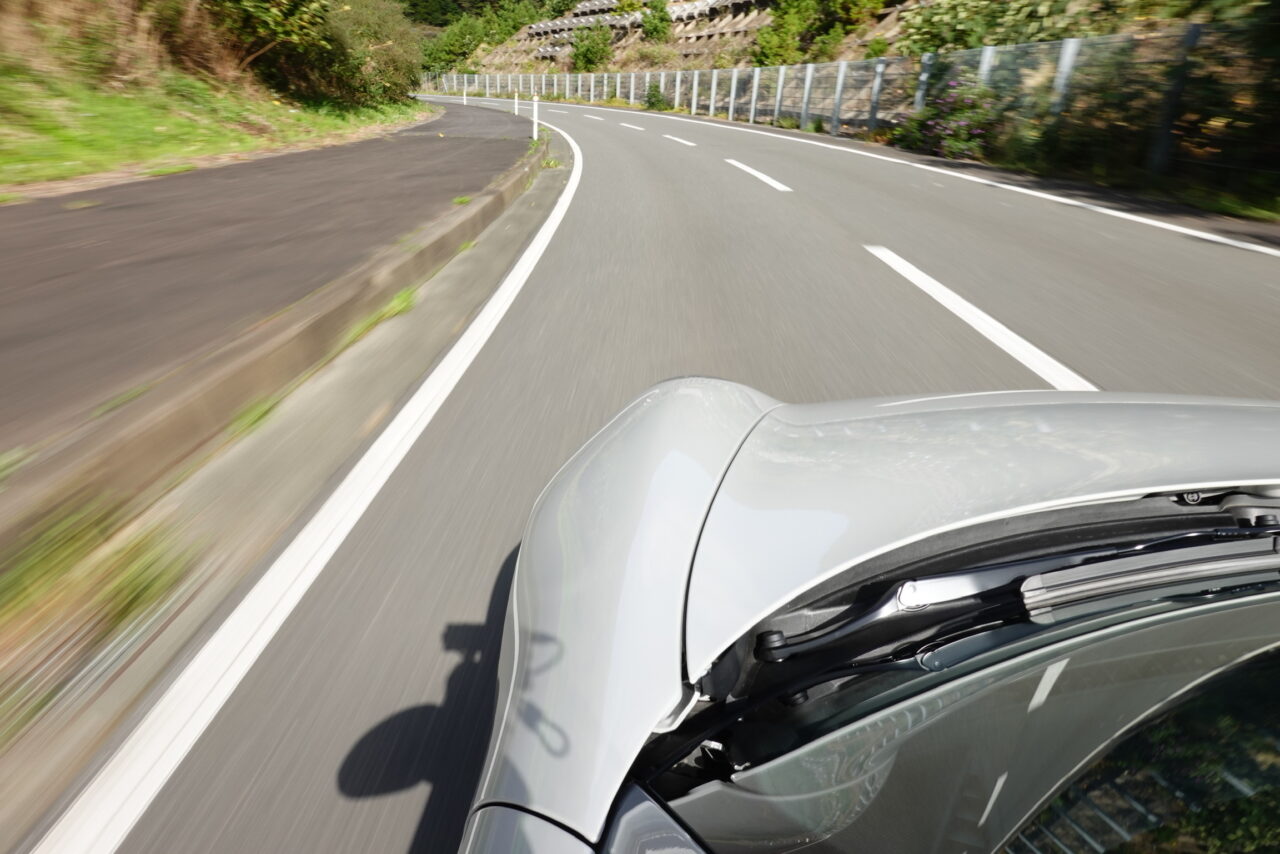
That’s a testament to Porsche engineering and the lessons learned through motorsport. It’s also why the 911 GT3 is often described as “a race car for the road.” In an era of increasingly stringent emissions regulations, I’m personally excited to see how this tradition continues to evolve.
If you enjoy this blog, follow along.
Comment ( 0 )
Trackbacks are closed.
No comments yet.