

Honestly Saying What Concerns Me About the Tesla Model 3 — And Why They’re Just Minor Issues
公開日:2026.04.22

コンテンツ
Continuing from Last Time, This Time I’ll Honestly Share Some Negatives
In my previous article, I rated my satisfaction with the Tesla Model 3 as 12 out of 10 after driving 30,000 kilometers. This frank impression hasn’t changed since. However, some readers might have felt that I painted the car in an overly positive light. That’s a fair point. So this time, I want to honestly share the aspects of the Model 3 that made me think, “This part is a bit concerning.”
That said, let me get to the conclusion upfront. Yes, there are some concerns. But the positives overwhelmingly outweigh these minor downsides, so to me, they’re only trivial issues. Still, this might be helpful for those considering buying a Tesla. I will be straightforward.
Turning Radius of 5.8 Meters — Not the Best for Tight Maneuvers
The first thing I want to mention is the lack of nimbleness when it comes to tight turns. The Tesla Model 3 has a minimum turning radius of about 5.8 meters. That’s on the larger side for a sedan. For comparison, the Mercedes-Benz C-Class boasts about 5.1 meters, which clearly outperforms it. Mercedes cars generally have excellent steering angles and turn on a dime, but the Model 3 is quite the opposite.
This becomes most noticeable in parking lots. Sometimes it’s hard to park in one go without multiple maneuvers, and when aisles between parked cars are narrow, you might not be able to exit the parking spot in a single attempt. On regular roads, this hardly matters, but on narrow streets where you need to do a U-turn, you’ll likely need at least one reverse maneuver. Honestly, I wish Tesla had improved this aspect a bit more.
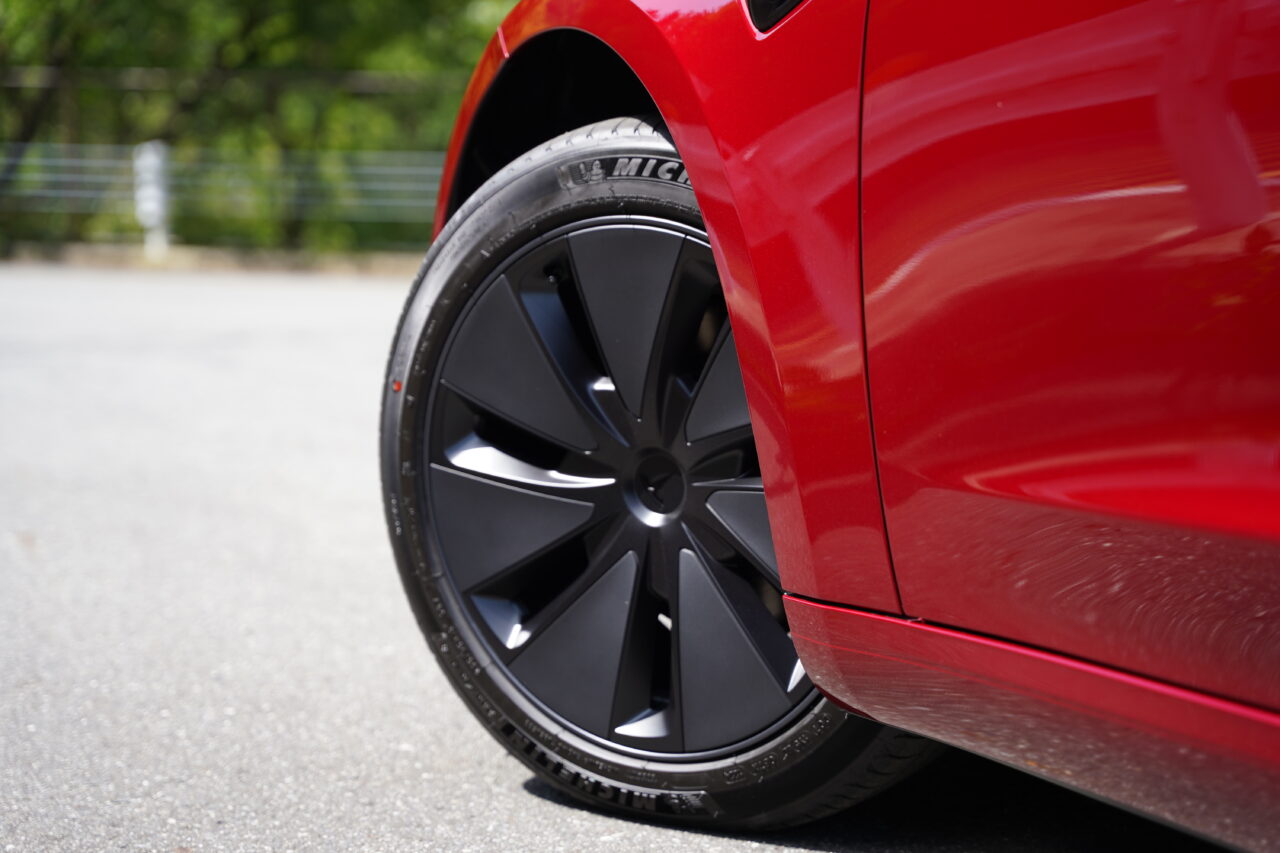
With the standard 18-inch wheels, the current tire choice is Michelin. There’s a noticeable difference in driving range between 18- and 19-inch wheels, with the 18-inch variant gaining about 40 km more range.
Glass Roof in Summer and Winter
The Model 3 features a full glass roof, which offers fantastic openness. However, during the summer, you definitely feel the heat. I use the official sunshade, which helps somewhat, but on scorching hot days, infrared heat gradually seeps through and warms your head area. I can confidently say that a sunshade is an absolute must-have for summer. Even if you don’t opt for Tesla’s official one, many third-party options are available and worth considering.
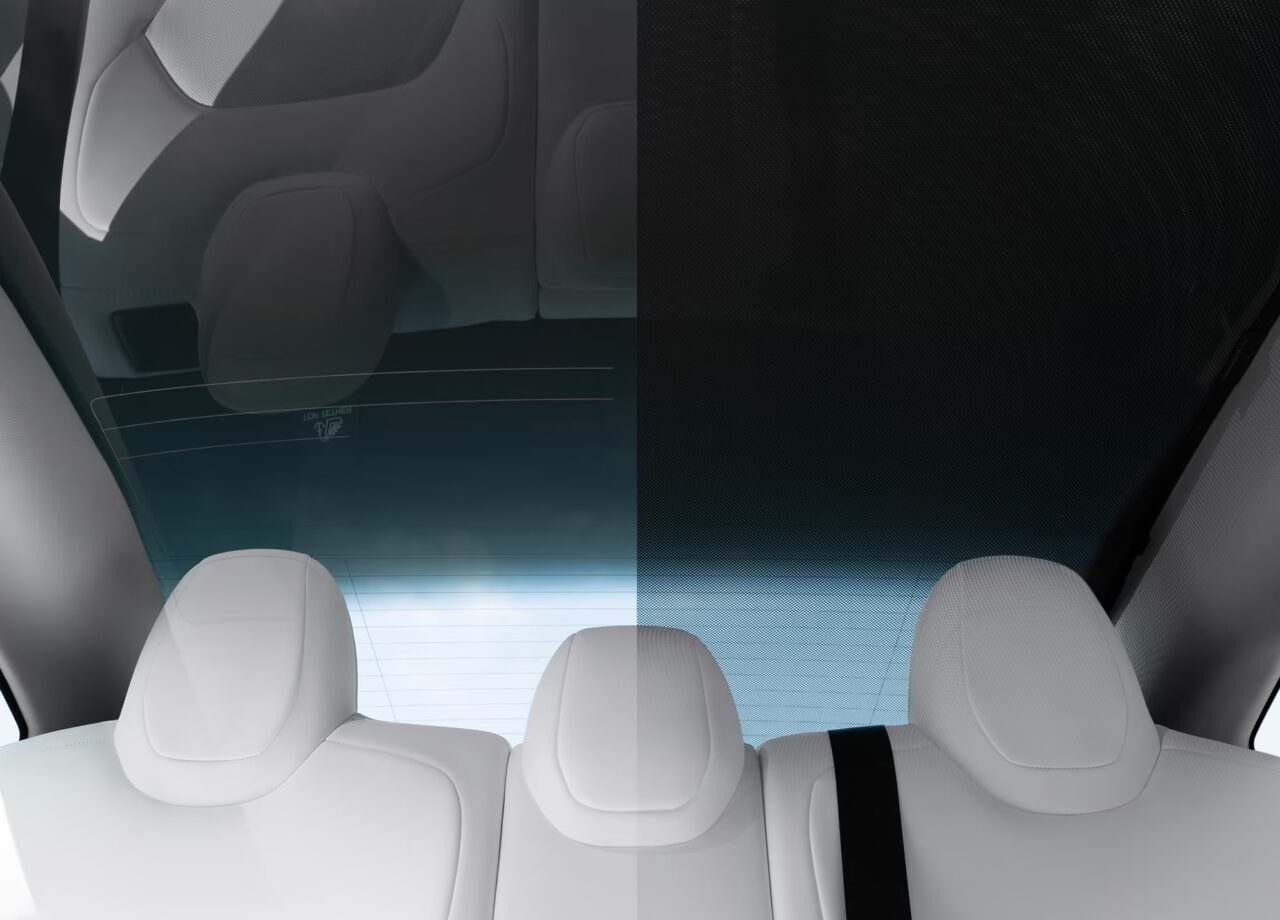
In contrast, the glass roof is actually a benefit in winter. On sunny days without the sunshade, the sun’s warmth gently heats the cabin, which I feel improves the efficiency of the heater. I’ve heard that the newer Model Y uses glass that blocks heat even more effectively. The Model 3 isn’t unbearably hot but does let in more heat than a metal roof. My routine is to use the sunshade in summer and remove it in winter.
The Autopilot’s Jerky Behavior in Traffic Jams
While Tesla’s Autopilot—now renamed Auto Steering—works well, it can feel a bit off sometimes. This is especially true during stop-and-go traffic jams. When the car ahead starts moving, the Model 3 may jerkily accelerate to match the speed, causing a jerky motion. Setting the following distance to about 4 helps somewhat, but compared to similar systems from other manufacturers, Tesla’s performance in traffic lag is a bit less smooth.
I also have access to Enhanced Autopilot (EAP), allowing lane changes activated by a simple turn signal. While the lane changes are handled well, I often wish the car would accelerate a bit more aggressively during the maneuver. Since it only shifts sideways with minimal speed increase, it’s tricky to use safely when faster cars are rapidly approaching from behind.
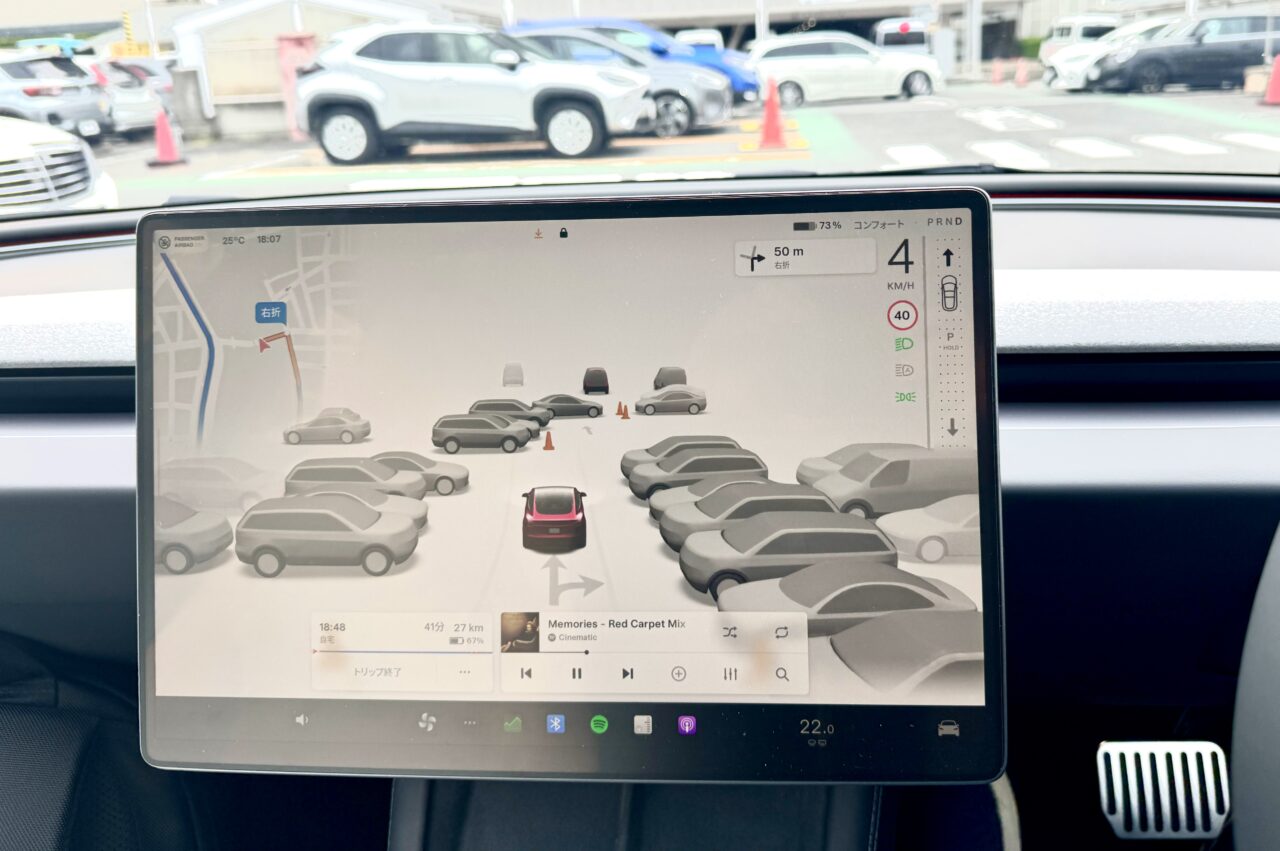
One key point I want to stress is this: FSD (Full Self-Driving) and Autopilot are completely different systems. Many people mistakenly think FSD is just an extension of Autopilot, but this is incorrect. The programming logic is fundamentally different. I’ve heard that Tesla has stopped developing Autopilot and is focusing entirely on improving FSD, which is impressively smooth. So don’t worry too much about Autopilot’s shortcomings.
Interior Panel Gaps and Suspension Firmness
Regarding interior fit and finish — that is, the precision of panel gaps — there are minor inconsistencies, like slightly different gaps on left and right sides. It barely bothers me, but I know people switching from Lexus or Toyota find it quite irksome and voice complaints. I understand their feelings, but Tesla isn’t a finely crafted piece of art. If you want that kind of meticulous finish, Lexus is the better bet. Tesla, however, offers an overwhelming charm that can’t be measured by such details.
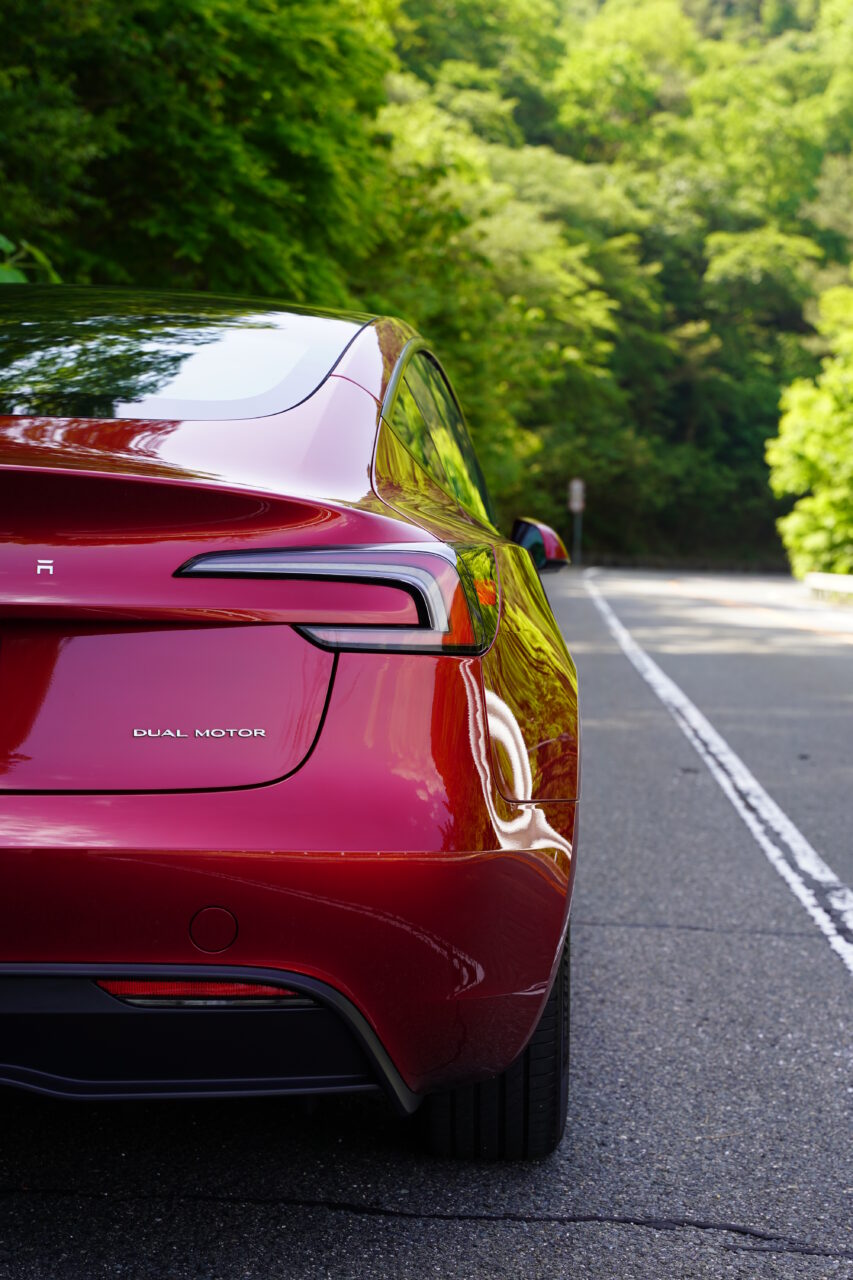
As for the suspension, some might find it a bit firm. Those used to the soft, cushioned ride of Japanese cars probably notice some harshness. I, however, appreciate it. The firm suspension gives excellent road contact and makes steering responses very precise. The car turns exactly as you steer. This sportiness is very enjoyable. The Highland (current generation) I drive has upgraded suspension that definitely improves ride comfort compared to previous models.
Is the Touchscreen Really Hard to Use?
Lastly, I want to address a common worry: the big touchscreen display in the Model 3 is often thought to be difficult to use. My conclusion? It’s extremely user-friendly.
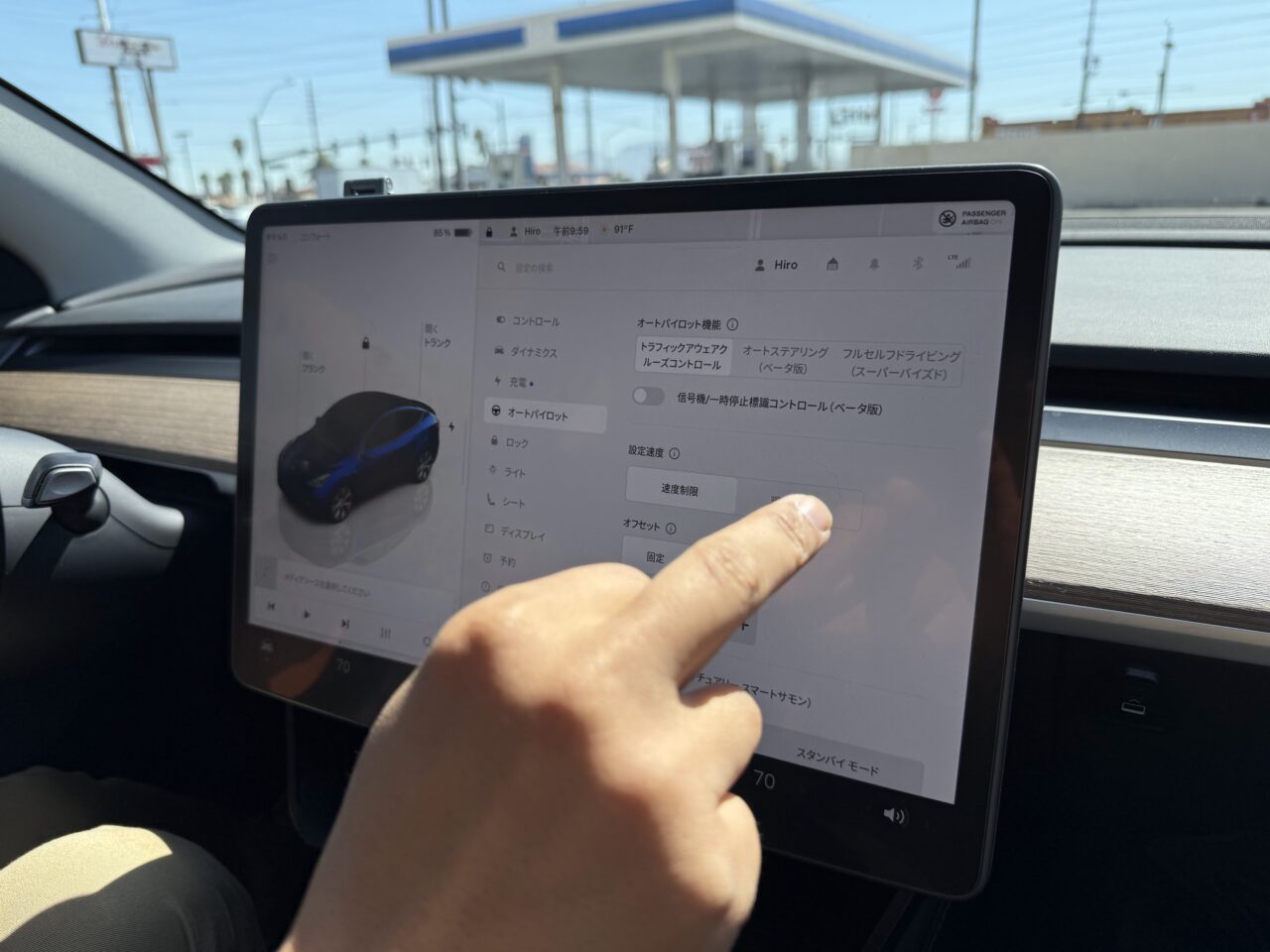
First off, you rarely need to fiddle with the touchscreen while driving. You can control the climate with voice commands, the gear shifts happen automatically, and you can basically drive without touching anything. Even when you occasionally tweak settings, the interface is fast and the menu structure is thoughtfully designed, making it very intuitive. Compared to infotainment systems in many other cars—including Porsche—Tesla’s is a breath of fresh air. It’s just like using an iPhone. No one finds launching apps on their iPhone difficult, and the Tesla touchscreen is just as smooth. The old idea that car touchscreens are frustrating is simply outdated here.
There Are Concerns—So What?
I’ve laid out my honest concerns so far. The turning radius isn’t great. The glass roof can get hot in summer. Autopilot feels jerky in heavy traffic. Interior panel gaps don’t match Lexus standards. These are facts. Yet when I list them like this, I simply think, “So what?”
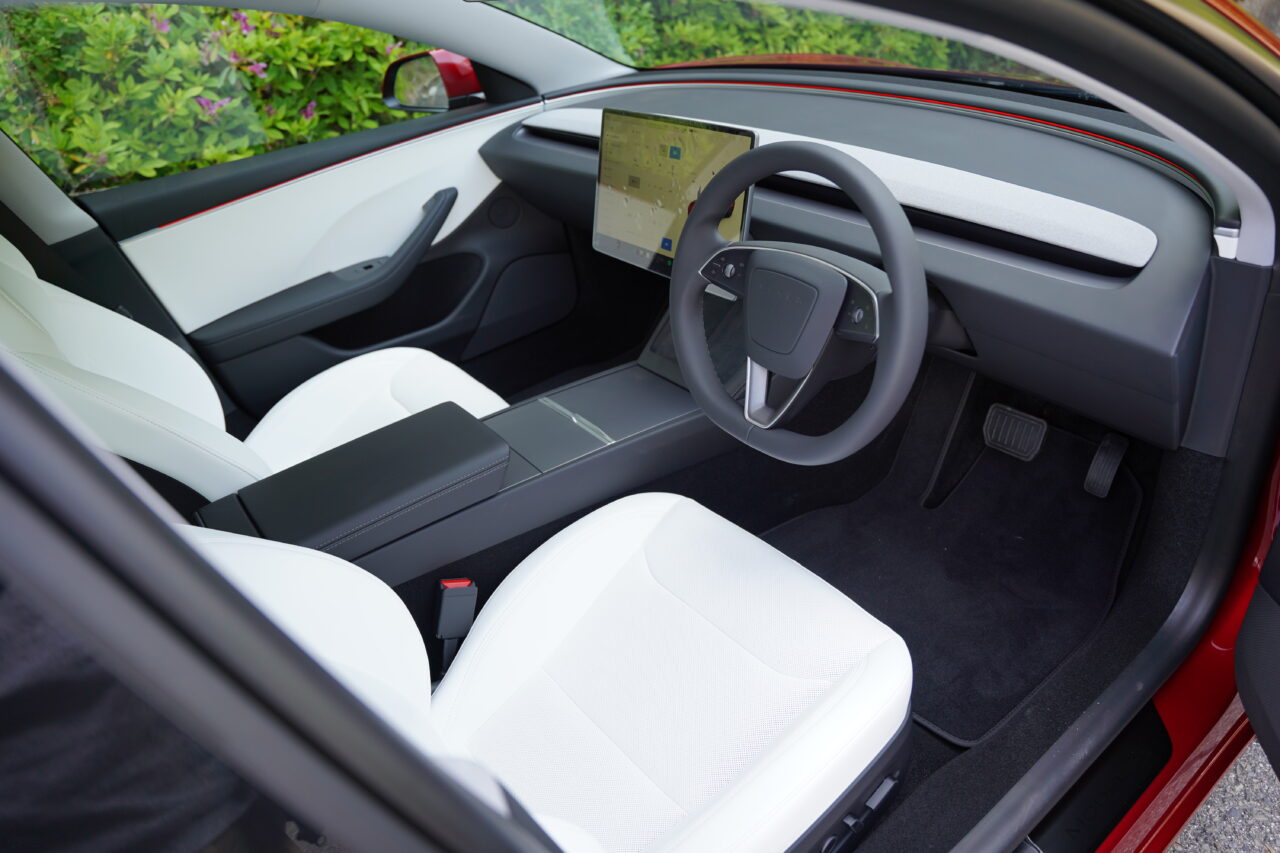
As I mentioned before, the precise handling, outstanding quietness, monthly over-the-air updates, and the ability to make anywhere your office with Camp Mode — these charms are so powerful that the concerns feel trivial. In fact, the scarcity of any other drawbacks underscores the high level of refinement this car has achieved. It’s a car with so few flaws that I find myself pondering, ‘Is there anything else?’ Even after 30,000 kilometers, my score remains 12 out of 10.
For those interested, here is my Tesla referral code link. It helps reduce your vehicle price, so please remember to use it if you decide to buy a Tesla.

このブログが気に入ったらフォローしてね!
Comment ( 0 )
Trackbacks are closed.
No comments yet.