

Driving a 1973 Porsche 911 Carrera RS 2.7: A Rare Porsche Owner Experience
Published:
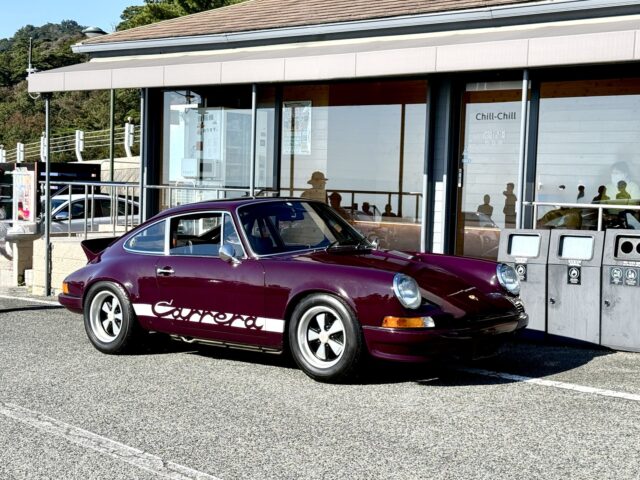

Over the weekend, I headed to the Royu Driveway and had the chance to drive a 1973 Porsche 911 Carrera RS 2.7. Here are my impressions.
(I also got to drive a 992.1 Turbo S, so I’ll write about that another time.)
A Morning on the Royu Driveway
When I reached the observation deck at around 7:40 a.m., it was already packed, and there wasn’t a single space available. So I drove a little farther along the Royu Driveway, then came back and tried parking at the observation deck again. It was great to see so many familiar faces—some who had been there the previous week, and others I hadn’t seen in ages.
Even so, the Royu Driveway is still incredibly hot at this time of year. The direct sun is intense—it feels like the height of summer, and you’ll get quite a sunburn if you don’t protect yourself. It’ll be more pleasant once the weather cools down, but will that just bring even more people out?
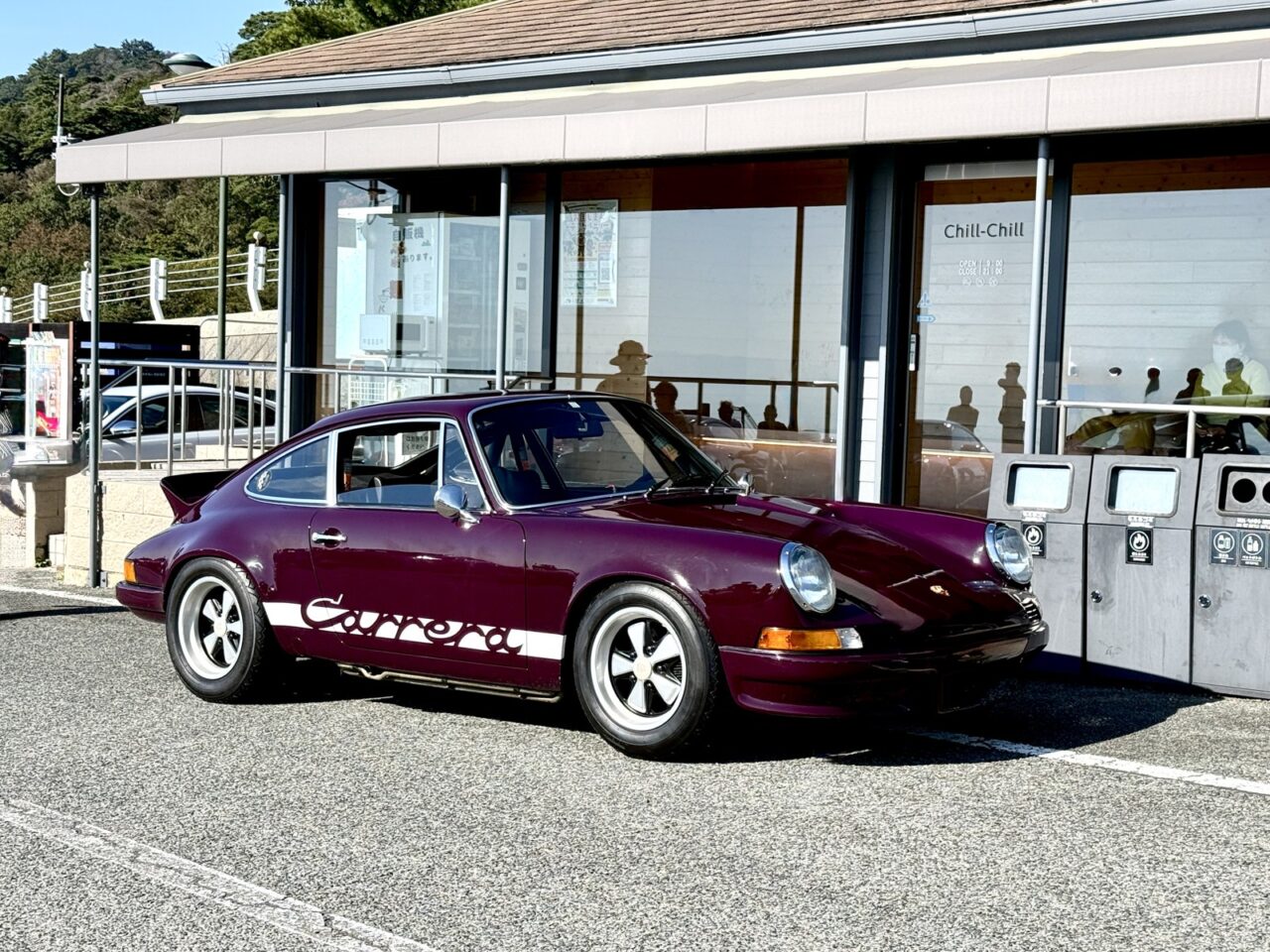
What Is the 1973 Porsche Carrera RS?
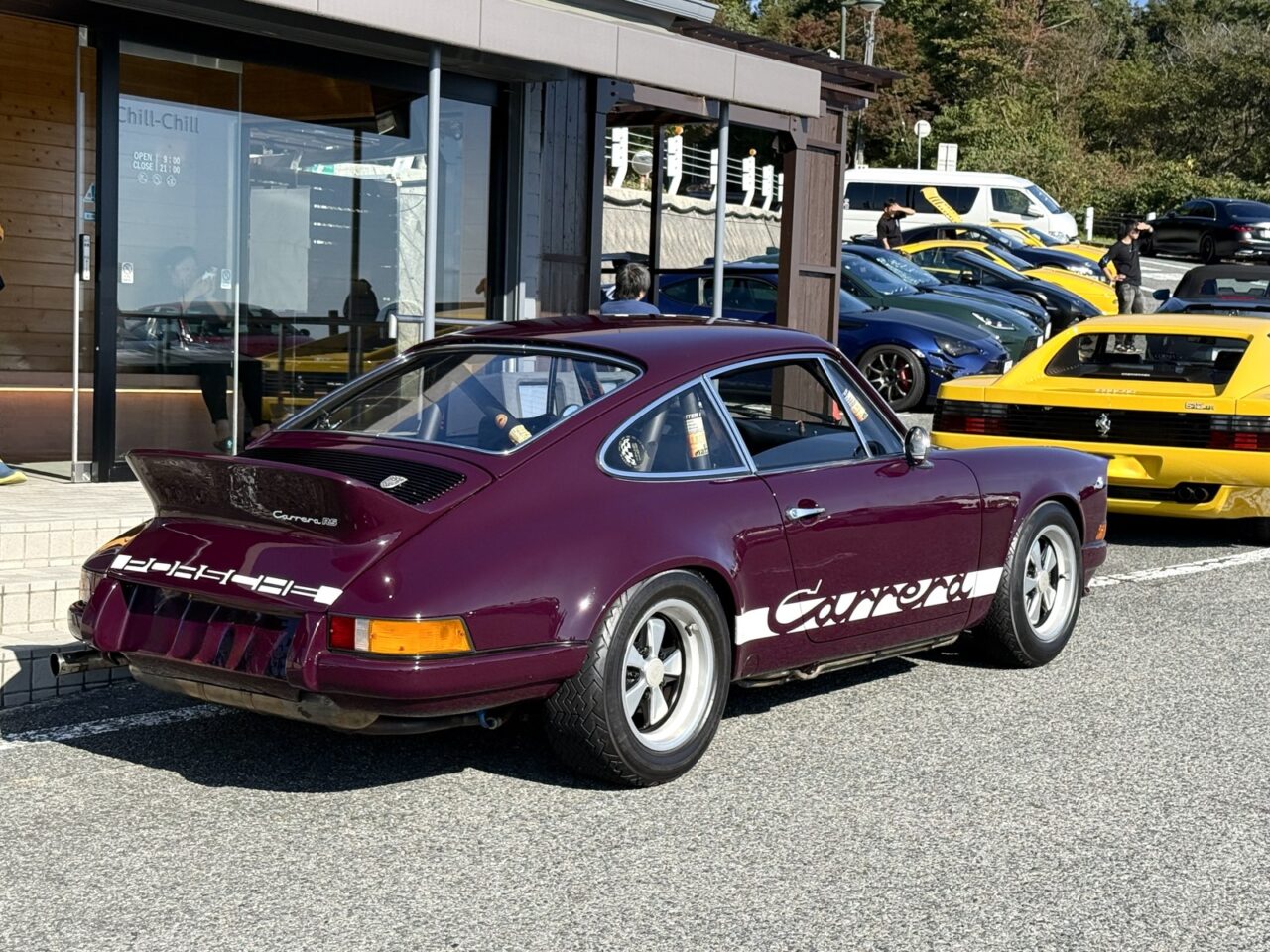
The 1973 Carrera is the 911 Carrera RS 2.7, launched in 1973. It’s also the car my husband reviewed after driving it for the blog. Developed to secure homologation for the World Championship (Group 4), it was based on the 911 S, with weight-saving measures and an engine tuned to 2.7 liters. It was the first 911 to bear the Carrera name, and the ancestor of today’s GT3.
Just 13 were officially imported into Japan. I had the chance to drive one of them.
Driving the 1973 Carrera RS
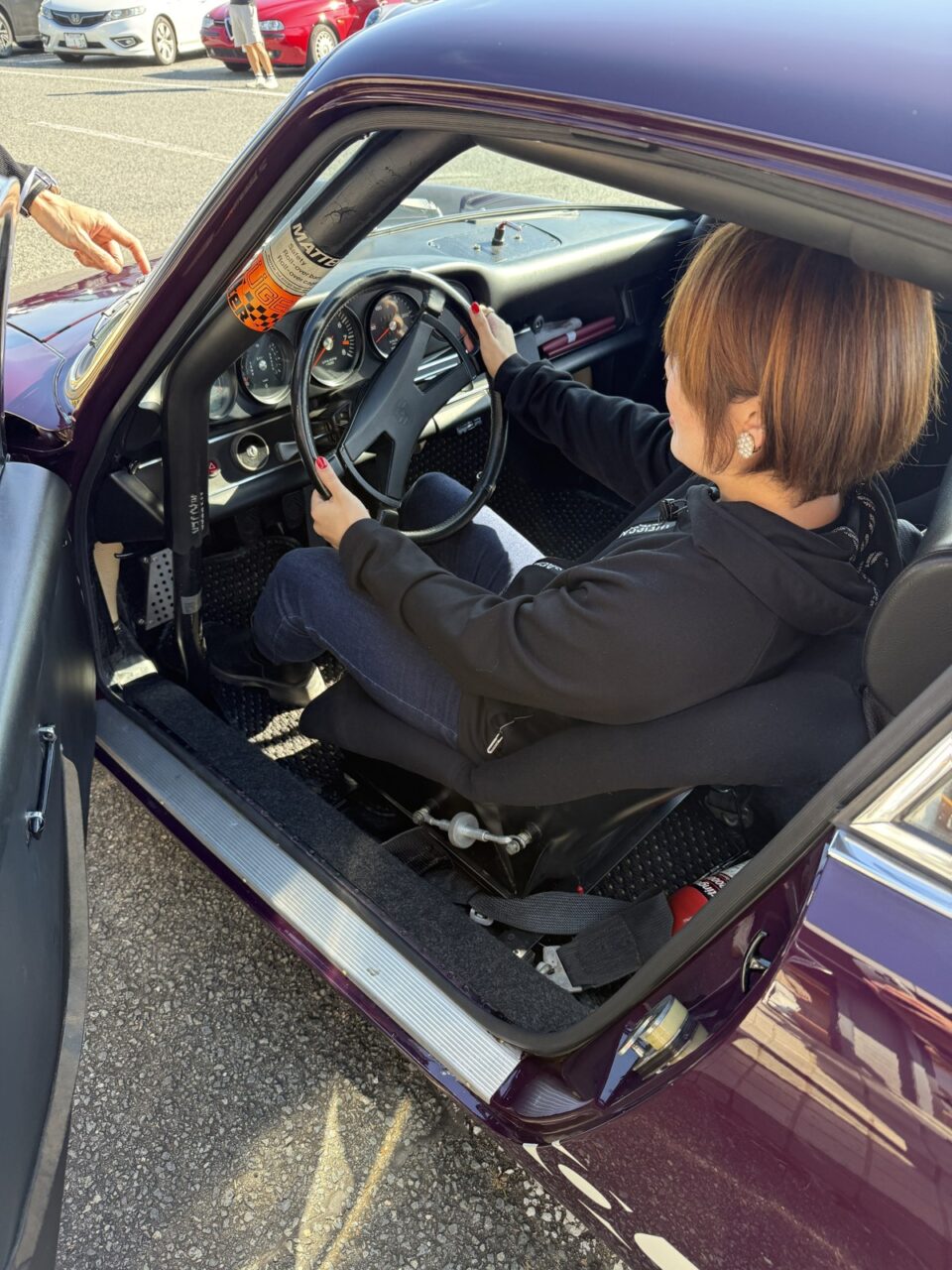
I never imagined I’d get to drive such a rare car!
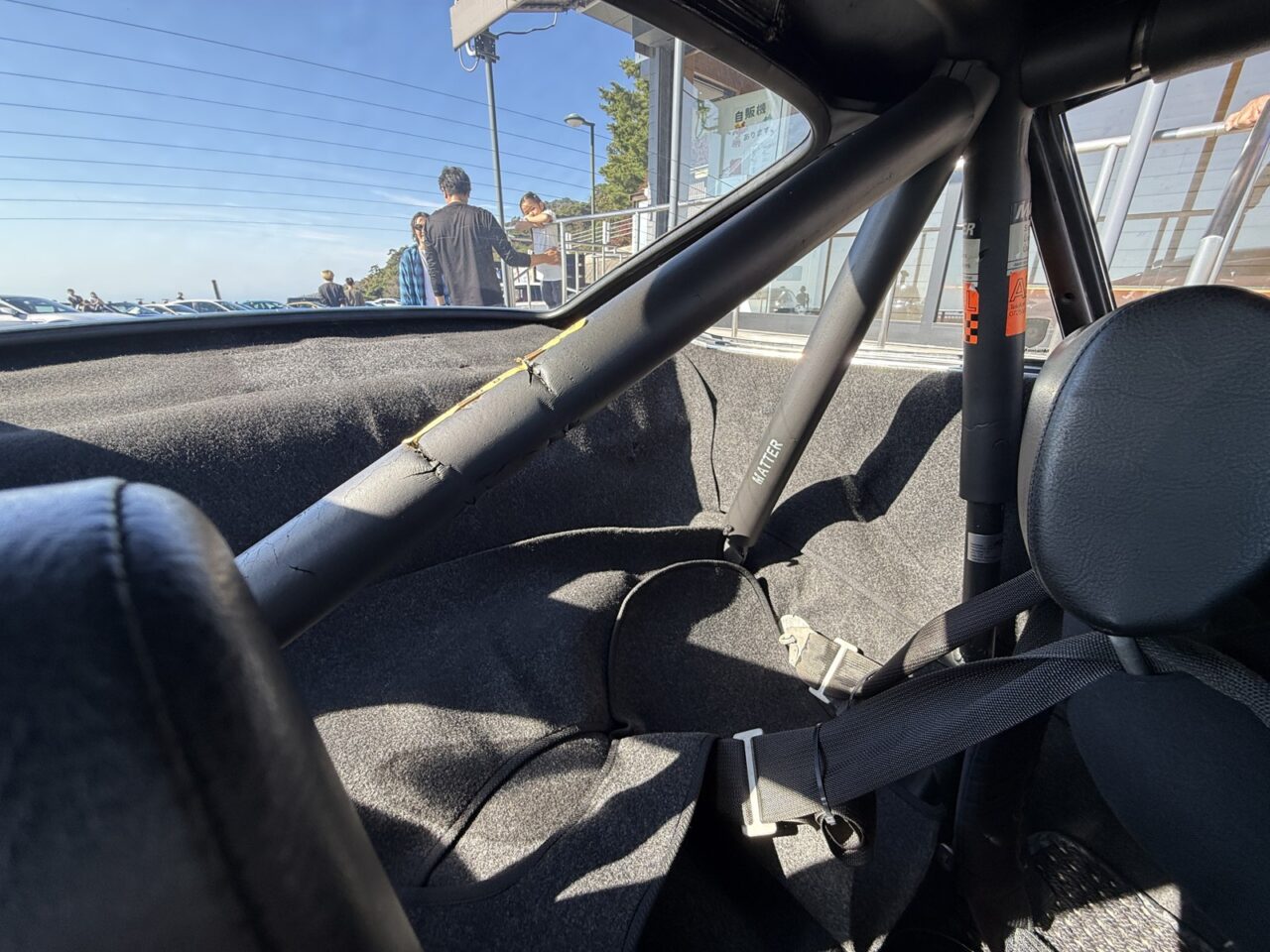
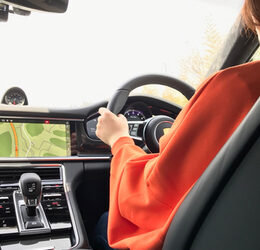
There was a roll cage inside, and the seat belts—which I forgot to photograph—were unlike any I’d seen before. The car had a five-speed manual transmission.
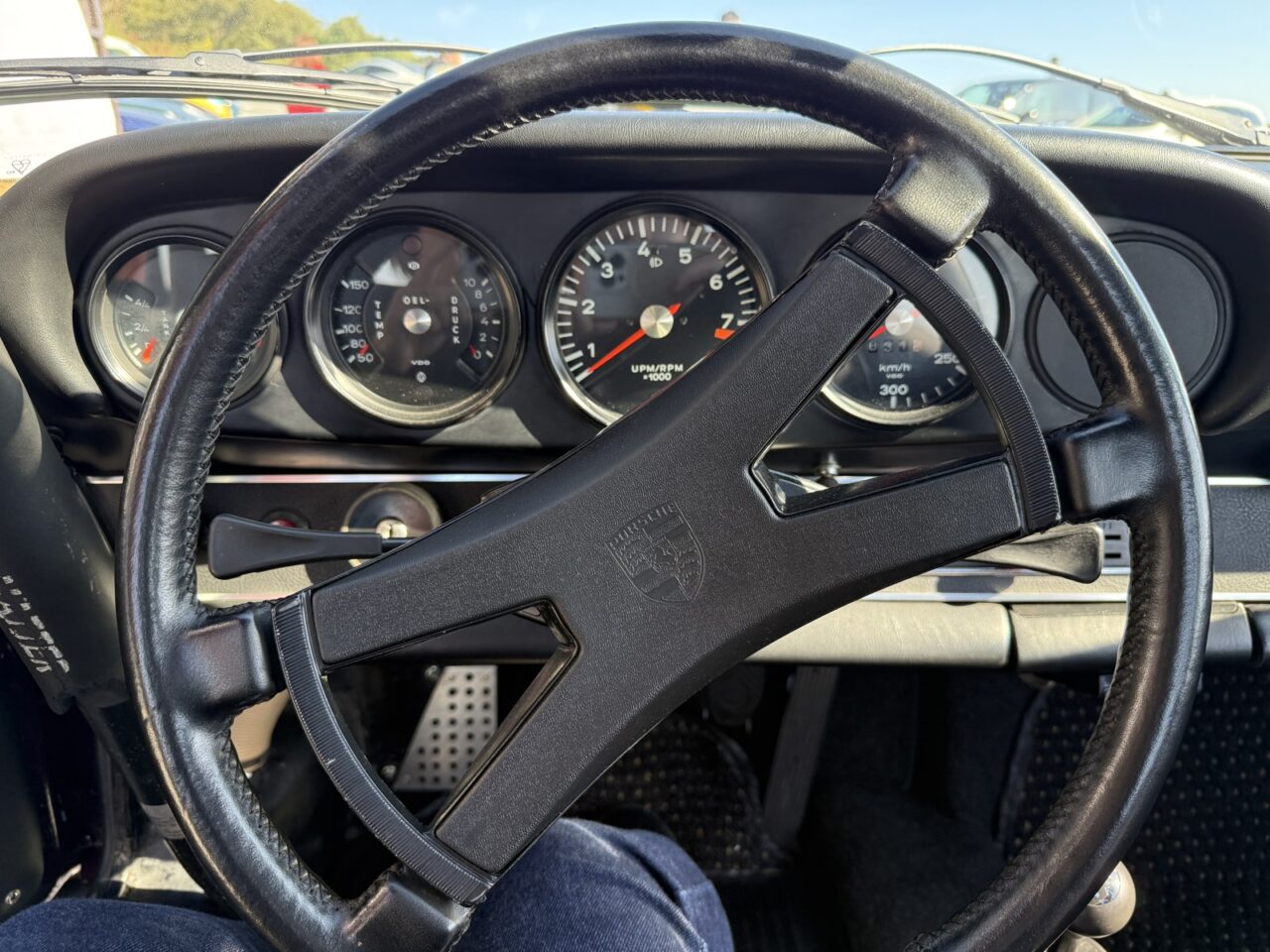
The first thing that surprised me was just how heavy the clutch was. It might be the heaviest clutch in any Porsche I’ve driven. I always thought the clutch in our 981 Boxster GTS was pretty heavy, but this one was heavier still.
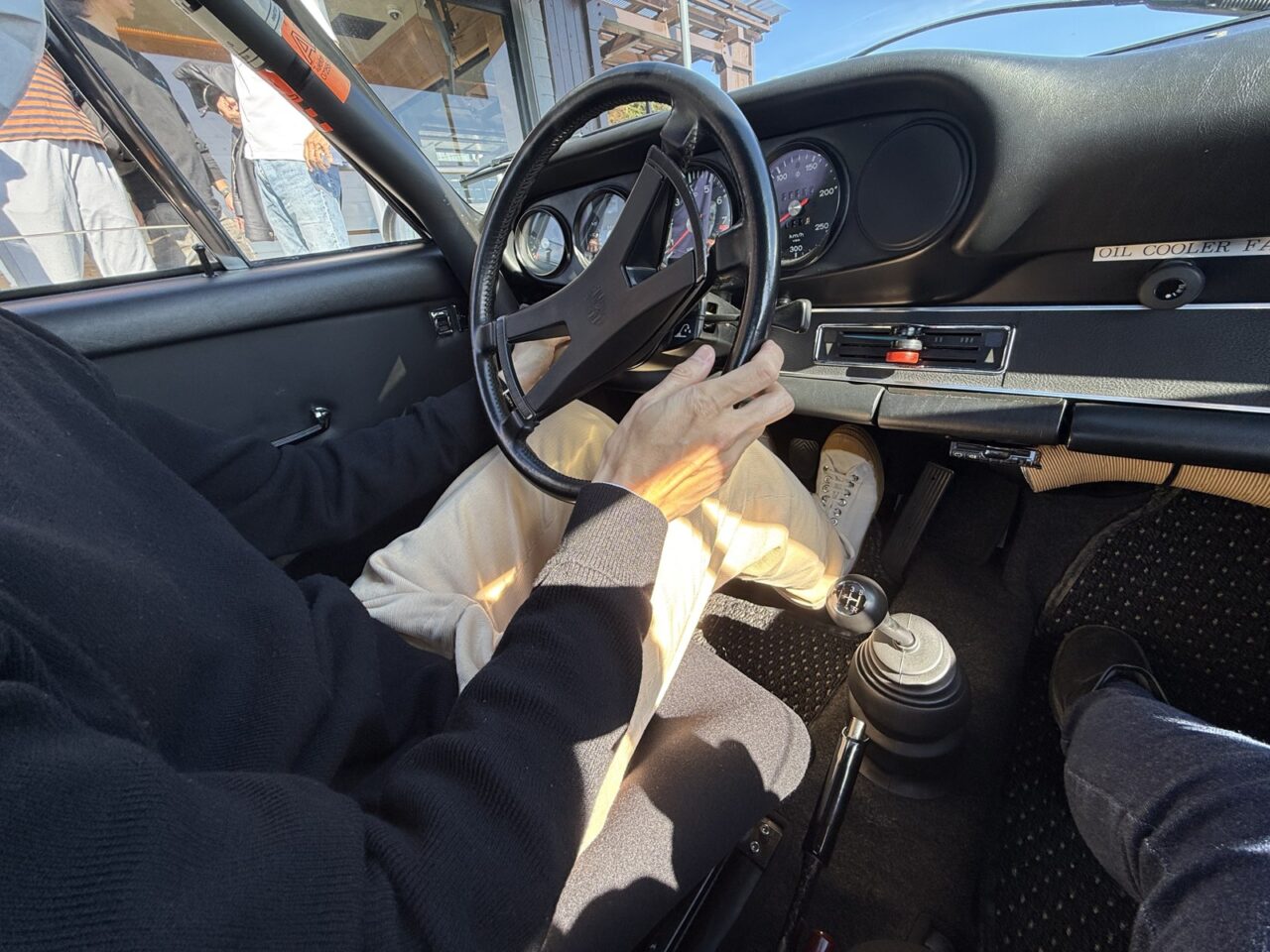
But ease off the brake, and the car rolls forward smoothly. The clutch didn’t feel difficult to engage, either. I wasn’t fighting the car—in fact, I was surprised by how much easier it was to drive than I expected.
That may be partly because, luckily, I’ve had the chance to drive quite a few manual Porsches. My former 992.1 Carrera T had such an easy-to-use manual gearbox (and such a light clutch) that it almost felt like an automatic. If that had been my only experience with a manual, I might have found this one much harder to drive.
The suspension was firm, but not unpleasantly so—it didn’t feel harsh or jittery. I’m sure its excellent maintenance played a part, but I was still surprised by how approachable a car from this era could be behind the wheel.
The steering and cornering felt fantastic. The bucket seat held me securely in place, which also made the car easy to drive.
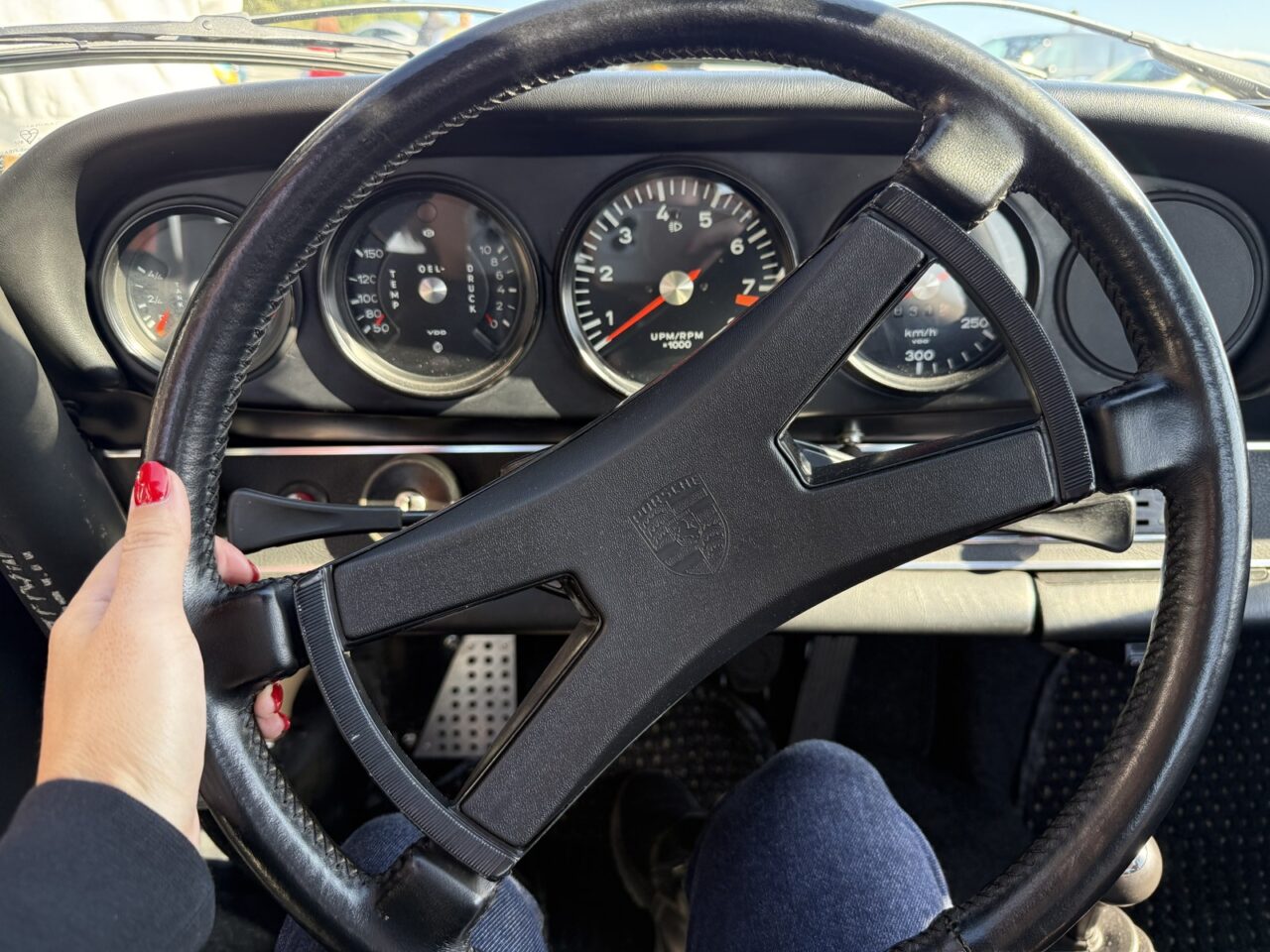
With the windows down, I could hear the air-cooled engine and all those wonderfully mechanical rattles and clicks. Modern cars with seemingly limitless power are impressive, too, but this car offers something different: a natural, effortless way of gathering speed.
“Now I understand why some people keep going back to Porsche’s roots,” I thought. It was an incredibly satisfying car to drive.
A Porsche for the True Enthusiast
If you love driving, I think you’d absolutely love this car. I’m sure plenty of people would love to own one, too—but just look at the prices these days! Buying one is completely out of reach for me. And once you factor in maintenance and running costs, the numbers get even more daunting.
Still, I’m truly grateful to have driven one of the 13 cars officially imported into Japan back in the day. Thank you so much!
I’ll also write about my drive in the 992.1 Turbo S soon.
If you enjoy this blog, follow along.
Comment ( 0 )
Trackbacks are closed.
No comments yet.