

Porsche CEO Says “Nobody Wants an Electric Supercar” — My Answer From Behind the Wheel of the Taycan Turbo GT
Published: 2026.10.23
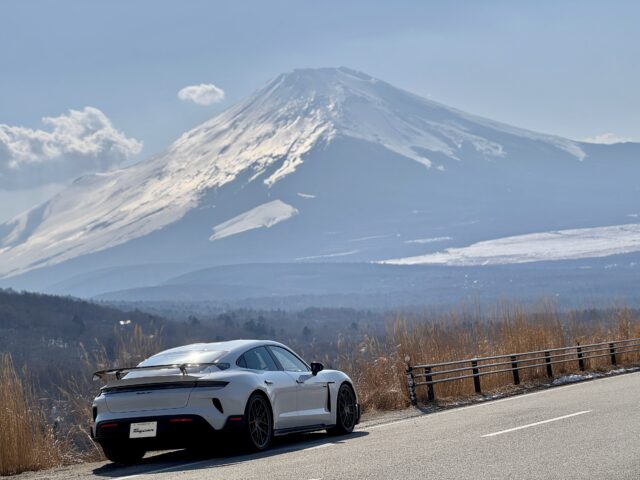

Porsche CEO Oliver Blume says the new mid-engined super sports car planned to sit above the 911 will not be electric: “There’s no demand for a BEV.” A BEV, or battery electric vehicle, runs solely on a battery and electric motors, without an engine.
I know firsthand how quick and rewarding an EV can be, thanks to the Taycan Turbo GT. Is “no demand” really the whole story—and is that the future we want?
コンテンツ
What Porsche’s CEO Means by “No Demand”
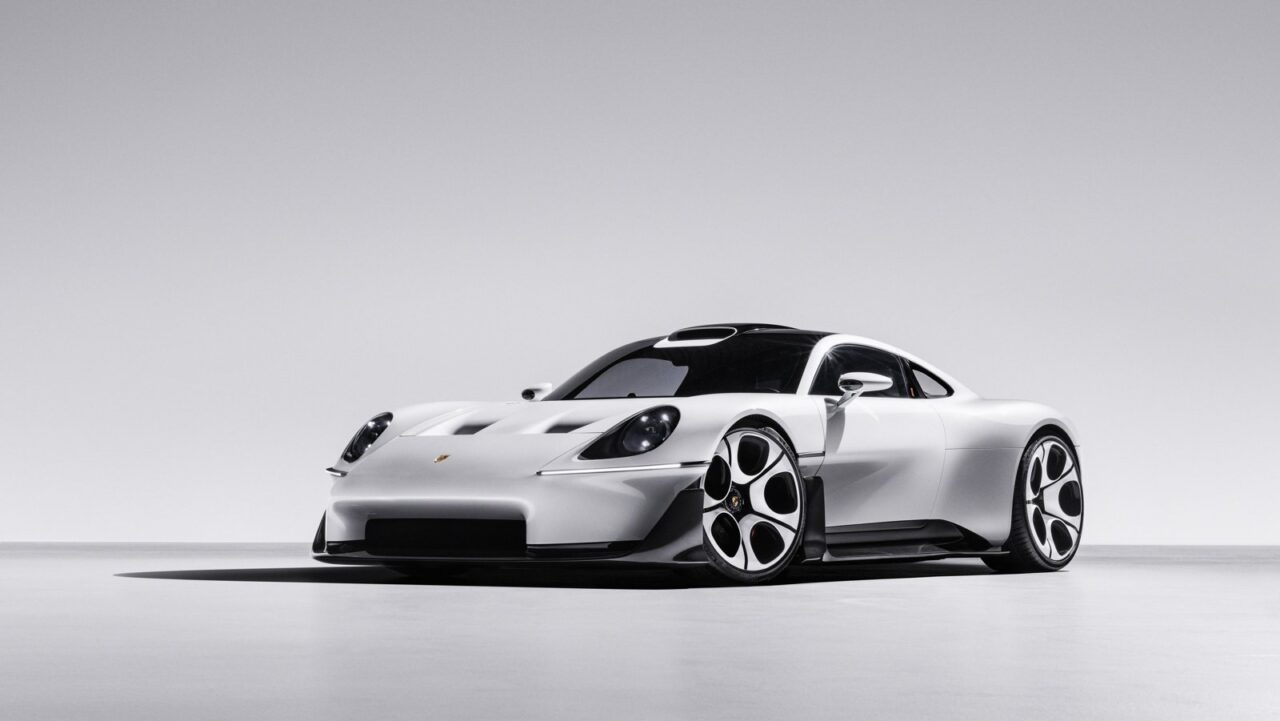
Porsche Mission S (photo by Porsche Newsroom)
The comments came in an interview with British automotive magazine Auto Express.
According to an Auto Express article published on October 16, 2026, the subject was the new mid-engined model, clearly positioned above the 911, previewed by the Mission S concept. Porsche CEO Oliver Blume said the platform—the car’s underlying structure—could accommodate petrol, hybrid, and plug-in hybrid powertrains, but added: “There won’t be a BEV on that platform: there is no demand.” Porsche has not announced when the production model will arrive.
An Auto Express column reports that Porsche expected EVs to account for 80% of its sales by 2030 in 2022, but its latest forecast is 33%. Blume has also reportedly said that the 911 will never be electrified.
Lamborghini, Pagani, and Rimac Reach the Same Conclusion
Porsche isn’t the only automaker to come to this conclusion.
Lamborghini changed plans for the Lanzador, originally intended to be its first EV, and will launch it as a plug-in hybrid instead. CEO Stephan Winkelmann has said customer acceptance of EVs is “close to zero.” Pagani abandoned an electric version of the Utopia after “nobody showed any interest.” Rimac’s electric Nevera hypercar, initially planned for a run of 150, will end production after 71 cars, including the Nevera R.
What these three stories have in common is that buyers didn’t step forward. From January to September this year, the 911 was the only Porsche to grow its sales. Sales of the 911 rose 12%, while the Taycan fell 31%. But the 911’s growth also reflects Porsche’s push to sell more high-end models and its decision to loosen production constraints. Sales figures alone can’t tell us what buyers really prefer.
The Appeal of an EV Is Still Very Real

Our Taycan Turbo GT with Weissach Package
That doesn’t mean electric sports cars are dull.
Our Taycan Turbo GT with Weissach Package rockets from 0 to 100 km/h (62 mph) in 2.2 seconds and reaches a top speed of 305 km/h (190 mph). As I wrote in The Taycan Turbo GT Experience: Part Two, it delivers whatever you need from its 1,000 horsepower almost instantly. There’s no waiting for revs to build; the power is there across the entire range. It brings the kind of exhilaration you’d expect on a racetrack right into everyday driving. And its electric soundtrack is every bit as satisfying as the one in our 981.
The low center of gravity also feels like an advantage a gasoline-powered car simply can’t overcome. Through Suzuka’s final chicane, the Taycan feels sharper and more composed than a Boxster or 911. In outright speed and handling, EVs have the edge in plenty of situations. And as I noted in my first-drive impressions of the entry-level Cayenne EV, the electric Cayenne was one of the most impressive new Porsches I’ve driven.
“There’s No Demand” May Be Right—but I Still Want to See What Comes Next
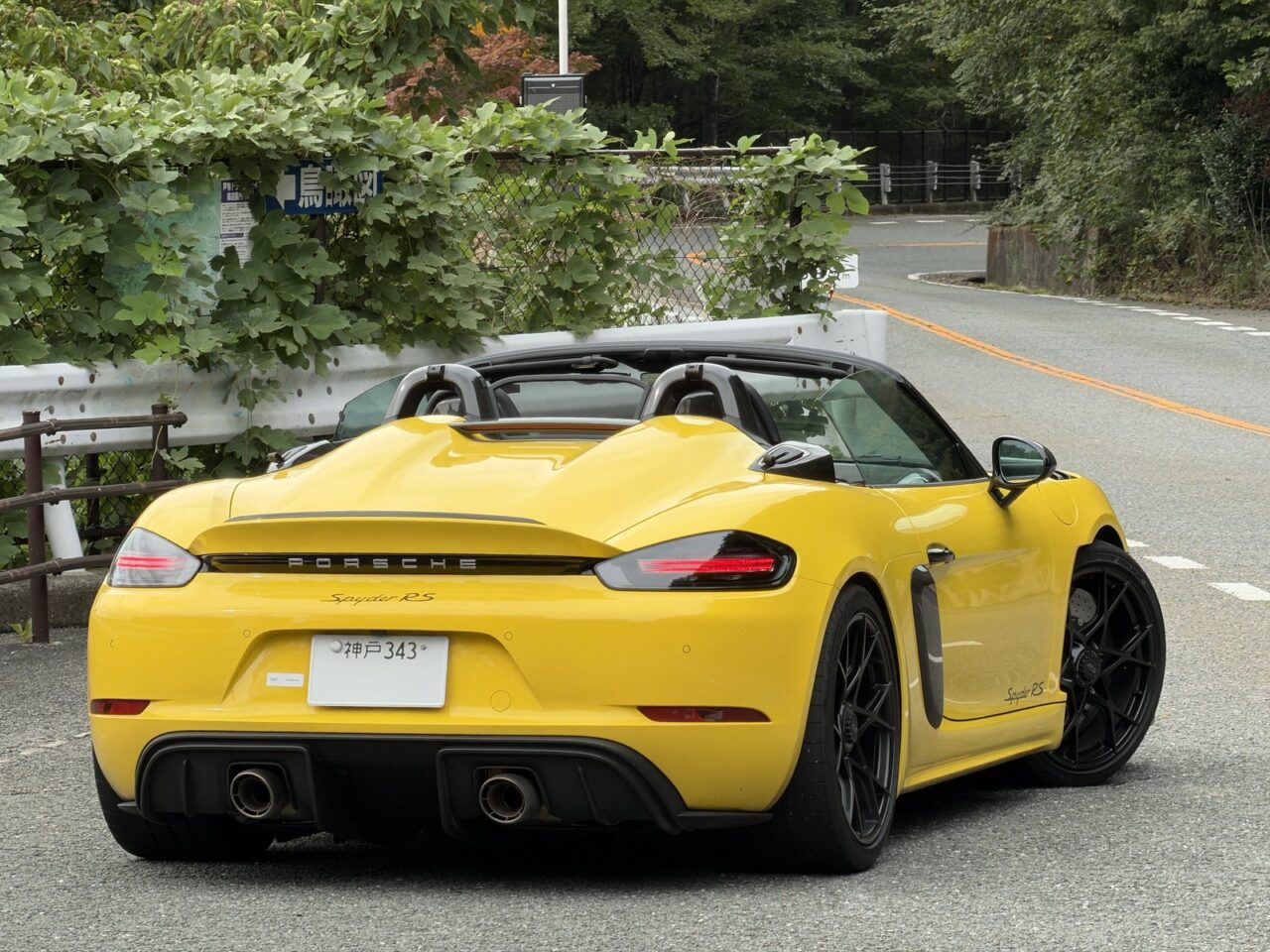
Our 718 Spyder RS
I think the CEO may be right that there’s no demand.
There are two reasons. First, while young people are often said to be open-minded about EVs, buyers of ultra-luxury cars tend to be older. Many of them remain wary of electric vehicles. They also know the pleasures of traditional engine-powered cars—and actively seek them out. Second, buyers may believe that EVs become outdated faster than combustion-engine cars, as high-performance batteries, motors, powertrains, and in-car infotainment systems are continually updated. That, too, could help explain why this group isn’t clamoring for an electric supercar.
Even so, my view hasn’t changed since I wrote about how the Taycan Turbo GT changed my perspective on cars. I want Porsche to make the shift to EVs sooner and build ultimate models like a super 911 or super 718. In theory, there’s a way to preserve what’s special about both EVs and combustion engines. But if future emissions rules leave us with only quiet, heavily controlled engines, it’s hard to feel optimistic about the status quo.
The CEO may be right. But is that enough? This is no longer an era in which we can entrust the future to the visceral appeal of the combustion engine. I’d love to see a world of genuinely fun-to-drive, emotionally stirring engine-powered Porsches, like the 981 and older models from before the 991. And I want to see the ultimate Porsche built as an EV, too.
If you enjoy this blog, follow along.
Comment ( 0 )
Trackbacks are closed.
No comments yet.