

3 Surprising Cars Developed by Porsche: A Little-Known History of Contract Engineering
Published: 2024.09.20

コンテンツ
Porsche’s Little-Known History of Contract Engineering
When people think of Porsche, many picture sports cars like the 911, Boxster, and Cayman.
But when Ferdinand Porsche founded the company in 1931, he reportedly had no plans to build cars under its own brand. Instead, the business focused on development projects commissioned by other manufacturers.
Even after Porsche unveiled its first own-brand car, the 356, in 1948, it continued to take on development work for outside clients. This business model is credited with helping the company weather difficult financial periods, including the oil crises of the 1970s and a 72% drop in sales between 1986 and 1993.
Through collaborations with manufacturers ranging from Mercedes to Lada, Porsche helped create some of the world’s most popular cars. Here are three unexpected cars developed with Porsche’s involvement.
1. Volkswagen Beetle: The Birth of the “People’s Car”
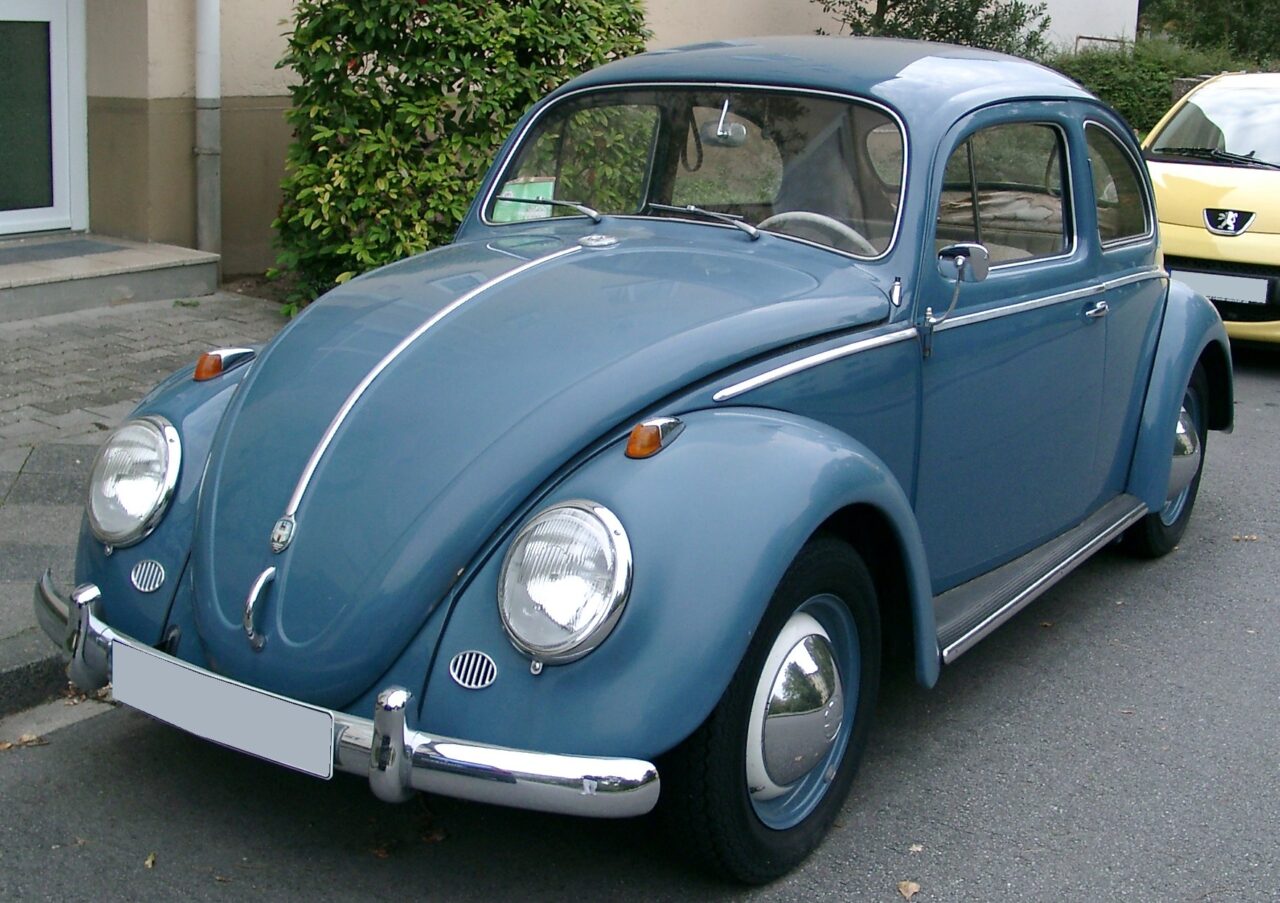
In 1934, under Germany’s Nazi regime, Porsche was commissioned to develop a “people’s car”—Volkswagen. That car would become the Beetle. After World War II, Volkswagen came under Allied control, and the Beetle was reportedly dismissed at first as noisy and impractical.
But once imported to the United States, the Beetle became a huge success. Buyers appreciated its clever design, durability, economy, and compact size. By 1968, it had become the world’s best-selling car, transforming its image from Hitler’s “people’s car” into a symbol of Germany’s postwar recovery and peace.
The Beetle wasn’t a Porsche-branded car, but it laid the foundation for Porsche’s first production model, the 356, and could be seen as a forerunner of the 911.
2. Mercedes-Benz 500E: An Unlikely Collaboration Between Rivals
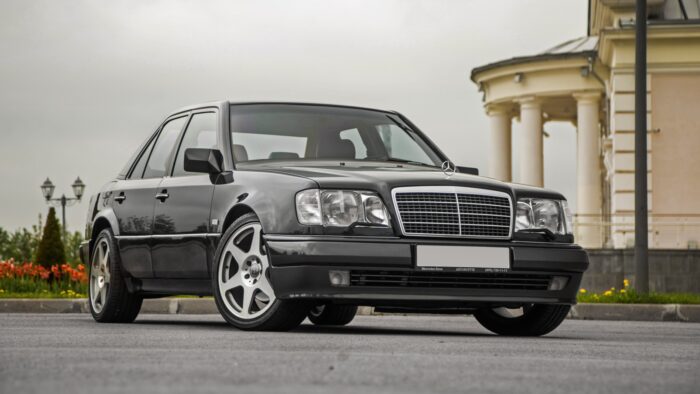
In the late 1980s, as Porsche once again faced financial difficulties, an opportunity came from an unexpected source: its longtime rival, Mercedes-Benz.
At the time, Mercedes was losing ground in the luxury-car segment following the arrival of the Lexus LS 400. Busy developing a new S-Class, Mercedes commissioned Porsche to fit an M119 V8 engine into the W124 chassis.
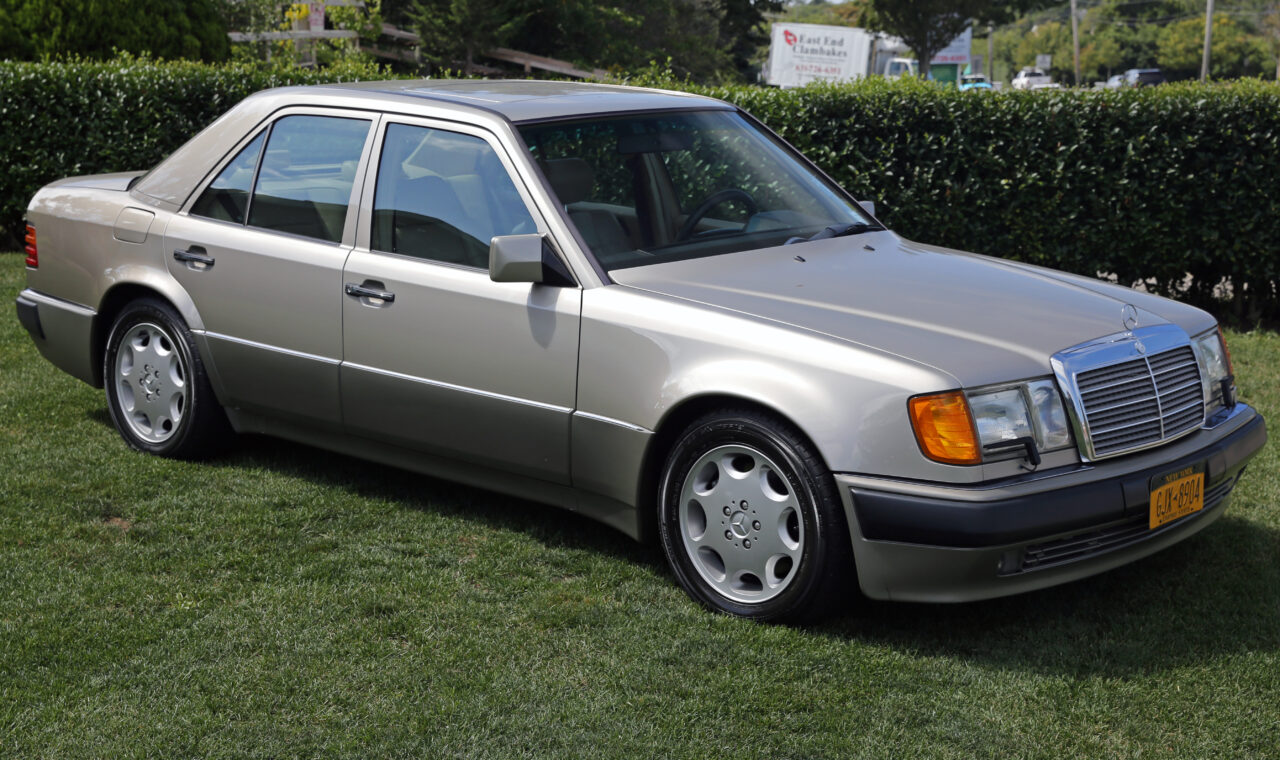
Porsche concluded that the chassis needed to be widened, and production ultimately involved shuttling the cars between Mercedes and Porsche factories. The resulting 500E earned a reputation as one of the greatest luxury sedans ever built—and helped Porsche through its financial troubles.
For a look at the AMG version, the E60, see our earlier test-drive review.
3. Audi RS2 Avant: The Beginning of the RS Line
Audi RS models are known as the brand’s ultimate performance cars. Surprisingly, though, the RS story began with a high-performance wagon.
Like the Mercedes 500E, the Audi RS2 grew out of contract work Porsche took on during a financially challenging period. Audi needed a successor to its legendary Quattro and wanted to compete with the BMW M3, so it turned to Porsche for help.
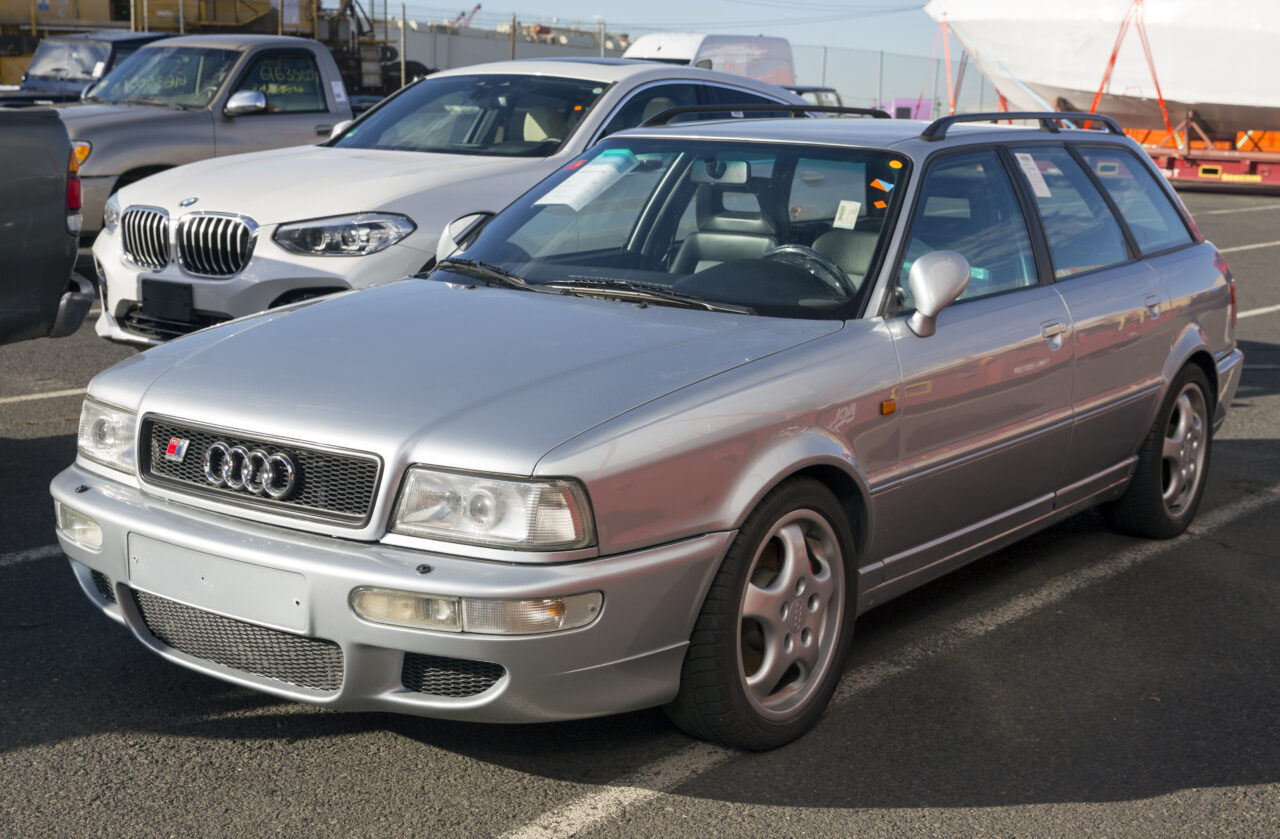
Porsche refined Audi’s five-cylinder turbo engine, bringing output to 315 hp and 410 Nm of torque. It also handled chassis tuning, developing a distinctive suspension setup. The RS2 became a striking symbol of the two companies’ collaboration, using parts taken directly from the 911, including its brakes, side mirrors, and wheels.
Porsche Also Helped Develop a Minivan
Porsche also collaborated with Opel—and even contributed to the development of a minivan.
For the Opel Zafira, Porsche devised an innovative seating system that allowed two additional seats to be folded up from the floor, turning the car into a seven-seater. The resulting Zafira was well received by European automotive media.
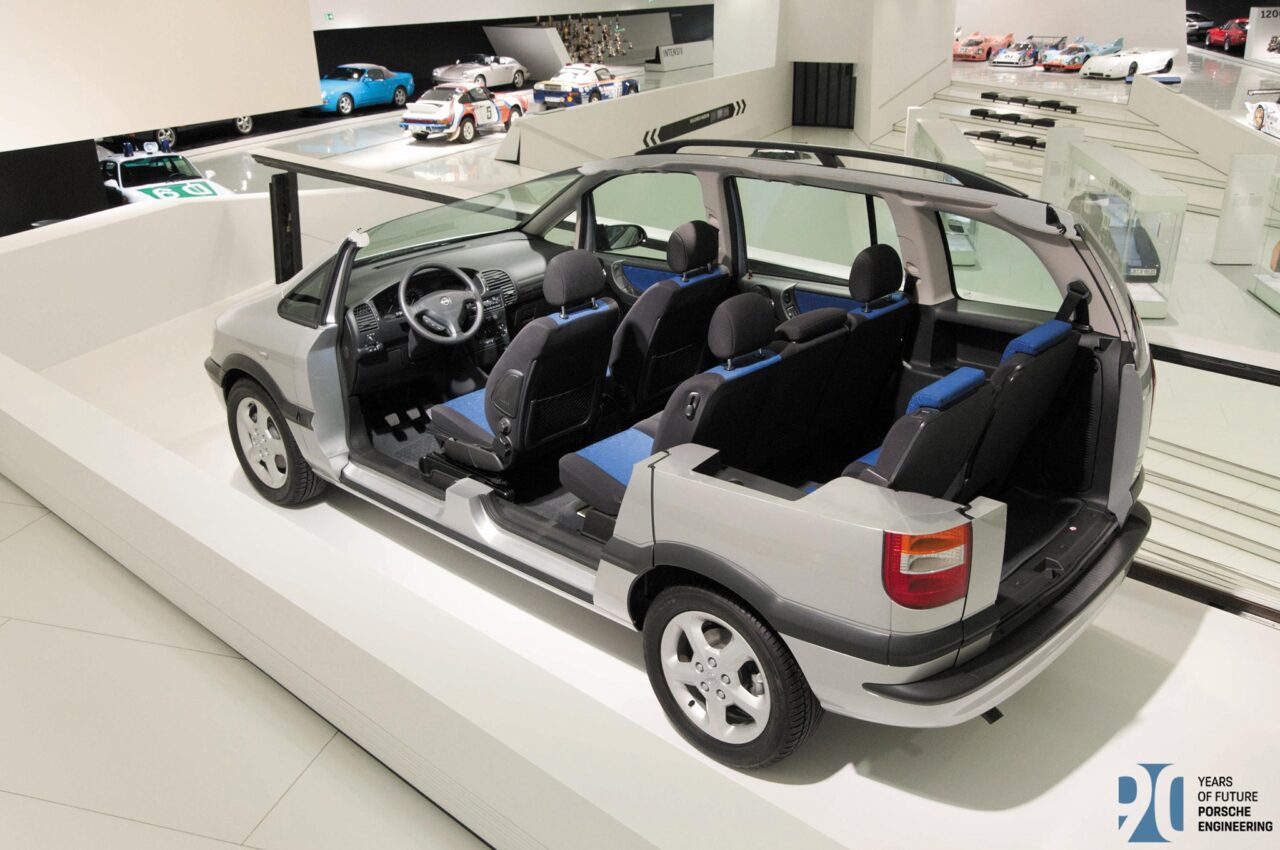
Photo by MechDesign.xyz
These examples show that Porsche is more than a sports-car maker: it has a broad range of automotive engineering capabilities. Contract development began as a way to overcome financial difficulties, but it ultimately gave Porsche a chance to demonstrate its technical expertise and adaptability to the world.
We hear less about Porsche taking on contract development projects these days, but it’ll be interesting to see what kinds of projects the company gets involved in next.

If you enjoy this blog, follow along.
Comment ( 0 )
Trackbacks are closed.
No comments yet.