

The Common Spirit of Soarer and Porsche Loved by Jiro Shirasu: Reflecting on Japan’s Motorization History
公開日:

コンテンツ
Jiro Shirasu, a leading postwar Japanese businessman famously dubbed by the GHQ as “the only Japanese who would not obey”, remains a personal favorite of mine. I once had the chance to visit his former residence, the historic “Buaiso.”
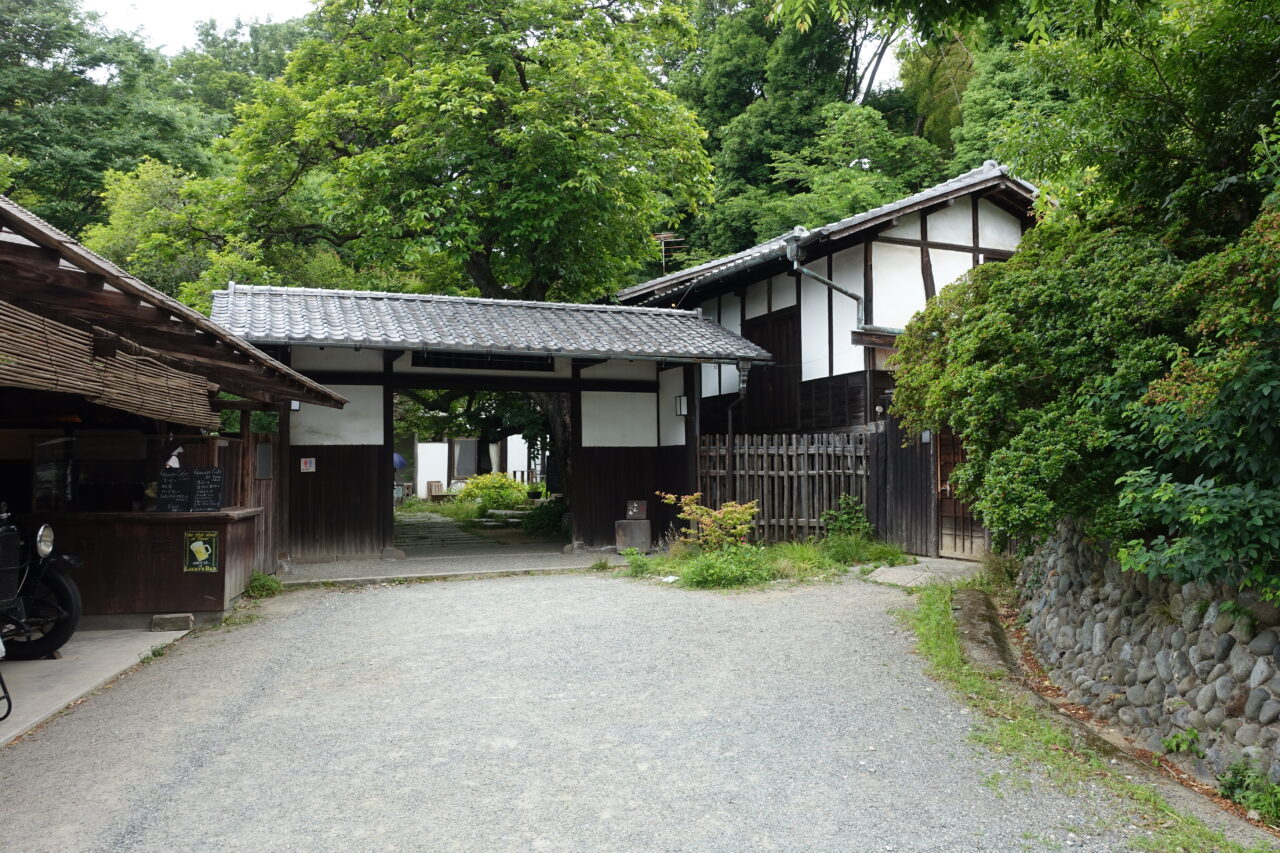
Former Shirasu Residence Buaiso
Not only was he known as a trusted aide to Prime Minister Shigeru Yoshida, but Shirasu was also a passionate car enthusiast. During his Cambridge days, he owned a 1924 Bentley 3L Speed Model and a Bugatti, and even past the age of 80, he continued to grip the wheel of his beloved Porsche 911S. In his later years, he purchased the first-generation Toyota Soarer and personally offered improvement suggestions directly to its chief developer.
Though Porsche and Soarer might seem worlds apart, these two cars share a philosophy that Shirasu deeply appreciated. Let’s explore his character and passion for automobiles to better understand the ideals Japan’s automotive industry has pursued.
Jiro Shirasu: A Life of Principles Spanning 83 Years
Born in 1902 in Ashiya City, Hyogo Prefecture, Shirasu was captivated by cars from his early days at Kobe First Middle School.
While studying at Cambridge University, he honed his automotive aesthetic by driving a Bentley 3L Speed Model and a Bugatti Type 35. After returning to Japan, he thrived as a businessman and served as a close aide to Prime Minister Yoshida during postwar negotiations with the GHQ. Anecdotes from his tenure as chairman of Tohoku Electric Power reveal his hands-on style—he personally drove a Land Rover Defender, wearing a helmet, sunglasses, and boots, to inspect dam construction sites.
A Deep Affection for the 1968 Porsche 911S
One of Shirasu’s most cherished cars until his final years was the 1968 Porsche 911S.
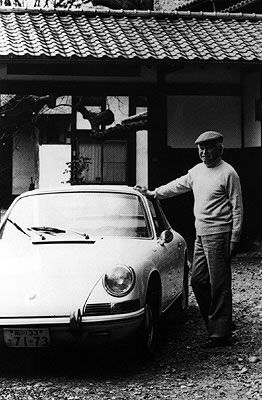
*Image source: Former Shirasu Residence Buaiso
Equipped with a 2.0L flat-six engine producing 160 horsepower, Shirasu was not content with the stock setup and later upgraded it to a 2.4L engine. This was more than mere ownership—it reflected his relentless pursuit of the ideal driving experience.
Since its debut in 1963, the Porsche 911 has steadfastly maintained its rear-engine, rear-wheel-drive layout. This unwavering commitment to its core design philosophy resonates with Shirasu’s lifelong mantra of “principle.” Even past 80, he continued to steer his 911S, fully appreciating the car’s “irreplaceable value.”
A Letter to the Soarer’s Developer: The Spirit of “No Substitute”
In 1981, Toyota launched the first-generation Soarer.
Its chief developer, Toshihiro Okada, imbued the car with cutting-edge car electronics and a specially developed engine, aiming to prove Toyota’s technical prowess much like the legendary Toyota 2000GT. However, there was one outspoken critic: Jiro Shirasu. Then-president Shoichiro Toyoda contacted Okada, leading to Shirasu’s involvement.
Later, Shirasu sent a letter accompanied by a dozen golf balls, listing five specific areas for improvement:
Steering wheel diameter, minimum turning radius, power steering assist level, rear seat crampedness, and insufficient battery capacity. The battery issue was particularly valid, as complaints had been reported. Shirasu’s feedback hit the mark. Furthermore, when the second-generation Soarer was in development, Shirasu’s memorable words were passed along: “No Substitute—build a car that is truly irreplaceable.” This ethos aligns perfectly with Porsche’s enduring spirit, famously captured in their slogan “There is no substitute.”
The Uncompromising Philosophy Shared by Soarer and Porsche
Interestingly, Okada himself was a Porsche enthusiast.
While at Toyota, he favored the 911 and was a longtime owner of the 930-generation 911. The fact that the developer of a Japanese high-performance GT car deeply understood and loved Porsche—a brand that had long dominated this segment in Europe—speaks volumes about the Soarer’s true nature.
The “No Substitute” value Shirasu championed applies equally to the Porsche 911 and the Soarer.
The 911 has preserved its fundamental design for over 60 years, while the Soarer proved that Japan’s automotive industry could compete on equal footing with the world. What unites these cars is their established raison d’être: they must be this car and no other. Shirasu’s love for the Porsche 911 and his candid feedback on the Soarer reveal that he saw the same potential in both vehicles.
このブログが気に入ったらフォローしてね!
Comment ( 0 )
Trackbacks are closed.
No comments yet.