

Driving a Manual: Learning to Balance the Throttle and Clutch
Published: 2019.09.17
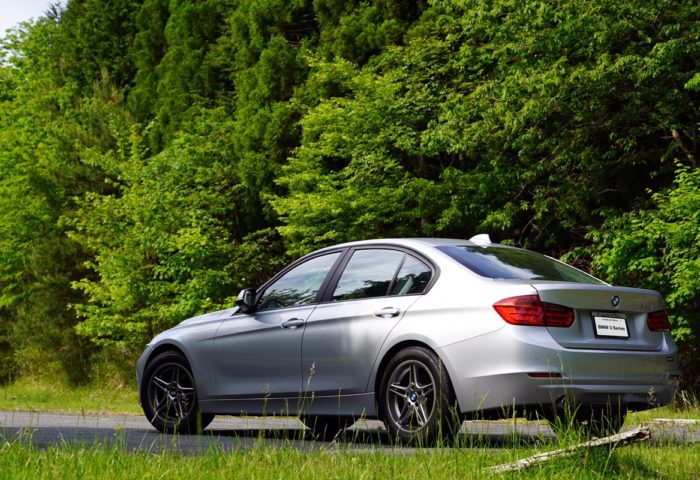

About the BMW 320i
It’s hard to believe it’s been almost five months since our BMW 320i joined the family. Has it really been that long? It doesn’t feel like it. And since the 320i has a manual transmission, that also means it’s been five months since I started driving a stick shift as my everyday car.
At this rate, a whole year will fly by before I know it—and then it’ll be time to pay the annual vehicle tax! The other day, after driving the 320i for the first time in a while, my husband said:
The engine feels like it revs so much more freely now. It seems to be running better than it did right after we got it. Maybe it’s getting used to us, and the previous owner’s habits are wearing off.
I drive it almost every day, so I haven’t really noticed the change myself. But if my husband could feel a difference after some time away from the wheel, the way the car drives must be changing. I’m looking forward to it feeling even more like my own as time goes on.
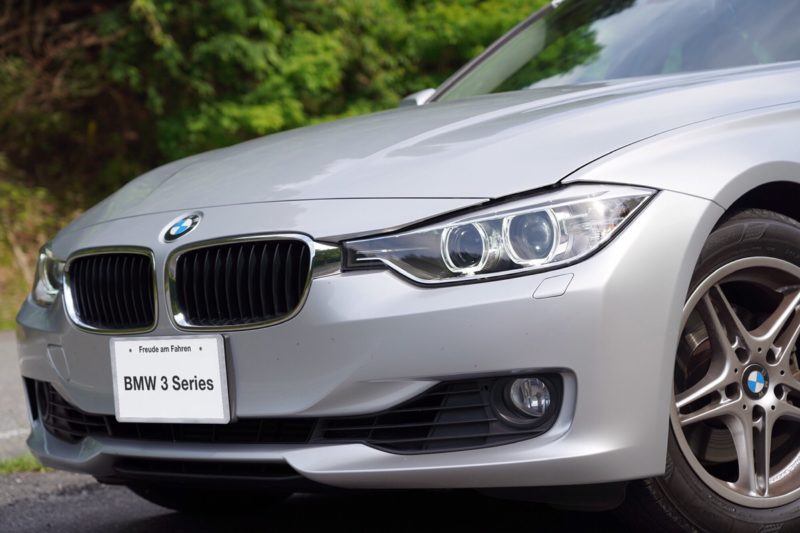
Learning to Drive a Manual
I used to feel intimidated by manual cars and couldn’t drive one at all. But once I started using one regularly, I got the hang of it much faster than I expected. I think it took about a week before I could simply drive it without too much trouble.
But I soon realized there’s a long, subtle road between that and being able to drive smoothly and skillfully. A little while ago, my husband gave me this advice:
When you’re driving a manual, it’s easy to focus too much on the clutch, but throttle control matters just as much. The key is to take your time and make every movement smoothly.
I understood what he meant, but putting it into practice was easier said than done.
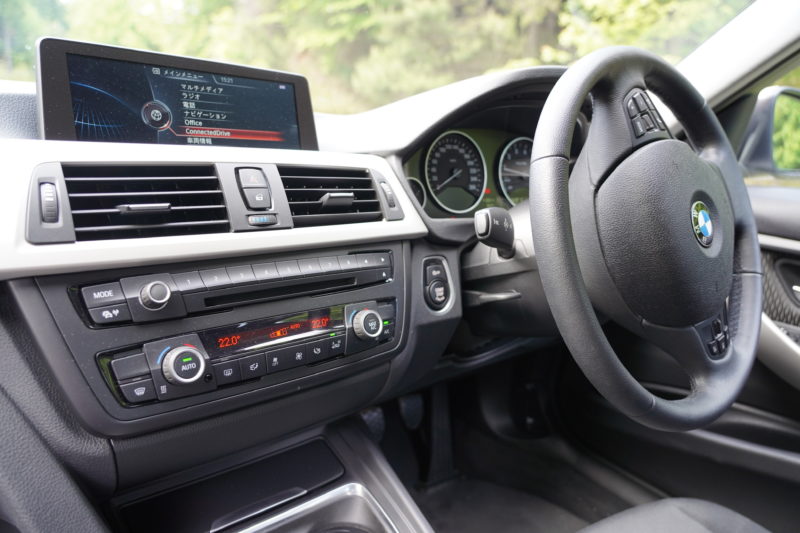
Whenever I focused on being gentle with the throttle, I stopped paying enough attention to the clutch. And when I tried to work the clutch smoothly, I neglected the throttle instead. The result was a jolt during shifts, and a drive that was anything but smooth (-_-).
Every so often, I’d get it right, but for quite a while my driving remained a little hit-or-miss.
I found myself thinking, “PDK really is clever, and automatics are amazing. They shift so much more smoothly than a human ever could.” Then, as I was driving as usual the other day, something suddenly clicked.
“Ah, so this is what it means to work the clutch and throttle smoothly!” At last, I got a feel for coordinating both feet and making the inputs together. It just goes to show: whatever you’re learning, practice makes all the difference.
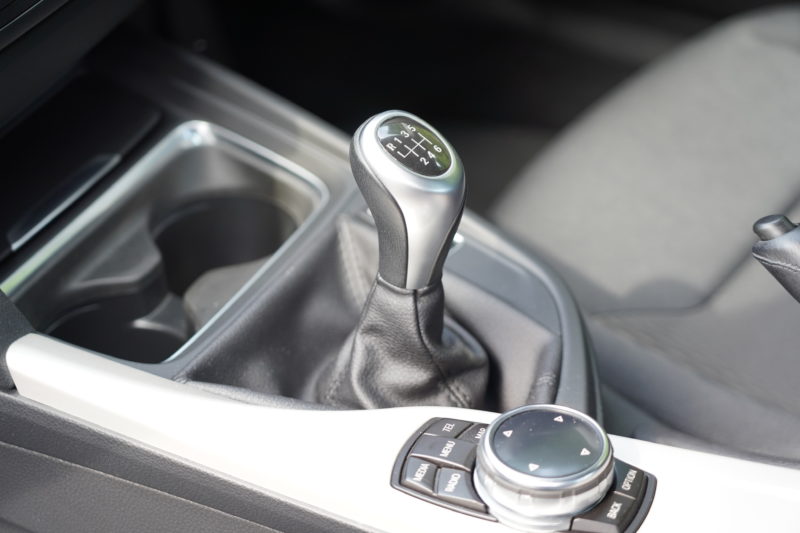
It also occurred to me that continuing to drive a manual must be great for keeping your mind sharp. Playing the piano is said to help keep the brain active because it involves using both hands—and your feet—in different ways. Driving a manual might offer a similar kind of mental workout.
It may be the opposite of where the world is headed as autonomous driving technology advances, but I hope I can keep driving a manual for years to come—even if it isn’t every single day.
One More Thing
I was so excited about finally getting the hang of driving a manual that I pulled into a parking lot to share the news on Twitter. As I sat there looking at my phone, I sensed something moving outside. I quickly looked up and saw two adult wild boars trotting right past the car.
Wait—wild boars?! (゚д゚)!!
They had remarkably gentle-looking eyes and moved with a lightness that was the complete opposite of the boar’s “charge first, think later” reputation. They slipped through a gap in a broken wire fence and disappeared among the trees.


If I hadn’t stopped to post on Twitter and had gotten out of the car right away, I might have come face-to-face with them. A collision with a wild boar can be seriously dangerous. I should probably think about what to do if I ever encounter one again!
If you enjoy this blog, follow along.
Comment ( 0 )
Trackbacks are closed.
No comments yet.