

Macan GTS Review: How the Facelifted Model Compares with the Earlier Version
Published: 2021.08.05
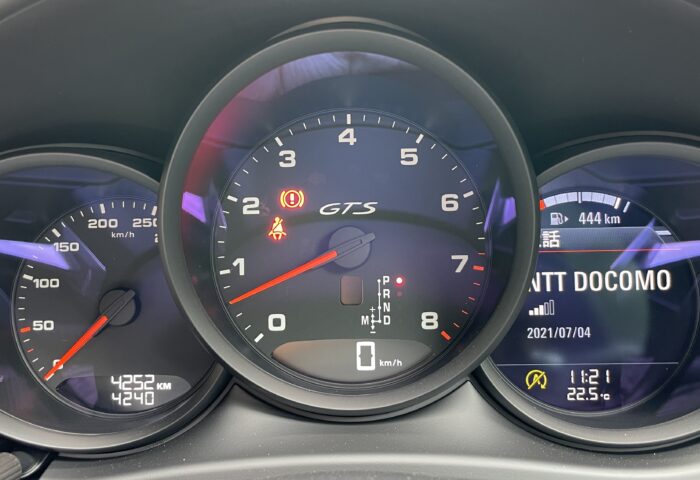

My husband had the chance to drive a Porsche Macan GTS and has written up his impressions. We hope you enjoy reading them.
Porsche has just announced a facelifted Macan, and around the same time, we had the opportunity to drive the later version of the Macan GTS—soon to be known as the mid-cycle model. This review focuses on how it compares with the earlier Macan Turbo, which I’ve driven before.
コンテンツ
The Macan GTS
This Macan is a 2021 model (MY2022) GTS, finished in understated Volcano Grey Metallic. Its 20-inch RS Spyder Design wheels, body-color emblems, and Alcantara GTS sport seats give it a distinctly sporty look.
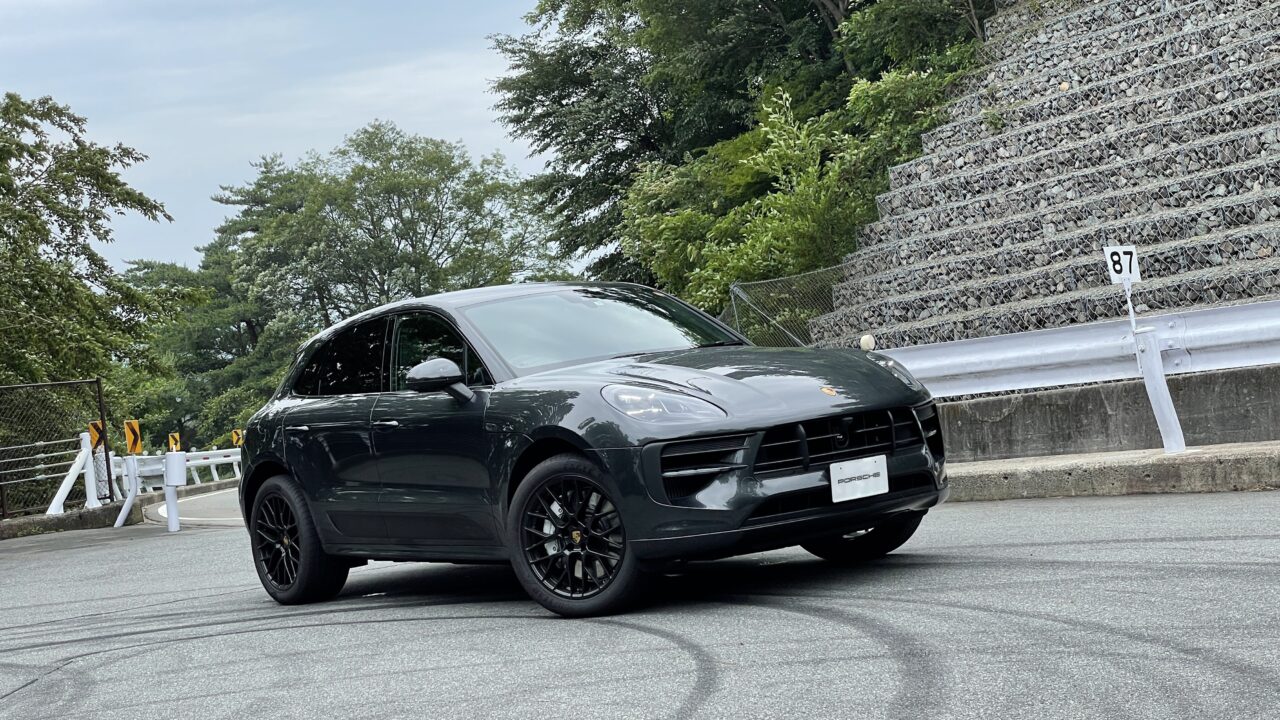
As a GTS, it comes standard with a sport exhaust system and SportDesign package. This particular car is also equipped with the Sport Chrono Package, PSCB (Porsche Surface Coated Brake), and PTV Plus (Porsche Torque Vectoring Plus)—a seriously well-equipped performance SUV.
I’ve driven two earlier-generation Macan Turbos, and have written about those test drives. This is my first time behind the wheel of a facelifted model.
Driving the Macan GTS: First Impressions
Start the engine, and it fires up with the assertive note you’d expect from a GTS. It’s about as loud as the earlier Macan Turbo. The 2.9-liter V6 produces 380 PS.
Pull away, and the PDK shifts beautifully smoothly. “Gentle” might be an even better description. Speed builds effortlessly, and the GTS retains the sporty character that defines the Macan. This car had conventional steel springs rather than air suspension, but honestly, you’d be hard-pressed to notice unless someone told you.
If anything, the steel-spring setup feels a little more firmly supported through its travel, with the damping coming through more clearly. Of course, in a back-to-back test, I’d expect the air suspension to offer a more comfortable ride. But in everyday driving, the difference is barely noticeable.
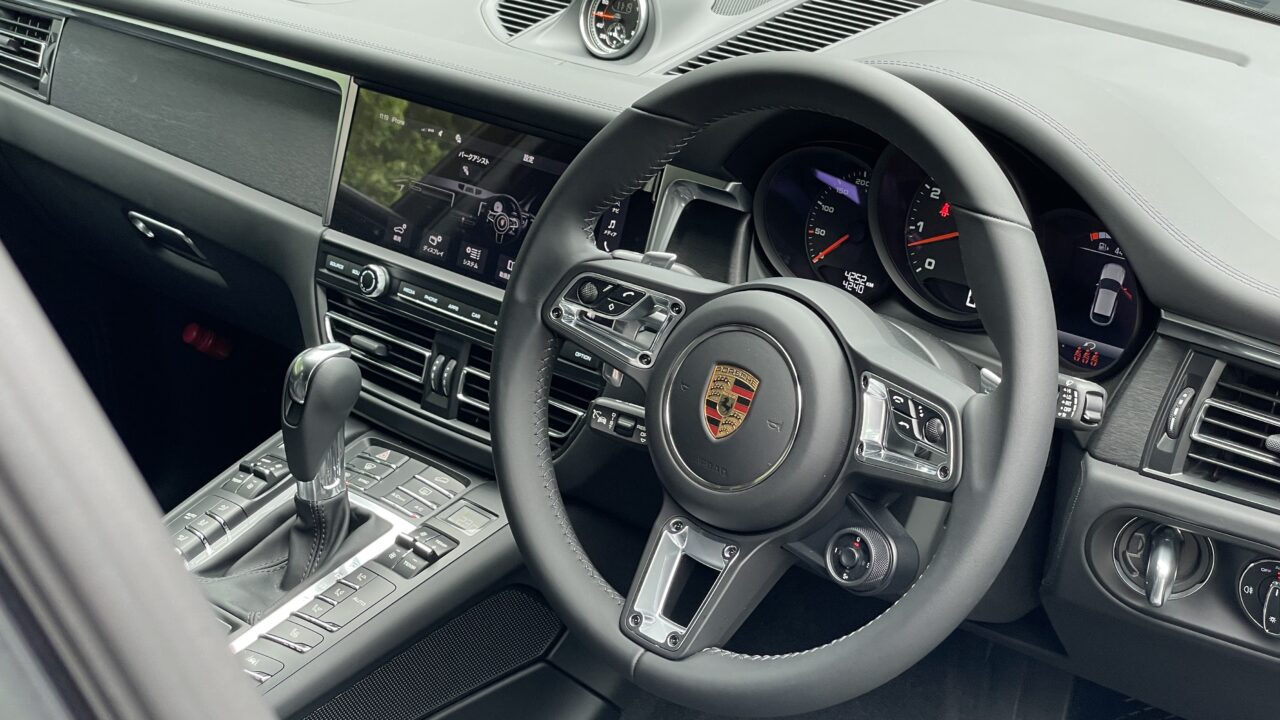
There’s little left to say about the Macan’s handling. Switch to Sport mode and charge into a corner, and—well, nothing dramatic happens. It sweeps through with the unflappable confidence of a proper sports car. I tried to pick out differences from the earlier model, but in terms of its behavior, there’s very little between them. When I focused closely on how it felt through the corners, I sensed a subtle difference: the later model is just a touch more composed—or, put another way, even easier to drive and more polished.
The difference between air and steel suspension likely plays a part, too. My impression is that the earlier model felt a little more playful, while the later one leans toward stability. That said, the distinction is very subtle, and individual cars can differ, so take this as one driver’s impression rather than a definitive verdict.
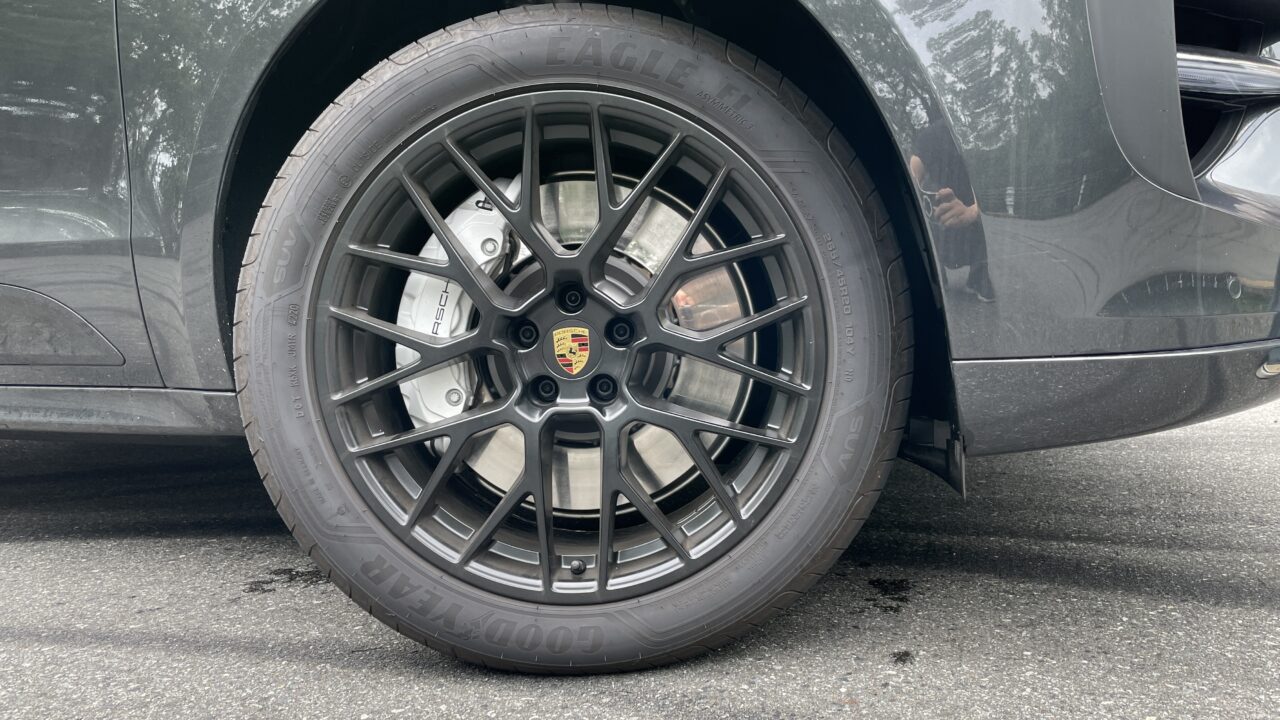
Another feature worth calling out is the PSCB system. Porsche describes its Surface Coated Brake as follows:
The innovative Porsche Surface Coated Brake features tungsten-carbide-coated conventional grey cast-iron brake discs. This not only provides excellent wear resistance, but also improves the coefficient of friction for more responsive braking. Brake dust is reduced, and the service life of the grey cast-iron brakes is extended by 20–30%. The system also stands out visually: the brake calipers are painted white, and after the discs have been bedded in, their surfaces develop a mirror-like finish. PSCB is available only with wheels measuring 19 inches or larger.
The system appears to produce very little brake dust, which also makes the brakes easier to keep clean. And the pedal feel is excellent. Porsche brakes already feel fantastic, but the PSCB seems to respond even more precisely to changes in pedal pressure than conventional brakes. It’s hard to say exactly how it compares with PCCB. If you drove the car without being told which brakes it had, though, I suspect few people would be able to tell the difference.
Stopping power is excellent, too. I wish Porsche offered this option on the 911, Boxster, and Cayman as well.
PDK and Exhaust Differences
Next, I switched to Sport Plus and tried a hard acceleration. The performance didn’t feel all that different from the earlier Turbo—which is a testament to just how quick the later GTS is. At low speeds, the exhaust sounds quieter than the earlier model, but open it up, and it finds its GTS voice. The tone struck me as a little deeper than the earlier Turbo’s. That may be down to the GPF (gasoline particulate filter), but the sound itself is still appealing.
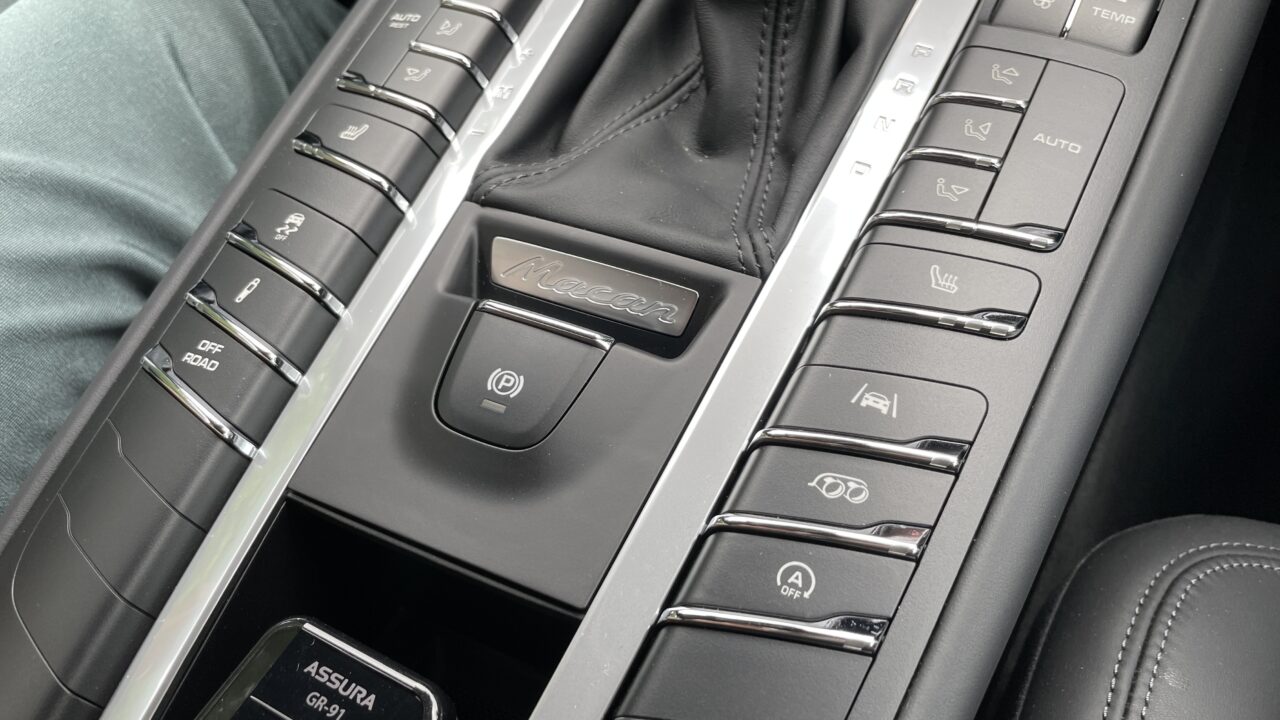
To me, the biggest difference is the PDK. In Sport Plus, shifting with the paddles feels noticeably more refined. The earlier model could deliver abrupt, “bang-bang!” shifts that made you wonder if you were driving a 911. The later car’s already modest shift shock is even less noticeable, thanks to smoother, more polished shift programming. I’ve noticed a similar evolution between the 991- and 992-generation 911s.
The shift behavior reminded me of the PDK in the 971-generation Panamera Turbo we used to own. In automatic mode, too, the transmission shifts with excellent manners and impressive smoothness. I’ve heard that drivetrain problems are relatively common in earlier Macans, so perhaps Porsche revised the control strategy with an eye toward greater protection.
Final Thoughts on the Macan GTS
Whether you choose the earlier or later version, one thing remains true: the Macan is a sports car through and through. The owner of this car is a lifelong Porsche enthusiast who also owns an early 911 (the “Narrow Body”) and a 356. I can understand why he described it as “a genuine Porsche in the way it drives—so good it makes you wonder whether you even need a 911.”
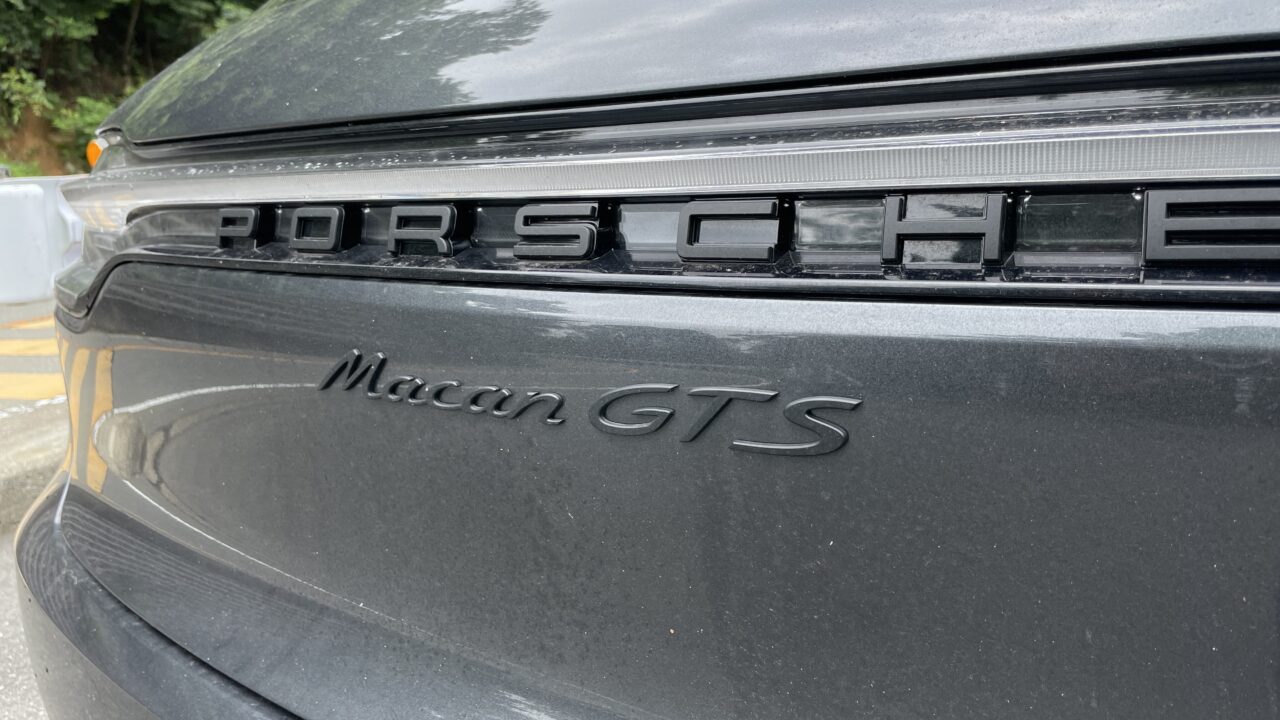
The Macan delivers this level of performance while still carrying five people and their luggage. The later model, I felt, has built on its comfort without losing any of its sporty character.
You could say Porsche has softened some of the earlier car’s sharper edges and made it a little friendlier. That might sound as though it’s become less fun, but that’s not the case.
The later model is still every bit as engaging to drive.
The facelifted Macan should arrive in Japan before long. I’d love to try that version, too, when the opportunity comes along.

If you enjoy this blog, follow along.
Comment ( 0 )
Trackbacks are closed.
No comments yet.