

Porsche Cayenne GTS Coupe Review: The Appeal and Reality of the V8, Compared with the Base and Hybrid Models
Published: 2025.08.30

コンテンツ
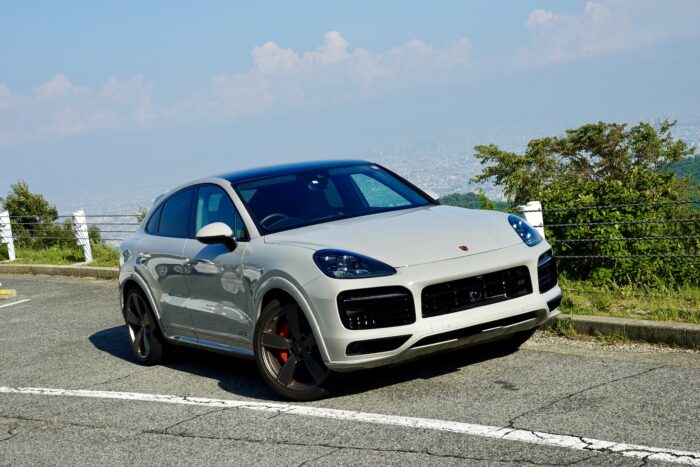
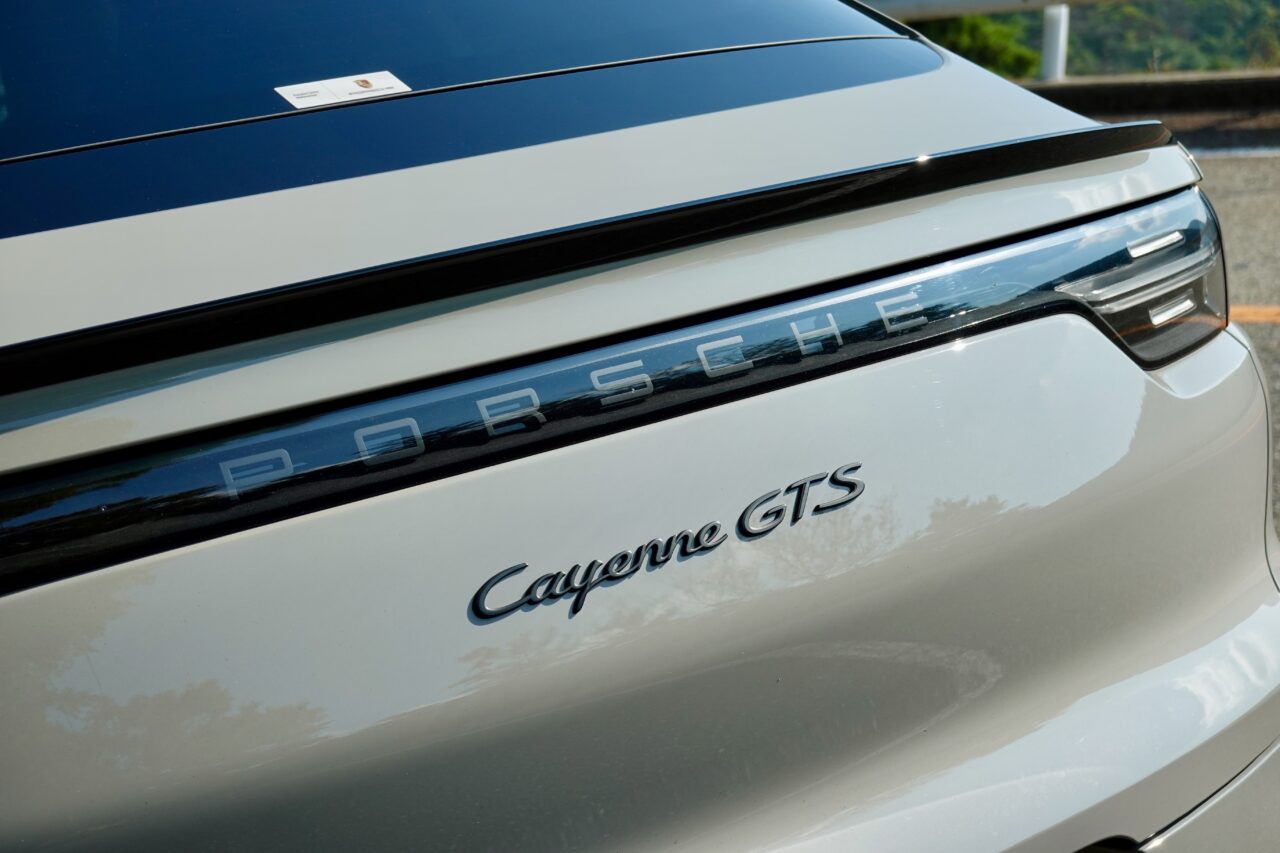
I’ve recently been driving a Porsche Cayenne GTS Coupe.
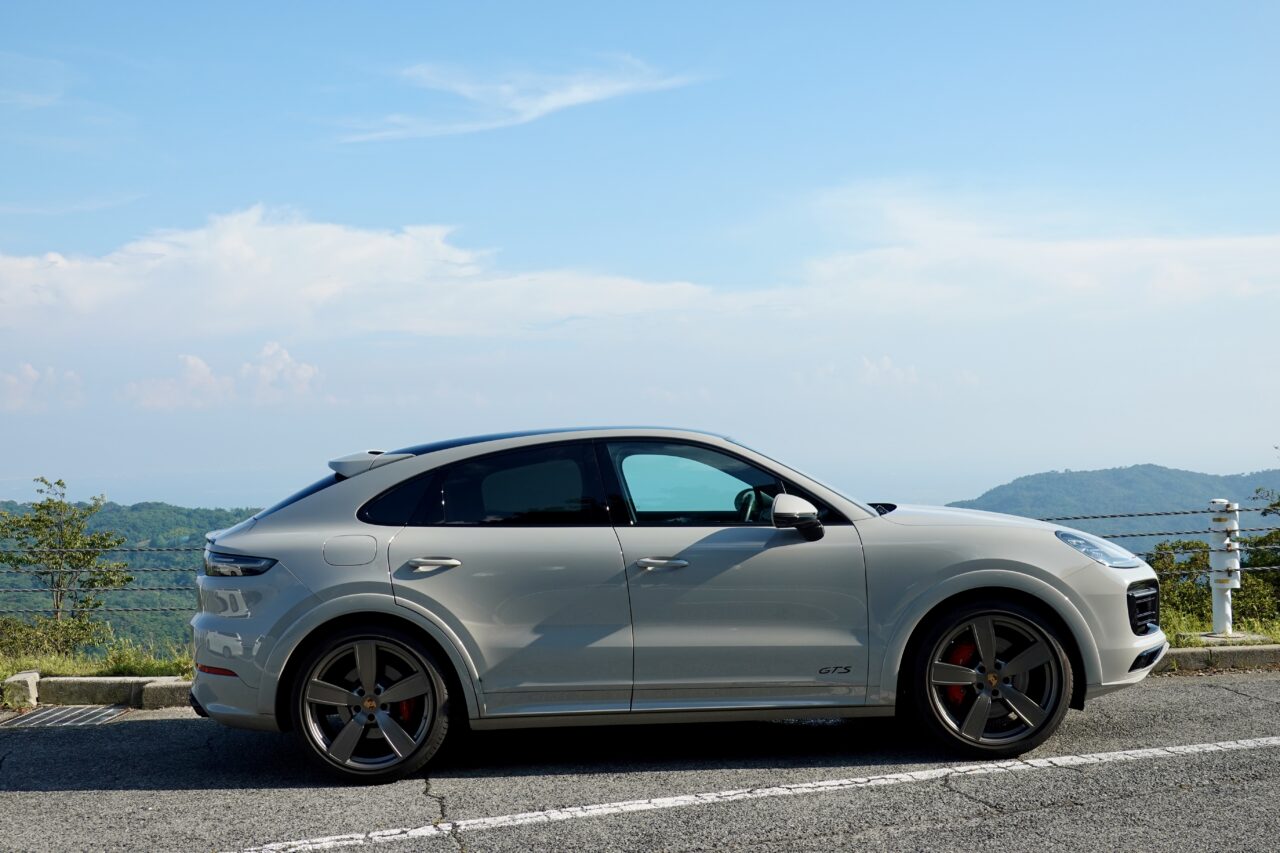
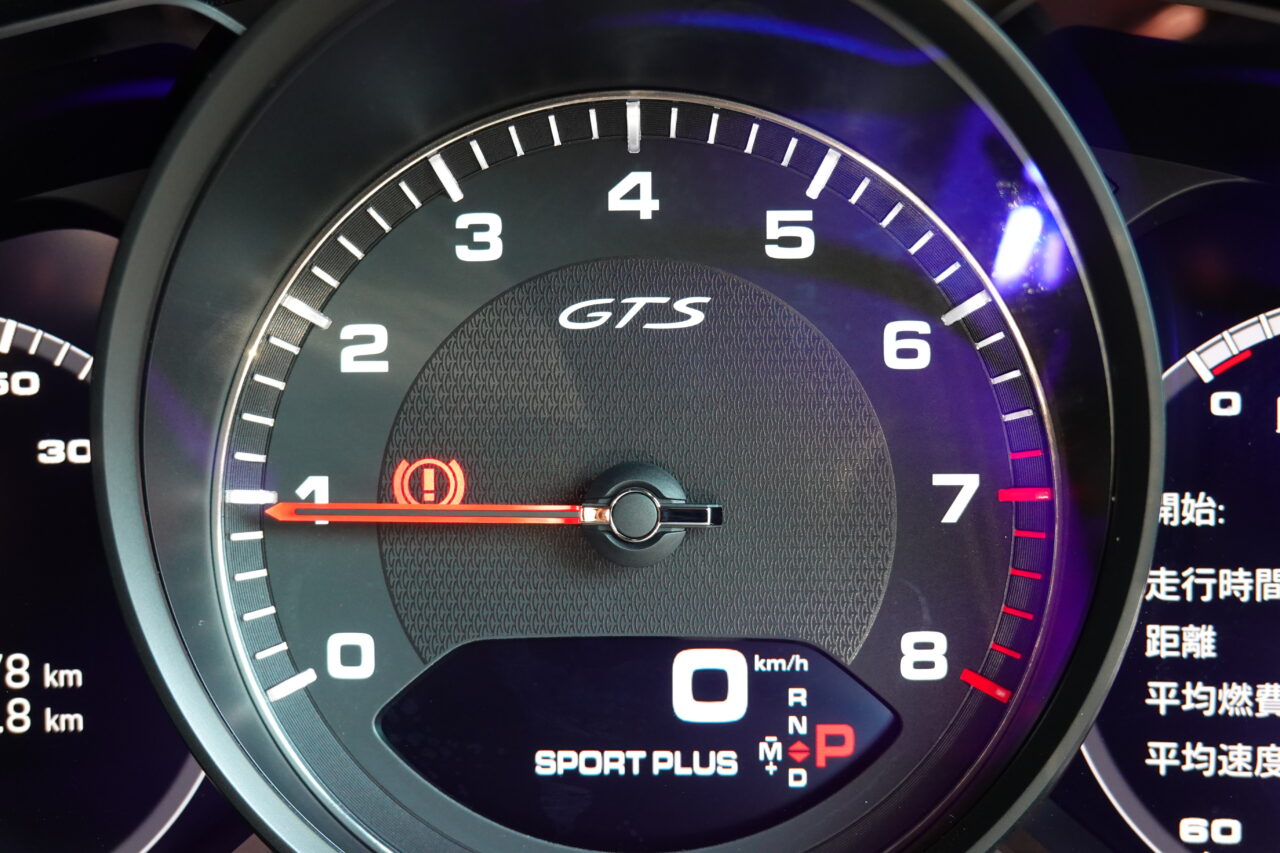
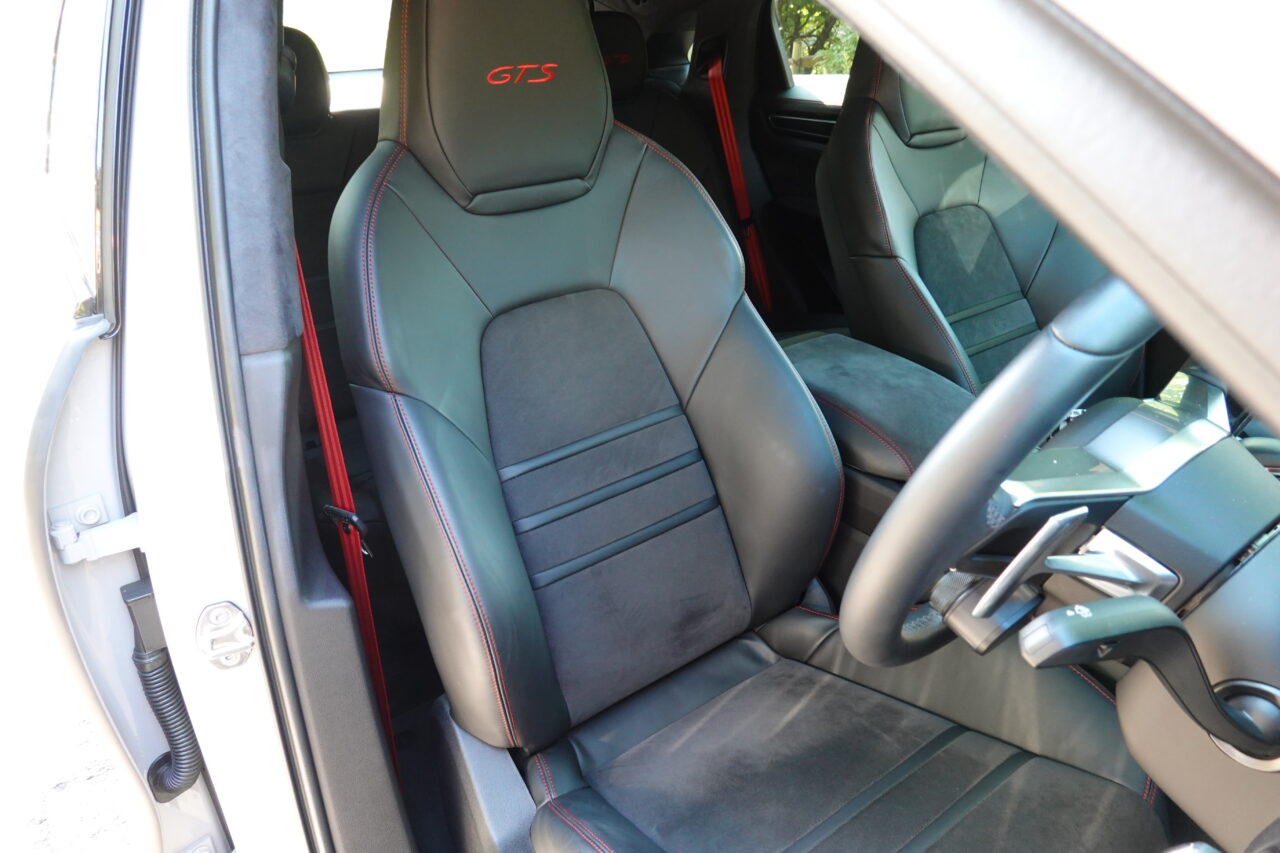
It’s an early 9YA-generation Cayenne, from before the current model switched to a fully digital instrument cluster. The tachometer is the only analog gauge. Finished in Crayon, it has sport seats upholstered in a mix of Alcantara and leather from the GTS Interior Package.
The coupe’s flowing profile is undeniably sporty and beautiful. But get behind the wheel, and this GTS reveals a few surprises. Here’s my honest take on the V8’s appeal and limitations—and on the challenges facing modern Porsches.
The V8’s Sound and Character: The Reality of Emissions Regulations
Start the engine, and it certainly makes a purposeful sound.
But compared with GTS versions of the Cayenne and Macan from a few years ago, it’s noticeably quieter. The GTS comes with a sports exhaust as standard, yet there’s little difference between having it on or off. In practice, the main distinction is whether you get a few pops and burbles when you lift off the throttle. Emissions and noise regulations have clearly put a tight leash on the sound. Even so, the exhaust note is refined and easy to live with over long drives—a pleasing sound, rather than an intrusive one.
This 4.0-liter twin-turbo V8 was originally developed for the Cayenne Turbo. It produces 460 PS and 620 Nm of torque. That’s 20 PS and 20 Nm more than the previous-generation GTS with its V6 turbo, and enough for a claimed 0–100 km/h time of 4.5 seconds. But the numbers matter less than how the car feels on the road.
Everyday Driving: The Challenge at Very Low Speeds
The previous-generation V6 Cayenne S was no paragon of urban drivability. Severe turbo lag and an overly economy-focused shift program made it jerky around town. By comparison, this V8 is a definite improvement. Still, controlling the car at very low speeds is surprisingly difficult. Apply the throttle gently and it crawls; press just a little harder and it surges forward.
This can be unsettling when pulling out of a driveway or shop entrance and trying to merge quickly. A slight extra press of the accelerator can send the car darting out faster than expected. After experiencing the exceptionally precise speed control of an EV, you may find yourself questioning the appeal of a V6 or V8. The car also hesitates when accelerating again from a crawl: in third gear at around 1,000 rpm, the response is sluggish. Anyone used to a Macan Electric, a Taycan, or even the base Cayenne will likely find it frustratingly slow to respond.
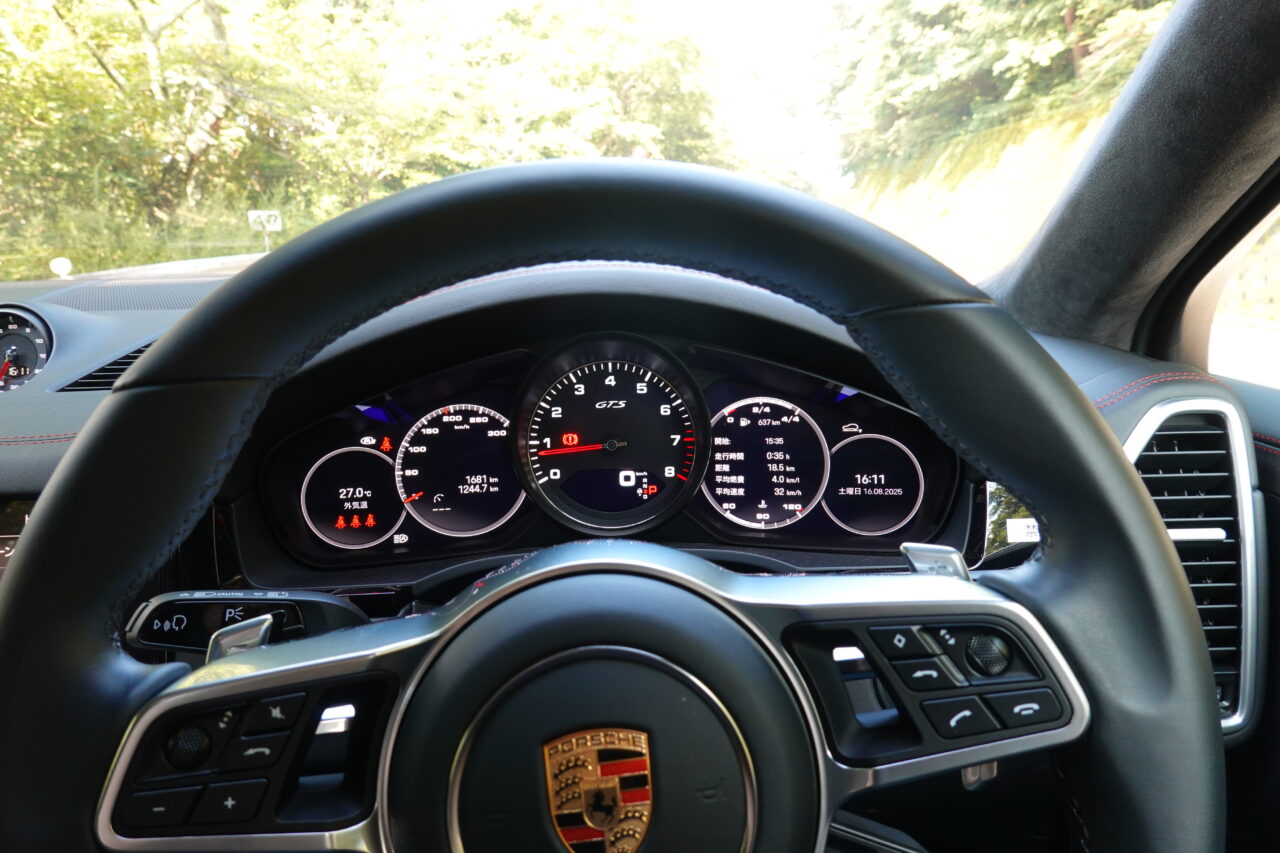
This highly tuned V8 clearly prioritizes power and character in the mid-to-high rev range. It seems designed for high-speed performance, not easygoing urban driving—an engine that feels right at home on the Autobahn or on rural European roads with 100 km/h speed limits.
Ride comfort is impressive for an SUV, though you still feel some of the body movement typical of the class. Compared with SUVs from other manufacturers, it’s among the least unsettled. But next to the flatter ride of the facelifted current-generation Cayenne or the Macan EV, its age begins to show.
In Its Element on Mountain Roads: Sports-Car-Rivaling Handling
Take the Cayenne GTS onto a mountain road, and its true strengths come out. It turns in exceptionally well, with a keen, almost incisive cornering feel that’s remarkable for an SUV—even one with a V8. There’s plenty of agility in Normal mode, but switch to Sport or Sport Plus and it delivers handling that can rival a sports car. It’s genuinely impressive.
In Sport Plus, the air suspension lowers the ride height, bringing the center of gravity down.
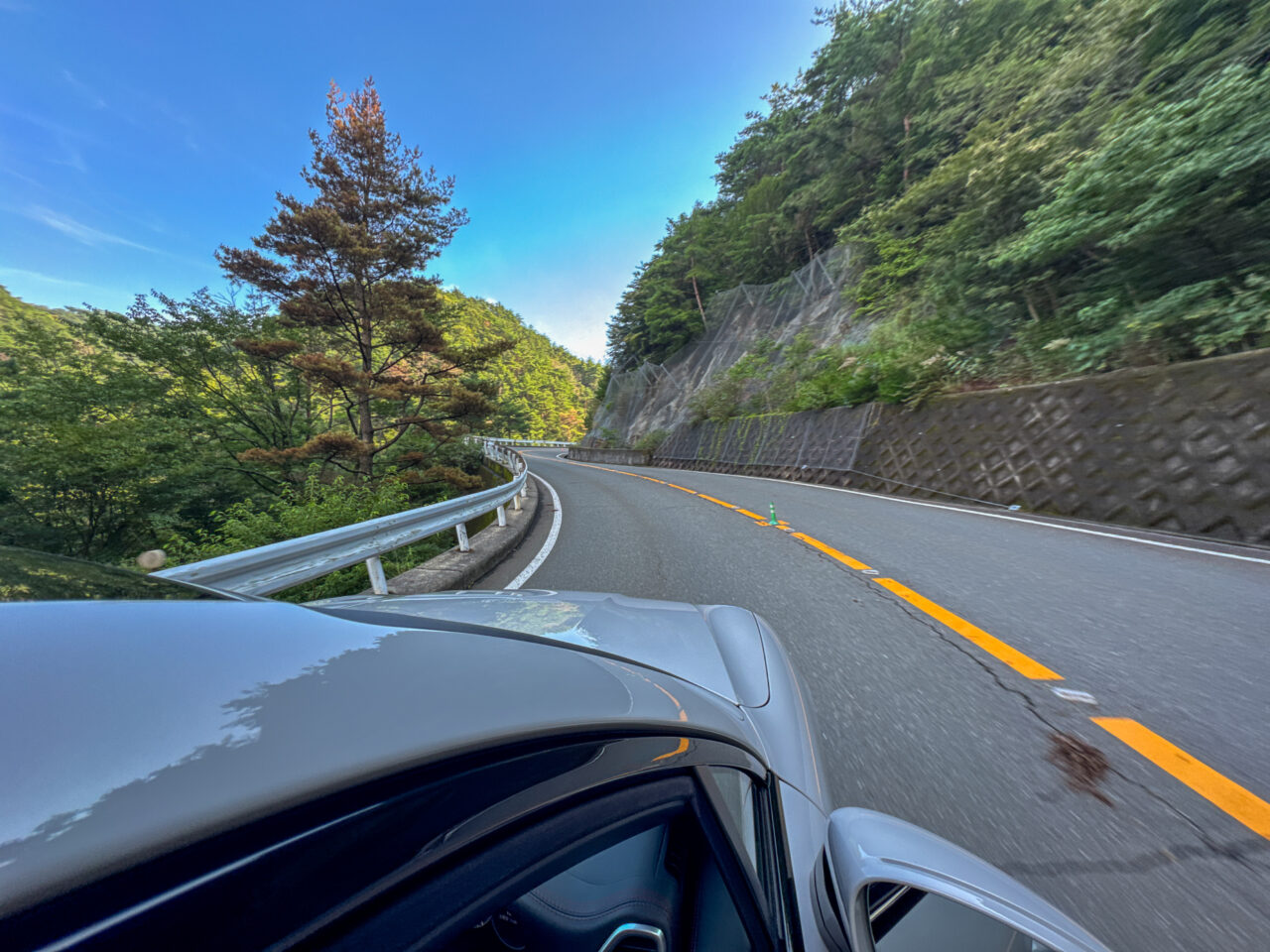
The engine also holds higher revs, making the car much easier to drive briskly. It changes direction with precision, and its line-tracing ability is about as good as it gets for an SUV. The Macan may have the edge, but the GTS is seriously capable. Push hard, and its composure never lets up—a reminder of what Porsche does so well.
In Sport Plus, the Tiptronic’s manual mode shifts much like a PDK. The transmission even gives you a deliberate nudge through each shift—a cleverly judged touch. Downshifts, however, take a beat or two longer than they do with a PDK. Most drivers are unlikely to spend much time in manual mode in this car, so it’s not a major drawback.
On the Highway: Stability and Acceleration
On the highway, the GTS gets to show what it does best.
As the revs rise, the engine comes into its own. It pulls strongly away from toll booths—not quite brutally, but with more than enough acceleration. A hybrid might be quicker, but the V8 has ample performance for most drivers.
High-speed stability is first-rate, and the car feels slower than it really is. That makes long-distance cruising easy and relaxing. Still, compared with the Macan Electric or Taycan, the Cayenne GTS can feel less settled at speed. Given the differences in center of gravity and the progress of newer technology, that may be only natural.
One thing that stood out was that the steering felt unusually sensitive for a Porsche. Straight-line stability is excellent, but there’s less play around the center than in other Porsches. Look away from the road for a moment, and the car seems to drift toward the shoulder. You need to keep your eyes firmly on the road and look well ahead. It could be specific to this car, but the steering around center felt unusually sharp by Porsche standards.
Considering a Cayenne? GTS, Base, or Hybrid?
Overall, this is unquestionably a good car. It rides well, and its exhaust isn’t unnecessarily loud. But the right choice depends on what you want from Porsche ownership: the GTS badge and styling, or the pure enjoyment of driving a Cayenne.
If driving ease and enjoyment are your priorities, I’d recommend the base model or a hybrid. The hybrid is much easier to drive, faster, and sharper off the line. Its ride also feels more planted and supple, with the smooth, polished character you’d expect from a luxury car.
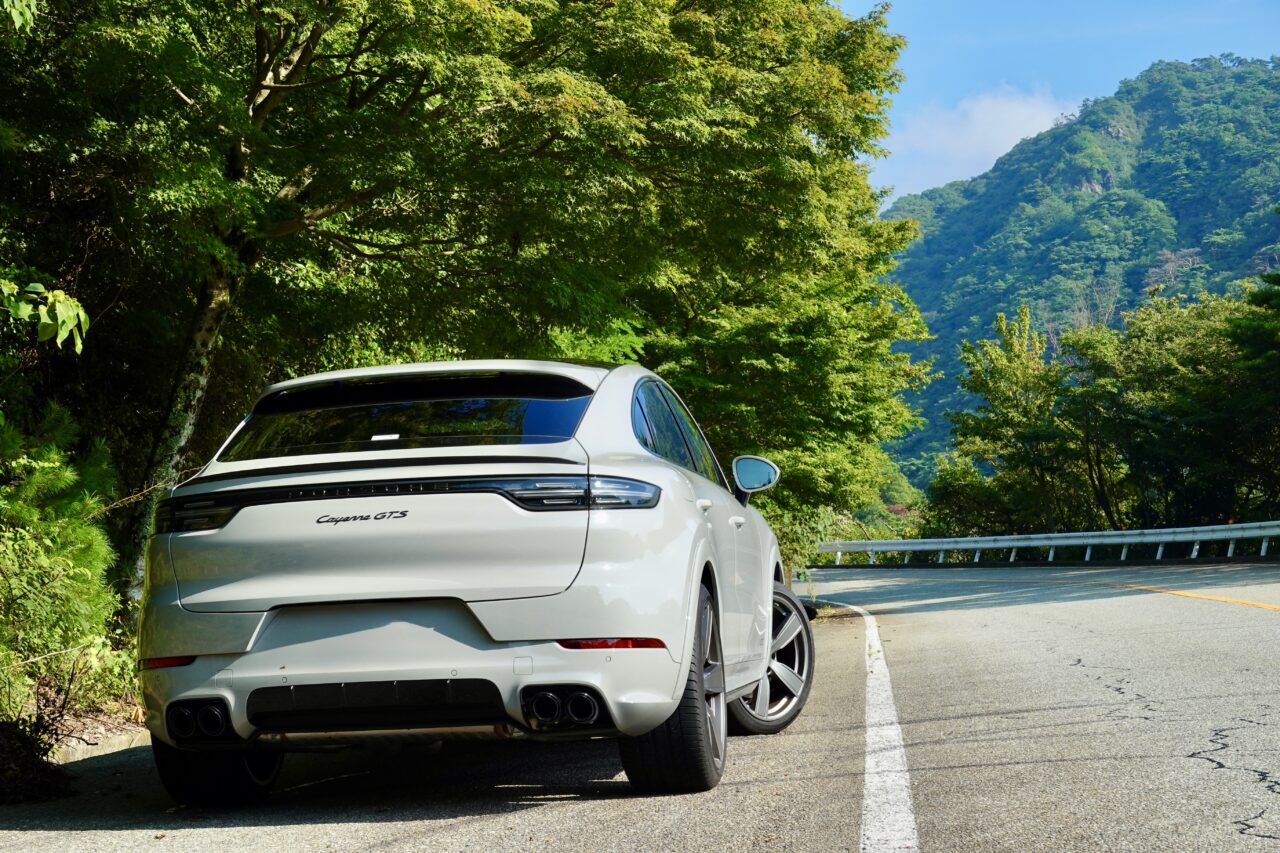
Choose the GTS for its looks and the image that comes with the badge. If practicality, driving enjoyment, and easy drivability matter more, look at the base Cayenne or the E-Hybrid. And if you’ve driven the Macan Electric, you might come away thinking it’s simply a more accomplished car overall. The Macan Electric feels more refined across the board and performs at a higher level in every respect.
That’s my honest review. This early Cayenne Coupe GTS is undeniably appealing, but it’s important to consider where it sits in the model lineup from that period before deciding whether it’s the right fit for you.

If you enjoy this blog, follow along.
Comment ( 0 )
Trackbacks are closed.
No comments yet.