

Porsche Predicts e-Fuel Growth: Could Air-Cooled Porsches Keep Running in the Future?
Published: 2024.08.30

コンテンツ
Porsche Is Confident in the Future of e-Fuels
Porsche predicts that by 2030, synthetic fuel—known as e-fuel—will account for a “significant share” of gasoline use. The automaker’s outlook appears to reflect growing support from potential customers and governments.
Porsche has invested heavily in e-fuel development and, together with partners such as HIF Global, has established a pilot production facility in Chile. The project aims to demonstrate that e-fuel can be produced in a carbon-neutral way.
The European Union currently plans to allow sales of cars with internal combustion engines beyond 2035, but only if they run on carbon-neutral e-fuel. Some in the industry, however, worry that this requirement may be impractical and could effectively amount to a ban on internal combustion cars.
Scaling Up e-Fuel Production
Michael Steiner, Porsche’s head of research and development, sees the Chilean e-fuel plant as a “role model” and believes production should be scaled up. Rather than expecting cars to run exclusively on e-fuel, Steiner proposes gradually replacing fossil fuels with e-fuel.
As Steiner puts it: “What matters is how much fossil fuel we can replace. Just as with biofuels, we can start by blending them. The important thing is to reduce the use of fossil fuels.”
Another factor driving interest in e-fuels appears to be the recent slowdown in EV sales growth. In response, automakers, including Porsche, are looking to extend the life of internal combustion models.
Advances in e-Fuel Production Technology
Porsche is preparing to add a new air-capture facility to its e-fuel plant in Chile. The facility is expected to use heat recovered from the main plant, complementing the site’s existing wind and solar power.
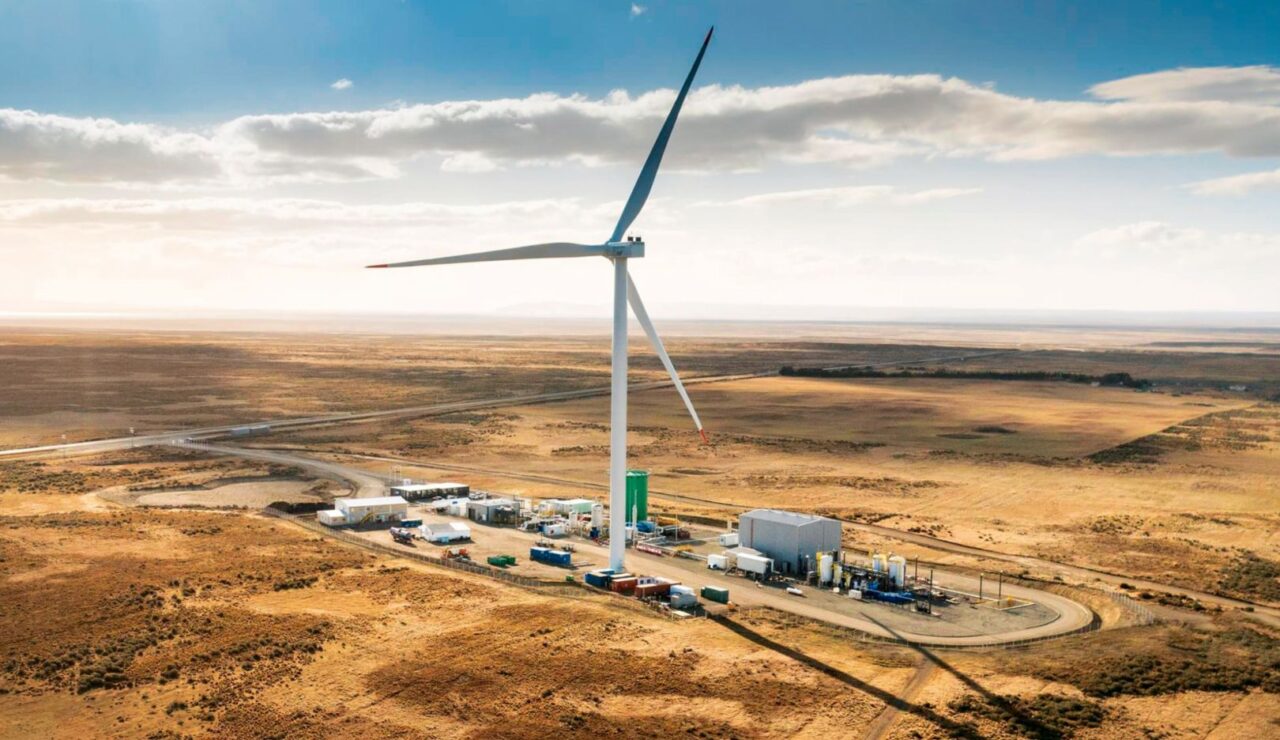
Steiner explains: “This will allow us to obtain the CO2 needed for e-fuel from the atmosphere. If successful, it will complete a circular model in which we get energy from the sun and wind, and the necessary raw materials from the air. It’s a circular process comparable to the biological cycle of fossil fuels, but it shortens a process that would otherwise take millions of years.”
Porsche’s Strategy for the Future of Combustion Cars
Porsche recently announced that, in response to slowing EV sales growth, it would extend the life of existing gasoline-powered models, including the Cayenne. Steiner explained the reason for this strategic adjustment:
“Our strategy has three pillars: internal combustion engines, hybrids, and fully electric vehicles. What we’ve done is adjust the timing. We’re preparing for the possibility that 80% of the cars we sell by 2030 will be electric, but we expect the transition to take place more slowly in many markets.”
Porsche’s combustion models are due for updates not only to meet new emissions regulations, but also in areas such as infotainment and engine technology. Improvements are also planned for the V8 and V6 engines.
As for the 911, Porsche has chosen a lightweight hybrid system rather than a full plug-in hybrid. Steiner explains: “The 911 is at the heart of our brand, and we decided it needed a lighter approach.”
Porsche’s moves reflect a wider trend across the auto industry: alongside the shift to EVs, automakers are increasingly focused on improving existing combustion-engine technology and developing alternative fuels. If e-fuels become practical and widely available, they could offer a way to keep combustion cars on the road while reducing their environmental impact.
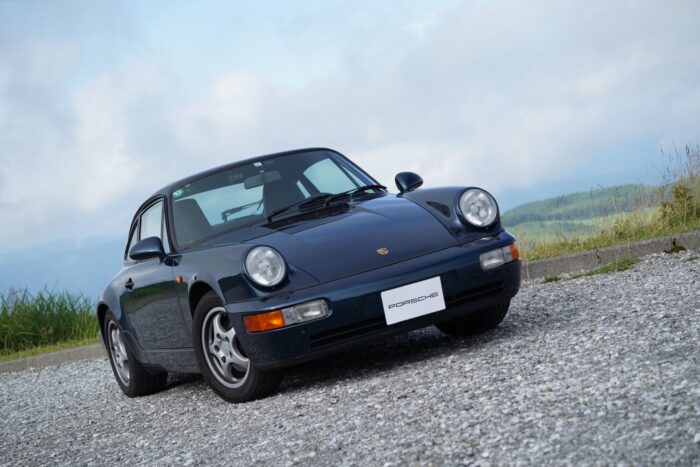
As a Porsche enthusiast, I can’t help hoping that a future where air-cooled Porsches and naturally aspirated models can keep running will become a reality.

If you enjoy this blog, follow along.
Comment ( 0 )
Trackbacks are closed.
No comments yet.