

Test-Driving the Porsche 911 Carrera 4 GTS Cabriolet (991.1): How Different Is It from the Coupe?
公開日:2021.12.05

コンテンツ
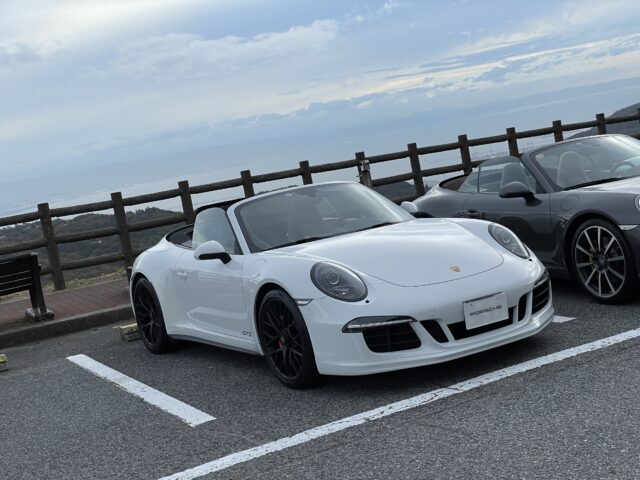
911 Carrera 4 GTS Cabriolet
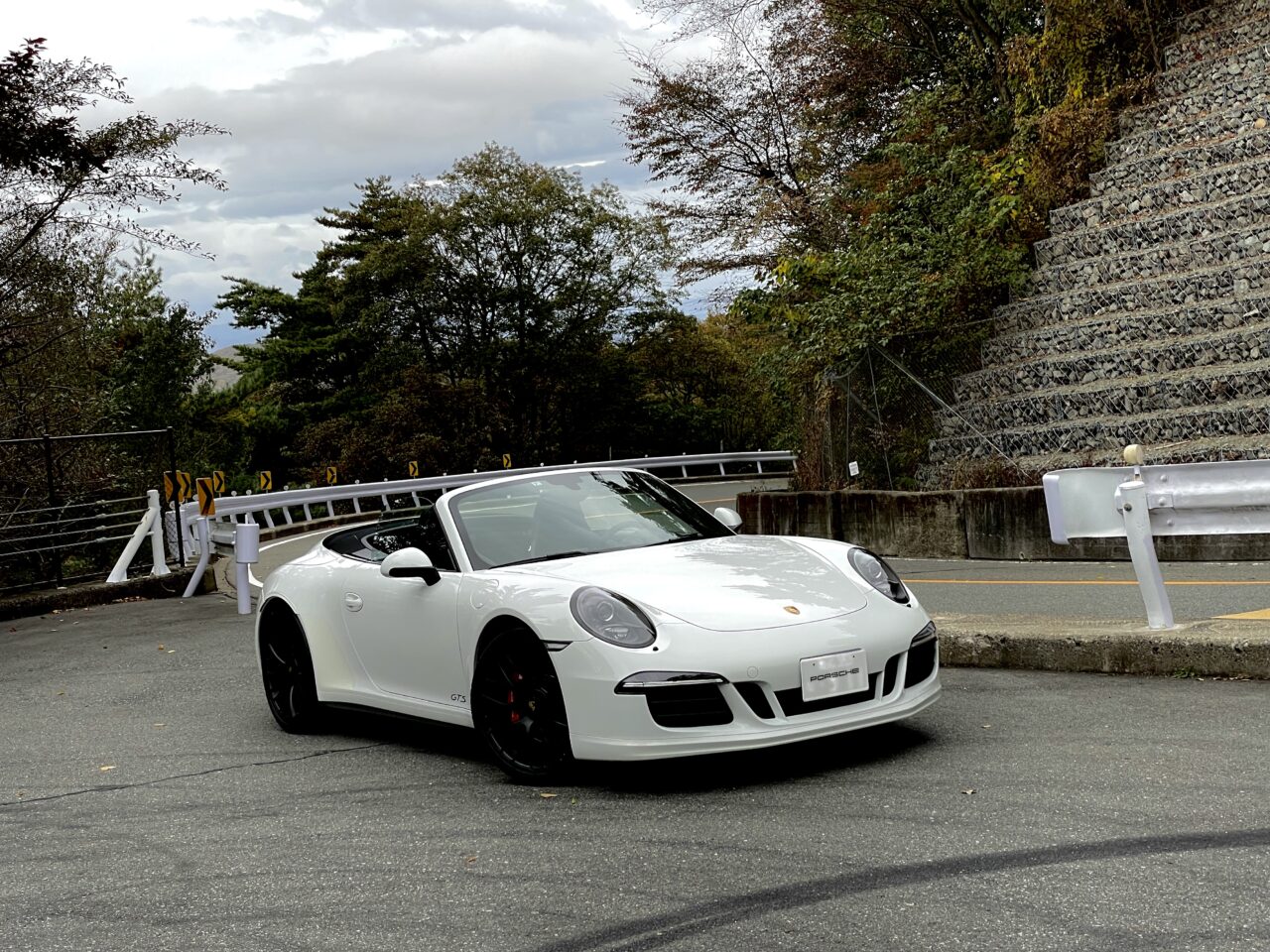
The car I got to test-drive this time was a 991.1 Carrera 4 GTS Cabriolet. It’s a bit of a mouthful, so to simplify: it’s an all-wheel-drive GTS with an open top—think of it as the convertible version of my own Carrera 4 GTS.
It’s a rare model to begin with: the Carrera 4 GTS is uncommon, and the combination of all-wheel drive and a GTS badge makes it rarer still. Add the Cabriolet body, and you have a car with very few examples on the road. In this review, I’ll focus on how it compares with my Carrera 4 GTS and the 981 Boxster GTS.
Engine Sound
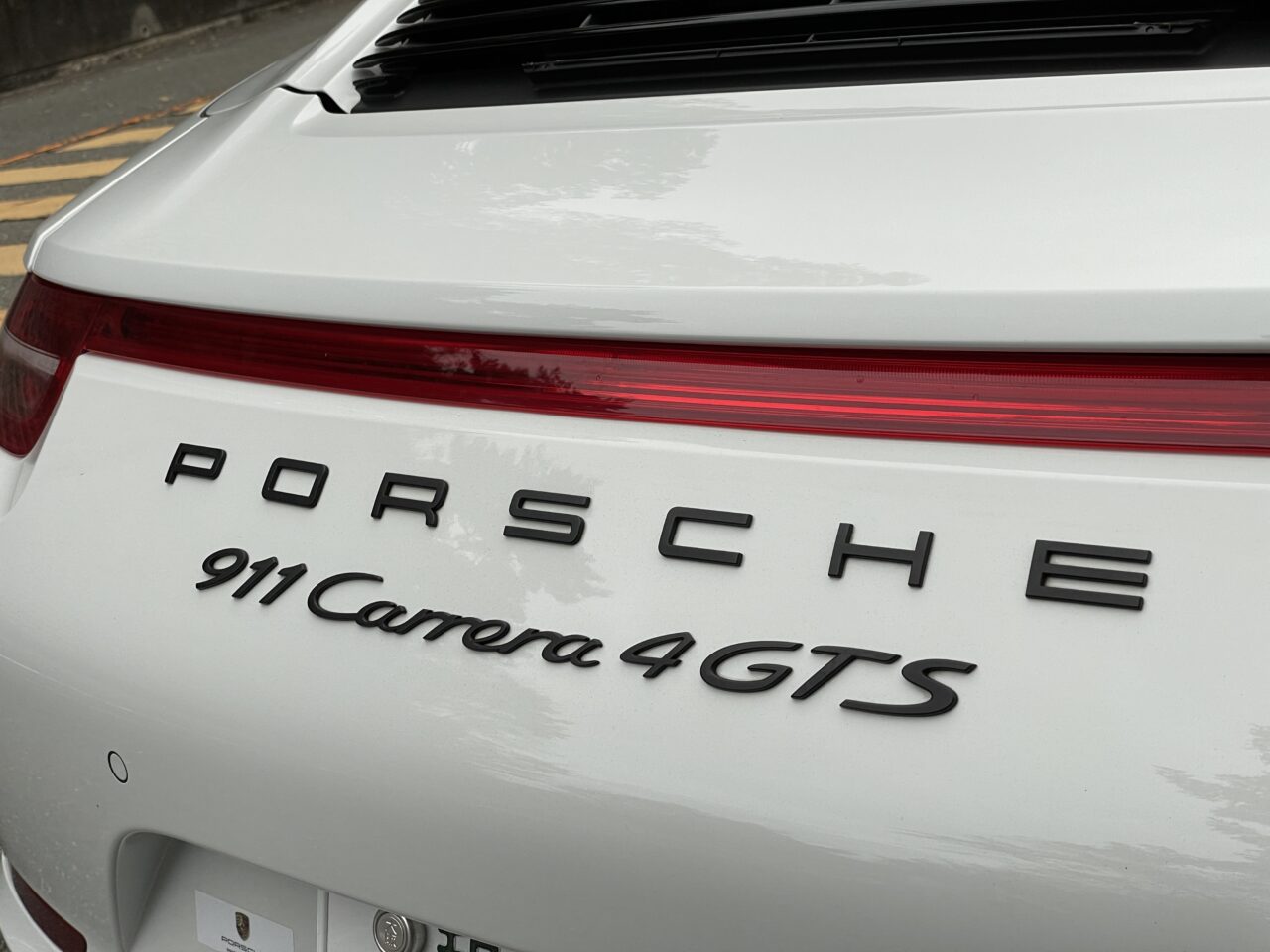
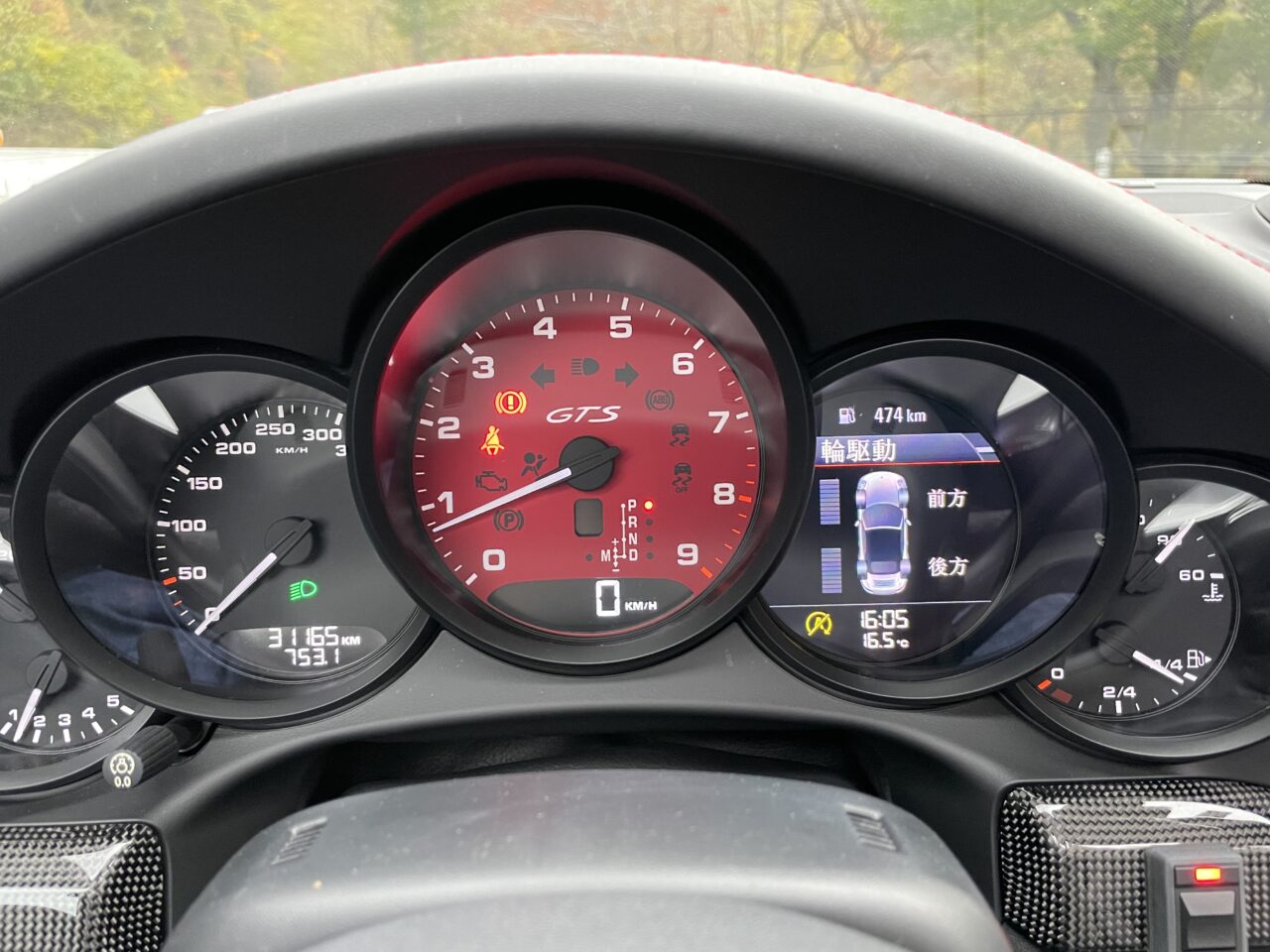
Turn the key, and the engine fires up with the lively startup note you’d expect from a GTS. The tach needle jumps momentarily to around 2,000 rpm, followed by a spirited “vroom!”—just like the coupe.
With the top down, though, the sound has a different character. You hear more of the exhaust directly, and rather than simply sounding lower-pitched than the 981 Boxster GTS, it comes across as fuller and deeper—the extra 400 cc seems to make itself heard.
In Normal mode, the engine doesn’t sound especially ferocious. It delivers a pleasing note even at low revs, and the way the sound rises and falls with the speed and torque of the naturally aspirated engine makes every drive feel engaging.
Switch to Sport mode and the sports exhaust valves open—the GTS really comes into its own. I also drove it back-to-back with a Carrera S Cabriolet equipped with the sports exhaust, and the difference was unmistakable. The GTS sounds fuller and more forceful; it’s less about outright volume than the extra presence and drama.
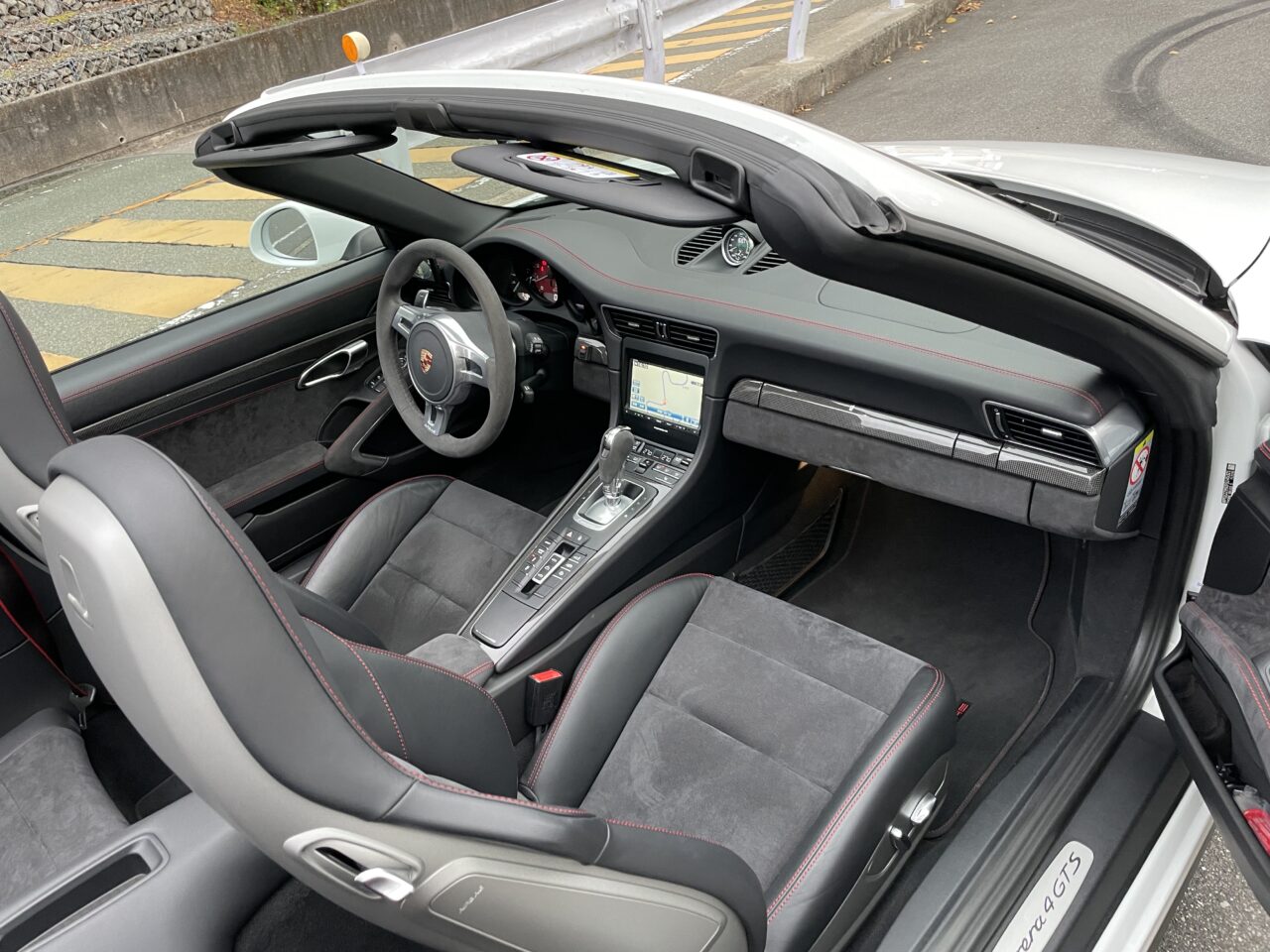
With the roof open, exhaust notes from the rear reach the driver directly, which is a real treat. You can also hear the overrun burbles more clearly than in the coupe, so the Cabriolet has the edge if you want to savor the exhaust.
The coupe has its own appeal. Compared with the Cabriolet, you hear more intake noise, with a “whoosh” that resonates beautifully inside the more enclosed cabin and off the rear window. It’s an exciting sound in its own right.
How does it compare with the 981 Boxster GTS? The 981 is louder, and its overrun burbles are more pronounced and dramatic. By comparison, the 991.1 GTS sounds a little more grown-up and refined.
That said, the 991.1 GTS is still one of the louder Porsches of its era. It’s more accurate to say that the 981 is especially loud and theatrical.
Power and Acceleration
The engine produces 430 PS, about 30 PS more than the Carrera S, from a 3.8-liter naturally aspirated flat-six. That works out to roughly 113 PS per liter, making it a highly tuned engine. The GTS doesn’t get its extra power from a simple ECU remap: its engine features upgrades such as revised cylinder heads and camshafts, along with a variable-resonance intake system—a package comparable to the power kit available as an upgrade for the S.
In everyday driving, though, the 30 PS difference over the S isn’t especially obvious. The GTS’s character comes through more in its sound and its eagerness to pull at higher revs.
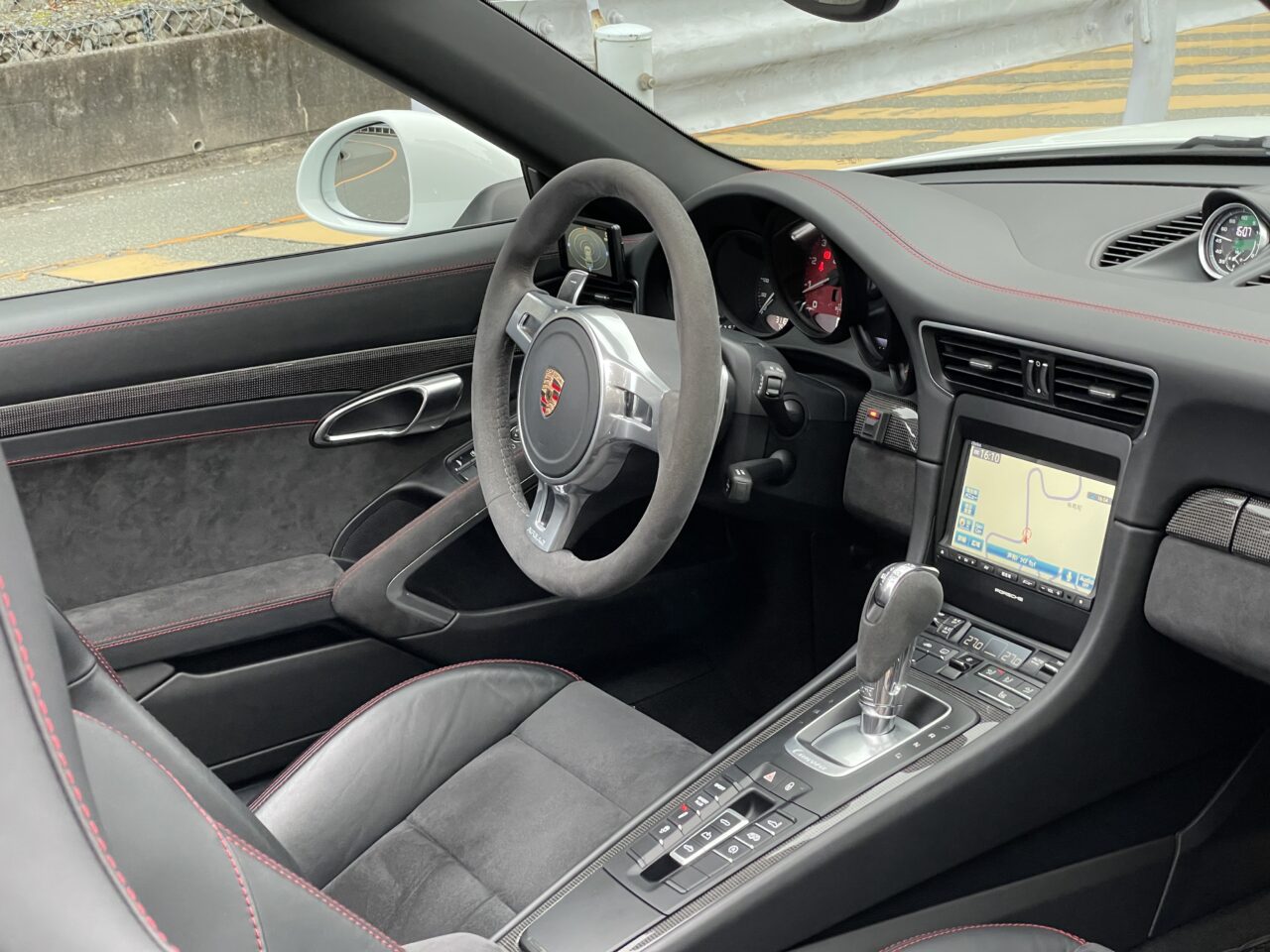
Compared with the GTS coupe, the Cabriolet feels just a touch less eager to accelerate. It’s a very subtle difference, but you can pick it up when accelerating from a stop, shifting quickly into second, and continuing to build speed. The Cabriolet’s extra weight is likely the reason; next to the coupe, its acceleration feels marginally more measured. That’s only by comparison, though: this is still a car with truly exceptional performance.
And how does it stack up against the 981 Boxster GTS? From low speeds, the Boxster seems to have the advantage, thanks to weighing nearly 200 kg less. Once you’re up to speed, however, the 911’s 430 PS wins out decisively, and its greater power is unmistakable.
Driving Feel
Now we get to the heart of this car: how much difference is there between the Cabriolet and the coupe?
I own a 992 Carrera Cabriolet, and in the 992, I don’t feel much difference between the coupe and Cabriolet. The difference isn’t zero, of course, but the Cabriolet feels remarkably rigid. It holds up on track, too, maintaining tremendous grip and letting you push hard with confidence.
By comparison, the 991.1 Cabriolet doesn’t feel quite as rock-solid. This particular car is fitted with the optional Power Steering Plus, which makes the steering light from the moment you pull away. That may also make it harder to get the weighty, locked-in feel associated with the coupe.
That doesn’t mean the body creaks or feels loose. On the road, rather than gripping the surface with the coupe’s tenacious feel, the Cabriolet feels more supple and forgiving. It’s not quite the same sensation as the Targa, either.
The suspension itself isn’t soft, so you’d expect to feel the same small, sharp impacts you get in the coupe. Instead, it feels as though the body flexes slightly around the open roof to absorb some of the vibrations the suspension doesn’t filter out. The result is a remarkably supple ride—one that, in terms of comfort, reminds me of a 981 Boxster with PASM.
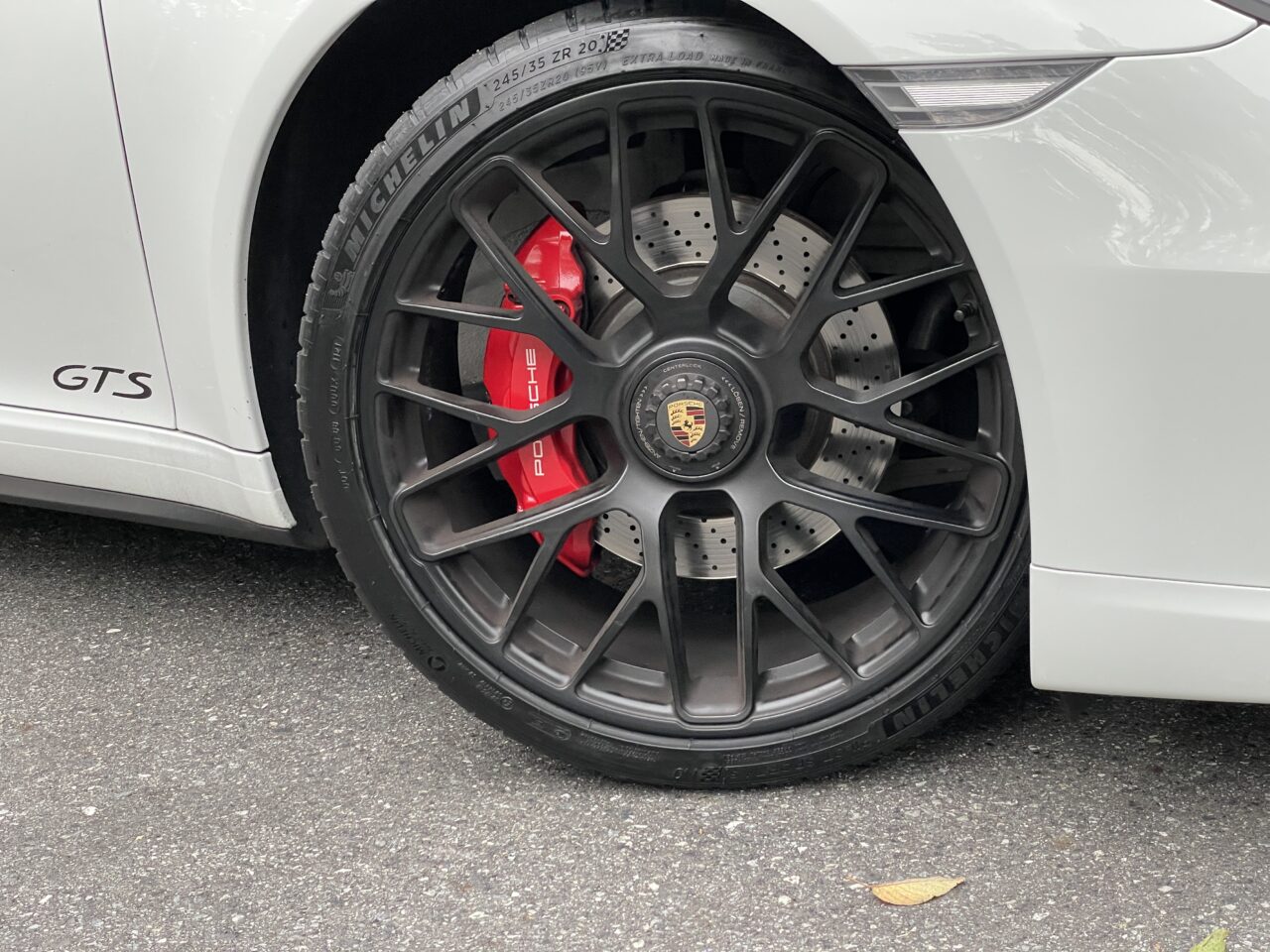
This car is currently running a new set of Michelin Pilot Sport 4S tires. Before that, it wore Pirelli P Zeros, and I also drove it on those. The Pilot Sport 4S stands out for its ride comfort, handling, roundness, and lack of harsh, grainy feedback.
One person called this tire “a tire made by the gods,” and I can see why. If you’re unsure which tires to choose, you can’t go wrong with the Pilot Sport 4S.
Through a corner, the initial turn-in and response feel a little more measured than in the coupe. Again, the overall feel is closer to the 981 Boxster. I brush past the apex and start accelerating out—and that’s where the all-wheel drive comes into its own. From here, it inspires the same confidence as the coupe: you can get on the throttle without hesitation, and the torque sent to the front wheels helps the car exit the corner quickly while staying composed.
The system works beautifully, and the pace is in a completely different league from what I manage in the 981. There’s a difference in how much mental effort it takes, too. Just cruising along with a tune in your head, you can reach a pace that would have the Boxster working considerably harder.
You might read that and think, “So the 911 is better than the Boxster after all.” But Porsche isn’t that simple. The 911 might well be faster around a track, but fun and speed aren’t the same thing—and each car delivers a different kind of fun.
There’s the pleasure of driving a mid-engine Boxster with its more analogue character, and there’s the pleasure of enjoying the tremendous stability created by the 911 Carrera 4 GTS’s all-wheel drive and PTV (Porsche Torque Vectoring).
Some first-time Porsche buyers start out looking at Boxsters and Caymans, then spot a 911 within their budget and decide to buy that instead. That’s entirely their choice, and I’m not criticizing it—but choosing a Porsche based on the badge and price alone can lead to second thoughts and another change of car down the road.
A higher price doesn’t necessarily mean a more enjoyable car.
What makes a car fun depends on the kind of driving you want to do. Be clear about what you enjoy and what matters to you, and you’re less likely to regret your choice.
Who Should Choose the Cabriolet?
I’ve taken a slight detour, but the key point is this: with the 991.1, the Cabriolet and coupe have distinctly different characters.
If you want a focused, hard-edged driving experience, I’d recommend the coupe. But if comfort and agility matter more, and you enjoy covering mountain roads or coastal routes at a brisk pace, the Cabriolet is the one I’d choose.
Still, if you’re torn, I’d recommend the Cabriolet. The freedom of open-air driving and the sense of occasion are things the coupe simply can’t replicate, and the Cabriolet offers more than enough performance for everyday road driving.
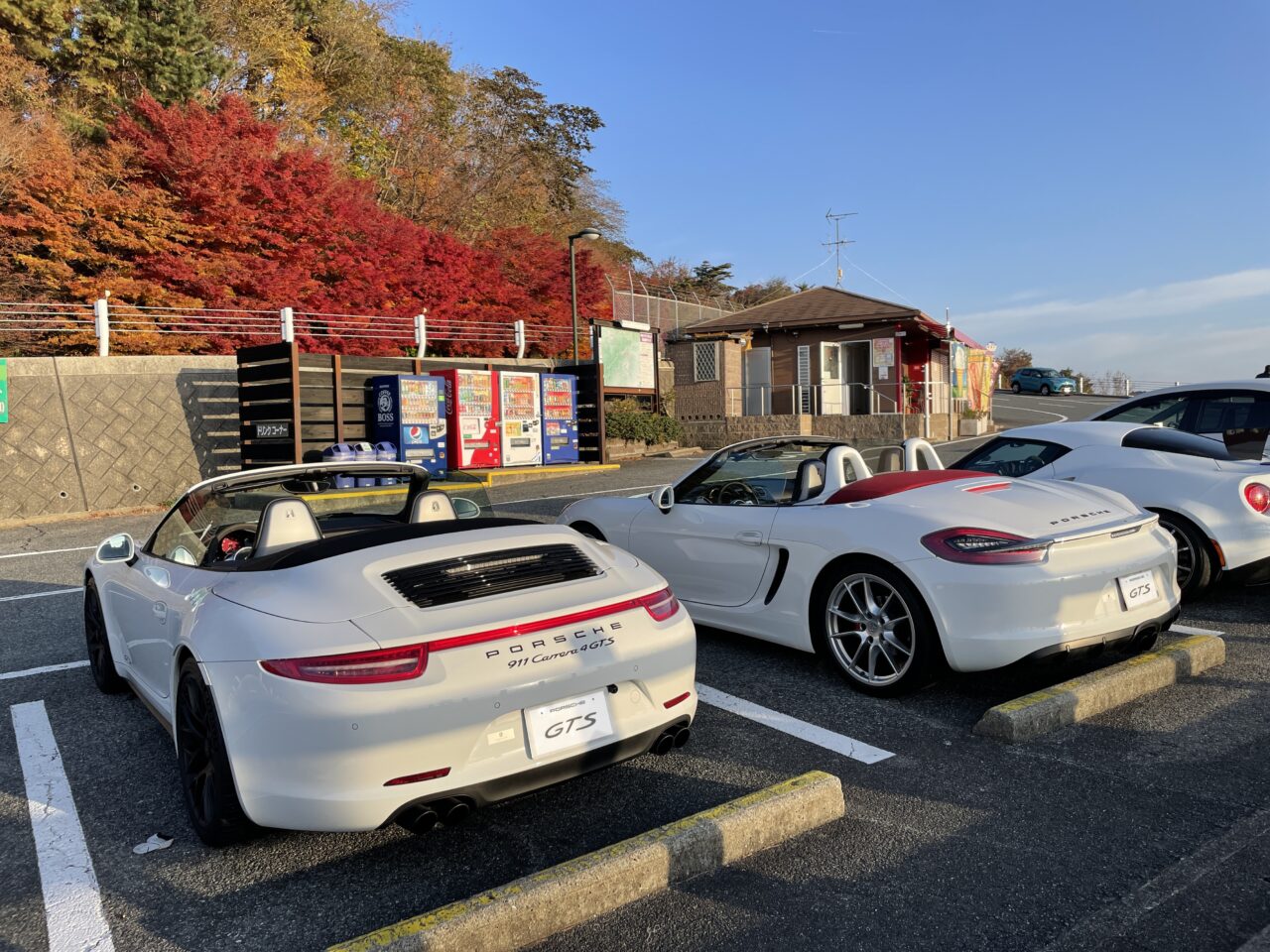
I say that even though I bought the coupe myself. I already own another Cabriolet, and adding one more would have felt a little repetitive. I also wanted to keep track driving in mind. If I were buying my first Porsche, though, I’d probably start by looking for a Cabriolet.
The 911 Carrera 4 GTS Cabriolet is a rare find. If you’re considering one and spot an example on the used-car market, I’d move quickly.
このブログが気に入ったらフォローしてね!
Comment ( 0 )
Trackbacks are closed.
No comments yet.