

Porsche 911 992.2 Carrera GTS T-Hybrid Test Drive Report|How Good Is the Latest Hybrid?
公開日:2025.11.18

コンテンツ
The Reality of the New-Generation T-Hybrid System
The T-Hybrid system equipped in the 992.2 Carrera GTS is Porsche’s newly developed hybrid technology.
Unlike a plug-in hybrid, it cannot be charged externally. The core of this system lies in a compact lithium-ion battery and a motor integrated within the PDK transmission that provides electric assist. The engine features a newly developed 3.6-liter electric single turbo, marking a significant shift from the traditional twin-turbo setup.
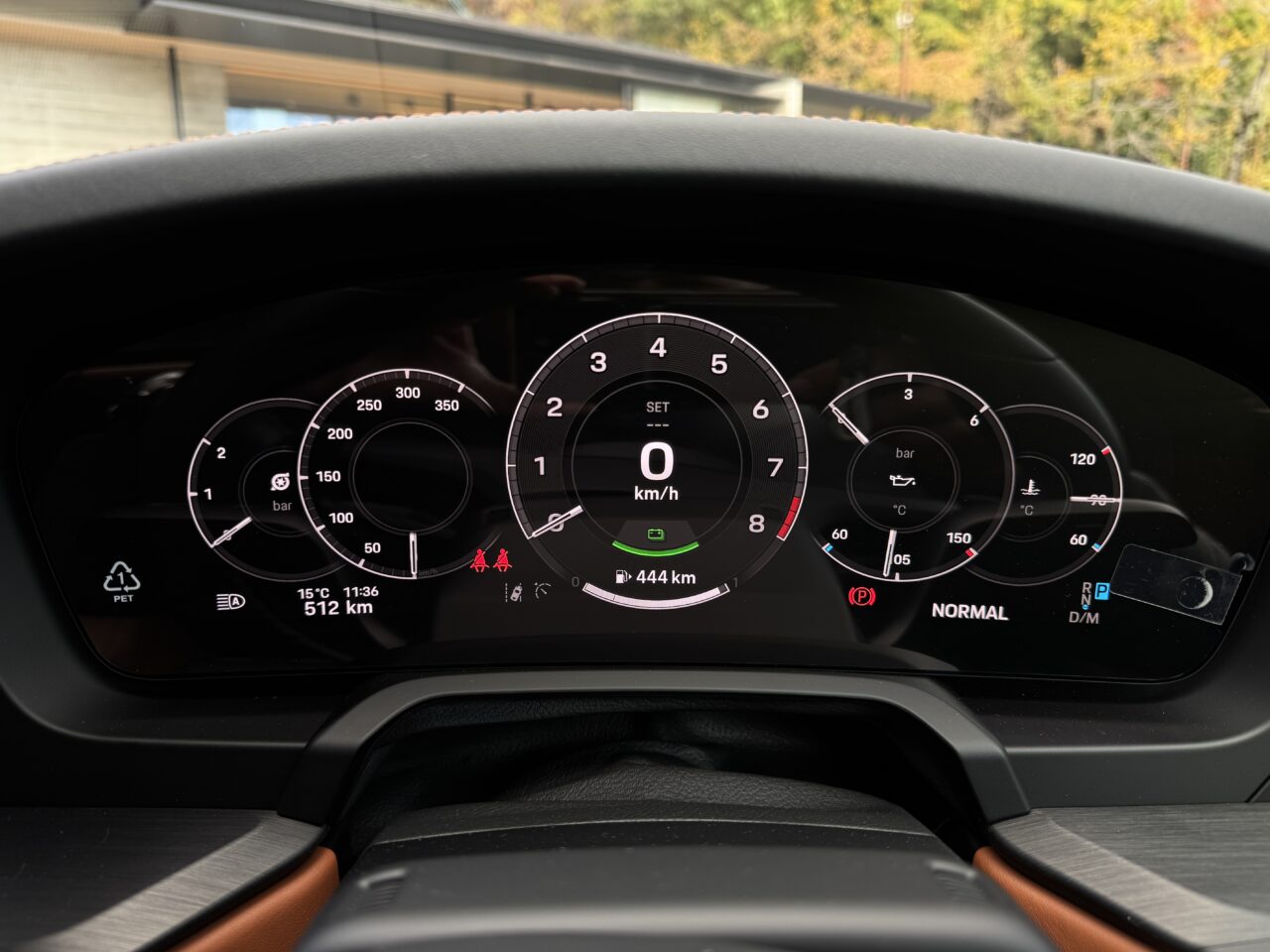
At low speeds, motor assist takes the lead, with the turbo engaging more fully as speed increases.
This configuration greatly reduces the turbo lag that was noticeable in previous GTS models. When starting the engine, you won’t hear the starter motor; press the button, and the engine fires up instantly. Watching the boost gauge while driving reveals that at low speeds or light throttle openings, the engine is almost entirely supported by motor assist.
Refined Interior and Exterior Craftsmanship
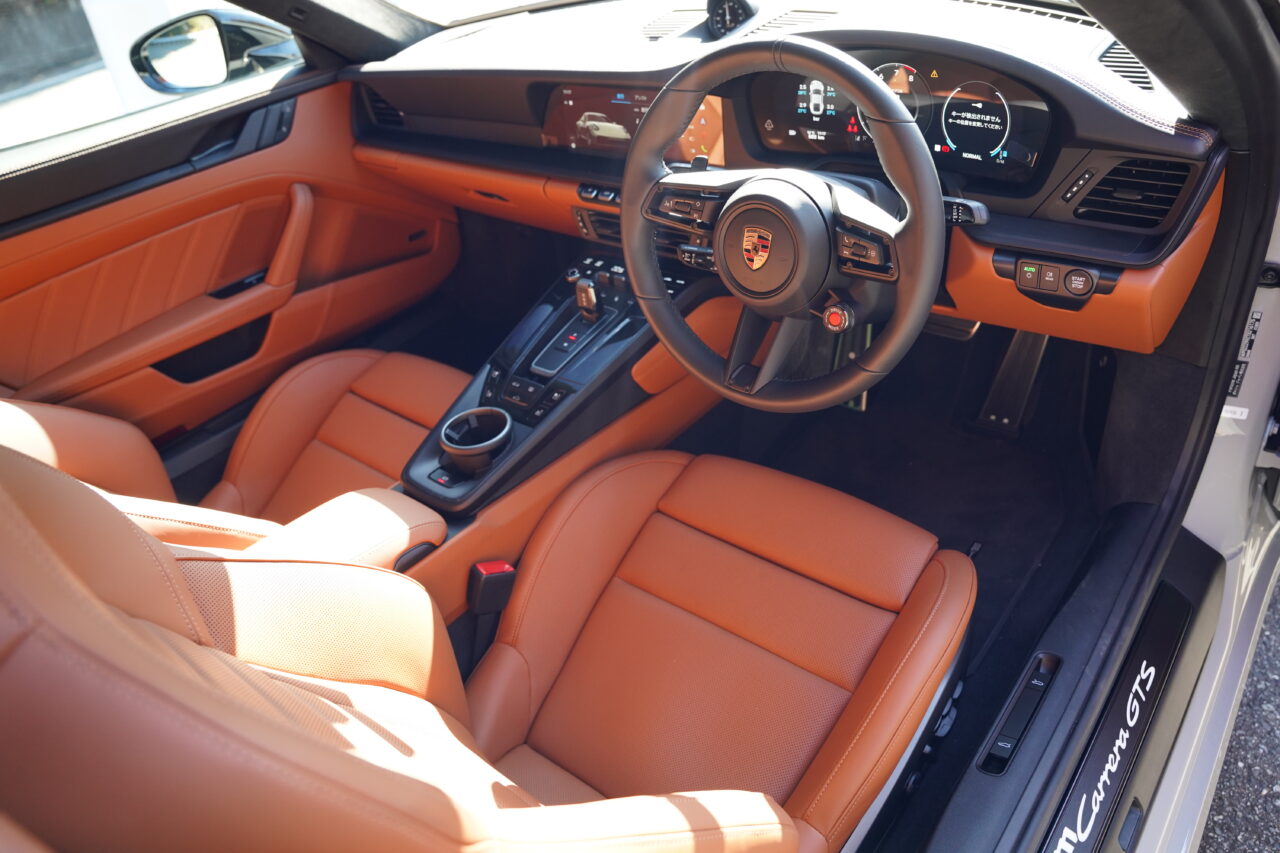
The test car’s interior is trimmed in rich Cognac leather with intricate stitching throughout.
This color and texture exude the premium quality befitting a high-end 911. Sitting inside, the tactile feel and depth of the leather engage the senses. For anyone considering buying such a car, investing in a refined interior is clearly worthwhile.
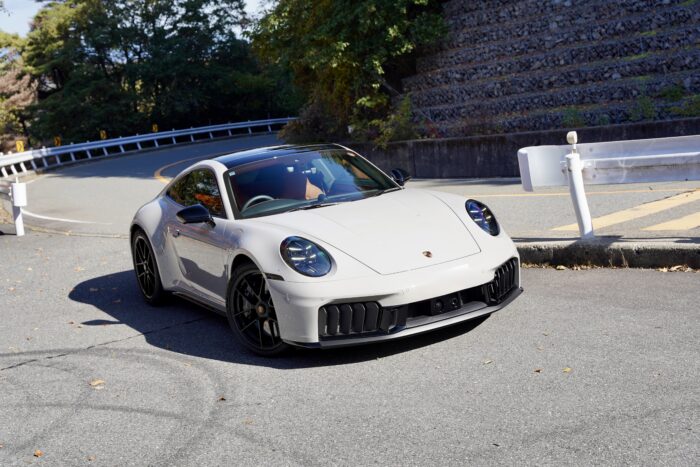
The exterior sports a Crayon color, and the glass roof creates a blacked-out effect that sharpens the overall design.
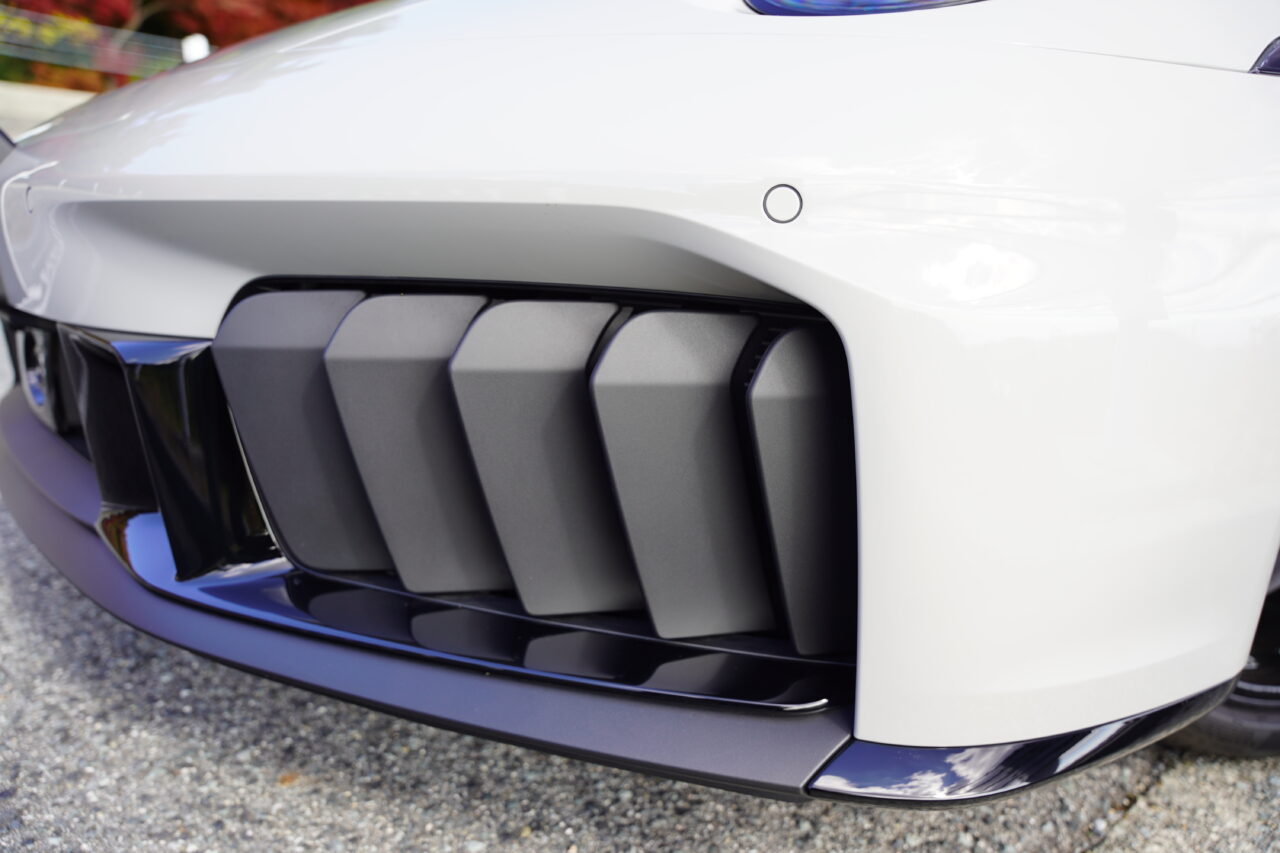
The vertical front fins on the 992.2 GTS have sparked debate, but in person, they are far less distracting than in photos. Details that stand out in pictures blend seamlessly into the overall design when seen live. The contrast between the soft Crayon hue and the black roof enhances the car’s sophisticated presence. The meticulously crafted interior and exterior confirm that this GTS is not just a high-performance sports car but a refined grand tourer.
Changes in Sound Character and Mixed Reactions
Compared to the early 992 GTS, the engine sound has a distinctly different character.
It features a mid-range focused tone, with a narrower frequency range than previous models. Unlike the naturally aspirated engines of the 981 and early 991, which spanned from ultra-low to ultra-high frequencies, the turbo engines from late 991 onwards emphasized bass while cutting treble. The T-Hybrid further tones down the bass, delivering a sound centered in the mid-range.
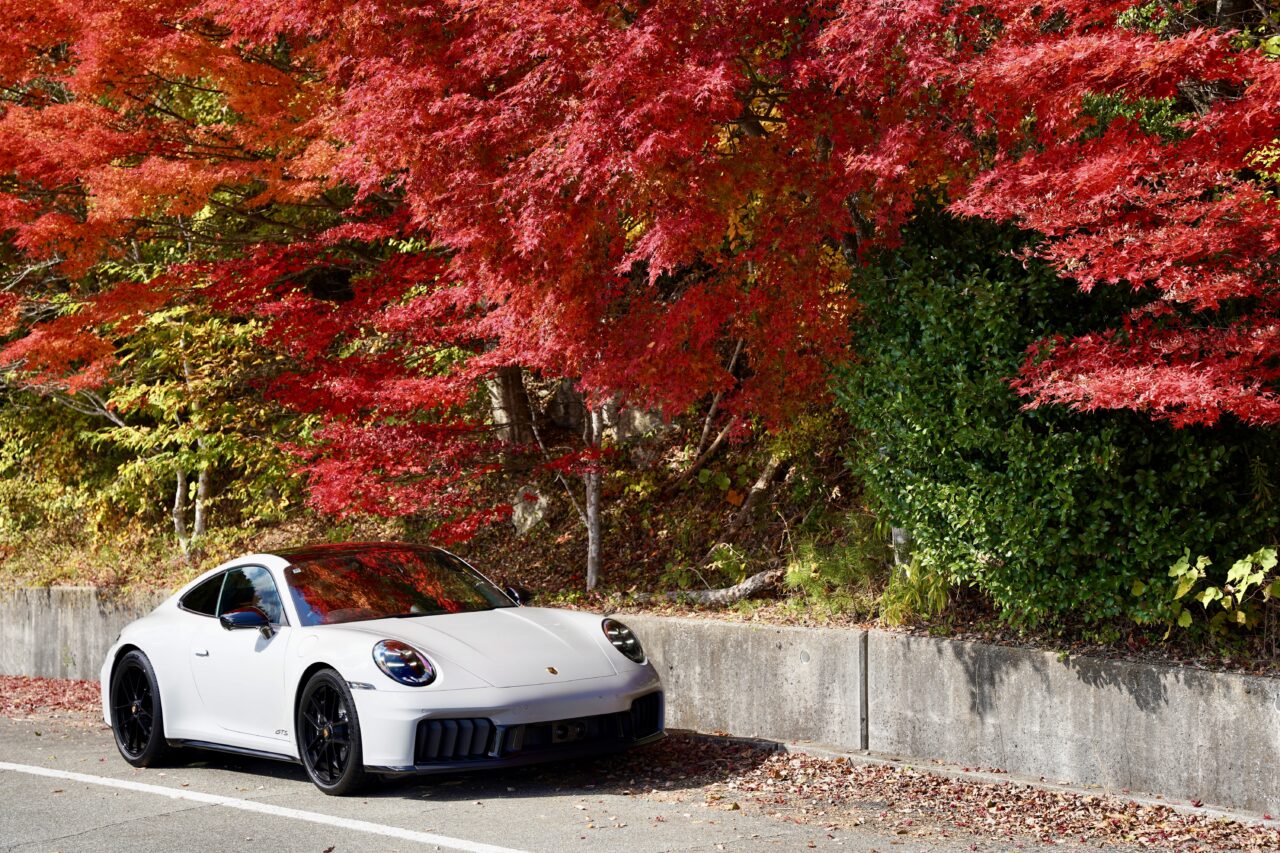
Activating the sport exhaust improves sound clarity and changes the tone.
However, the volume is not as loud as the early 992 GTS. While the sound is pleasant rather than unpleasant, the limited tonal variation means it lacks dramatic flair. This sonic character will divide opinions. Although the engine remains the star, the sound’s impact may not fully live up to the GTS badge’s expectations.
Electric Assist Benefits from City Streets to High Speeds
Driving in urban environments shows significant improvements over previous GTS models.
Earlier GTS versions suffered from noticeable turbo lag at low speeds, causing some jerkiness. The T-Hybrid delivers ample torque from low revs, enabling smooth acceleration. That said, drivers accustomed to the Taycan may still find it somewhat frustrating. Situations like gear shifts or when a downshift to second gear is needed but the car stays in third reveal the limitations of a traditional engine car.
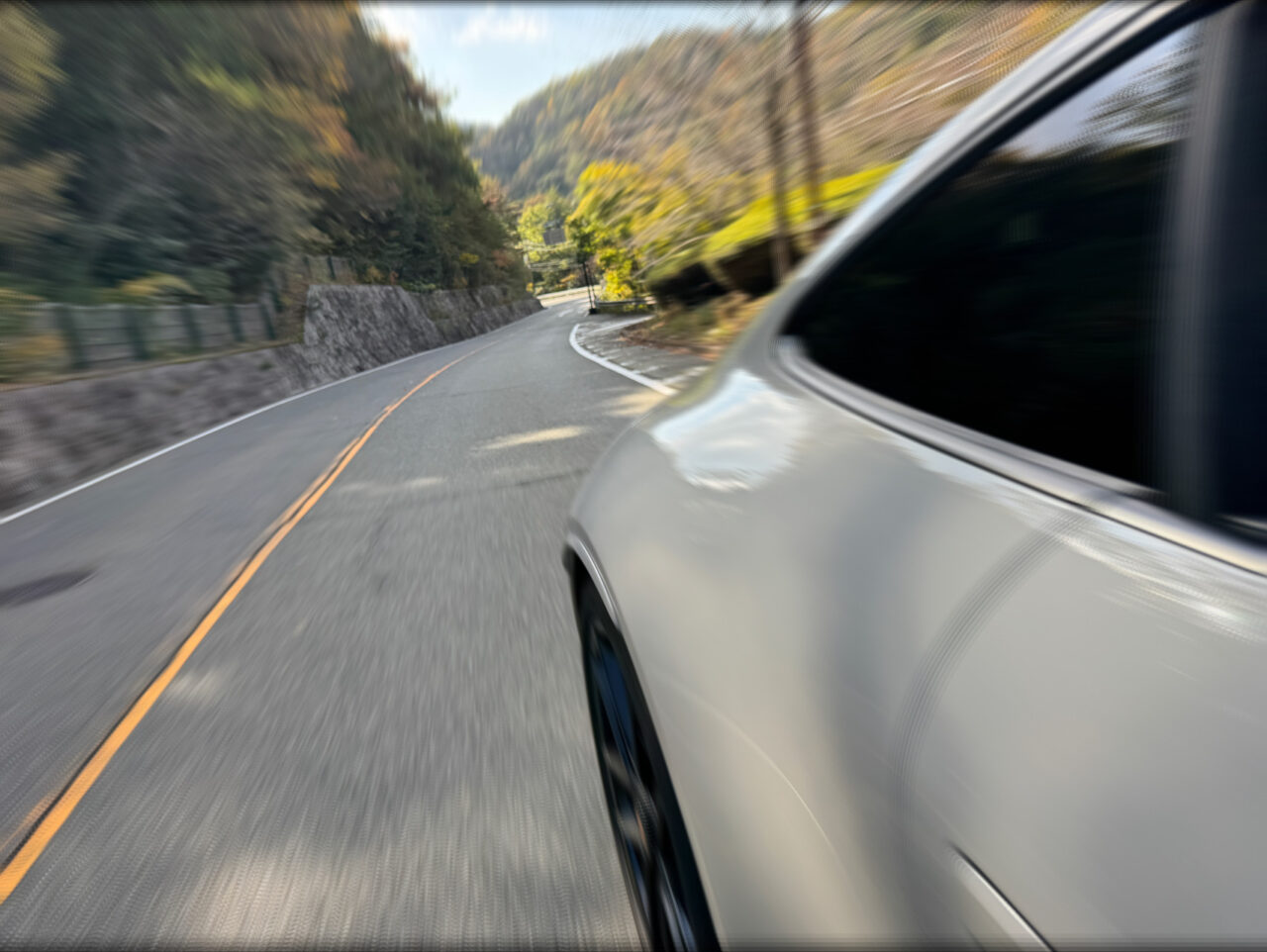
In short, it feels like an “electric-assist 911.” The Cayenne Hybrid or Panamera Hybrid can be likened to mopeds that can run on electric power alone. This GTS, however, remains an engine-first car with the motor playing a supportive role. It doesn’t offer the instant torque or electric-like acceleration of plug-in hybrids. The engine is the protagonist, with the motor as a faithful sidekick.
Handling and Suspension Evolution
This test car was equipped with PCCB and PDCC (Porsche Dynamic Chassis Control).
The active stabilizer reduces body roll, balancing ride comfort and handling. Even in Sport Plus mode, the ride remains comfortable, but the sharp, crisp handling of the early 992 has softened. The earlier model’s front-end was so keen it made the GT3 seem unnecessary, but the later version is deliberately tuned to be milder.
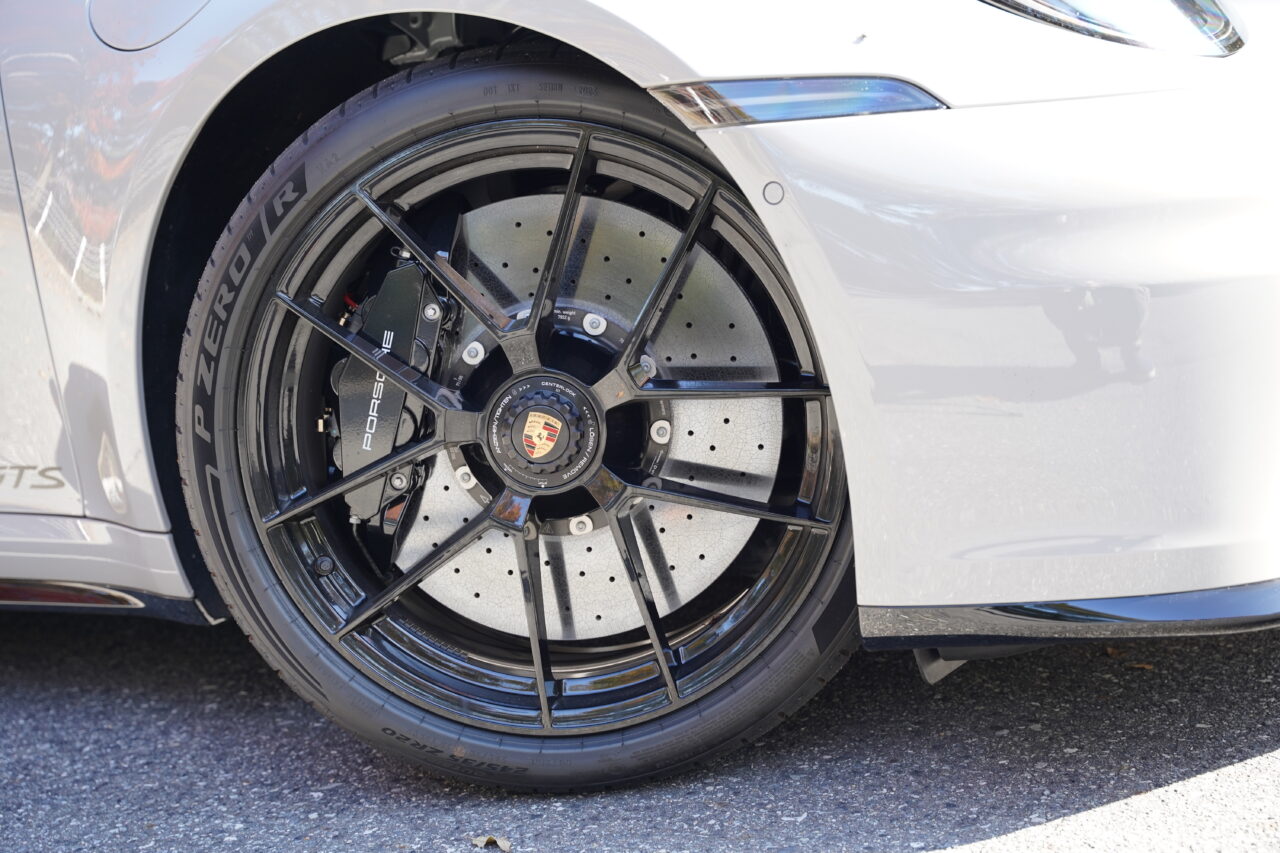
Rear-axle steering is also fitted, enhancing cornering agility. However, the front-end sharpness of the early model still feels a bit missed.
This particular car has the standard PASM suspension (a no-cost option), which prioritizes comfort over the GTS’s usual PASM Sport chassis. Even so, some initial road surface roughness was noticeable. Over time, it became less of an issue, and ride comfort is clearly improved compared to the early 992.
A friend who owns a 992.2 Carrera GTS with the standard PASM Sport chassis complained about its stiffness, but felt this standard PASM suits the car’s character better.
True Strength on Winding Roads and Highways
The gear ratio that hits about 105 km/h at 5000 rpm in third gear is lower than in the 981 or 991 era but higher than the late 992 GT3 or Spider RS. With this torque and power, Japanese mountain roads feel honestly too fast.
Generally, the 992 series has so much power that it’s less about revving hard on twisty roads and more about shining during high-speed cruising. When you floor the accelerator, the electric turbo kicks in instantly, unleashing 541 horsepower in a breathtaking surge. The top speed of 312 km/h is no exaggeration.
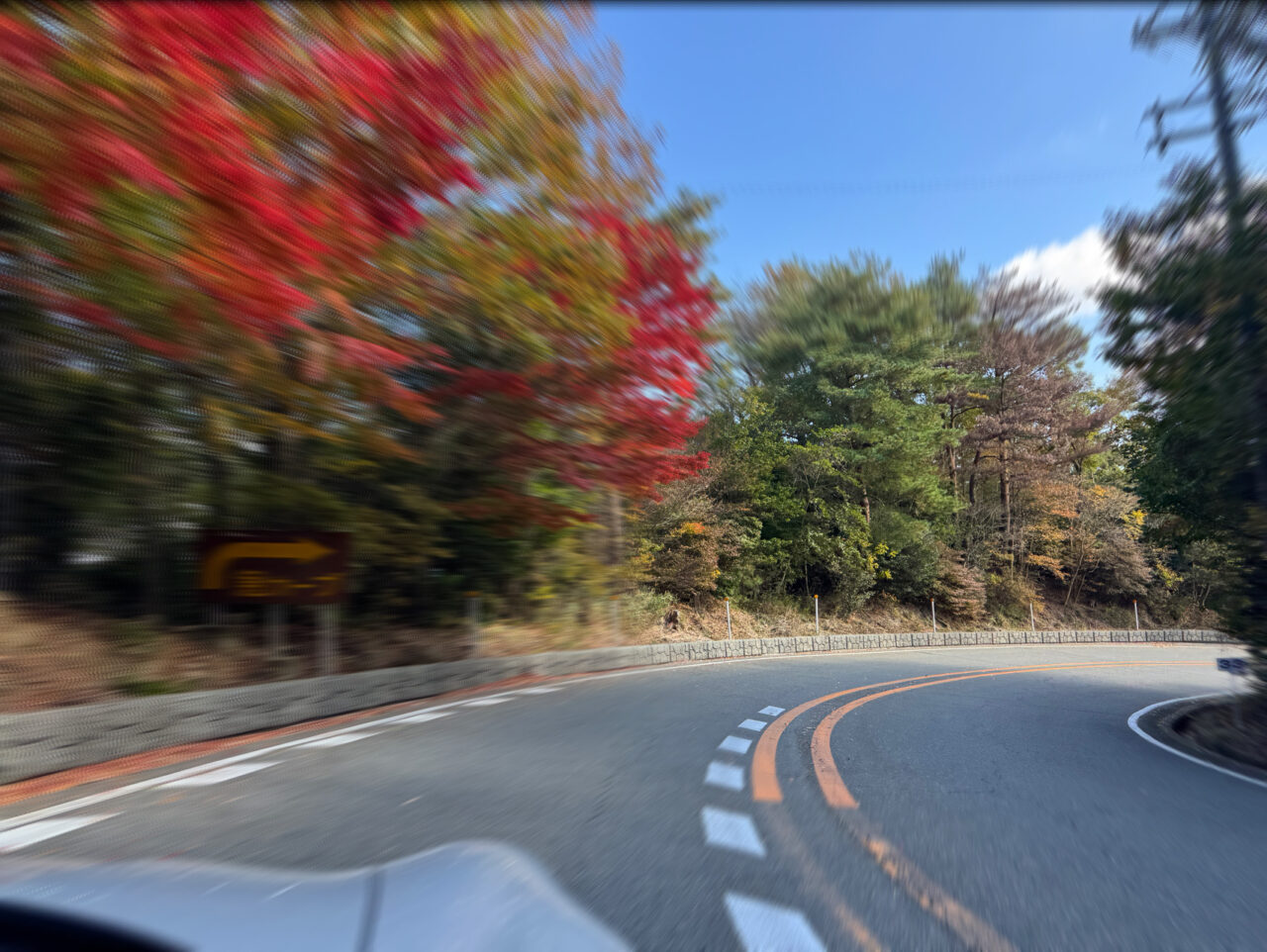
In fact, straight-line and high-speed stability are among the best I’ve experienced in a 911.
Even on rough roads, the car remains composed and tracks straight with overwhelming confidence. Its grand touring qualities are exceptional, and this model truly embodies the “Grand Touring Sport” spirit that the GTS name represents.
The early 992 and late 991 GTS models felt too close to the GT3. The 992.2 GTS has restored the balance that defines a true GTS.
Who This 911 Is For
If you expect electric-car-like driving from the T-Hybrid, you’ll find the engine presence stronger than imagined.
To reiterate, this is essentially an “electric-assist 911,” distinctly different from the electric feel of plug-in hybrids. So who is this car best suited for? It’s ideal for drivers who want a 911 but find joy in high-speed highway driving.
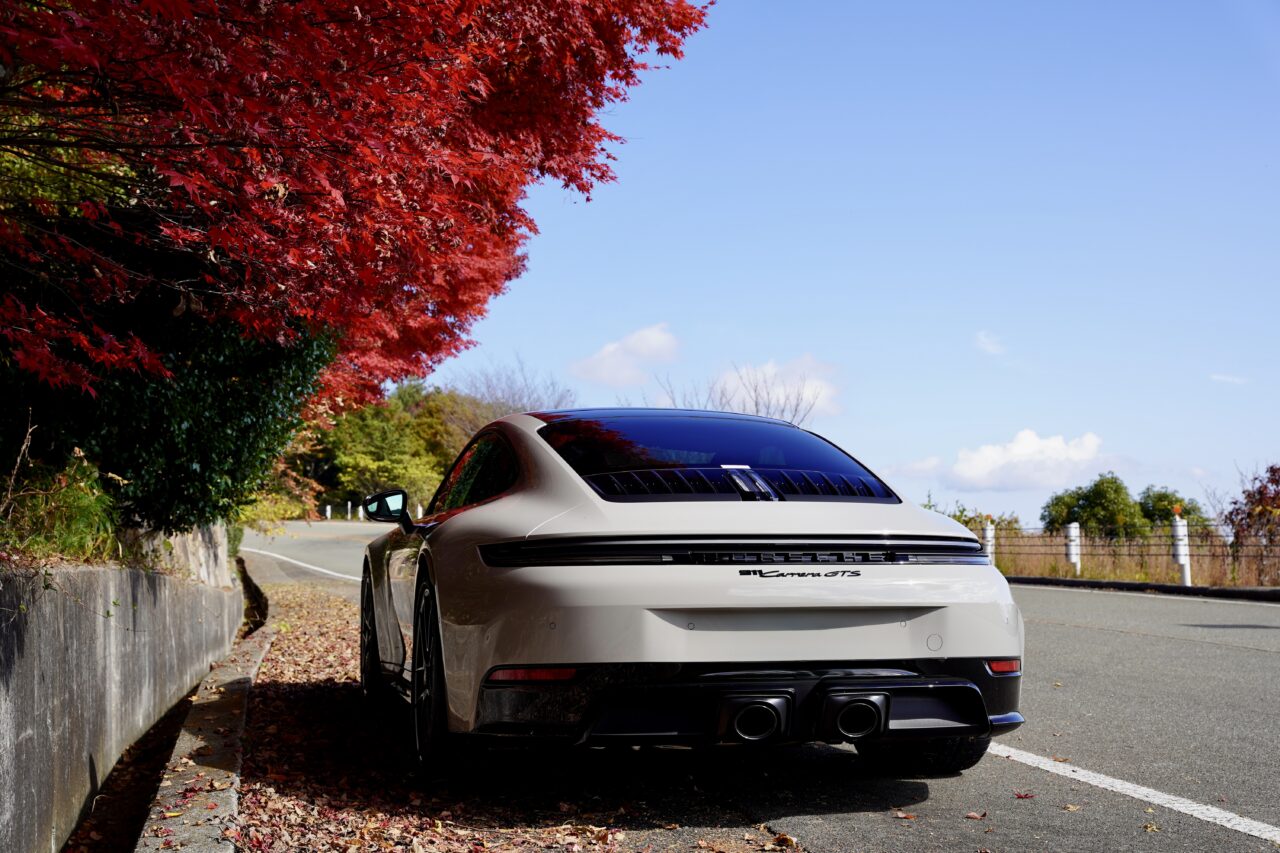
Its character leans toward AMG or Audi RS models.
The driving feel and tuning reminded me somewhat of a more refined successor to the Audi TT RS I once owned. If you want to enjoy revving the engine on mountain roads or purely enjoy track days, the Carrera T or GT3 would be better choices. This GTS should be seen as a GT-focused 911 with strong grand touring qualities.
For drivers seeking comfort and stability on highways combined with more-than-ample power, this car is an excellent choice.
このブログが気に入ったらフォローしてね!
Comment ( 0 )
Trackbacks are closed.
No comments yet.