

Porsche’s K1 Drops Its EV-Only Plan for a V8: Why a Taycan Owner Believes EVs Are the Porsche for Everyday Life
Published:

コンテンツ
What Is the Porsche K1? The Flagship SUV Above the Cayenne
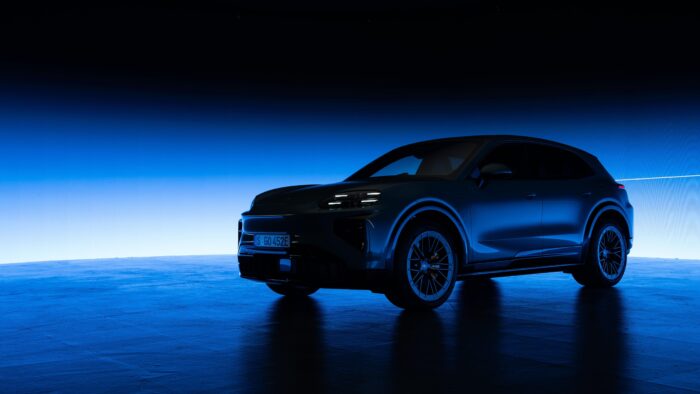
Porsche is developing a new SUV known as the K1. The name may not be familiar, but it’s a seven-seat flagship SUV positioned above the Cayenne, set to compete head-on with the BMW X7 and Mercedes-Benz GLS. It will be the largest and most expensive SUV in Porsche’s lineup.
The K1 was originally being developed exclusively as an EV.
Built on the Volkswagen Group’s “SSP” (Scalable Systems Platform), designed for its next generation of EVs, the K1 was expected to embody Porsche’s electric strategy. But in February 2026, an Autocar report revealed a major change of direction: the K1 will no longer be EV-only. It is expected to offer a 4.0-liter twin-turbo V8 and a 3.0-liter V6, and share its platform with the Audi Q9.
Why Did Porsche Drop the EV-Only Plan? Three Major Setbacks
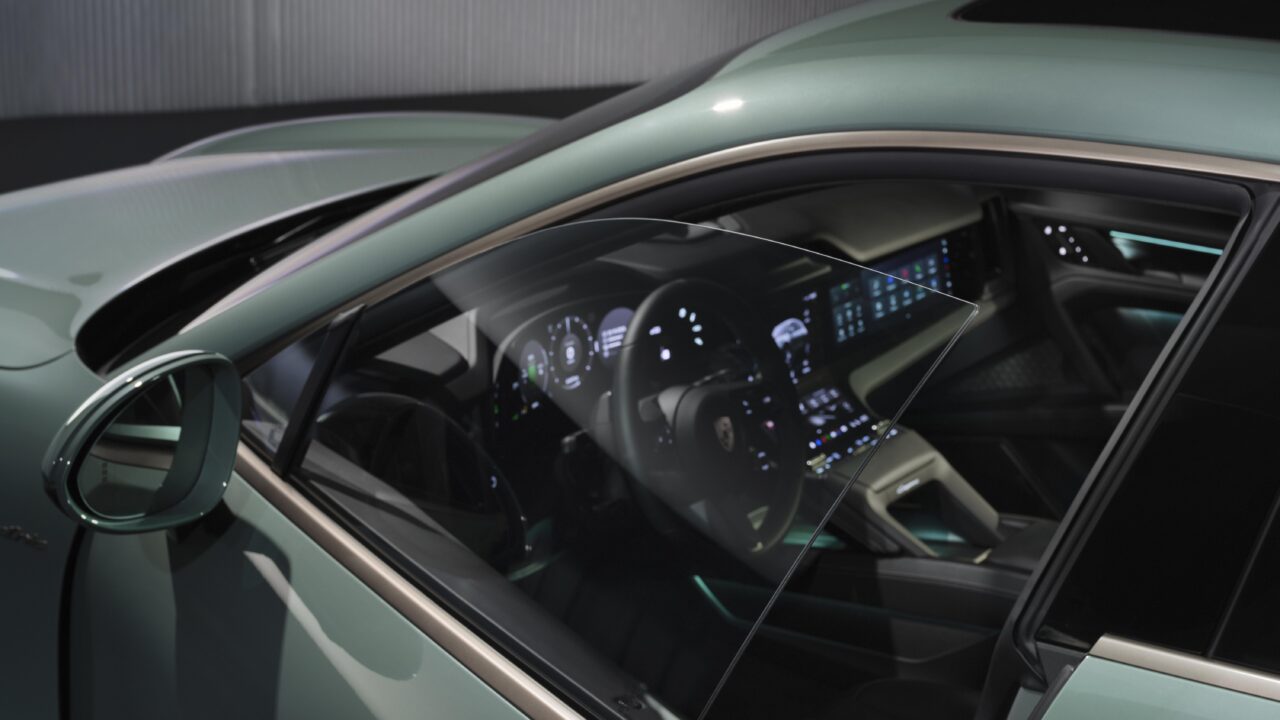
Three tough realities are behind Porsche’s change of direction.
First, development of SSP software has been significantly delayed. Second, Taycan sales have been disappointing, reflecting EV demand that has fallen short of initial expectations. And third, development costs have soared. Bloomberg has reported that new CEO Michael Leiters is even considering scrapping development of electric 718 models—a sign that Porsche’s EV strategy is facing major uncertainty across the board, not just for the K1.
The K1 is now expected to share a platform with the Audi Q9 to keep costs down, with gasoline and plug-in hybrid versions targeted for launch around 2028. Porsche says an EV version will “come eventually,” but hasn’t given a timeline. The K1 is expected to offer a power range similar to the Cayenne, from 348 to 730 horsepower, which would make a V8 version a seriously powerful SUV. Still, the decision to share a platform with the Audi Q9 may leave fans who value Porsche’s distinct identity with mixed feelings. It’s understandable as a pragmatic move to improve cost efficiency, but those who remember the Cayenne’s history of parting ways with the Q7 to get its own chassis may find it hard to swallow.
What Everyday Taycan Ownership Has Taught Me: Is a V8 Really the Right Answer?
Now, for my personal take.
To be honest, I have doubts about this decision. In my experience, an EV is far better suited to everyday SUV duties. I drive a Taycan Turbo GT regularly, and the more I use it, the more I appreciate the advantages of electric power. Full torque comes on the moment you press the accelerator, acceleration is seamless with no gear changes, and charging at home means the car is ready to go with a full battery the next morning. Once you get used to that, stopping at a gas station starts to feel like a chore.
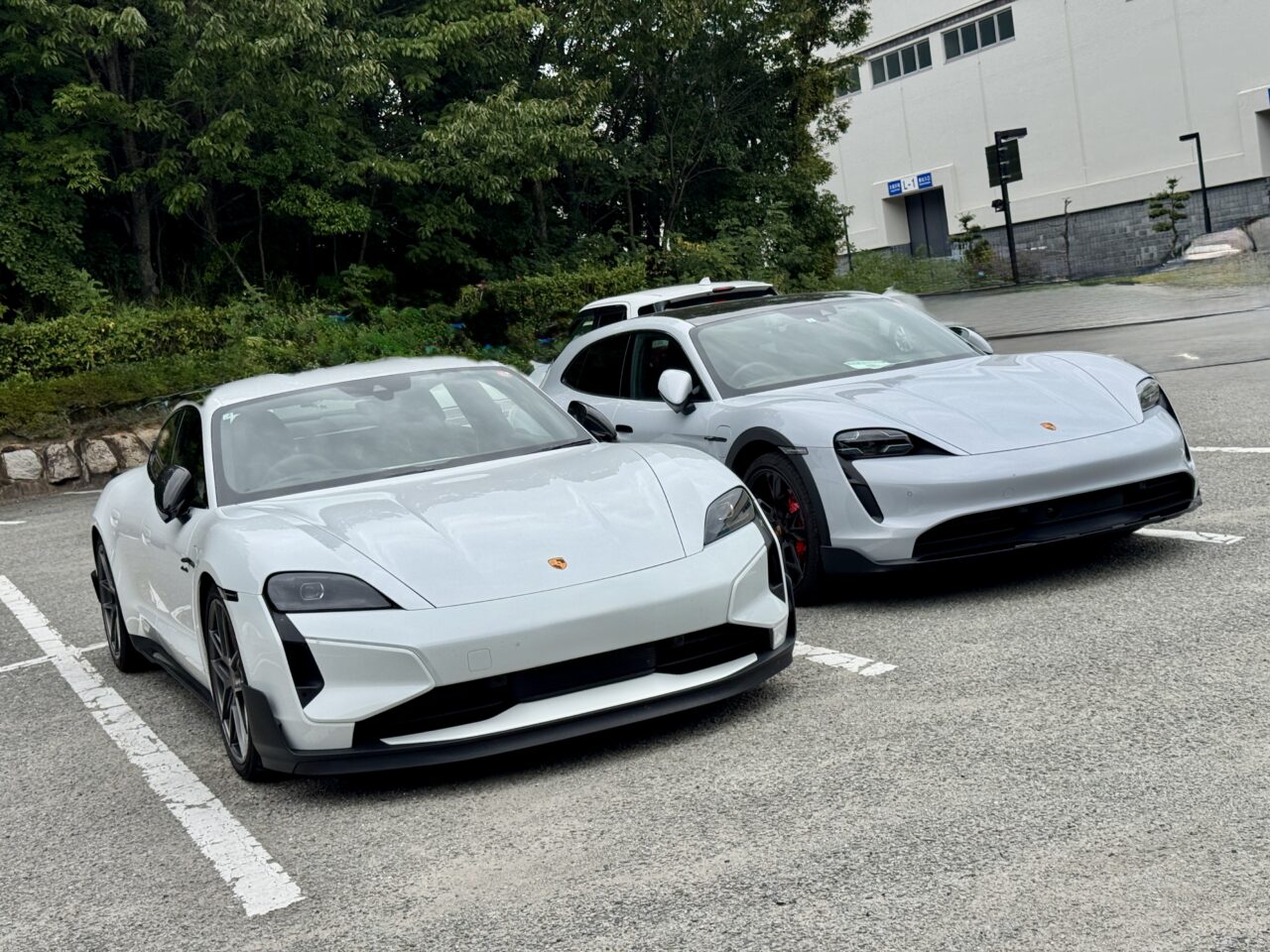
The Turbo GT and my wife’s Cross Turismo 4S
A 4.0-liter twin-turbo V8 certainly looks appealing on paper.
But wouldn’t most buyers of an SUV in this class use it for everyday journeys—commuting, grocery runs, and taking the kids to school? In slow-moving city traffic, a V8 has little chance to show what it can do. Fuel economy is poor, a hint of turbo lag can creep in when pulling away from a stop, and even the smartest multi-speed automatic can’t match an electric motor’s direct response. In a Taycan, the car’s acceleration follows your right foot instantly. That responsiveness is especially noticeable in congested urban driving. Anyone who can afford a K1 should also be able to install a home EV charger. Plug in at night, and the car is fully charged by morning. There’s no need to find a gas station or get your hands dirty while refueling. For everyday use, I believe an EV is far more comfortable—and more fun.
I Want More People to Discover the Everyday Advantages of EVs
That said, I wouldn’t call Porsche’s decision to return to V8 power a mistake.
For people who haven’t lived with an EV, the roar of a V8 and the satisfaction of owning one can be hugely appealing. The presence of an engine, the exhaust note, the rising revs—many people still see these sensory experiences as central to the joy of driving. If that’s what the market wants, giving customers what they’re asking for may be the right business decision for Porsche.
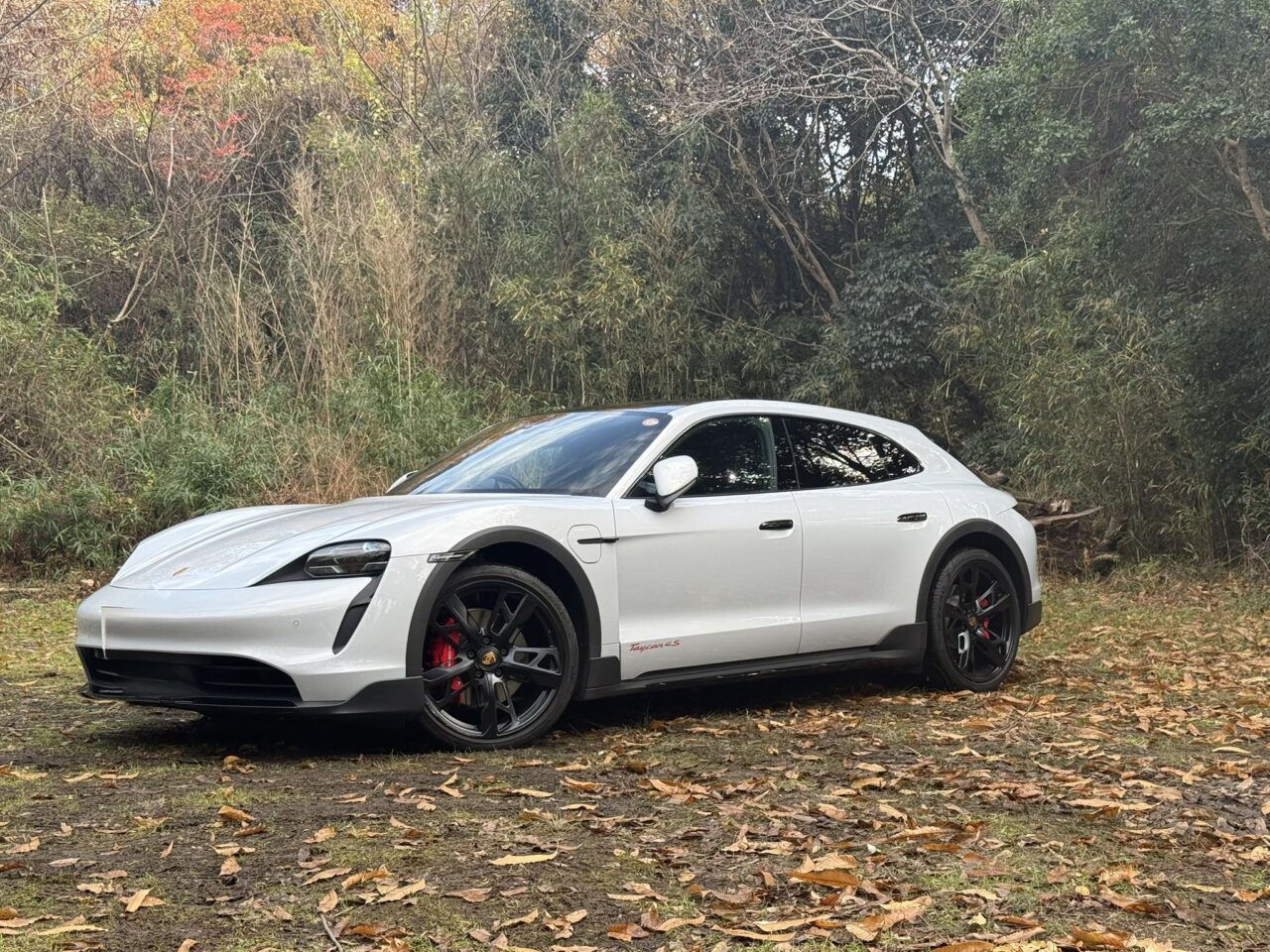
Still, I hope more people will experience an EV as their everyday Porsche. At our house, my wife’s Taycan 4S Cross Turismo fills that role perfectly, and it has already covered more than 35,000 km. It’s been just as convenient for grocery trips as it has for longer drives. In fact, it’s hard to imagine going back to a gasoline car. Just the other day, my wife and I were talking in the Taycan and said, “Even if it’s a Panamera Turbo, I don’t think we could go back to a V8.” Once you get used to the smooth, powerful drive of an EV, it can be even more compelling than the sound of an engine starting or the thrill of an exhaust note. That’s not a bad thing—it’s a sign that the way we live with cars is evolving.
It’s a little sad to see Porsche’s EV strategy lose momentum, precisely because I know how good an electric Porsche can be. I hope the K1 EV arrives sooner rather than “eventually.” And if more people consider switching from a V8 when it does, wouldn’t that be a happier future for Porsche and its owners alike?
If you enjoy this blog, follow along.
Comment ( 0 )
Trackbacks are closed.
No comments yet.