

The Original Porsche 911: Driving a Short-Wheelbase Narrowbody
Published:

コンテンツ
The Porsche 911 in Its Purest Form
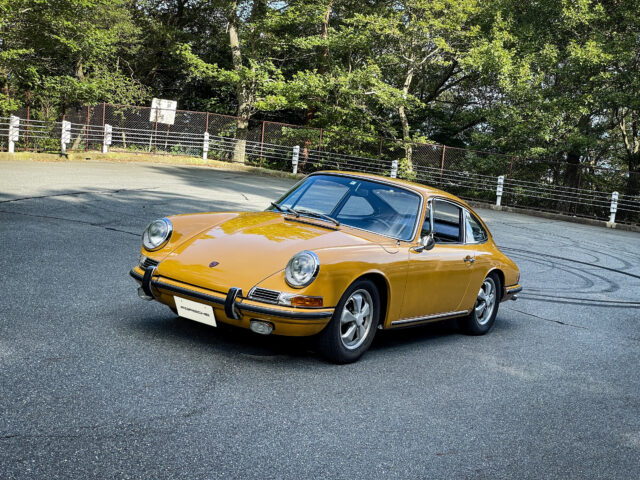
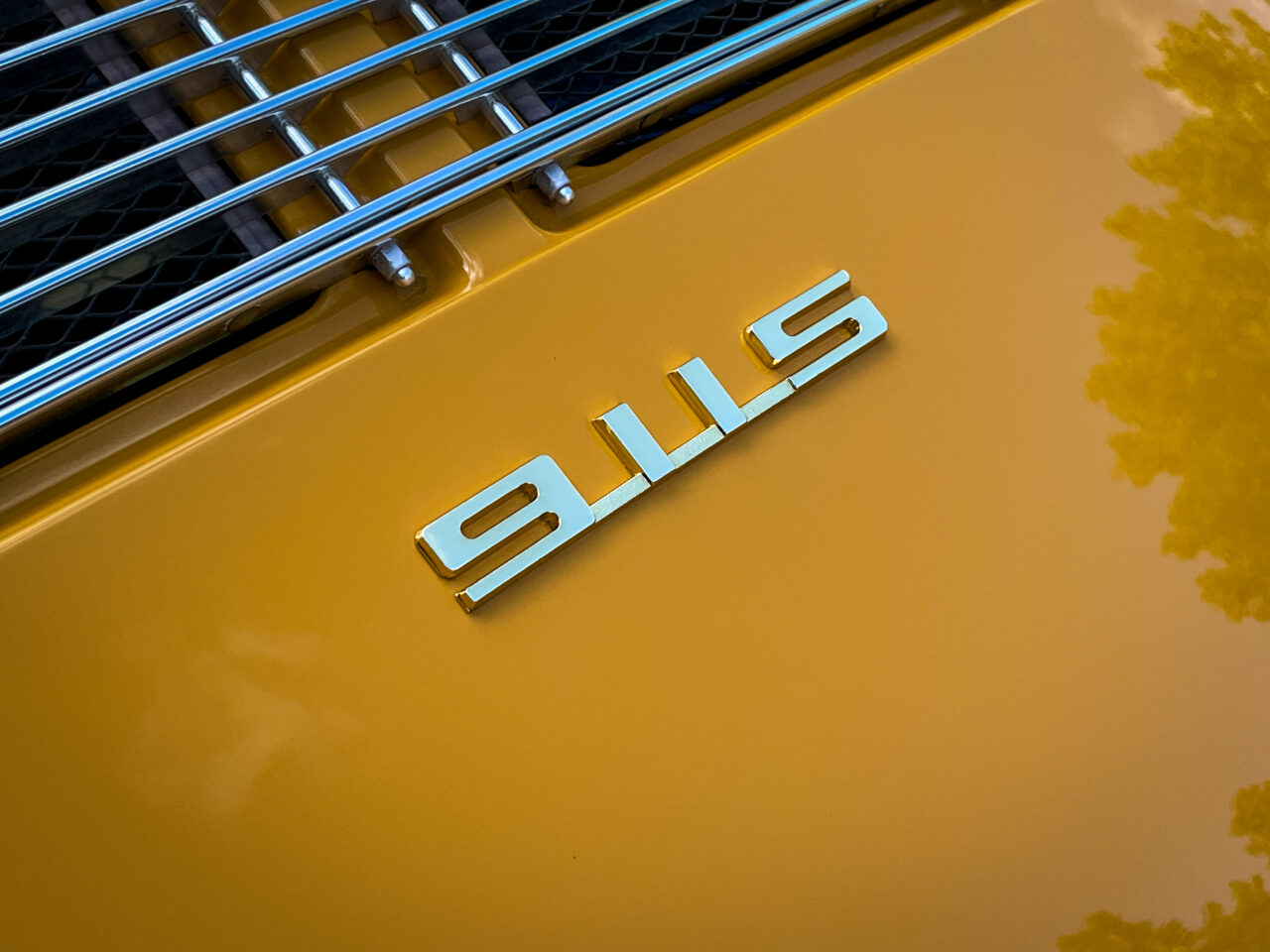
Of all the Porsche 911s I’ve driven, this is the most primitive. And this time, I had the good fortune to get behind the wheel of a 1967 911 S.
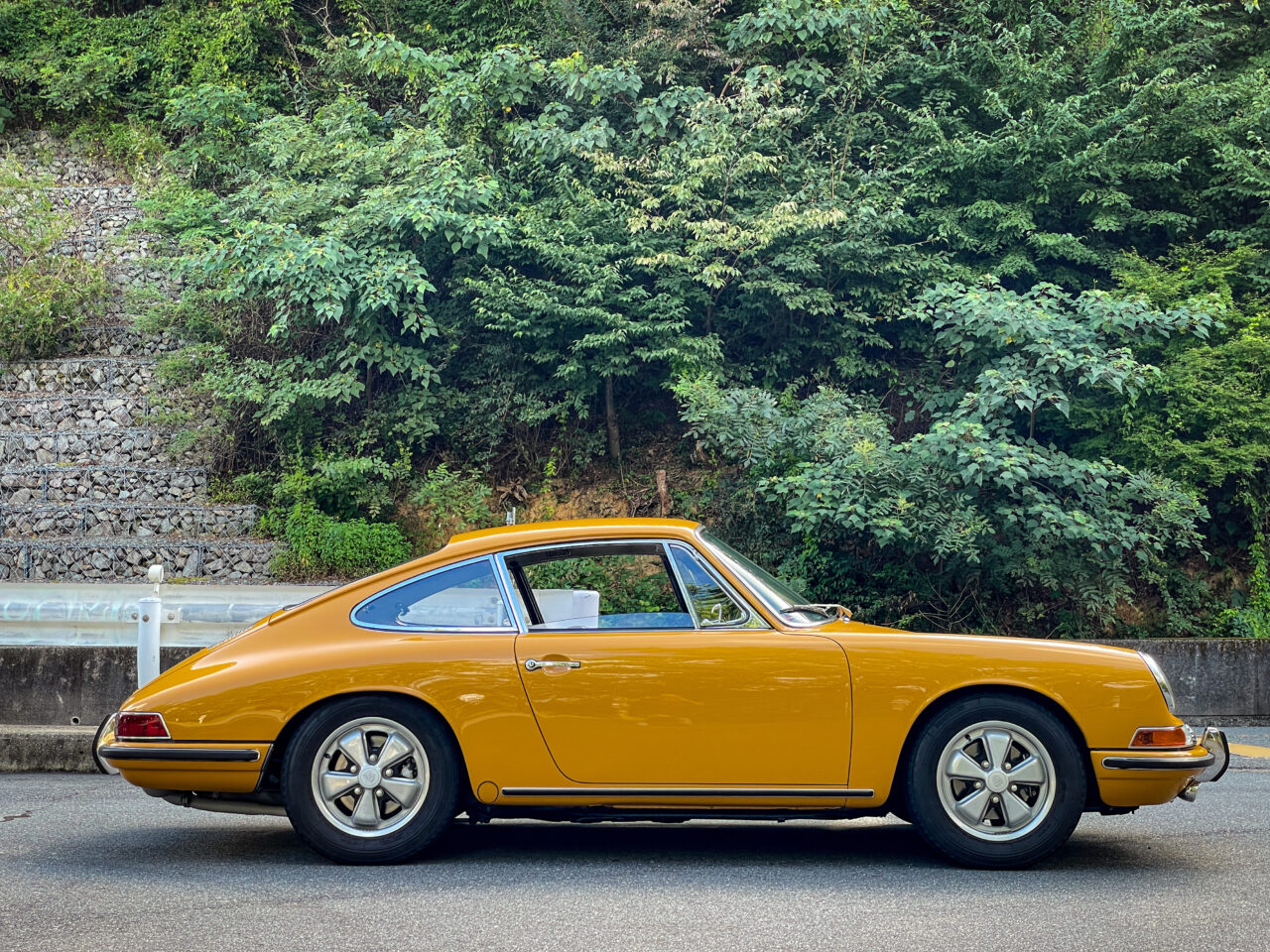
Finished in Bahama Yellow, this car has a quiet dignity and a special aura about it. Perhaps it’s the history it carries. With only around 21,000 km on the clock, it’s in exceptional condition. It has a presence that sets it apart from just any classic car.
And there’s a good reason for that: I’m told this particular car was once owned by a famous ballet dancer.
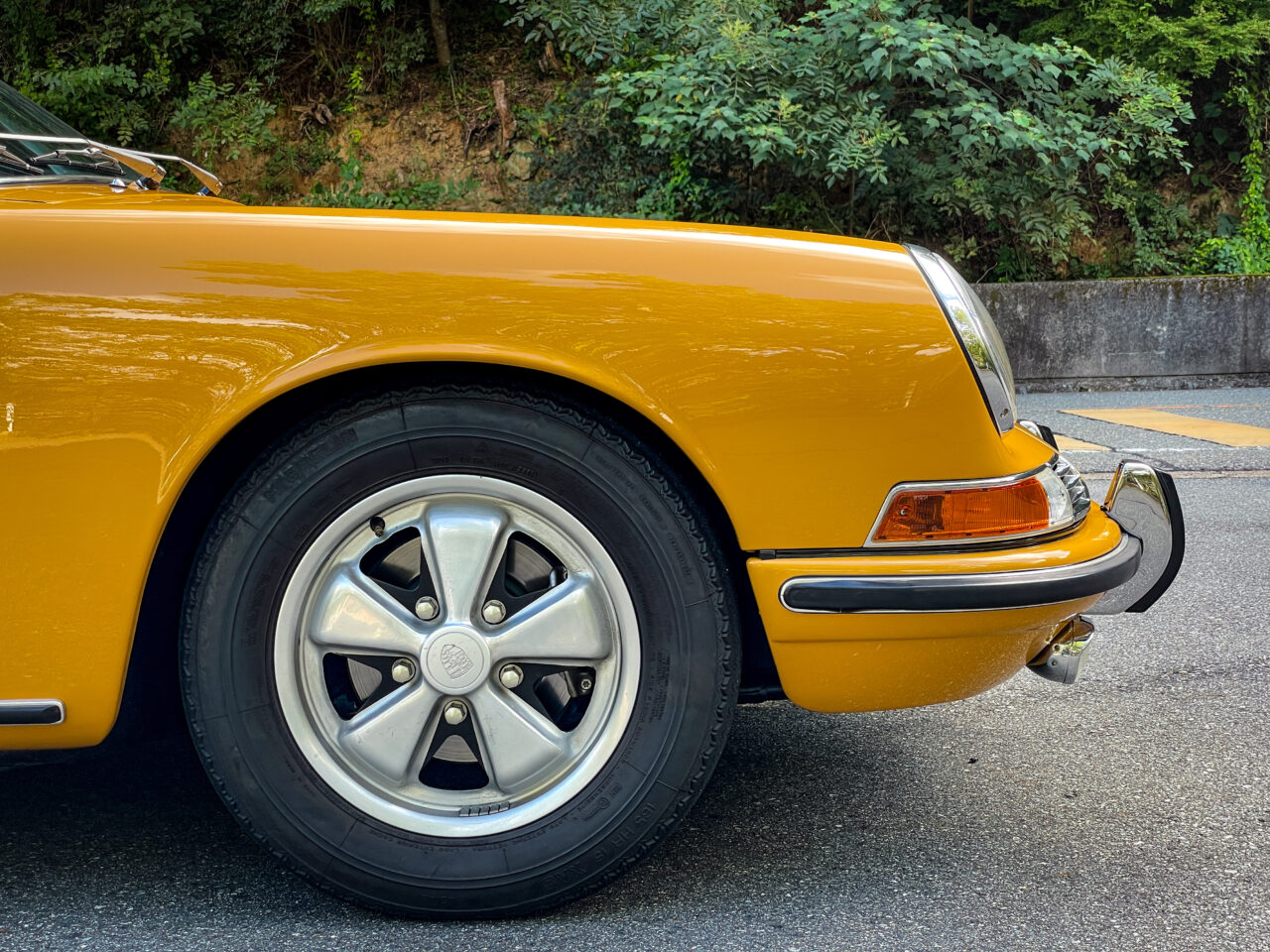
It wears Porsche’s iconic forged Fuchs alloy wheels, and its ventilated brake discs are a distinguishing feature of the S. The 1,991cc air-cooled flat-six produces 160 PS, making this a seriously powerful car for its time.
Above all, this 911’s defining feature is its short wheelbase. From the 911’s debut in 1964 through 1968, the wheelbase measured just 2,211 mm. The car was designed with agility and cornering performance in mind, though its stability and handling also drew criticism. Starting with the 1969 model year, the wheelbase was extended to 2,268 mm to improve stability at Autobahn speeds and enhance overall handling.
The short-wheelbase 911 has become an icon of the earliest models. Today, its demanding handling has only helped it earn an especially devoted following.
Driving a Short-Wheelbase Narrowbody Porsche
The Engine
The ignition sits to the left of the steering wheel, by the door—a Porsche tradition dating back to this era. Unlike a modern car, the two-liter flat-six won’t spring to life with a quick turn of the key. Give the throttle a little nudge, crank it for a few seconds, and the engine finally wakes up.
The idle isn’t quite settled right after startup, but once you’re moving, there’s no real issue. The gearshift has been described as feeling like “stirring honey with a spoon.” I slot it into first. Finding the clutch’s engagement point takes a little getting used to, but once you’ve got the feel for it, it’s not especially difficult.
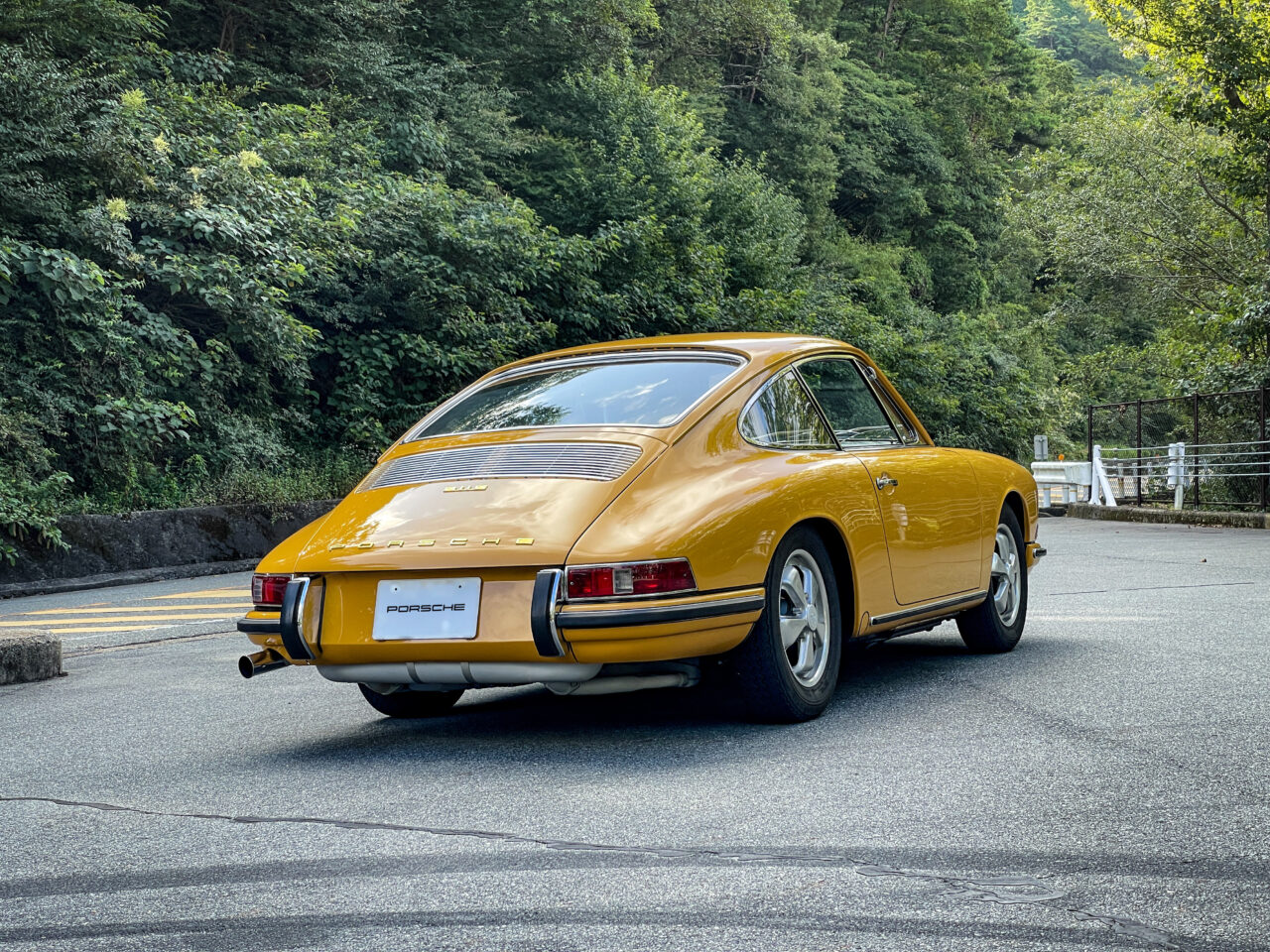
Compared with a modern car, the engine doesn’t have much torque, but as the revs climb, it gets this roughly 1,000-kg car moving with real verve. And the sound is simply wonderful.
There’s the mechanical clatter, the intake noise, and the exhaust note. At low revs, the sound is deep; as the revs rise, it shifts smoothly into a higher register.
The wide range of tones you don’t get from today’s turbocharged 911 engines is enough to get your pulse racing.
The Gearshift
The gear lever has a slightly notchy, almost squishy feel as I slot it into gear and shift up through third and fourth. The shift lever is noticeably long, and you might wonder whether a lever this long could ever make for sporty shifts.
I used to think exactly that, before I got to experience classic 911s like this one.
But as I’ve driven more and more Porsches, I’ve come to realize that shift-throw length plays an important role in the balance of a car’s handling. Take modern Porsches, for example: the short-throw shifters in the Spyder, GT4, and GT3 slot crisply into gear and feel fantastic.
My 981 Boxster, though similar in design, has a slightly longer throw.
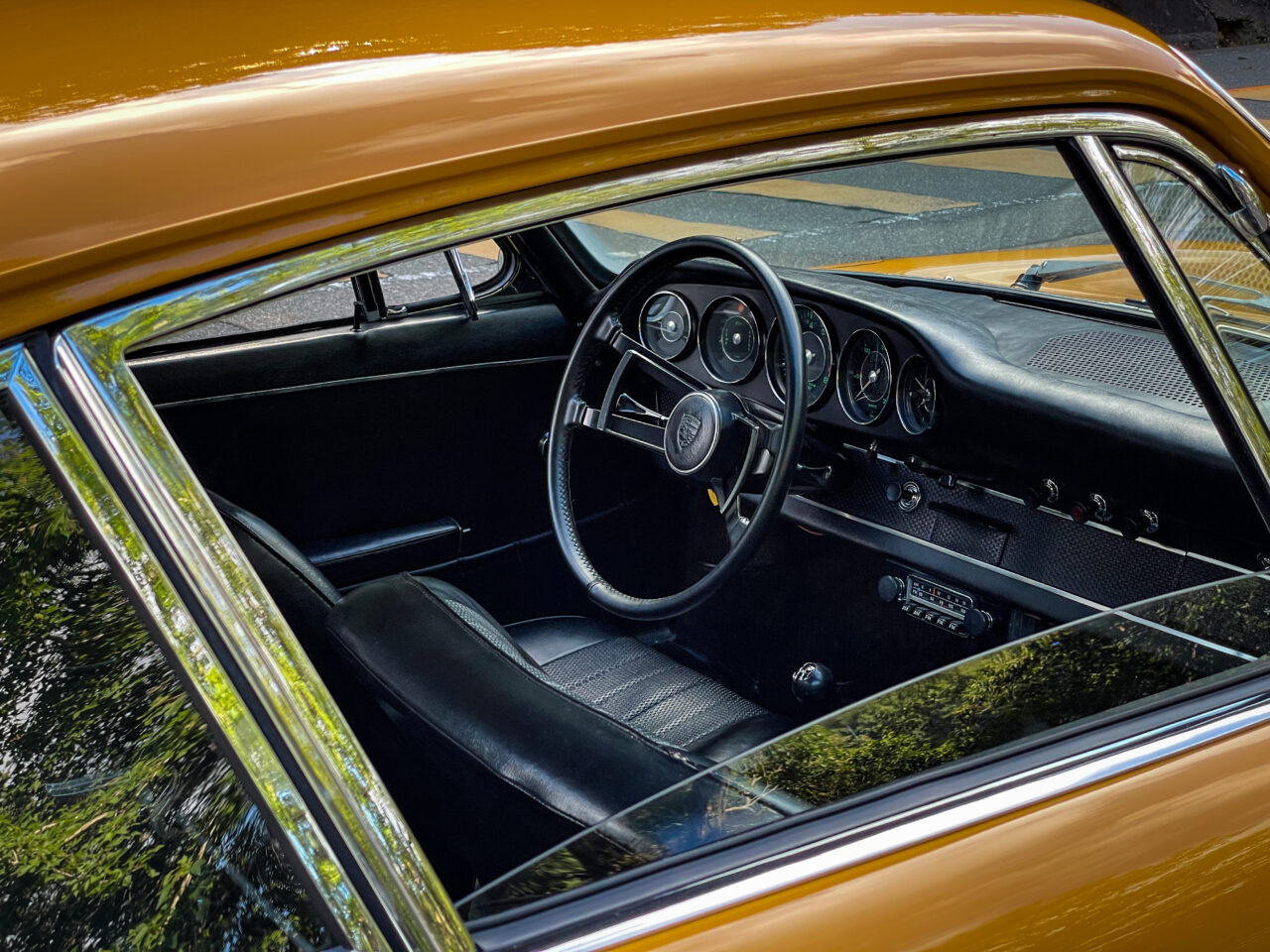
At first, I wondered why cars from the same era would have different shift throws. I even considered replacing the shifter in my Boxster with the GT4’s short-throw unit.
But after comparing the cars over and over, I began to understand: that short throw suits the GT3 and Spyder, with their crisp, responsive movements. The Boxster’s suspension is a little more compliant, with more give, and the longer-throw lever feels better matched to its rhythm on the road.
Quick shifts matter, of course. But more than that, when the rhythm feels right, the whole car comes into tune—and driving it becomes deeply satisfying.
This 911 is a perfect example of that kind of harmony. The engine’s power and revving character, the suspension’s feel on the road, the car’s agility—everything works in sync with the gear lever.
It’s this shift throw and feel that make the balance of the whole car work.
Nothing should overpower the rest. Like an orchestra, what matters is the balance between every player’s skill, their instruments, and where they sit.
How It Feels on the Road
I take a couple of bends, and the words slip out before I can stop myself: “Ah, yes—this is a 911!” Even after all these generations, the 911 still has a character all its own. Its distinctive rear-end stability and its sensitivity to weight transfer are qualities shared with today’s 911s, even if the speeds involved are very different.
But unlike the ’73 Carrera and 911 SC I’ve driven, this one is honestly difficult to handle. To drive it fast, you need serious skill.
The ’73 Carrera was much easier, moving almost wherever I wanted it to—more like a modern 911. This narrowbody is a different story.
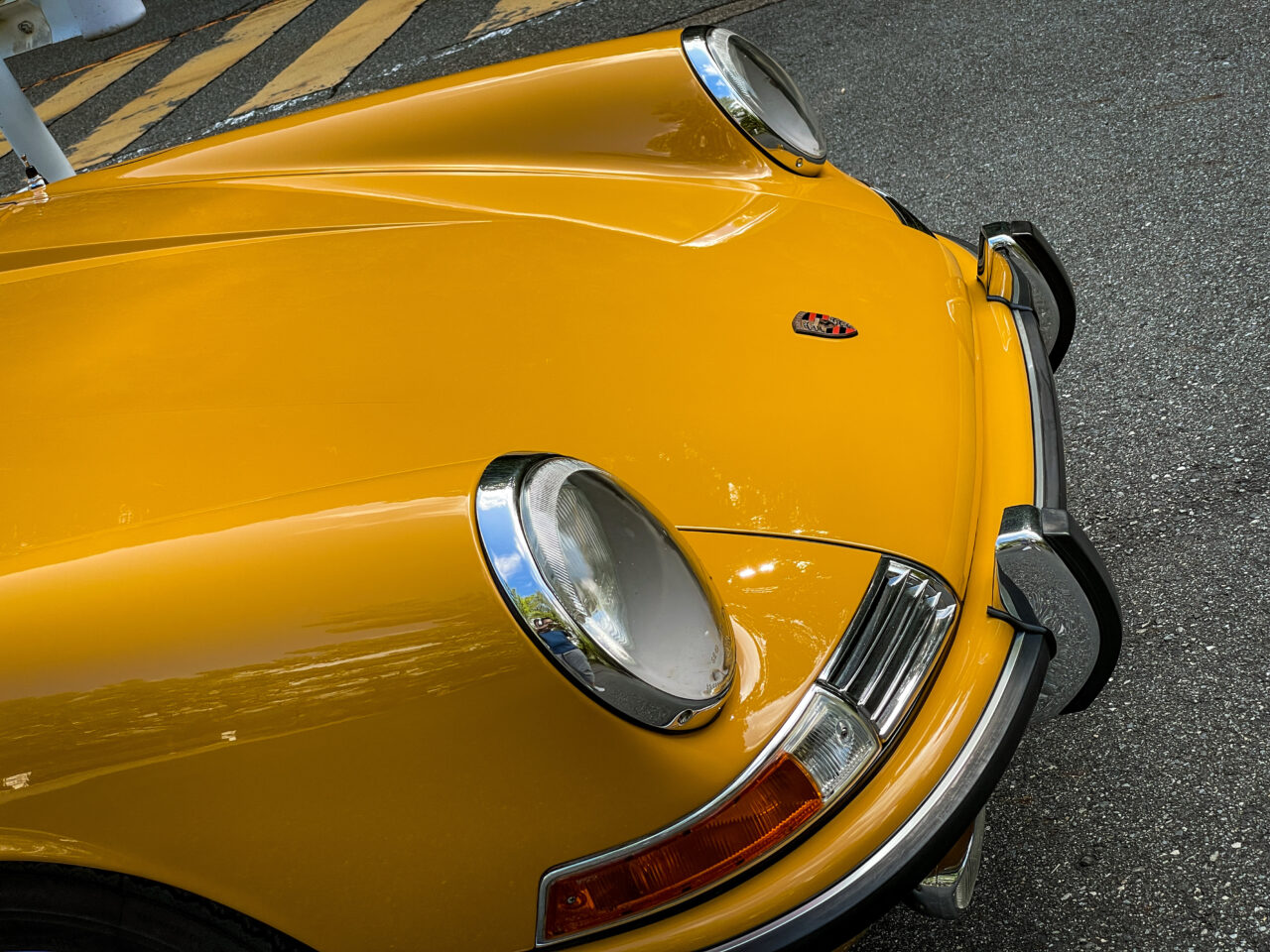
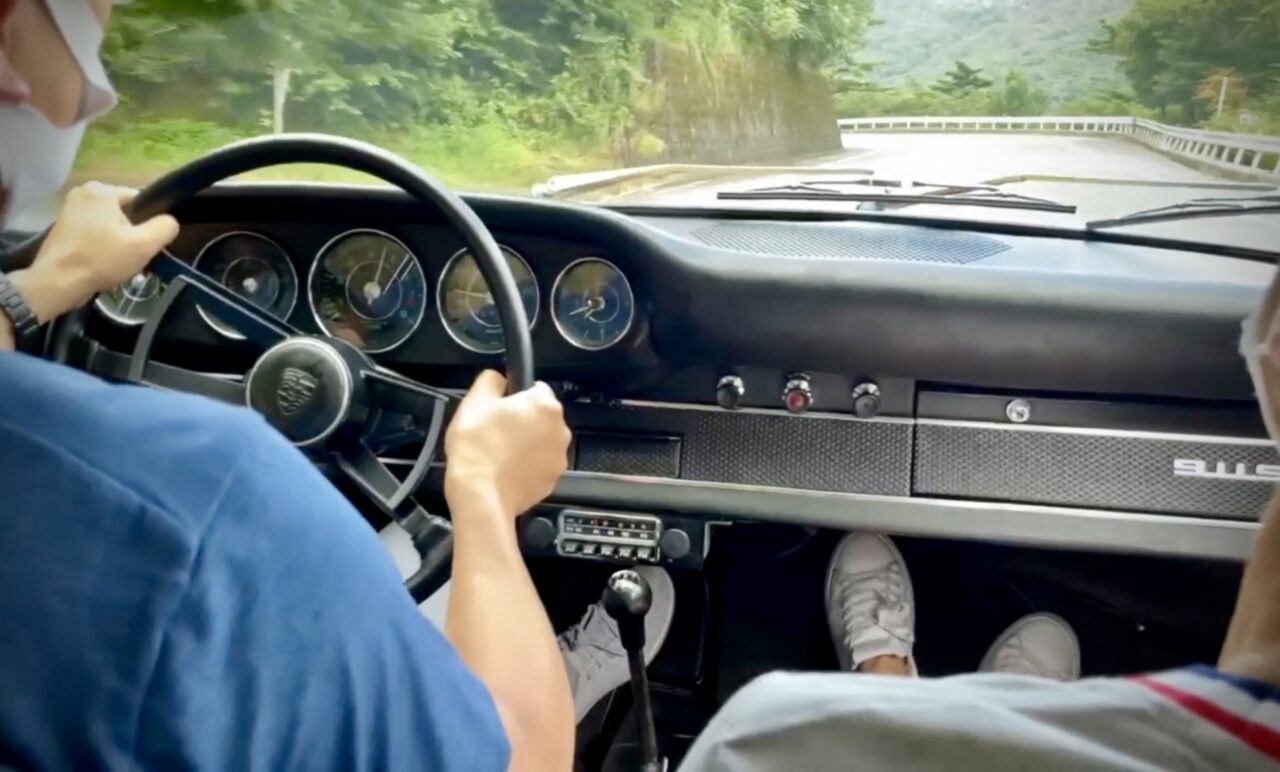
Approaching a corner, I ease off the throttle to load the front end and turn in. Up to a certain steering angle, it feels like a typical 911, but then there’s a point where the car suddenly seems to tighten its line.
It’s as if the rear is getting restless and wants to step out. The closest comparison I can think of in a modern car is driving with the rear tire pressure drastically too low.
I’m careful because this isn’t my car, but anyone trying to drive it quickly would need time to build both skill and familiarity. This 911 doesn’t give up its secrets easily.
The rear-engine weight is especially noticeable on uphill stretches, and you have to load the front tires properly to keep the car moving as it should. Few cars demand this much skill at managing weight transfer. It’s almost like riding a motorcycle.
At Higher Speeds
I pick up speed on a straight. The owner warned me that it would feel “floaty” at highway speeds, so I was braced for the worst. There is some pitching, and it certainly does sway with a gentle, floaty motion.
What surprises me even more, though, is how confidently it tracks straight despite its short wheelbase.
I expected it to wander from side to side or require a firm grip on the steering wheel, but there’s no need for that. It simply holds its line with reassuring composure.
I’ve driven a few classic Porsches, and one thing that has amazed me about every one of them is how well they track straight. It’s astonishing that engineers of that era could achieve this in a car so compact, with such a short wheelbase.
What Makes the 911 So Special
As the test drive enters its second half and my excitement settles, I slow down and savor the experience. Behind me, the flat-six plays its glorious multi-part soundtrack. I work the clutch with my left foot, blip the throttle with my right, and shift in rhythm using the long-throw lever.
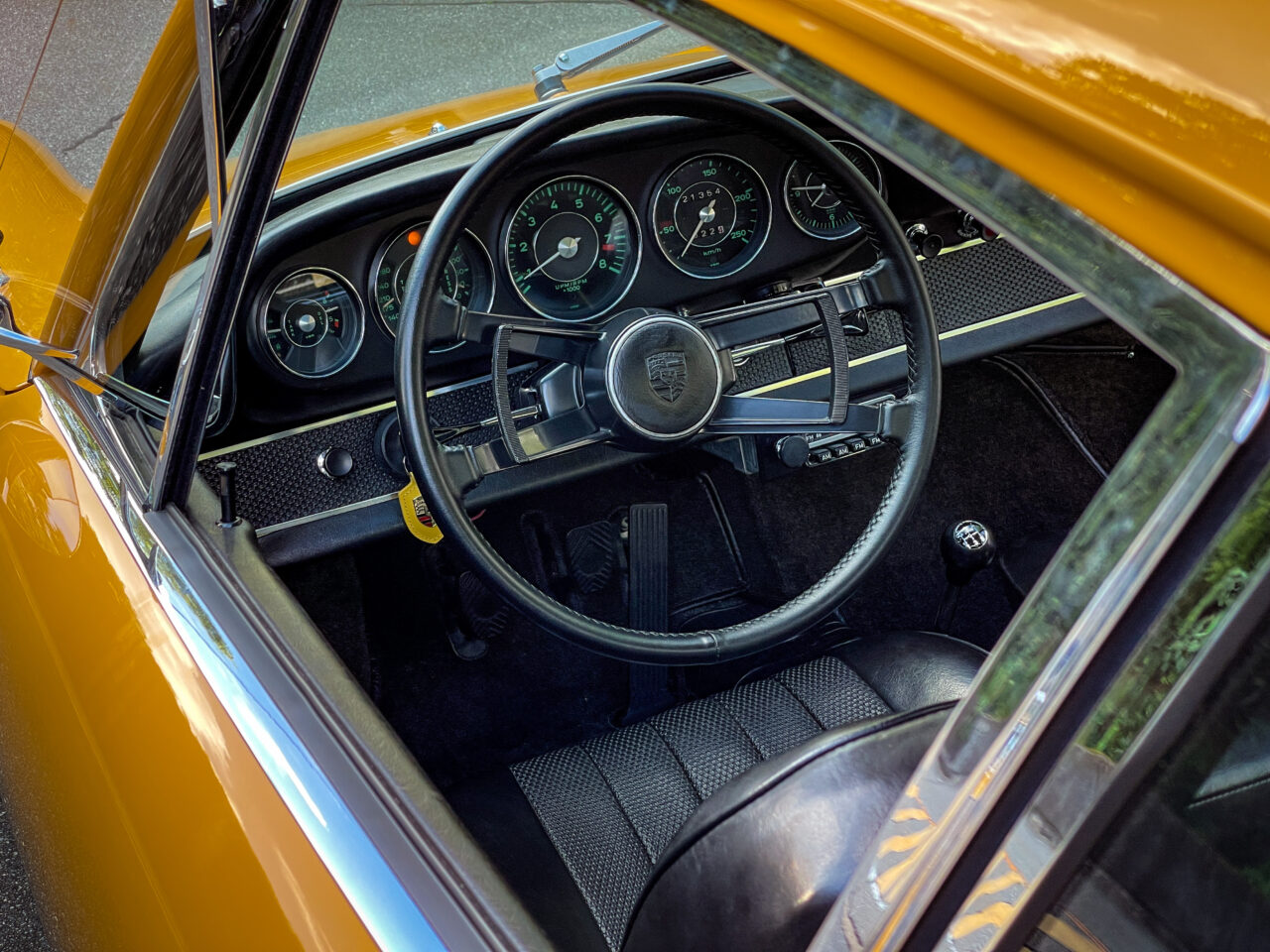
I feel like a conductor giving the car its cues, and the 911 responds faithfully. Of course, if the conductor isn’t very good, the car lets you know.
What this original 911 reminded me is that this is where the joy of the 911 lies.
Someday, I’d love to take a 911 like this on a road trip—to drive the Melody Line at Cape Sata and the Tatsudomari Line. As I drive, the image of that journey comes clearly to mind.
If you enjoy this blog, follow along.
Comment ( 0 )
Trackbacks are closed.
No comments yet.