

Porsche May Launch a New Gas-Powered SUV in 2028 as the Macan’s Successor | Good News for Gasoline Fans
Published: 2025.08.05

コンテンツ
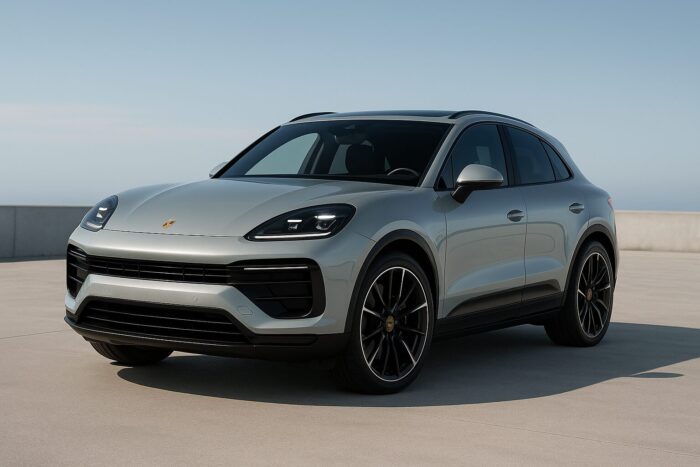
Porsche is reportedly planning to launch a new SUV with an internal-combustion engine in 2028.
The move is seen as a strategic shift in response to slower-than-expected growth in the electric-vehicle market. The new crossover, expected to offer gasoline and hybrid powertrains, will serve as the successor to the current gas-powered Macan. However, the “Macan” name appears set to remain exclusive to electric vehicles.
Why the Gas-Powered Macan Is Leaving Europe
Last year, Porsche was forced to withdraw the original Macan from the European market.
This was not simply a strategic choice: the model could not meet new safety regulations known as GSR2, which took effect in July 2024. Despite being Porsche’s best-selling model, the Macan had to be pulled from sales across Europe.
The gas-powered Macan remains on sale in markets where GSR2 does not apply, but production is scheduled to end in 2026.
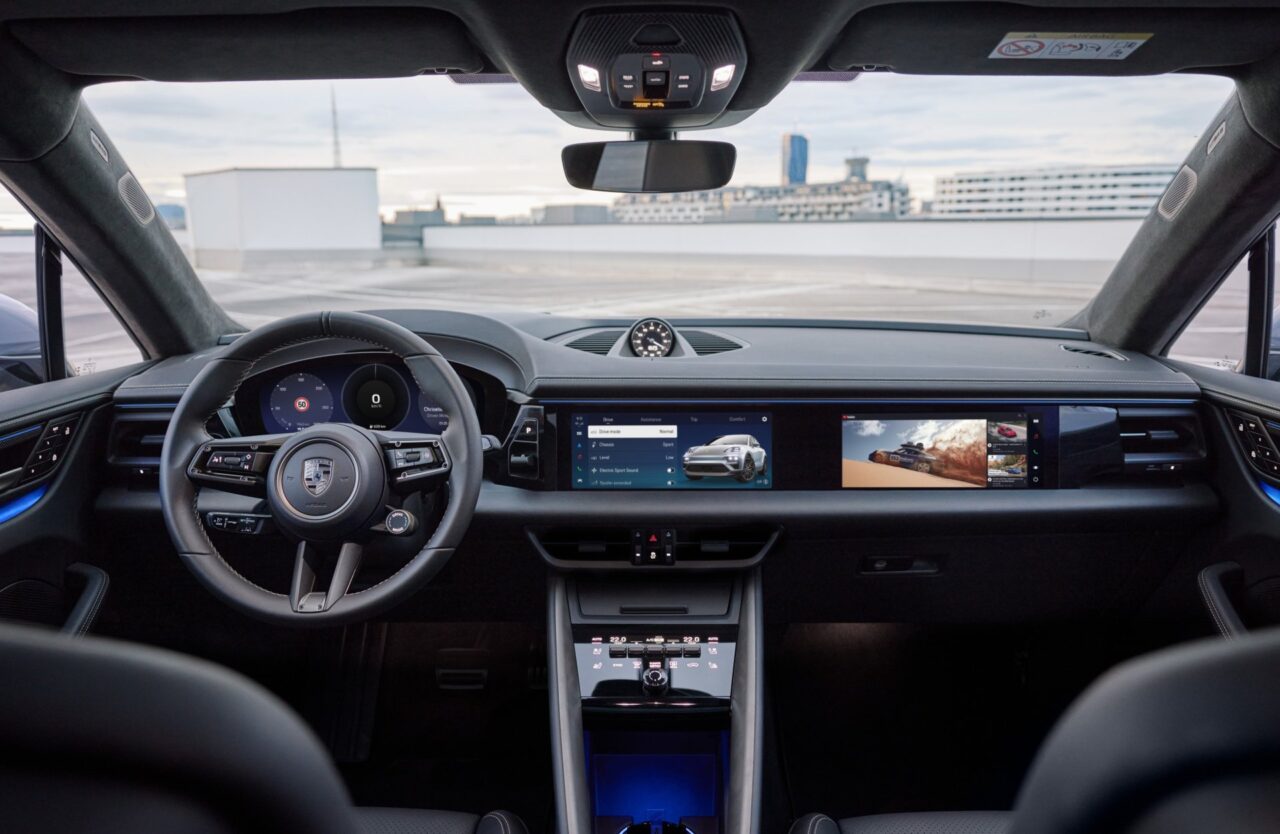
Once production ends, Porsche’s lineup will have a two-year gap. The all-electric Macan has already been unveiled, but a crossover SUV with an internal-combustion engine is not expected to return to the market until 2028.
Why Porsche Is Returning to Combustion Power
At the company’s first-half 2025 results presentation, Porsche CEO Oliver Blume reportedly described the new SUV as “a very typical Porsche for its segment, but clearly distinct from the all-electric Macan.” Porsche is said to be accelerating development to bring it to market in record time.
Porsche initially expected the electric Macan to succeed and had no plans to develop another SUV with an internal-combustion engine. But with EV sales growing more slowly than anticipated, company leadership appears to have changed course and decided to return to conventional powertrains.
The move also aligns with the company’s announcement earlier this year that it was considering an entirely new model with a conventional engine, as part of continued investment in gasoline and hybrid technology. That decision has now been formally confirmed.
The New SUV’s Technical Foundations
Blume has not shared details on how Porsche plans to get the model ready for 2028. However, the new SUV is widely expected to use the Volkswagen Group’s latest platform, Premium Platform Combustion (PPC), which also underpins the new Audi Q5.
That would make sense: the current Macan is also based on the previous-generation Q5 platform. Porsche has already said the new model will “leverage synergies” within the Volkswagen Group.
The latest Q5, built on the PPC architecture, is available with four-cylinder gasoline and diesel engines, a plug-in hybrid option, and— in the SQ5—a 3.0-liter V6 producing 362 horsepower. It remains to be seen whether Porsche’s new crossover will follow the Q5/SQ5 lineup, but a diesel option is unlikely. Porsche abandoned diesel technology following the Dieselgate scandal in 2018.
Design and Positioning
The new model’s design remains under wraps, but according to Blume, it will have a “distinctive Porsche profile” and be close in size to the Macan. One notable point: from now on, the “Macan” name will be reserved for the second-generation electric model, which is due to arrive after the original Macan is discontinued in 2026.
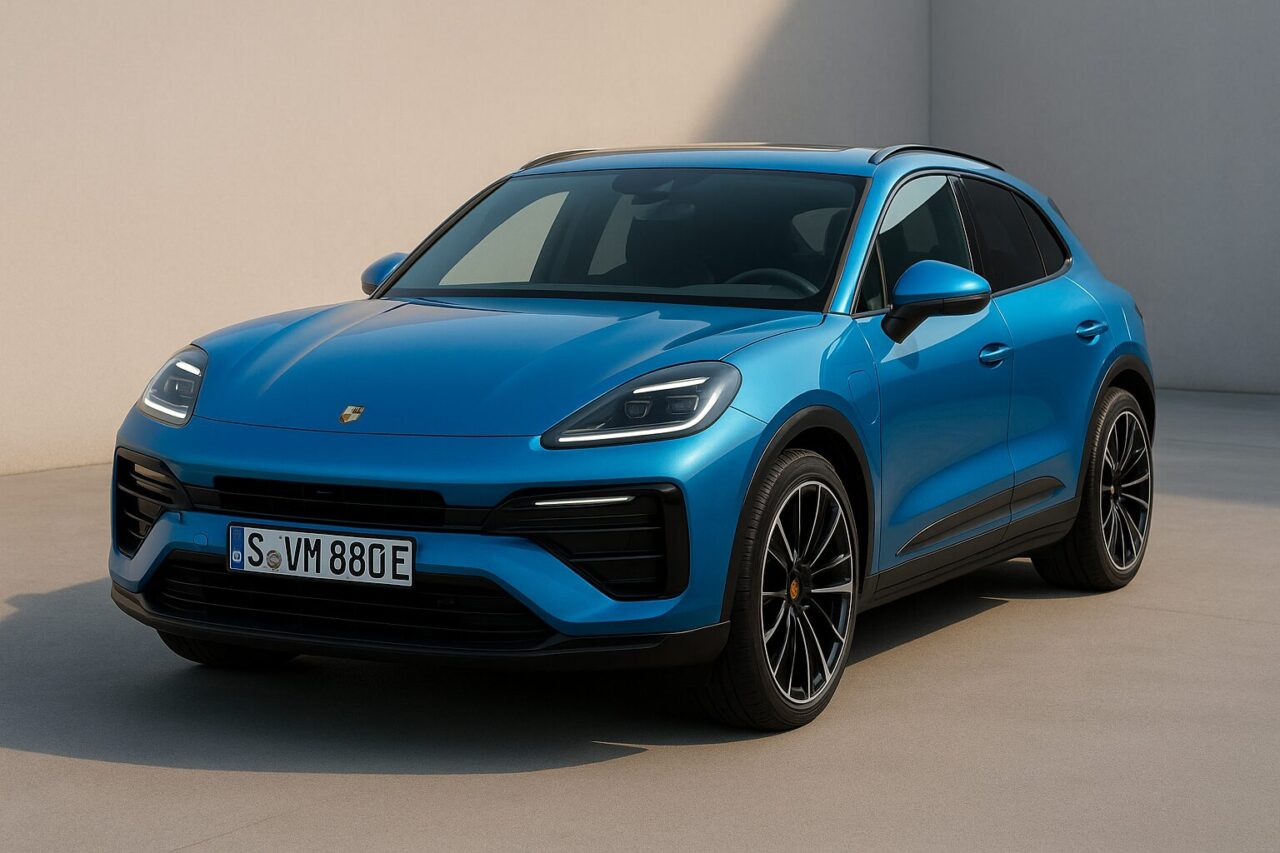
This means there will be a two-year gap between the end of the gas-powered Macan and the arrival of its electric successor. The new internal-combustion SUV will likely be sold under a different name.
The backdrop to Porsche’s strategic shift is the reality of the EV market. While many automakers have made a major push toward electrification, customer response has been more cautious than expected. In the luxury segment in particular, there is still a substantial customer base that prefers conventional engines.
To address this reality, Porsche appears to be pursuing a two-pronged strategy: advancing its transition to electric vehicles while continuing to develop models with internal-combustion engines. This balanced approach could help secure near-term revenue while laying the groundwork for long-term electrification. The new SUV shows Porsche’s willingness to adapt to a changing market. The shift toward EVs is underway, but its pace varies by market, and demand for combustion-powered models is likely to remain for some time.
Where will the new combustion-powered SUV fit into Porsche’s lineup when it arrives in 2028—and what will it be called? All eyes will be on Porsche’s next announcements.

If you enjoy this blog, follow along.
Comment ( 0 )
Trackbacks are closed.
No comments yet.