

Why We Chose the Cayenne E-Hybrid: What Sealed the Deal?
Published: 2020.09.29
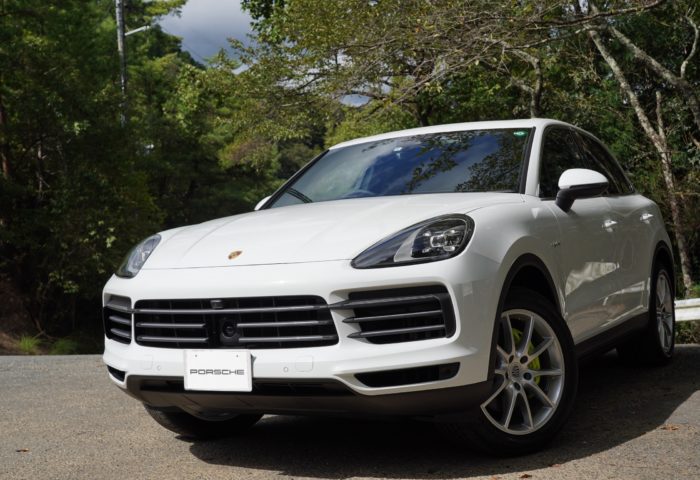

The other day, I wrote about how our Cayenne E-Hybrid was delivered. Since then, my husband has written about why we chose a hybrid model in the first place. I’ll share our impressions of its performance, ride comfort, and fuel economy once we’ve had a chance to put more miles on it.
At First, We Were Looking for a Base Cayenne
Things moved quickly, and before we knew it, we had bought a Cayenne E-Hybrid. I’d like to explain how it happened, why we chose a Cayenne—and why we went for the hybrid.
As I briefly mentioned in my previous article about taking delivery of our Cayenne, buying a hybrid had never been part of the plan. If we were going to buy a Cayenne, I thought we’d go for the standard base model.
The reason was simple: after three years with a Panamera Turbo, I knew just how exhilarating the power of a Turbo could be. For our next Porsche, I’d decided to choose either the base model or an S. We also test-drove both the base Cayenne and the Cayenne S, and found the base model better suited to our needs. We figured we could get the S’s powerful engine note and character from another car.
However, as I looked through the available base Cayennes for one with the options I wanted, I found that many had conventional coil-spring suspension, and some didn’t even have PASM. I’m the kind of driver who prioritizes how a car performs above all else. I’m relatively indifferent to exterior and interior details, but I care a lot about whether a car has options like these.
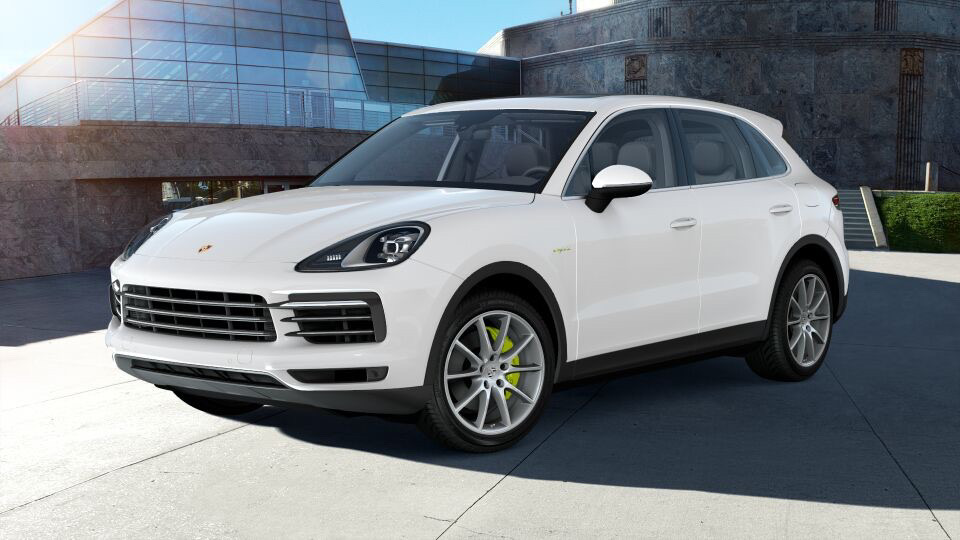
So I asked the dealer if I could test-drive a Cayenne with coil-spring suspension. They didn’t have a base Cayenne available, but they did have a hybrid Cayenne with coil springs, so they offered to let us try it.
Test-Driving the Cayenne Hybrid
To be honest, I hadn’t planned to choose a hybrid, which weighs nearly 300 kg more. I was concerned it might feel sluggish compared with the other versions.
When we arrived, I wanted to pay close attention to the ride, so—unusually for me—I climbed into the back seat and asked our sales representative, H, to drive. I asked him to take us over as many road ruts and rough patches as possible.
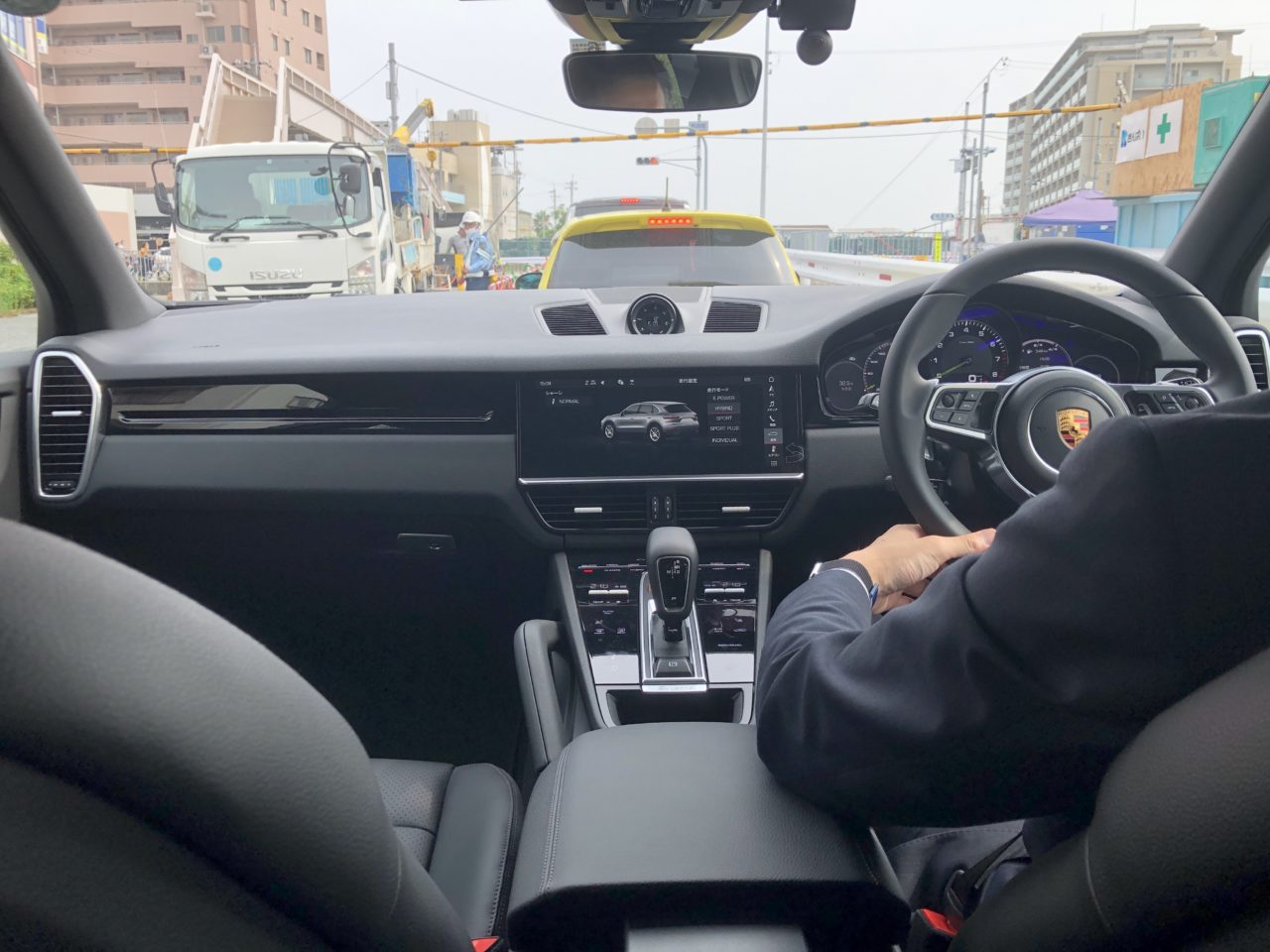
As soon as we got moving, I blurted out, “So smooth!” Even from the back seat, I could tell how smoothly the tires began to roll. The car had a fluid, almost velvety feel, and paired with the quiet electric motor, it delivered a level of luxury you don’t usually associate with a Porsche. (I don’t think of a Porsche as a “luxury car”—to me, it’s a high-performance car.)
Even in stop-and-go city traffic, the rear seat stayed composed as we crossed uneven patches and bumps. Of course, with an SUV’s tall body, it wasn’t as flat and settled as a Panamera, but I thought the rear-seat ride was impressively smooth.
In fact, I wondered if the rear seat felt even more settled than it had in the Cayenne S Coupe with air suspension I’d driven before.
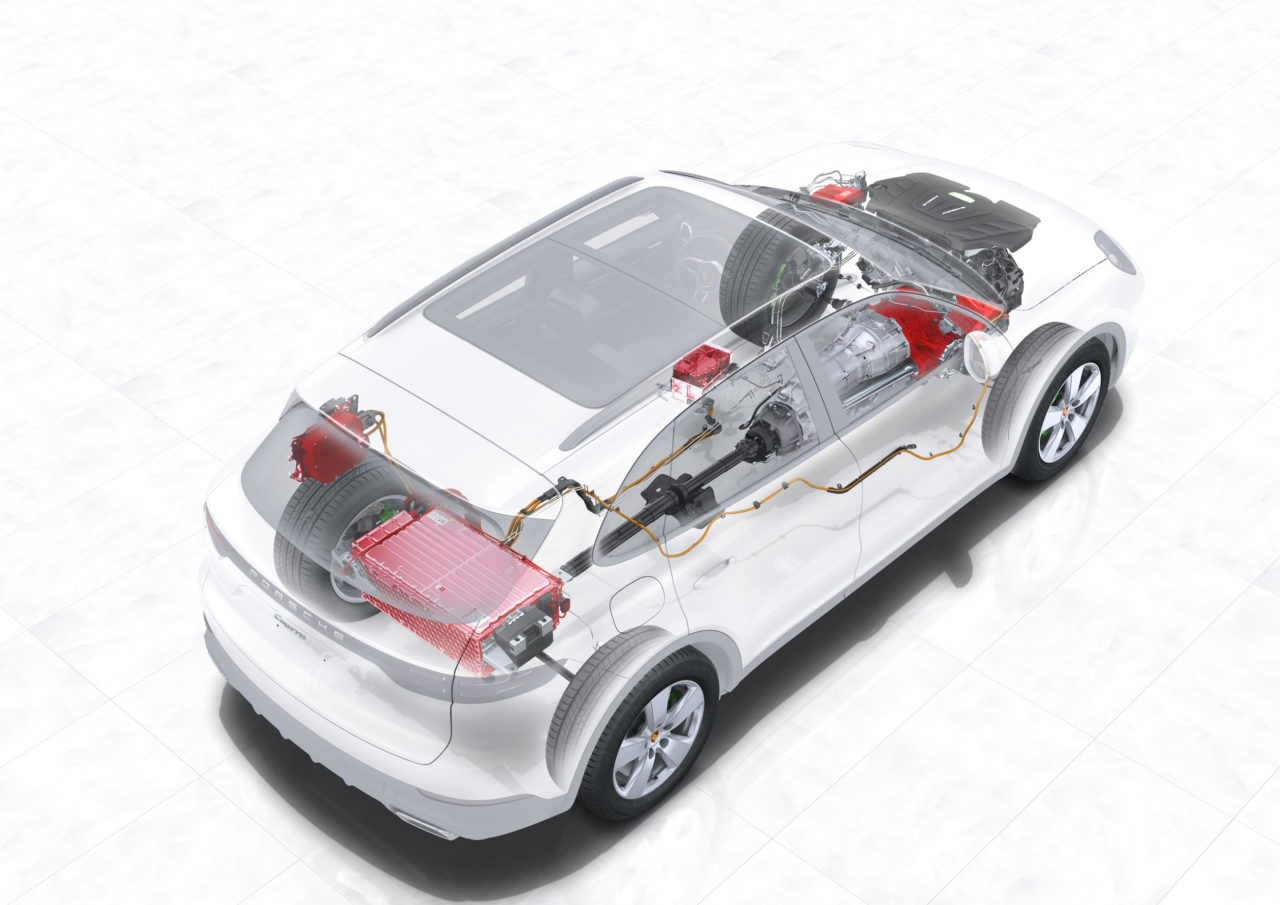
I can only speculate about why. The hybrid model has a 138 kg battery mounted at the rear, and that may have played a part. SUVs are generally designed to carry heavier loads in the back, so their rear suspension is often on the firm side. With only a few people on board, that can sometimes make the rear feel bouncy or unsettled.
But the battery’s weight seemed to work in the Cayenne’s favor, giving the rear seats a notably composed ride.
Partway through the drive, I took the wheel myself. I eased onto the accelerator, and the tires began to turn with the same gentle, progressive feel. It was the same exceptionally smooth rolling sensation I’d noticed from the back seat.
After just a few dozen meters, the difference was even clearer. The electric motor was remarkably quiet, and the way it delivered torque was excellent. In E-Power mode, the Cayenne had no trouble keeping up with city traffic on electric power alone. It never felt frustratingly slow.
Even merging onto the highway was easy on electric power alone. Of course, press the accelerator firmly past the resistance point around the middle of its travel, and the V6 engine wakes up—even in E-Power mode. The power to go from 0 to 100 km/h in a flat five seconds is always there when you need it.
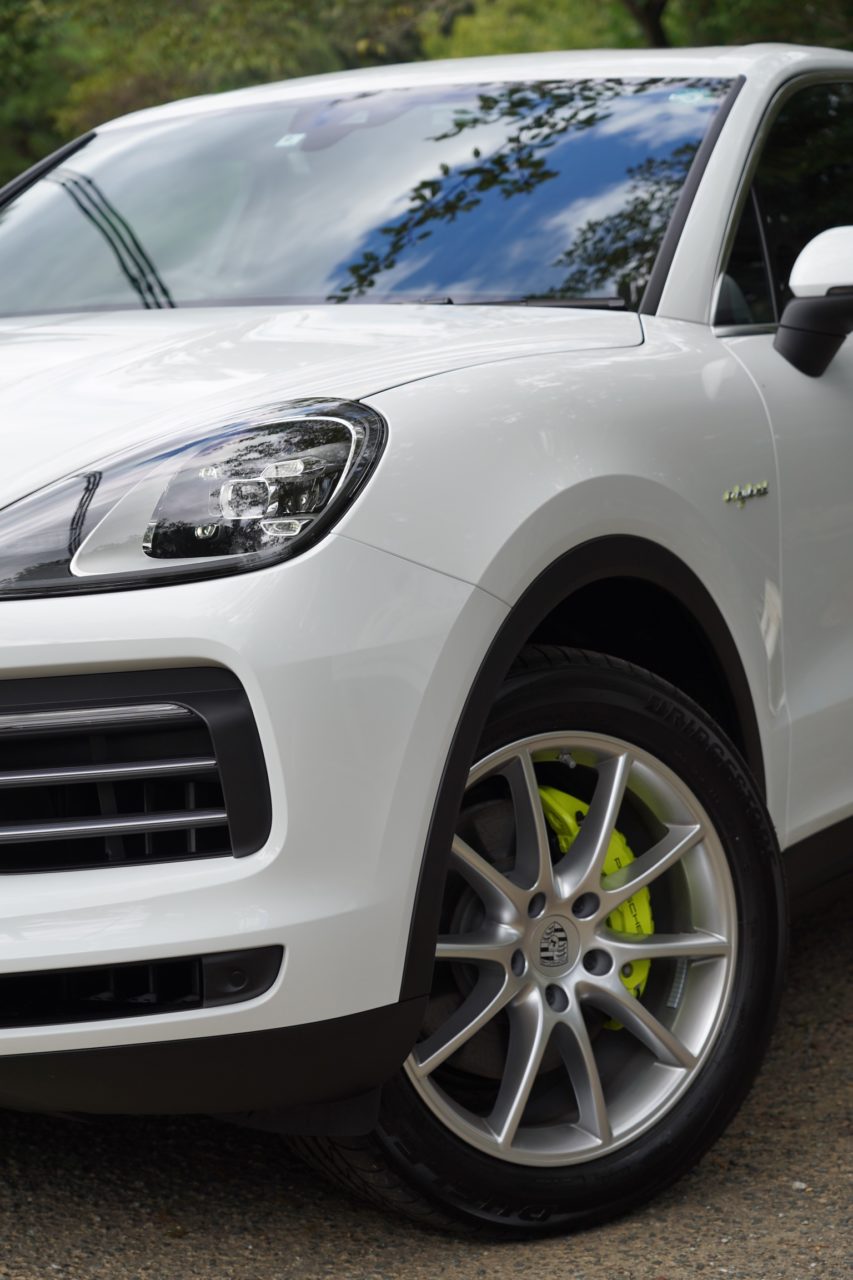
As I drove, I kept thinking, “What is this thing?” I’d imagined the strange disconnect between speed and accelerator response that I associate with Japanese-market hybrid cars, but this was nothing like that.
Modern European diesel engines have impressive low-rev torque, but even that fades into the background next to an electric motor. The E-Hybrid feels refined, yet completely natural to drive.
| Next page → The Cayenne’s Tiptronic transmission and how it works with the hybrid system… |

If you enjoy this blog, follow along.
Comment ( 0 )
Trackbacks are closed.
No comments yet.