

Porsche Macan 4 Review: An EV That Hides Its Weight—and the Polished Perfection of a True All-Rounder
Published: 2026.06.05

コンテンツ
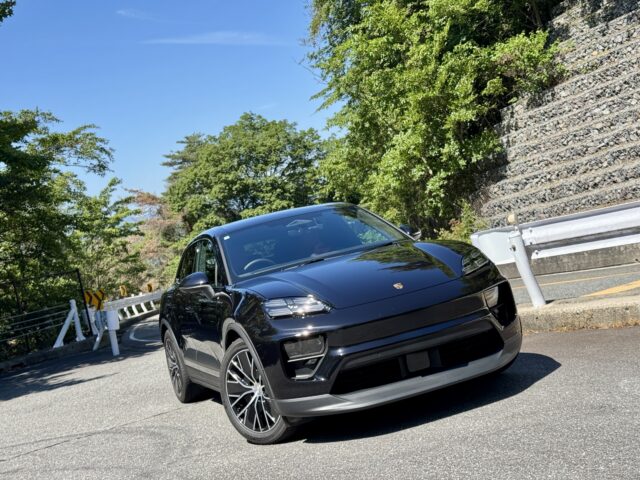
From the Rear-Drive Macan EV to the All-Wheel-Drive Macan 4
I had the chance to drive the all-wheel-drive version of the all-electric Macan.
Previously, I tested the base Macan EV—the rear-wheel-drive model—and wrote about my impressions here:
https://www.panamera-life.com/entry/macan-ev/
My verdict then was that it was a remarkably easy Macan to drive. It wasn’t overly aggressive, and its electric character was understated in the best way. What stayed with me most was the impression of an EV you could drive just like a gasoline-powered car. Many people associate EVs with instant torque and strong, immediate acceleration. The Taycan certainly leans into that character. But the rear-drive Macan I tested had a tune that, despite its electric motor, felt almost like an engine gaining revs as it accelerated. I still remember that distinctive quality.
This time, I drove the Macan 4, which pairs the base Macan with all-wheel drive.
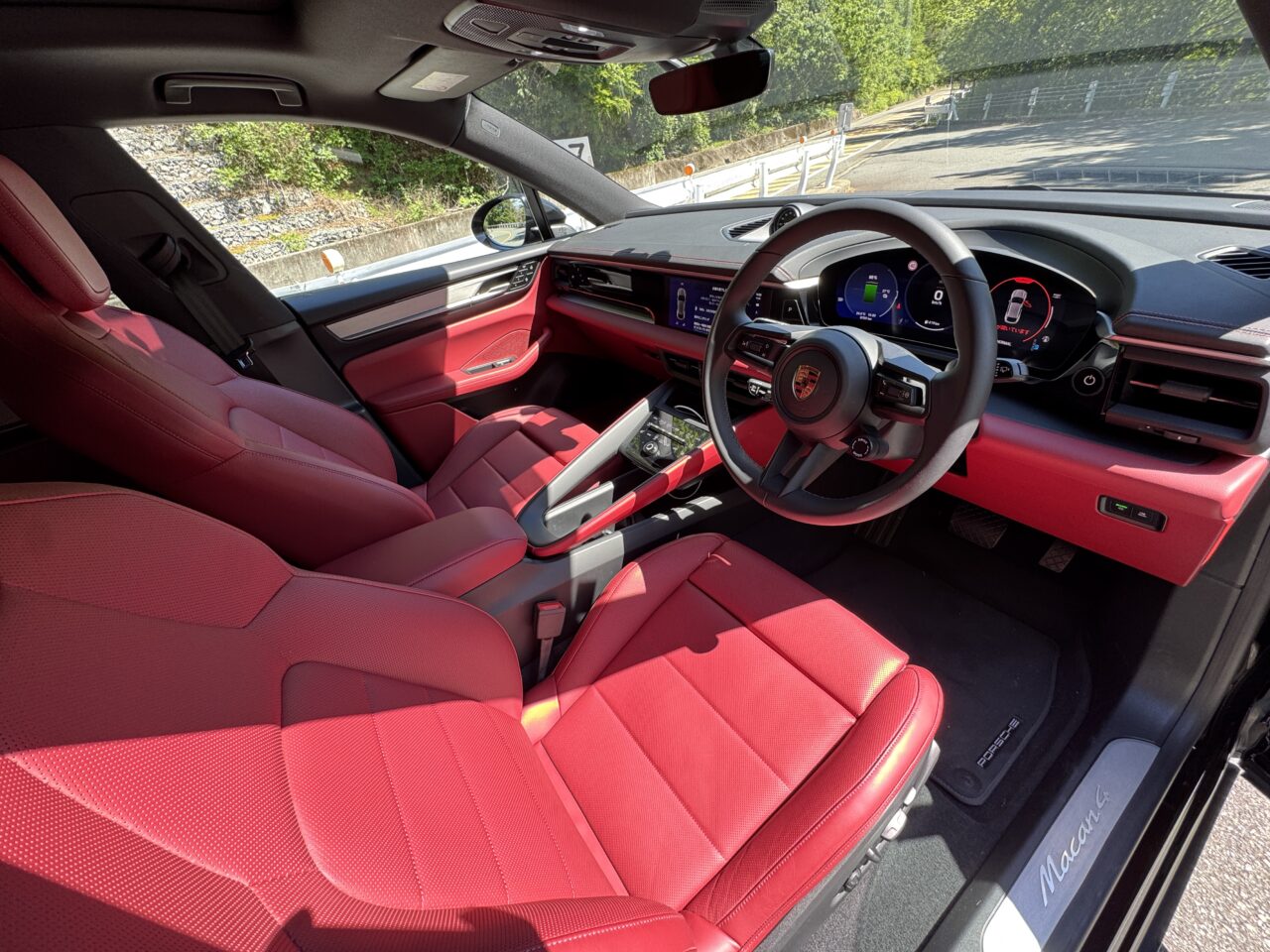
The test car was equipped for a more luxurious experience, with a leather interior, 14-way seats, and seat ventilation. Its suspension was the standard setup—not air suspension or PASM. I was eager to find out how this straightforward, standard suspension would feel on the road.
Pulling Away and Braking: A Pedal Feel Like No Other
The moment I set off, I was struck once again by how smooth it was.
The Macan glides away so effortlessly that it can make you wonder if you could ever go back to a gasoline engine. That’s one of the great things about an EV. But what surprised me even more was the brake pedal. Porsche brakes are excellent across the range, and one of their defining traits is that braking force is controlled by how hard you press the pedal, rather than how far it travels. That makes the pedal firm, weighty, and reassuring. It’s nothing like the soft, long-travel brakes you might find in a typical Japanese car.
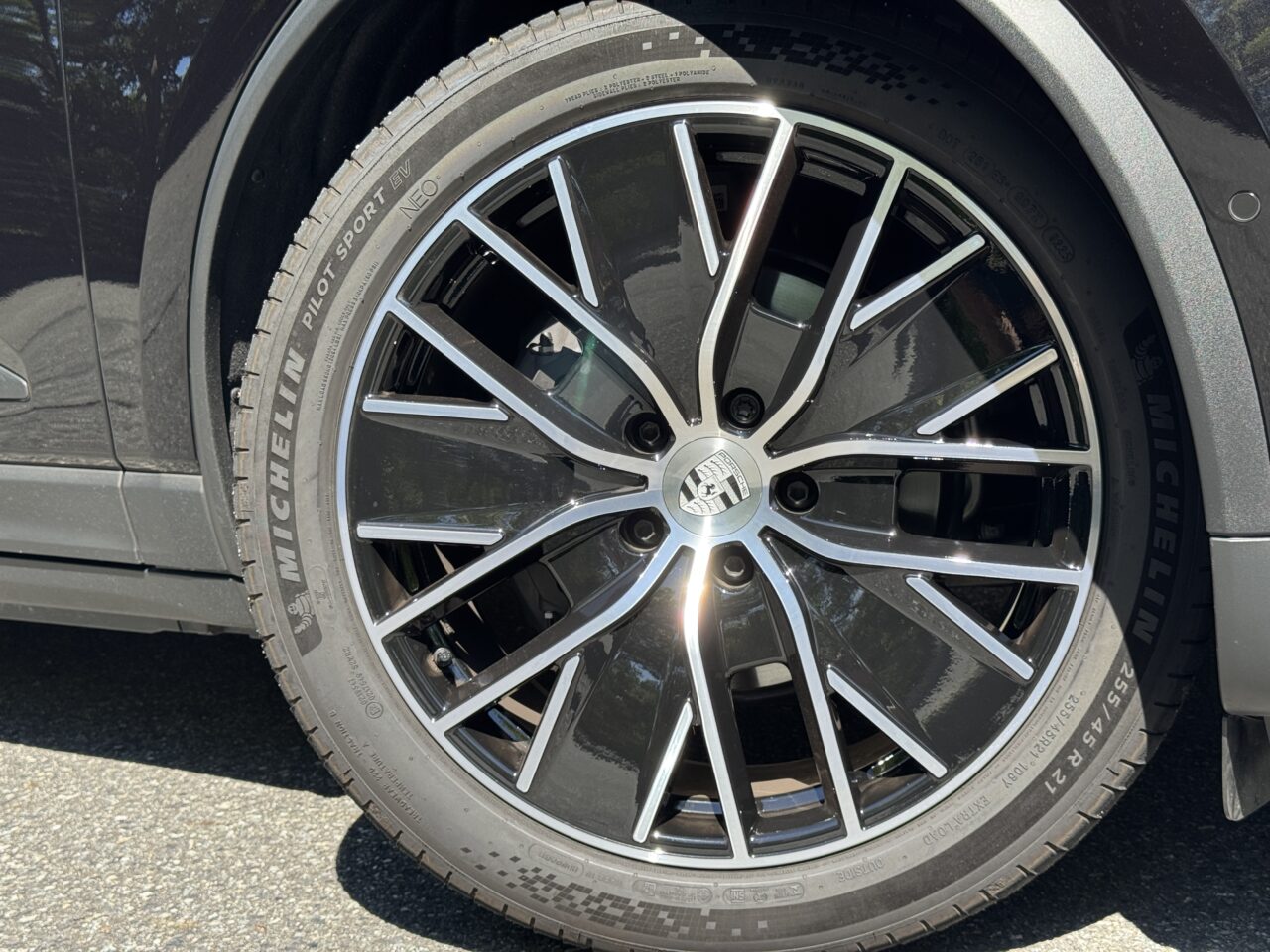
Even by Porsche standards, the Macan 4’s brake feel stands out. It has the firm, precise feel you’d expect from a 911 or a Boxster/Cayman equipped with PCCB brakes. The pedal itself makes you feel connected to the Porsche experience. As an aside, I find the brakes in all the later-model Taycans—including my Taycan Turbo GT—far too soft. The earlier cars had a firmer feel, but for some reason, the later ones don’t feel very Porsche-like to me. By comparison, the Macan 4’s brakes are excellent.
How Regenerative Braking Works—and What the Standard Suspension Can Do
There’s a common misconception about regenerative braking, so it’s worth explaining how it works.
People often assume regenerative braking works like engine braking when you lift off the accelerator. That’s not how it works in a Porsche. There is a small amount of regeneration when you release the accelerator, but the key point is that pressing the brake pedal adjusts regenerative braking according to how firmly you press it. Since you’re pushing a brake pedal, it can feel as though the brake pads are gripping the discs. In reality, the pads do very little of the work; the motor’s regenerative braking does most of the slowing. That’s why the pads experience very little wear. Even when you’re moving briskly on a mountain road and brake before a corner, regeneration alone can slow the car impressively well. Of course, when you brake hard, the pads engage alongside regeneration, so there’s no concern about stopping power.
What about the handling? With its relatively tall body and standard, comfort-oriented suspension, some body roll is to be expected.
But the car remains composed through corners. As the weight shifts outward, the body leans to a set angle, then holds that angle as the Macan tracks cleanly through the turn. Plenty of cars feel unsettled mid-corner, with their body attitude shifting around, but the Macan doesn’t. If the standard suspension performs this well, I can only imagine how much more refined the ride would be with PASM or air suspension. The steering is neither too quick nor too slow, yet it’s far more agile than you’d expect from an SUV in this class, with a reassuringly clear sense of how the tires are gripping the road.
The Surprising Lightness—and Porsche’s Electric Sport Sound
The benefits of all-wheel drive became clear as I accelerated out of corners.
The Macan 4 puts its traction to excellent use. The rear-drive version I tried before didn’t feel especially powerful, but with all four wheels putting the power down, this one feels a little stronger and more responsive. In Sport Plus, I could hear the tires chirp as I pressed the accelerator firmly on corner exit. If the standard Macan drives this well, the 4S and Turbo must be something else. Most surprising of all, though, was that I could barely feel the car’s weight. It’s hard to believe this is an EV weighing more than two tonnes. Even when I deliberately tried to pick out the drawbacks of its weight, there was hardly anything to find.
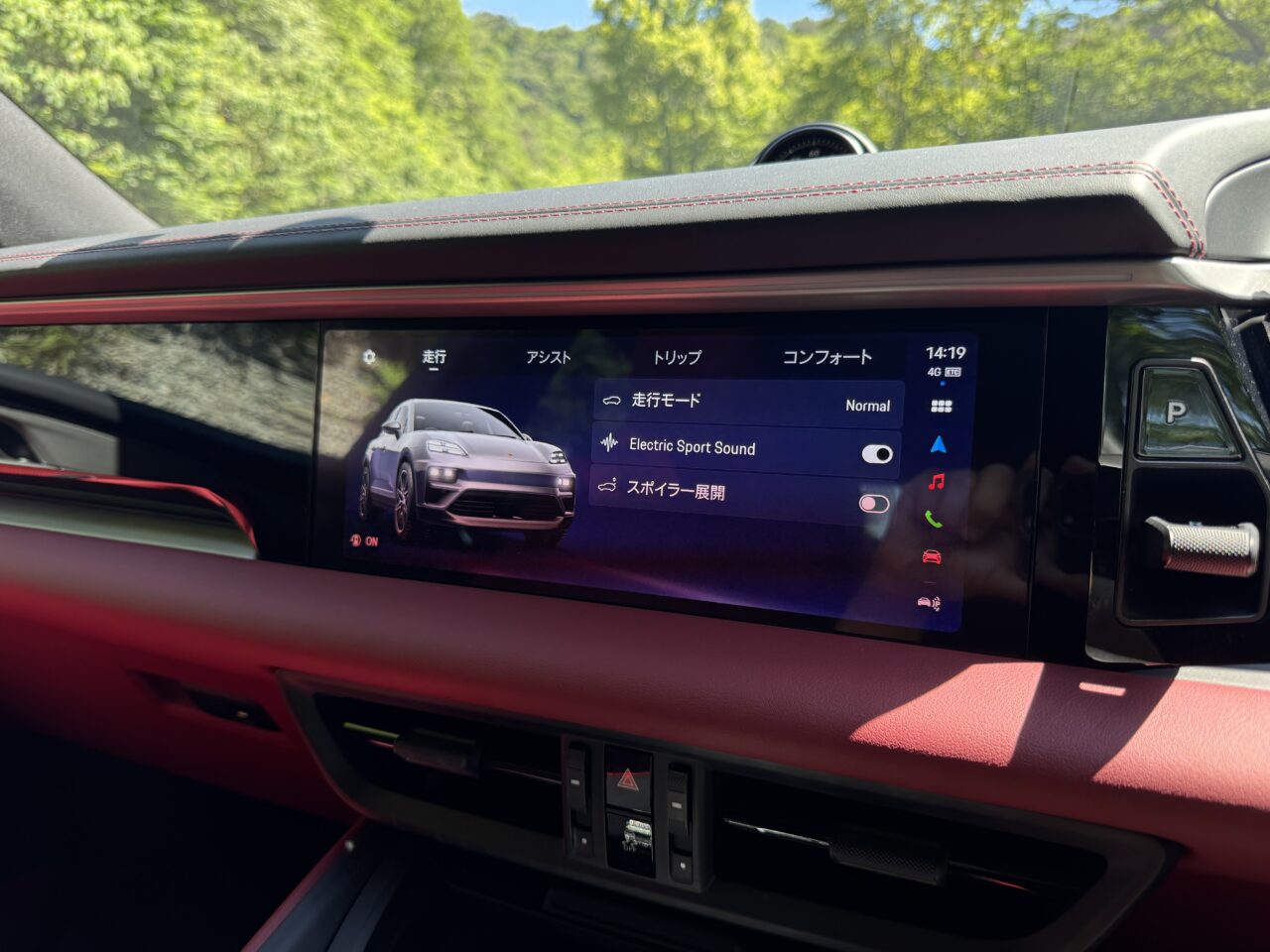
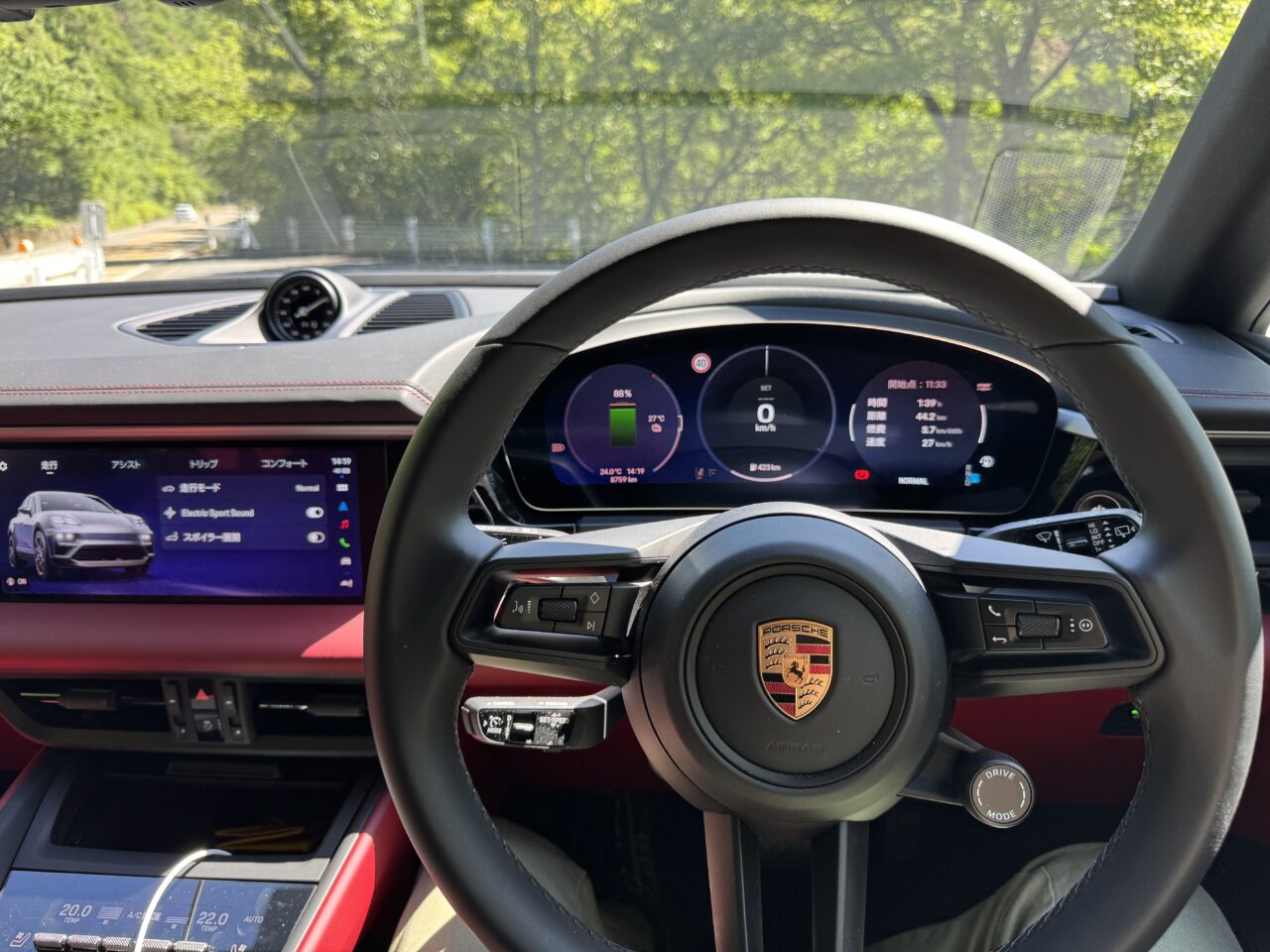
Electric Sport Sound is an option, and this test car had it fitted. When switched on, it sounds a little more subdued than the Taycan. Even so, it’s more than enough to lift your spirits. Compared with the Taycan’s sound, this one seems to have a grainier, almost V6-like note tucked beneath its electronic tones, with a faint pulse that brings an engine’s rhythm to mind. If I were buying an electric Porsche, I’d want this sound system. It adds a definite touch of Porsche character.
Who Is the Macan 4 For?
Overall, this isn’t one of Porsche’s especially fast or exceptionally agile models.
It may not be flashy, but it has exceptionally good fundamentals. Many automotive journalists praise the Macan EV’s refinement, and I agree. On the other hand, drivers looking for the rawer side of Porsche might find it a little too restrained. This is a thoroughly accomplished car—a model student of a Macan. As my wife has pointed out, the final version of the gasoline-powered Macan was already impressively refined. But the electric Macan feels a step or two more polished in its chassis performance, as though it takes the final gasoline Macan’s strengths and develops them even further. That’s exactly why fans of the early Macan’s more unruly, rough-edged character might find this one a little too well-behaved. If that’s what you’re after, the 4S or Turbo may be a better fit.
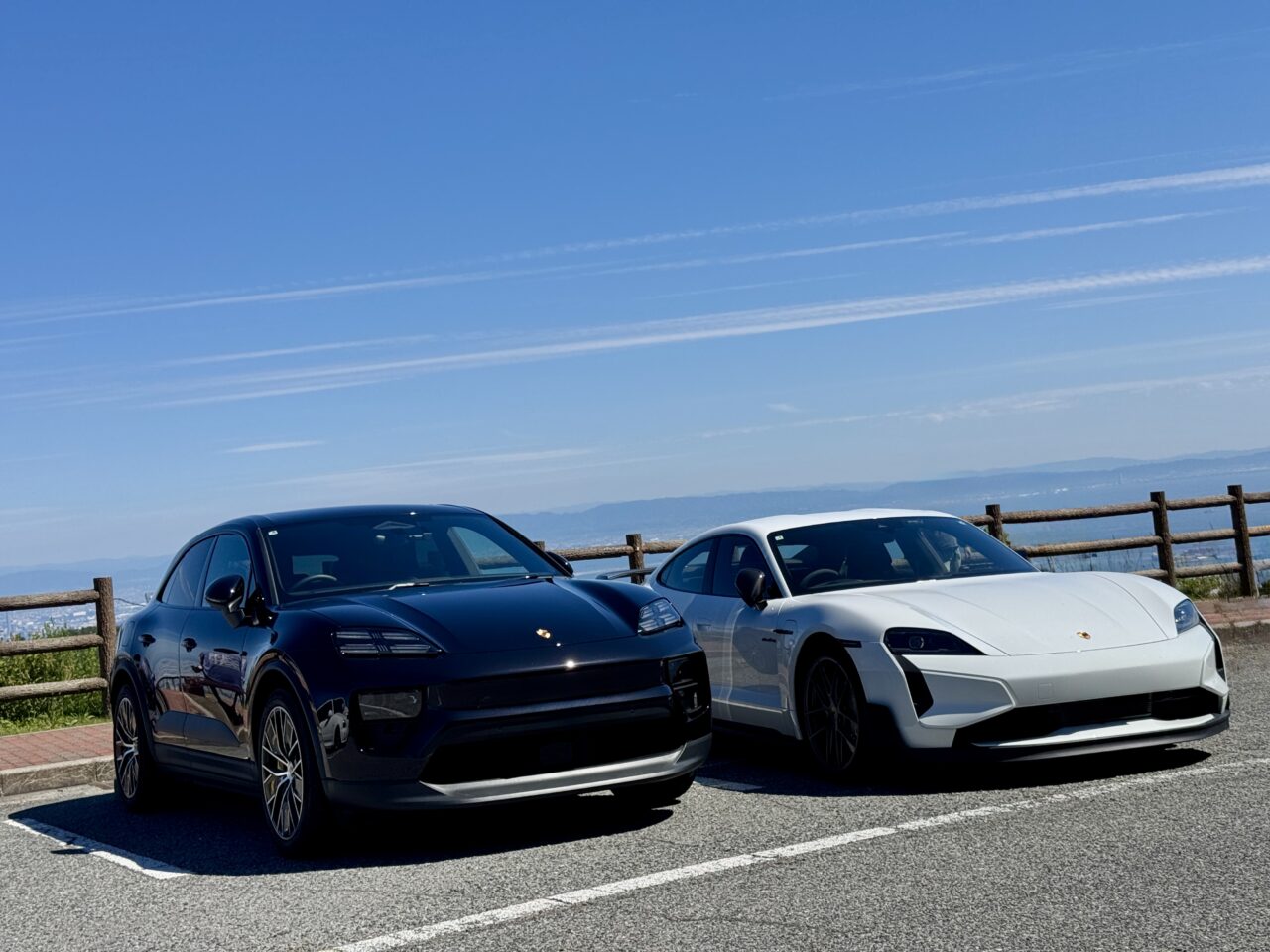
The owner of this test car is a woman with plenty of Porsche experience. She told me how much she enjoys her new Macan and how easy it is to live with. She also praised its exceptional stability at highway speeds: it stays composed through corners even when driven fast, has plenty of power, and inspires confidence in every situation. I couldn’t agree more. If you want a car that can be driven with a little sportiness but puts comfort first—and brings ease of use together with refinement—the Macan 4 could be the ideal choice.

If you enjoy this blog, follow along.
Comment ( 0 )
Trackbacks are closed.
No comments yet.