

To Wives Who Oppose Their Husbands Buying a Sports Car or Luxury Car: Let Them Enjoy the Purchase!
公開日:2021.06.12

コンテンツ
A Wife Opposes Her Husband Buying a Lexus
The other day, I came across an interesting article that someone had shared on Twitter.
“My husband earns ¥12 million a year and wants to buy an ¥8 million Lexus. Should I let him?” A stay-at-home mom asks for advice—and gets a chilly response.
The family consists of a 47-year-old husband, a 42-year-old wife, and a child in second grade, so I assume it’s a family of three.
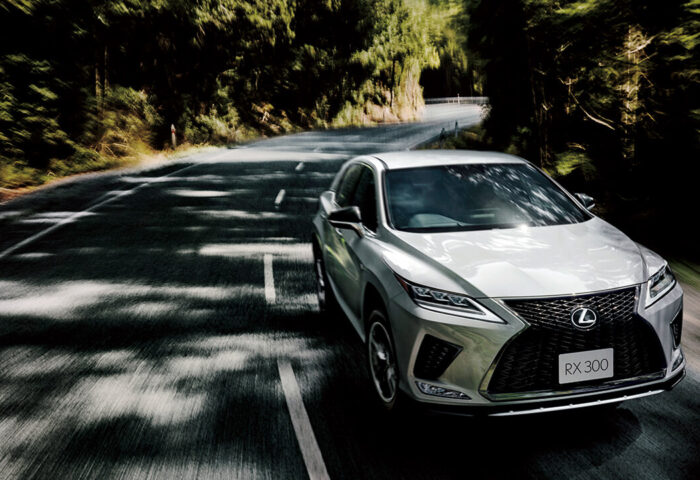
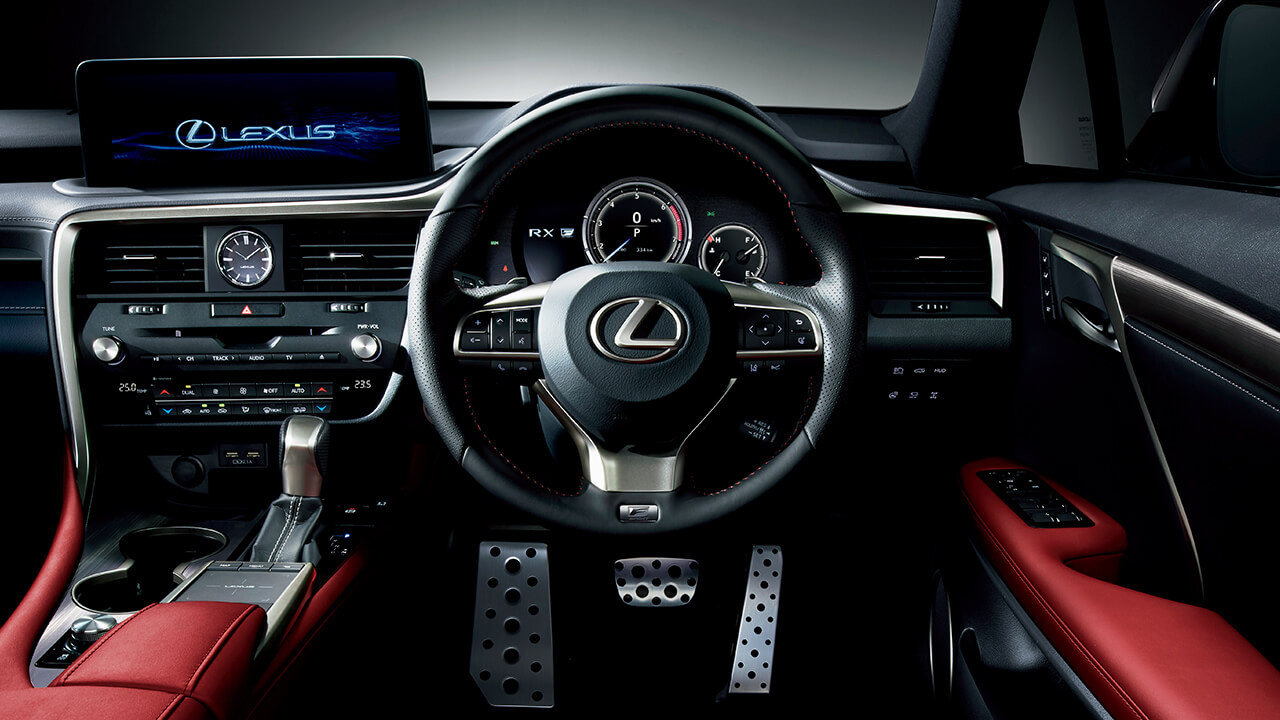
The husband currently drives an old Toyota Sienta. But recently, he said that at a dinner, all the women from his company wanted to ride in the Lexus, Crown, and new Harrier driven by his colleagues and subordinates. No one wanted to ride in his car, and he felt embarrassed. He now says he wants to replace it with a brand-new Lexus RX.

The wife’s perspective:
Sure, a nicer car might make a good impression on my mom friends and people around us, but my husband hardly ever drives. I don’t want to spend that much on a car. I’d rather put the money toward our child’s future and our retirement. We currently have ¥80 million in financial assets, including savings and investment trusts, but I don’t want to spend a tenth of the money we’ve worked so hard to save.
So it seems she turned to Yahoo! Chiebukuro, a Japanese Q&A site, for advice.
The most common response was along the lines of, “Your husband earns enough—let him drive the car he wants.” In the end, the wife who posted the question apparently decided to find a way to make the purchase work, perhaps by cutting back on her husband’s bonus-time spending money.
I see. Though, wow—¥80 million in financial assets is impressive!
What Does My Husband Think?
I asked my husband, “I saw this article. What do you think?” He replied:
Well… There are definitely wives who oppose their husbands buying a sports car or luxury car, even when their husbands earn good money. But I think those wives have unconsciously decided, “My husband isn’t going to earn any more than he does now.”
They might not say it out loud, but I think they oppose the purchase because, deep down, that’s what they believe.
Someone might argue that “it’s unrealistic for a salaried employee to earn more than they do now,” but there are all kinds of ways to increase your income, including side jobs and investing.
Still, wives who object in situations like this tend to assume there’s a ceiling on their husband’s income. And that amounts to saying, “I don’t believe in my husband’s potential.”
In this case, if the husband said he wanted a new RX, I’d love for his wife to say, “Wait, an ¥8 million RX? If you’re going to buy one, you might as well go for an LS at around ¥15 million!” [laughs]
That would make him stop and think. He’d realize he needs to earn more and work harder. I think a husband with a wife like that could really thrive—though, of course, it also depends on his personality and abilities.
He said that.
Listening to him, I wondered if wives like that might not only doubt their husbands’ potential, but also struggle to believe in themselves.
If things went wrong, perhaps they wouldn’t feel confident they could endure it and get through it. The thought of their husbands being demoted or laid off might make them anxious, so they cling desperately to the security of their current situation.
Why Couples Oppose Each Other’s Choices
Life is full of unexpected turns, and things can happen that we never imagined. But even if a husband suddenly lost his job one day, you might be able to think:
If that happens, we can move somewhere with cheaper rent. In the worst case, we could sell or give up everything and move in with my parents. I could get a job too, which would help. We could live off our savings while my husband looks for another job, and somehow we’d manage.
If you can think that way, perhaps you’ll see things differently.
In my twenties, I started a business without really knowing what I was doing, and I struggled quite a bit—especially financially. When I ran out of money, I’d walk for an hour to cover the distance of three train stops. On sale days, I’d buy instant ramen by the case and eat it for every meal. I went through plenty of other humiliating and miserable moments, too.
But those experiences taught me:
“Even earning ¥10,000 from nothing is incredibly hard, so I want my husband to have as much freedom as possible to spend the money he works so hard to earn.” And, “I managed to get through that difficult time, so I won’t be shaken by every little thing in the future. I’ll be okay.”
That experience may sound dramatic, but it was so profound that it changed how I see life.
So if my husband came to me and said, “I want to do this” or “I want that,” I think I’d support him—as long as it wasn’t something that put his life at risk. At least, that’s how I feel right now. [laughs]
Even if it didn’t work out and we thought, “That was a mistake,” the experience wouldn’t be wasted; it would become hard-earned wisdom. And if things went well, we’d get to enjoy the feeling of success and move up to a new stage in life. Either way, we’d gain something, so why not take the chance?
I’ve wandered a little off topic, but when we oppose what our partners want to do, it may ultimately reflect a lack of trust in ourselves—a lack of confidence. And I think the same may be true when a husband opposes something his wife wants to do.
The “Winning-School Mindset” and Luxury Cars
My husband also had this to say:
I once heard of something called the “winning-school mindset.”
For players at a high school that regularly makes it to the national baseball championship, getting there probably feels normal. But for players at a school that’s never made it, reaching the tournament might seem like an impossible dream. Even before you get to skill, that difference in mindset can have a major impact on the chances of making it.
In other words, the environment we grow up in shapes what we consider normal. Those assumptions can become mental blocks without us even realizing it.
So wives who oppose their husbands buying a sports car or luxury car may have grown up in an environment where they learned that buying a luxury car or sports car is out of the question.
There’s no one-size-fits-all answer about whether that’s good or bad, but I want to raise our children with as few mental blocks as possible. If they believe something is impossible, they’ll never achieve it—even if they have the ability.
Fortunately, our kids don’t see a Porsche as something special, for better or worse. They probably think, “If I want one someday, I can buy one.” At the very least, it doesn’t seem like some far-off dream to them.
Whether it’s about money or anything else, I hope they can live without being bound by what society considers normal—and without deciding from the start that something is beyond their reach.
That’s what he said.

Every family has its own circumstances and values, and everyone has their own way of life. Having children also means having more people to protect, so there are things we can’t do as easily as before.
Still, we only get one life. When faced with a big decision, I hope we can choose what excites us—even if it comes with some risk—instead of always choosing to protect the status quo. That’s what I’ve been thinking lately.

このブログが気に入ったらフォローしてね!
Comment ( 0 )
Trackbacks are closed.
No comments yet.