

Porsche and Audi Accelerate Platform Sharing — New CEO Chooses a “Pragmatic Approach”
公開日:

コンテンツ
The New CEO’s First Move
Michael Leiters headed straight to Ingolstadt just days after taking office.
Leiters became Porsche AG’s CEO on January 1, 2026. Having spent over 13 years at Porsche—leading development for the Macan and Cayenne—he later served as Ferrari’s CTO and McLaren’s CEO. Equipped with deep insight into VW Group’s inner workings and fresh external perspectives, his prompt push to strengthen ties with Audi carries significant meaning. The harsh reality behind this move is Porsche’s 2025 operating profit plunged 92% year-on-year, with a razor-thin operating margin of just 0.3%. A massive €3.9 billion EV strategy impairment weighed heavily, compelling the new CEO toward closer collaboration with VW.

The Scope of Platform Sharing
The scale of sharing is unprecedentedly broad.
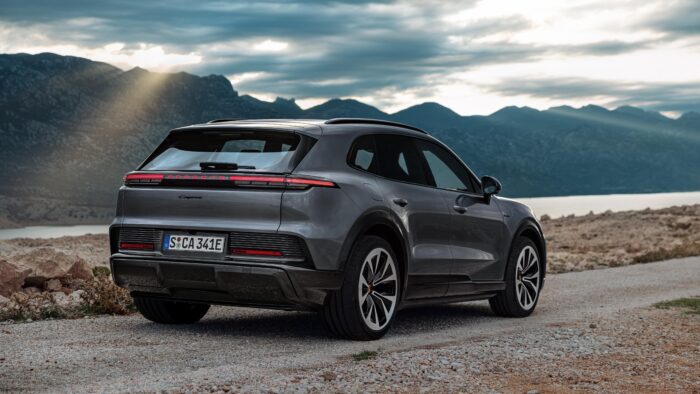
First, the next-generation Macan. Alongside a continuation of the electric Macan, an ICE (internal combustion engine) version is planned that will use the same PPC (Premium Platform Combustion) platform as the Audi Q5. Expected around 2028, test mules clad in Audi bodies have already been spotted. Even more notable is the K1, a seven-seat SUV positioned above the Cayenne. Initially intended as an EV-only model, it has shifted course dramatically to share the PPC platform with the Audi Q9 and will feature 4.0-liter V8 twin-turbo and 3.0-liter V6 engines. This model aims squarely at competing with the BMW X7 and Mercedes GLS.
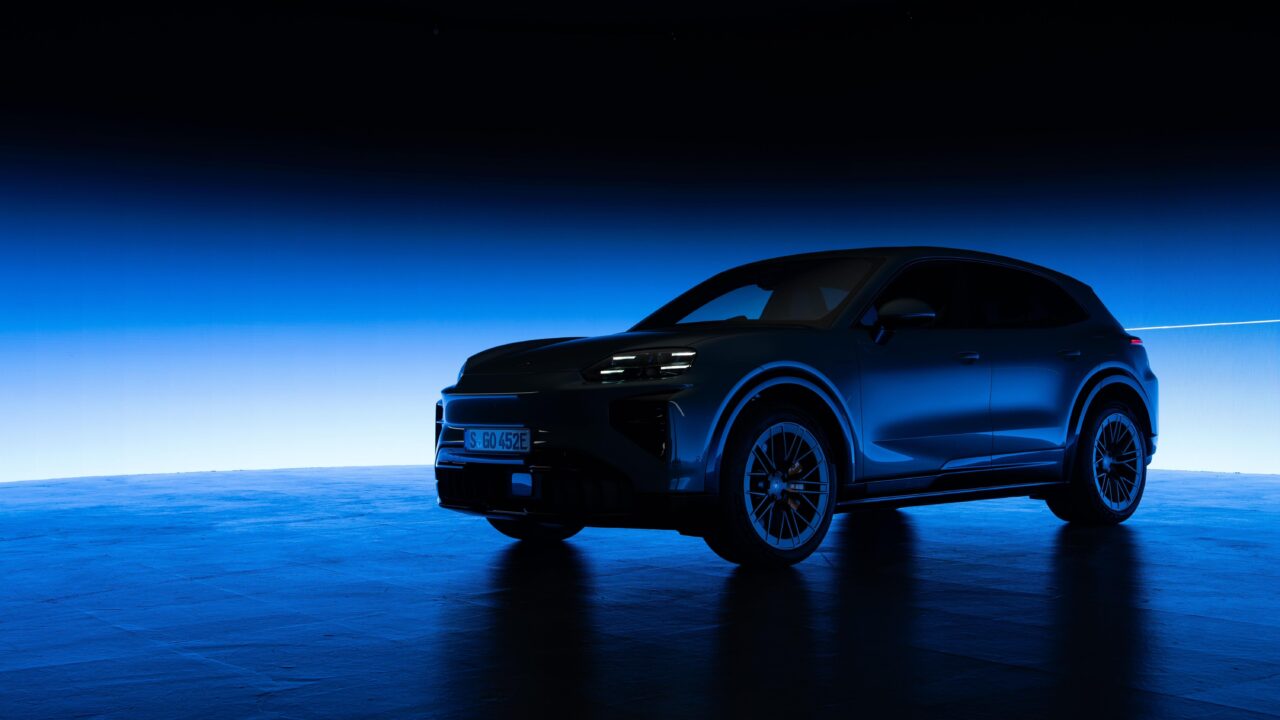
On the electric side, cooperation is also advancing. The next-gen Audi TT (Concept C) will be based on Porsche 718’s EV platform, positioning the battery behind the seats to achieve mid-engine like weight distribution. Reports indicate a licensing fee near $1.15 billion. This is a high-stakes corporate wager aimed at reclaiming a 10% operating margin.
Lessons from the Cayenne, and Today
Platform sharing between Porsche and Audi isn’t new.
The first-generation Cayenne, launched in 2003, was built on the same fundamental architecture as the VW Touareg. Audi’s Q7 later used the same PL71 platform. At the time, internal debates raged, branding Porsche making an SUV as “blasphemy.” Yet the Cayenne became a blockbuster that underpinned Porsche’s backbone. Cars born from shared platforms ultimately saved Porsche.
However, back then platform sharing was seen as a reluctant compromise. Leiters’ current push marks a clear shift: an active embrace of Audi platforms, driven by the sobering reality of a 0.3% operating margin overwriting past pride.
It’s Not the “Same Engine”
Let me share my personal experience here.
A Porsche Japan marketing representative once told me, “The engines are not identical. Porsche uses thoroughly tuned versions to ensure reassurance.” Though rumors circulate that Porsche and Audi use the exact same engines, that is definitely not true. Even if the fundamental design is shared, Porsche does not simply transplant Audi engines as-is.
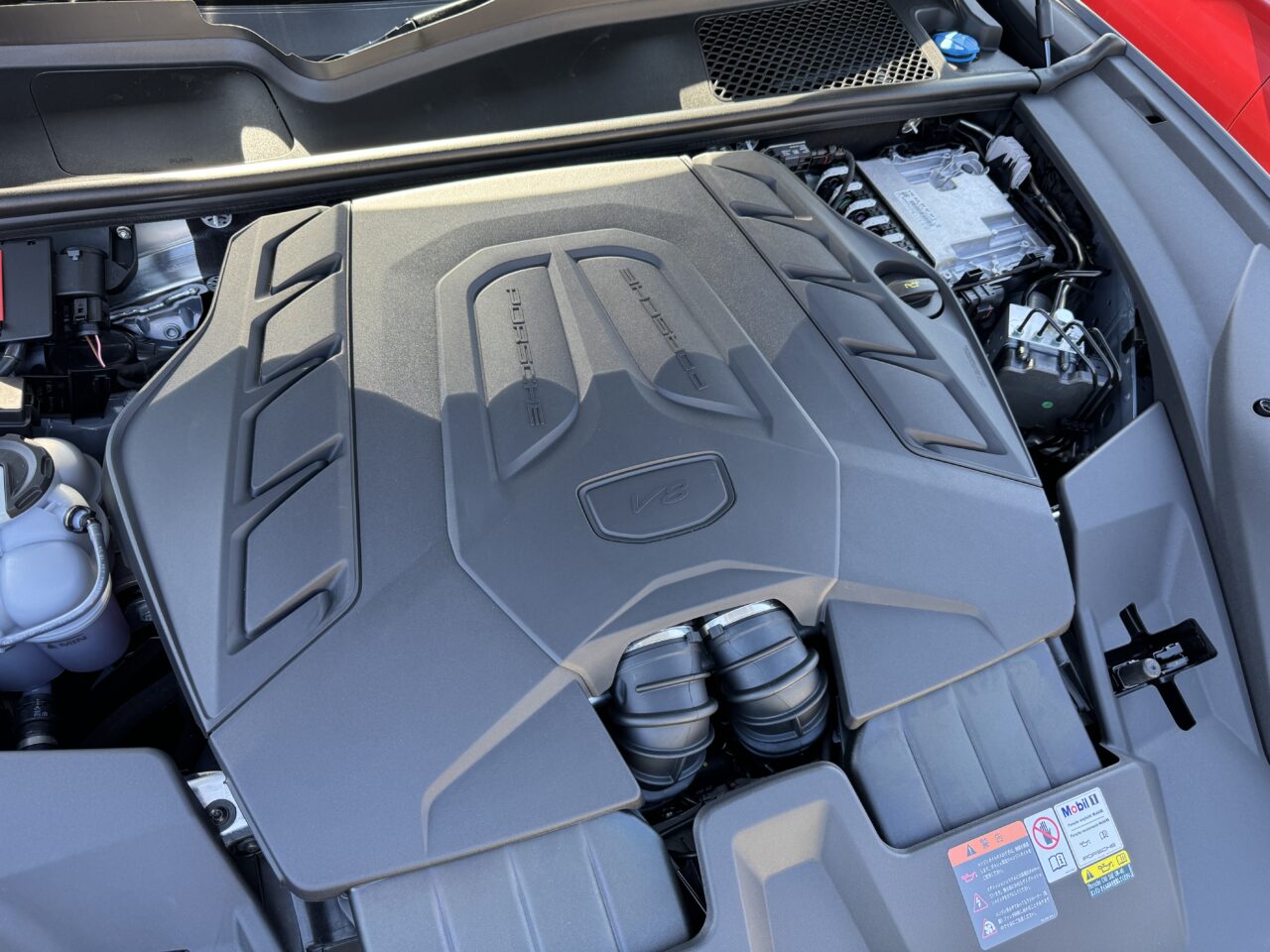
I personally looked into the 2.9-liter V6 engine found in the Panamera. Even with the same engine block, Porsche specifies a different oil viscosity grade than Audi. Oil viscosity reflects design philosophies like internal clearances and thermal management. So, even with identical blocks, variations in targeted rotation feel and durability result in different oil specs. It’s in these unseen details that Porsche’s engineering excellence truly resides.
The Evolving Porsche Driving Experience
That said, I have some honest concerns.
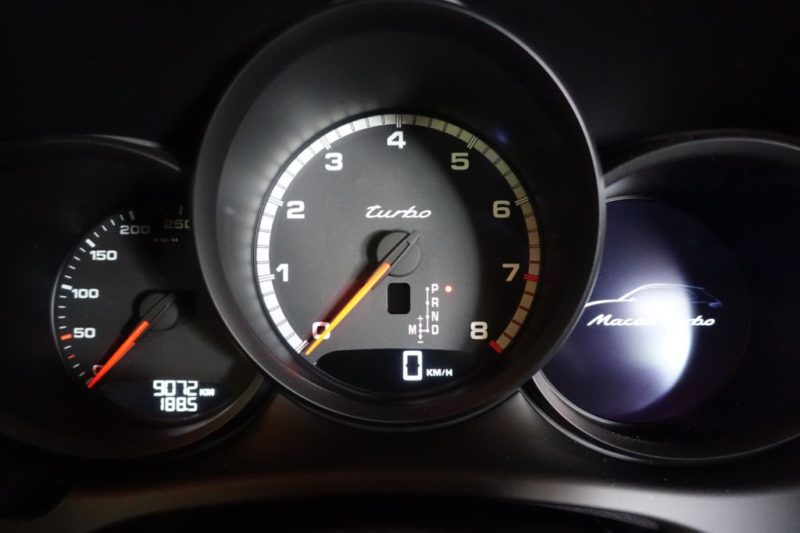
The Macan illustrates this best. Over its lifecycle—from early to mid to late model—its driving feel has gradually become more Audi-like. The same trend applies to the Cayenne and Panamera. Not in a bad way, but their refinement has taken a turn toward Audi’s sophisticated character. Porsche’s originally quirky, solid, raw feedback—those hard-edged sensations that connected you directly to the road—have softened with every update, evolving into easier-to-drive yet high-performance machines.
Whether this is positive depends on personal taste.
Porsche’s goal is clear: not just to please existing Porsche owners, but to tune vehicles so even their spouses or daily drivers can comfortably enjoy them around town. This broadens appeal, boosts sales, and is undoubtedly the right business decision. Personally, however, having felt the visceral mechanical feedback of early Macans, pre-958 Cayennes, and pre-981/991 Porsches firsthand, I feel a twinge of nostalgia. The true test for Leiters and his leadership will be how well next-gen Macan and K1 retain that unmistakable “Porsche character” amid expanded platform sharing.
このブログが気に入ったらフォローしてね!
Comment ( 0 )
Trackbacks are closed.
No comments yet.