

Porsche 911 (992) Driving Position: How Does It Compare with the 991 and 981?
公開日:2021.01.14
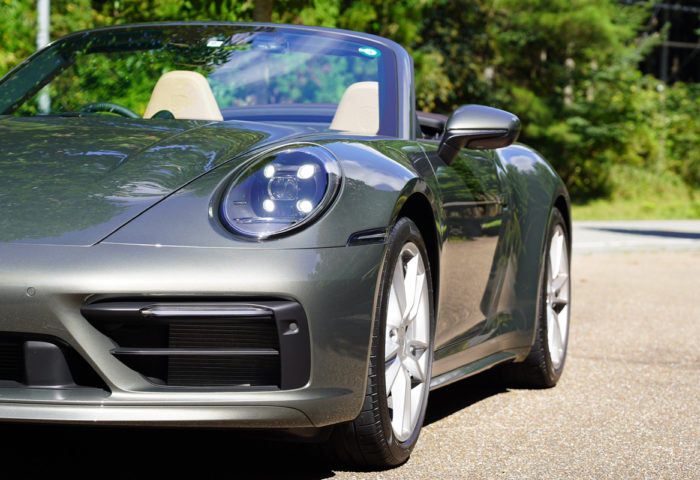

The Porsche 911 Driving Position
The other day, my husband came home after driving our 911 Cabriolet (992) and started telling me about it.
The 992 rides firmly, but smoothly. You do feel bumps in the road at times, but the ride has improved quite a bit compared with when we first took delivery.
And the driving position in the 992 is really easy to get just right. It might be the easiest Porsche I’ve driven to find a comfortable position in. Of course, that can vary from person to person.
That’s what he said.
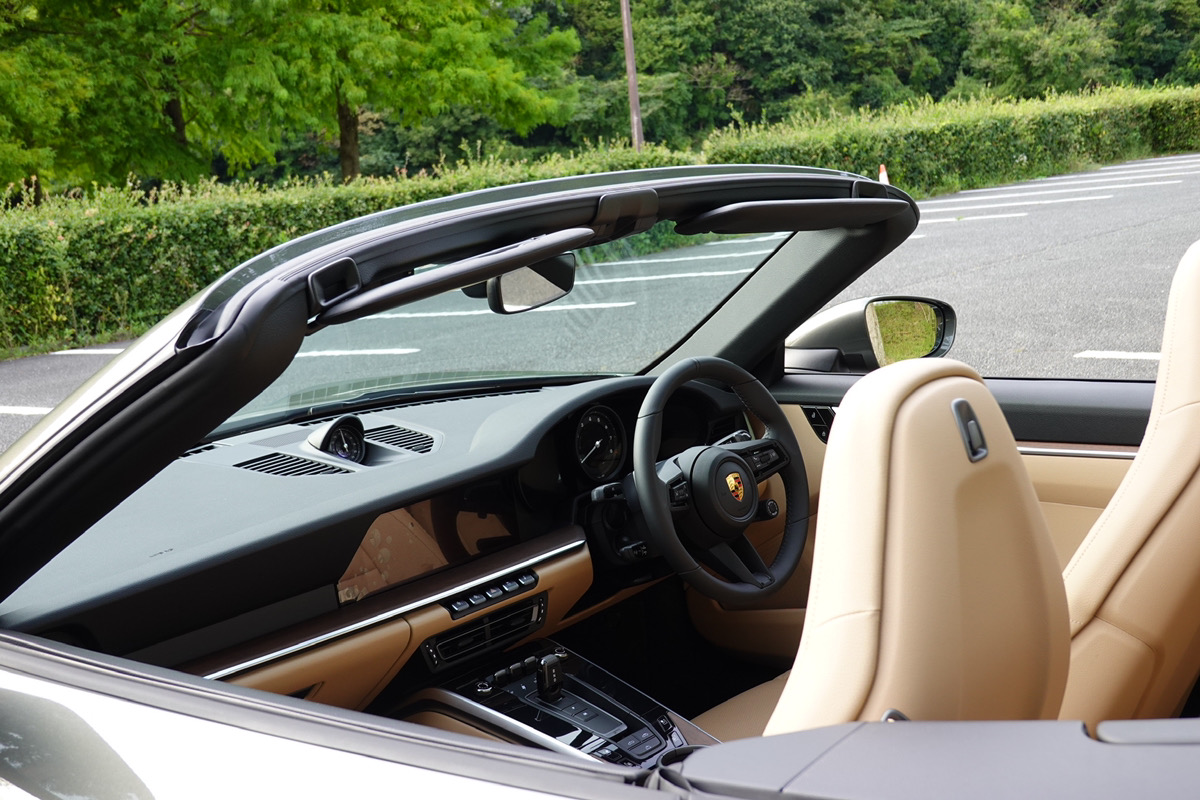
“I’m not sure… I’ve never really thought about that,” I replied. He went on:
The 992 has a low seating position, so you can stretch your legs out a little as you drive. I think you sit lower in it than in the 991 GT3. And there’s plenty of headroom, so it doesn’t feel cramped.
You can drive in a relaxed position, yet everything still feels just right.
On the other hand, when you’re driving on a mountain pass, you can set the seat up in a more focused driving position and it feels spot-on, too.
Porsches are generally easy to get comfortable in, but the 992 offers more adjustment than the 991, and visibility is good, too. The 981 Boxster, by comparison, has a little less range of adjustment than the 911 models.
That made sense. When I drive our 981 Boxster, it takes me quite a while to adjust the seat until it feels right.
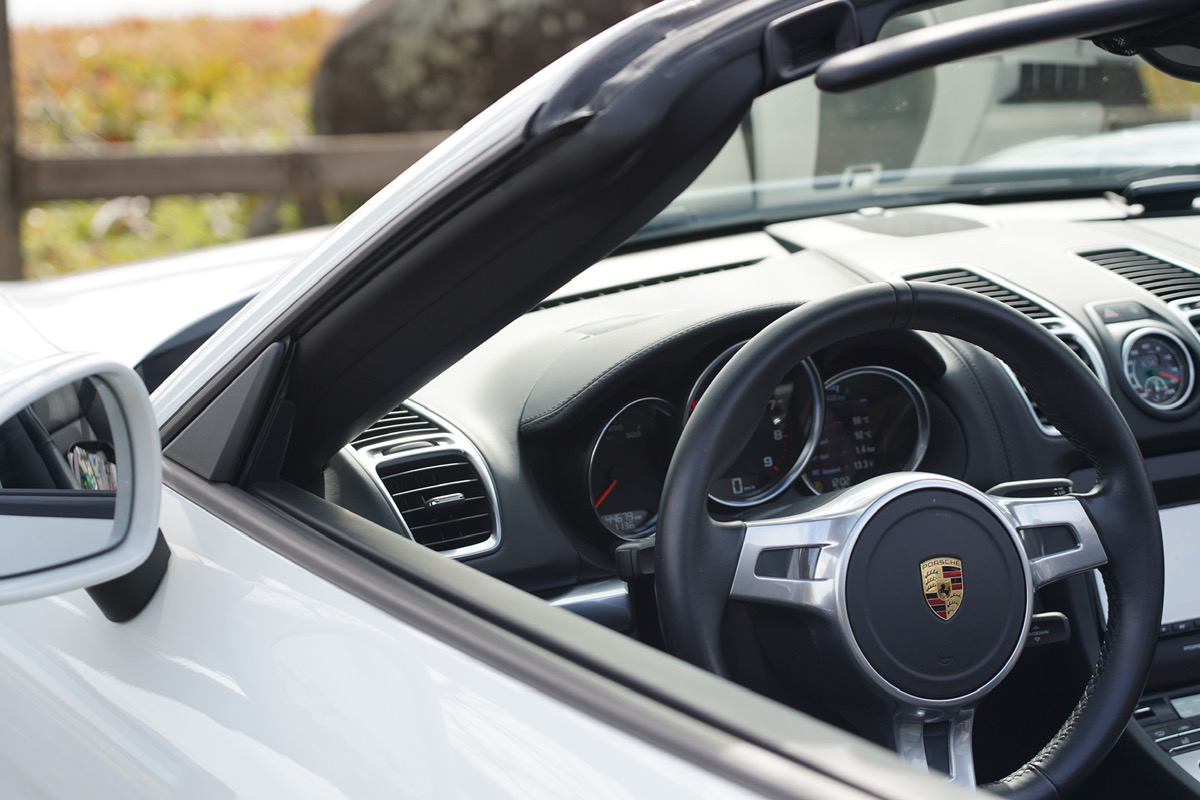
“But isn’t that because the 981 and 991 GT3 have manual transmissions, so you have to account for being able to press the clutch all the way down?” I asked. My husband replied:
No, the clutch doesn’t have much to do with it. With the 981 in particular, being a two-seater means the backrest adjustment range is limited. Raise or lower the seat and the steering wheel can feel too close; the steering wheel height can be just slightly off; or, once you’ve adjusted the wheel, your feet feel too far away.
I also notice that the seating position is just a little higher than I’d like.
I could keep adjusting until I’m happy, of course, but the 992 feels just right almost straight away.
I see. Then again, I have short legs, so I have to move the seat way forward in pretty much any car I drive… lol.
Apparently, the 991 and 992 differ slightly in seat construction, seat position, and dashboard height. My husband showed me a Porsche document outlining some of the differences between the two generations.
It was a document called *The new 911 Carrera Technology Workshop*, with all sorts of information about the 992. One of its slides showed this:
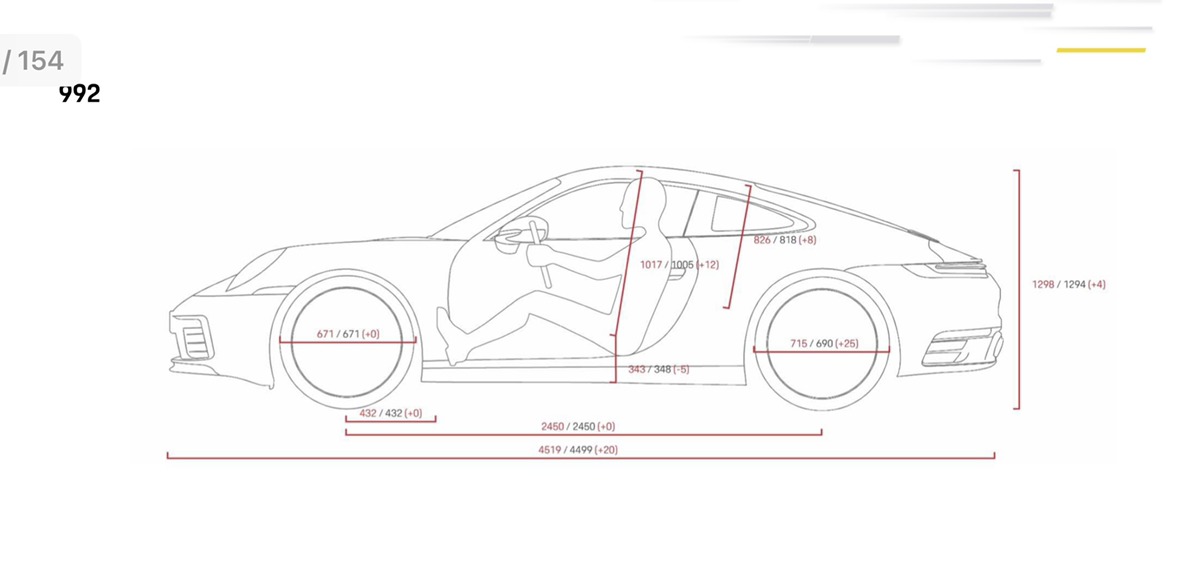
Sure enough, the document shows that compared with the 991, the 992 has 12 mm more headroom and a seating position that’s 5 mm lower.
…Seriously, where does he find documents like this? lol
Getting Behind the Wheel of the Porsche 992 Again
Later, I had my first chance to drive the 992 this year. This time, I paid attention to the seat position and found that it really was easy to get comfortable, so I felt ready to set off without spending ages adjusting the seat.
Since our 992 isn’t a manual, I also don’t have to worry about things like whether I can press the clutch all the way down or whether my knee will hit the steering wheel when I release the clutch. I think that makes a big difference for me.
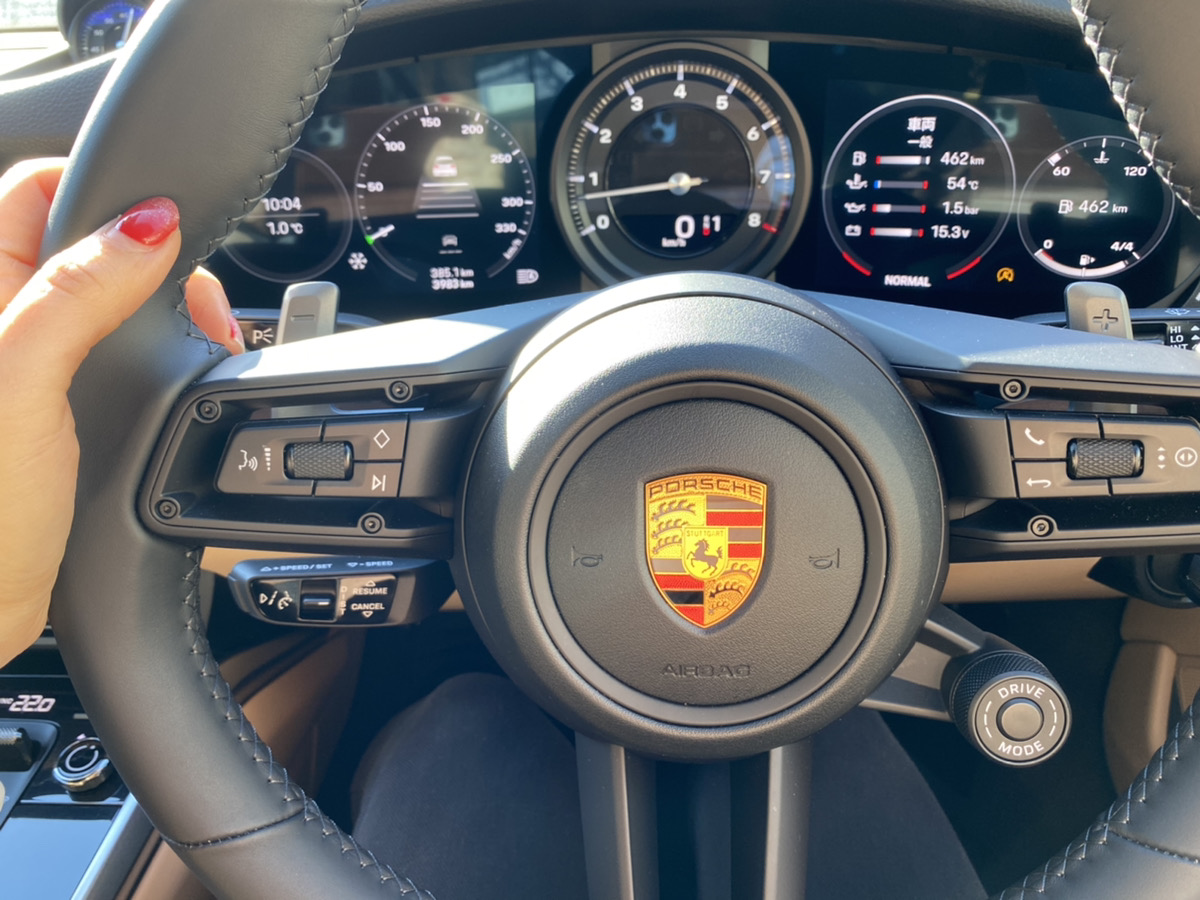
I’m just under 160 cm tall, so I wonder if taller drivers—men close to 180 cm, for example, or people in Europe and North America—might find the 992 particularly easy to fit. Its low seat and generous headroom could make it easier to find a comfortable driving position.
A driving position that feels natural can help reduce fatigue and make it easier to drive safely. It reminded me that Porsche keeps refining even these details in its latest models.
Cars really are endlessly fascinating, aren’t they?
このブログが気に入ったらフォローしてね!
Comment ( 0 )
Trackbacks are closed.
No comments yet.