

Why Porsche Owners Admire Jiro Shirasu
公開日:2019.03.22
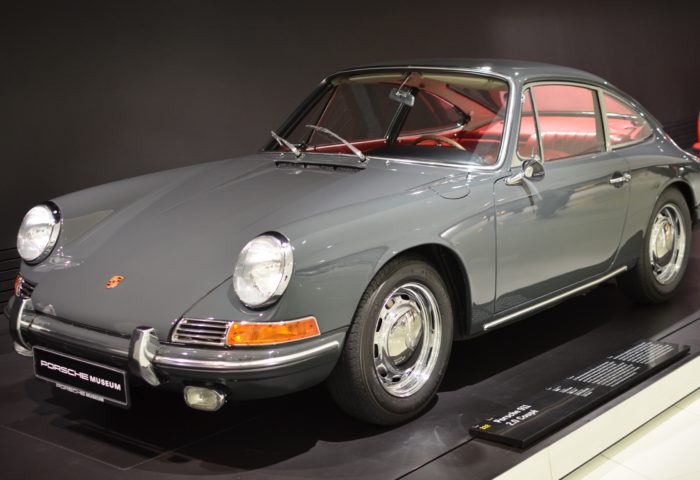

Jiro Shirasu: A Man Apart
My husband has loved Japanese history since he was a student, especially the people who lived around the time of the Meiji Restoration. He’s even made solo trips on his motorcycle to visit the former Shokasonjuku Academy, where Yoshida Shoin taught, and Katsurahama Beach in Kochi, home to a statue of Sakamoto Ryoma.
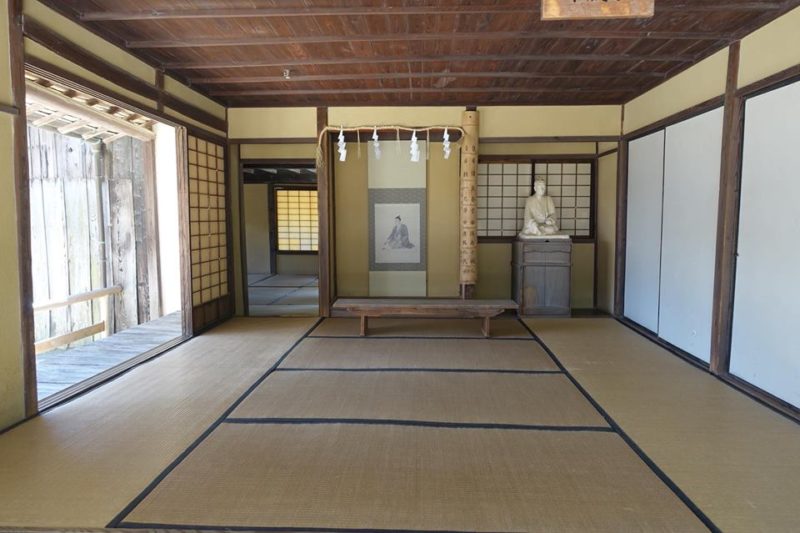
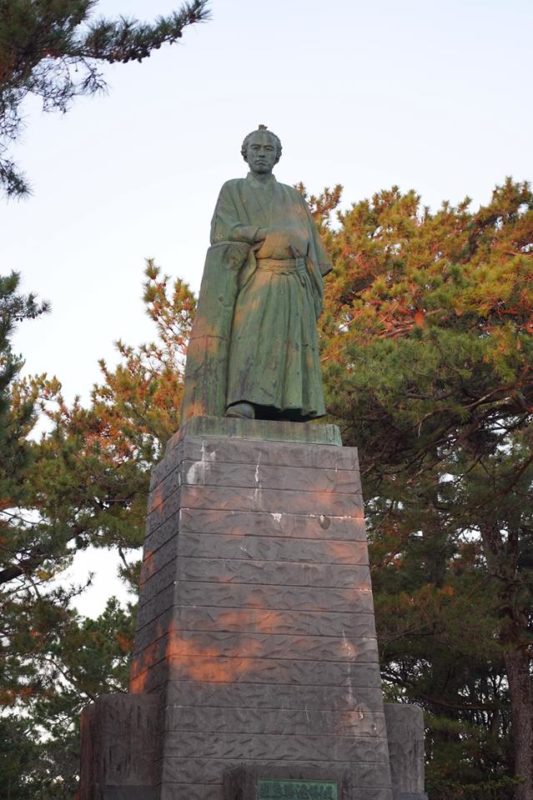
I’m also quite fond of stories from the Meiji Restoration and the novels of Ryotaro Shiba. I still remember our first dinner together: we spent the whole evening at an izakaya talking about historical figures. (Not exactly a romantic first date, haha.)
Among the people who lived through the Showa era, my husband especially admires Jiro Shirasu. Shirasu is known for his work as a close aide to Shigeru Yoshida during the Allied Occupation of Japan after World War II. He was deeply involved in the drafting of Japan’s postwar constitution, served as an executive at numerous companies—including as chairman of Tohoku Electric Power—and was also a passionate car enthusiast and Porsche fan.
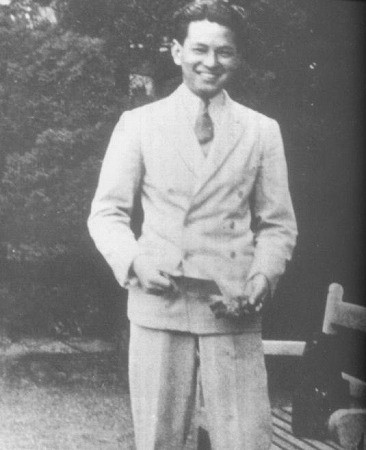
*Image source: “Japan Was Once Beautiful”
My husband often says, “When I die, there’s no need for a funeral or a posthumous Buddhist name.” So it was only natural that he’d visit Buaiso, the former Shirasu family home. w
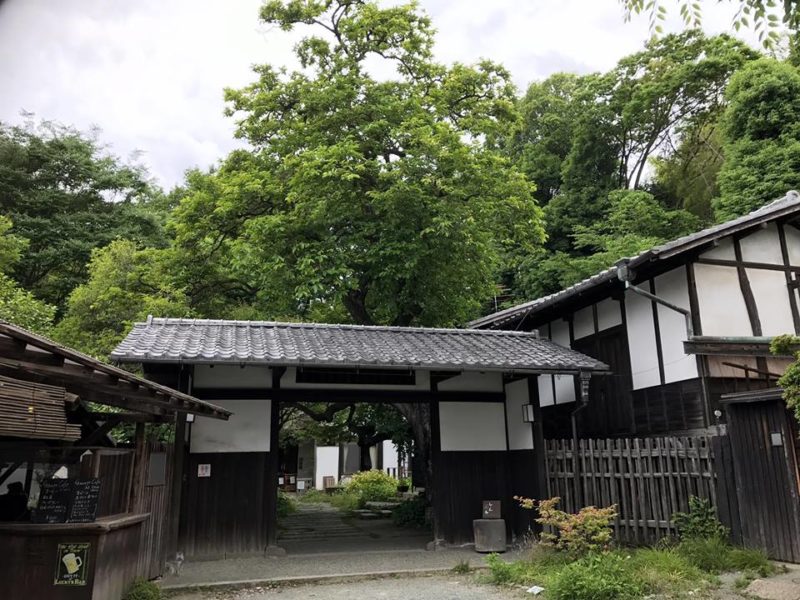
I knew the name Jiro Shirasu, but I had no idea what he’d actually done. I first learned about him properly a few years ago, when I watched a rerun of NHK’s special drama series Jiro Shirasu. (Yusuke Iseya played the lead.)
Watching it, I remember thinking, “Jiro Shirasu was unbelievably cool!”
The Porsche Owner Connection
My husband has long said:
“A lot of Porsche owners are fans of Jiro Shirasu.”
At first, I didn’t think much of it. But lately, I’ve come across Porsche owners’ Facebook posts about visiting Buaiso or listing books about Jiro Shirasu among their favorites. The more I saw, the more I began to wonder:
Why do so many Porsche owners(especially air-cooled Porsche owners)seem to be Jiro Shirasu fans, almost as if they’d all agreed on it?
So one day I asked my husband, “Why is that?” He replied:
“Well, if you’re talking about a Japanese historical figure who loved Porsche, it has to be Jiro Shirasu.”
But is that really the only reason so many Porsche owners are fascinated by him?
Why Jiro Shirasu Still Captivates Porsche Owners
I don’t know a great deal about Jiro Shirasu, but I suspect people are drawn to the way he lived his life—the sense that he was “the kind of man other men admire.” So I decided to explore, in my own way, why Porsche owners are drawn to Jiro Shirasu. (I’ve researched and written this as carefully as I can, but please forgive me if any facts or interpretations differ.)
1. He Stuck to His Principles and Never Sought Approval
One word you’re bound to come across when reading about Jiro Shirasu is “principle.” His wife, Masako, once recalled that he was always going on about principles—“truly, it was ‘principle, principle’ every day.” Shirasu seems to have lived by one rule above all: never compromise his convictions. (From here on, I’ll refer to him as Jiro.)
Jiro was so steadfast that GHQ—the Allied occupation authorities—reportedly called him “the only Japanese who would not obey.”
Even in Japan today, 70 years after the war, it’s not easy to say a clear “no” to the United States. So imagine doing it just after the war, when Japan was defeated and in a far weaker position. Jiro’s willingness to stand face-to-face with GHQ and say no was remarkable.
I don’t have that kind of backbone. I’d probably just keep saying, “Yes! Exactly!” and end up doing whatever they wanted. w
Jiro was also known as a keen golfer. In his later years, he devoted himself to running Karuizawa Golf Club as its chairman. One well-known story from that time goes like this:
Then-prime minister Kakuei Tanaka’s office reportedly asked if he could play the course on a Sunday with the U.S. ambassador. Jiro turned down the request, saying that Sundays were reserved for members.
It’s another example of Jiro refusing to bend his principles. (Apparently, Kakuei Tanaka later became a member of Karuizawa Golf Club. w)
It’s hard to imagine telling a prime minister, “The rules are the rules,” and standing firm. I’d be more likely to say, “Of course! We can even reserve the whole place for you!”—and then bend over backward to please him. w
There’s something timeless—and dazzlingly cool—about a man who refuses to submit to power, doesn’t seek approval, and stays true to his convictions.
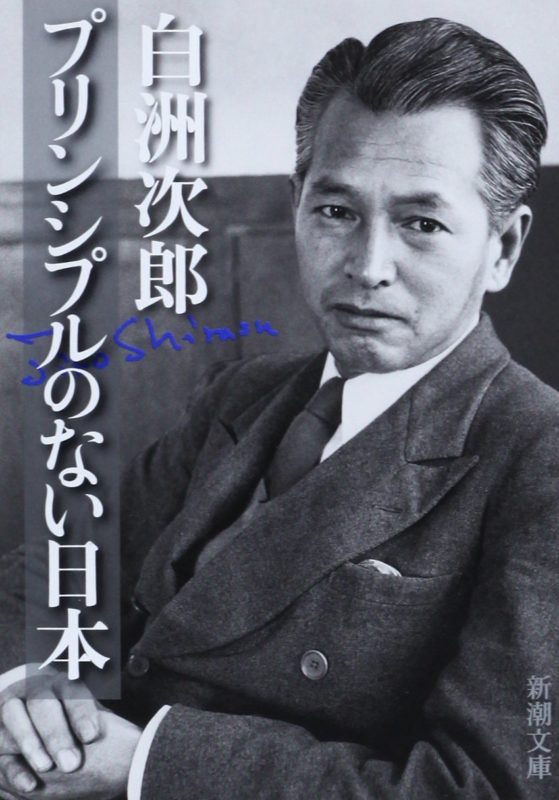
*Image source: Amazon: A Japan Without Principles
2. He Wasn’t Attached to Titles or Status
After the war, Jiro worked under Shigeru Yoshida, who had become foreign minister. He took a leading role in negotiations with GHQ and was deeply involved in the postwar settlement and the drafting of Japan’s constitution. After Yoshida became prime minister, Jiro also traveled to the United States and helped secure the Treaty of San Francisco.
Given his many accomplishments, people around him reportedly urged him to enter politics. But Jiro turned them down. Instead, he went on to live a varied life: farming and pursuing self-sufficiency at his country home, as well as working as a businessman.
It reminds me of Sakamoto Ryoma, who reportedly said after the restoration of imperial rule, “From now on, I want to travel overseas,” and left his name off the proposed list of new government officials. Jiro seems almost like Ryoma reborn.
Most people, to some extent, care about titles, status, and social standing—and feel constrained by what society expects of them. Jiro was one of the rare people who didn’t. What a remarkable way to live.
3. He Was Cultivated and Well-Educated
Sticking to your principles can also come across as being stubborn and selfish. But Jiro wasn’t simply stubborn. His principles were grounded in a strong sense of culture and learning, which gave his way of life a certain elegance and style.
Born into a wealthy, prominent family in Hyogo Prefecture, Jiro was headstrong but well-bred. He had an English tutor from childhood and spoke the language fluently. After graduating from high school, he studied at Cambridge in England, where he developed an international outlook and a broad education.
I once saw a story about him in a TV program or drama:
For an exam in one of his Cambridge classes, Jiro studied hard and thought he’d written a perfect answer. But he received a very low score. When he asked why, his teacher told him, “There isn’t a single original thought of your own in this answer.” From then on, Jiro made it a point to express his own views clearly, whatever the situation.
I imagine few people in Japan at the time thought that way. Then again, perhaps that’s still true today.
Jiro’s experience abroad likely helped him when he was chosen to lead negotiations with GHQ—and when he carried out that responsibility so effectively. He had learned firsthand how Japanese people should engage with people from other countries.
When a cultured gentleman with the polish and composure of an English gentleman stands by his principles, it makes his way of life all the more compelling.
4. He Was Exceptionally Handsome
The first thing that surprised me when I saw a photo of Jiro Shirasu was his strikingly handsome face. Calling him “good-looking” feels almost too casual—he was genuinely a handsome, impressive man.
He was reportedly 180 cm (about 5 ft 11 in) tall, too. He clearly took care with his appearance, and in every photo he looks like a model.
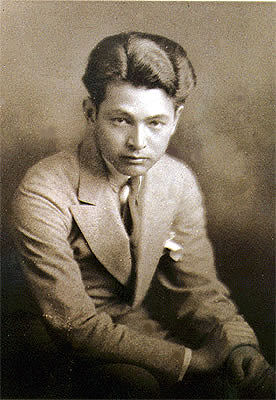
*Image source: Buaiso, the former Shirasu residence
People say you can’t have everything—but when it comes to Jiro Shirasu, I can’t help thinking, “How many gifts did fate give this man?”
If Jiro had been short and a little stocky (Sorry—I know I have no room to talk!), would people still have admired him quite so much? I suspect his striking looks were one reason so many people looked up to him.
5. He Chose Masako as His Wife
A man who was this handsome, spoke fluent English, was well-educated, and came from a wealthy family (though his father’s company later went bankrupt, and the family went through difficult times) must have had his choice of potential wives.
It was also an era when people expected women to walk one step behind men. You might expect him to choose a beautiful, well-bred, domestic woman who would stay in the background and support her husband. Instead, he chose Masako—a woman who was very different from that stereotype. (Although, to be fair, I didn’t know Masako personally.)
Masako is known as the first woman to perform on a Noh stage, where women had traditionally been barred. She studied in the United States from the age of 14 and, by all accounts, was spirited and fiercely competitive, devoting much of her time to sports while she was there.
The two met when Masako was 18 and Jiro was 26. They fell for each other at first sight. Choosing to marry a strong-willed woman like Masako, at a time when women were expected to take a more traditional role, was incredibly cool.
6. He Was a Serious Car and Porsche Enthusiast
Jiro was known as a passionate car enthusiast. When he was in Japan, he drove American luxury cars. During his studies in England, he owned a Bentley and a Bugatti, and apparently spent many weekends taking them to the racetrack to race.
That’s an incredible amount of money! (*_*)
His friends, seeing how much he loved cars, nicknamed him “Oily Boy.”
In his later years, the car he loved most and drove regularly was a Porsche 911. A true car enthusiast, Jiro drove a 1968 Porsche 911S well into his 80s. (Its original 2.0-liter engine had been replaced with the 2.4-liter engine used in the 911S from 1971 onward.) He would even make a stylish entrance at Karuizawa Golf Club behind the wheel.
And that wasn’t the only proof of his love for cars. Here’s another famous story that says it all:
Toyota launched the first-generation Soarer, said to be the first Japanese car to break the 200 km/h barrier. Jiro Shirasu bought one and reportedly wrote directly to the company president with his thoughts on the car.
“The steering wheel is too thick.” “The turning circle is too large.” “The power steering needs to be stronger.” These were the kind of suggestions you’d expect from someone who worked on his own cars.
He reportedly told the people in charge, “Aim to build a car that is truly one of a kind.” And, remarkably, Jiro gave Toyota his own Porsche 911, asking them to use it as a reference for their car development.
*Why Did the Famous Jiro Shirasu Part with His Beloved Car?
Jiro died at 83, before the second-generation Soarer was completed. Honestly, he was so cool it takes your breath away.
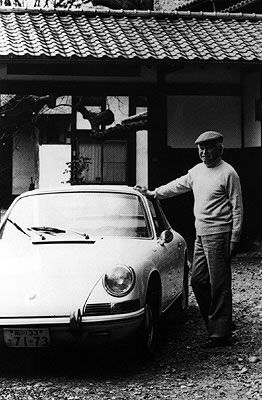
*Image source: Buaiso, the former Shirasu residence
As I read more about Jiro Shirasu, I found myself idly thinking, “I wish there were politicians in Japan today like him…”
His Wife, Masako Shirasu
As a woman—and as a wife—there’s one more thing I think about when it comes to Jiro Shirasu: his wife, Masako, may have played a major role in giving him the freedom to live by his principles.
Spouses influence each other deeply, I think, and Masako was also someone who stayed true to herself and lived life on her own terms. Her independence must have given Jiro a great deal of courage, too.
There are many ways to build a marriage, and I think any relationship is wonderful if both people are happy. But I admire the kind of partnership the Shirasus seemed to have: two independent people who encouraged each other to grow. I hope I can become a little more like that myself.
Oh, somehow I’ve ended up finishing with Masako instead of Jiro. w
*Article source: Buaiso, the former Shirasu residence
このブログが気に入ったらフォローしてね!
Comment ( 0 )
Trackbacks are closed.
No comments yet.