

When a New 911 Sport Classic Sells for Twice Its Original Price—Is Porsche Becoming an “Investment Commodity” Manufacturer?
公開日:2026.04.10

コンテンツ
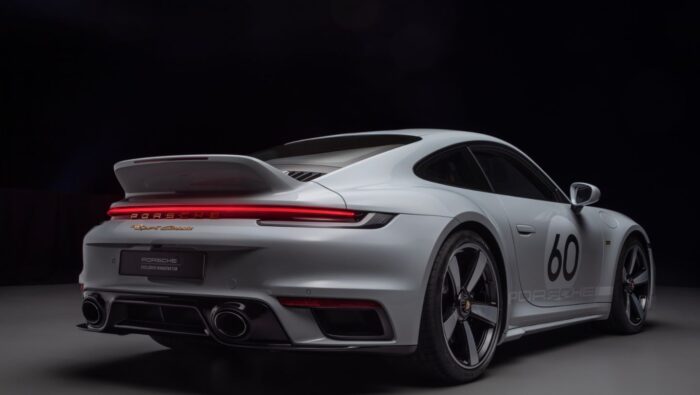
A Car That Doubled in Price in Just 3 Years
The soaring value of the Porsche 911 Sport Classic shows no signs of slowing down.
On the U.S. auction site “Bring A Trailer,” a 2023 model sold for approximately $510,000 (about 81 million yen). With a new car price including options around 45 million yen, this means a staggering difference of 36 million yen arose in just three years. The situation in Japan echoes this trend. A vehicle priced at 71.8 million yen is listed on Car Sensor, and other sites have even seen listings as high as 80 million yen. With only about 6,500 kilometers driven, this particular car generated roughly 5,500 yen “profit” per kilometer. It’s no longer just car price movements—it almost feels like observing financial market charts.
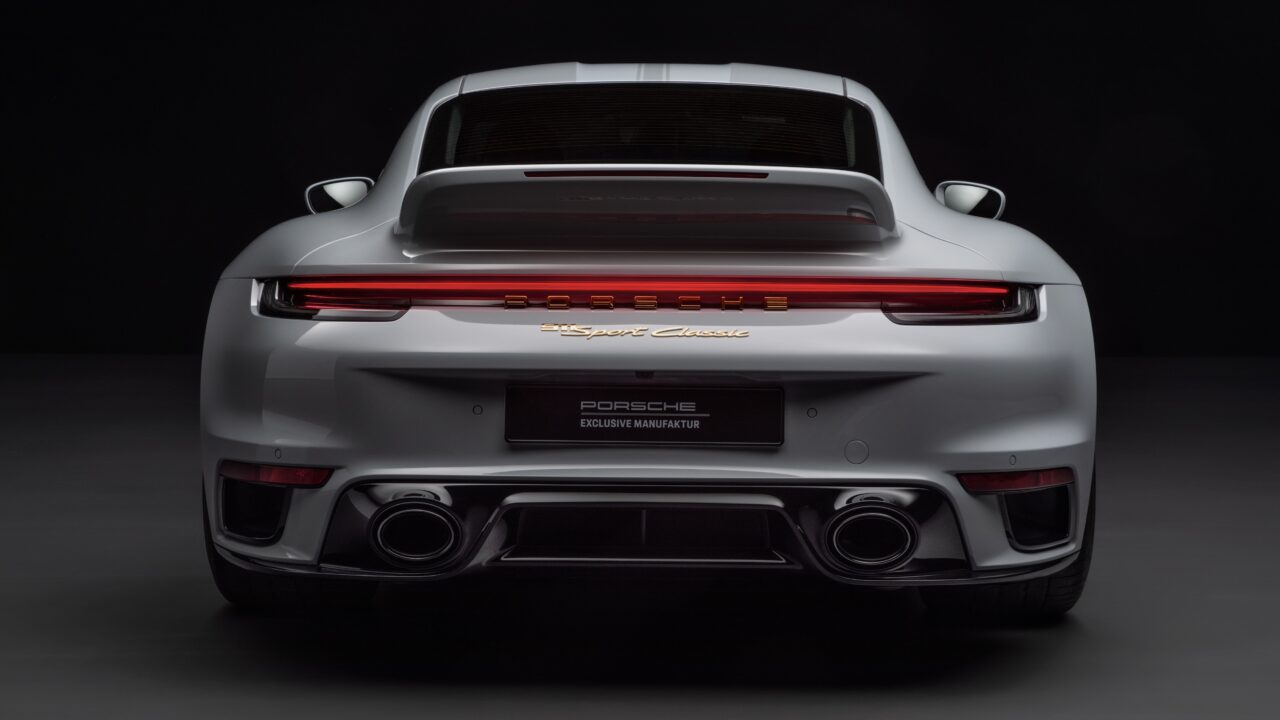
Featuring the unique 3.8-liter flat-six twin-turbocharged engine from the 911 Turbo S paired exclusively with a 7-speed manual transmission and rear-wheel drive, the Sport Classic is one of only 1,250 worldwide. Ducktail spoiler, double-bubble roof, Fuchs-style wheels—there’s no denying its special status. However, “being special” and “being an investment asset” are fundamentally two very different things in my view.
Brown Interiors, Pepita Patterns, and Green Gauges—A Sense of Heritage Strategy Revisited
Lately, I’ve found myself increasingly familiar with Porsche’s limited editions.
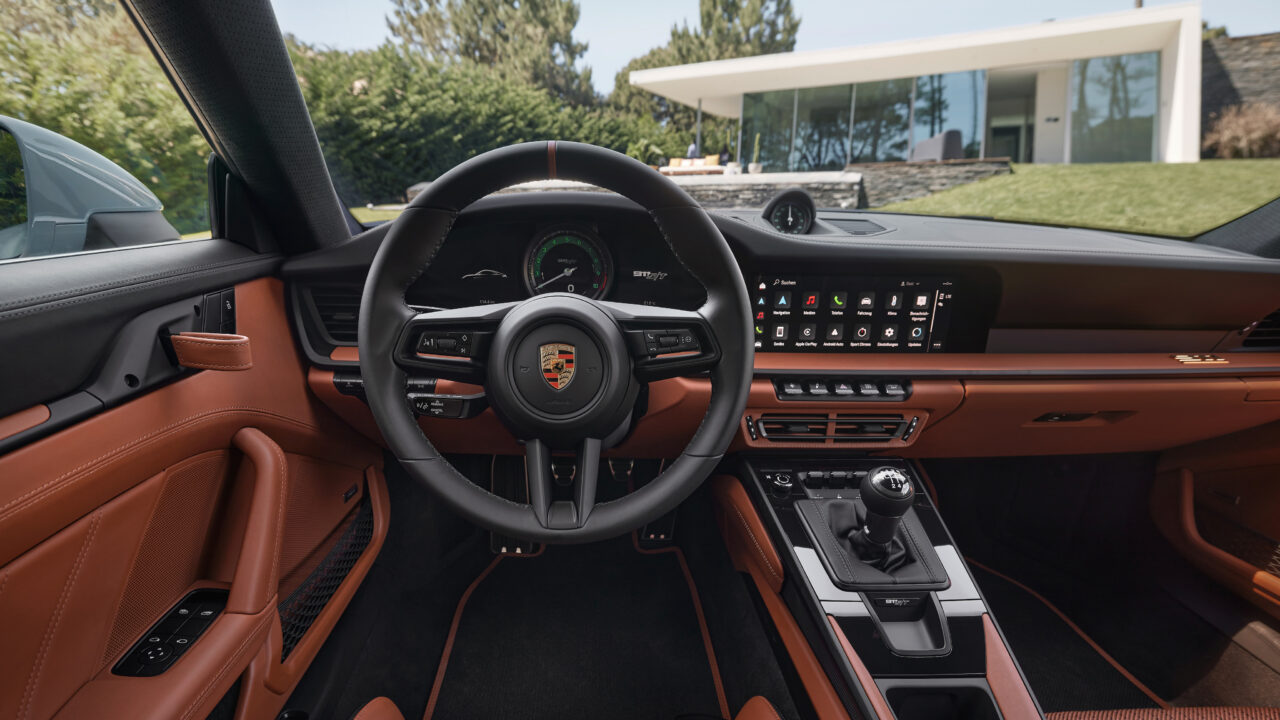
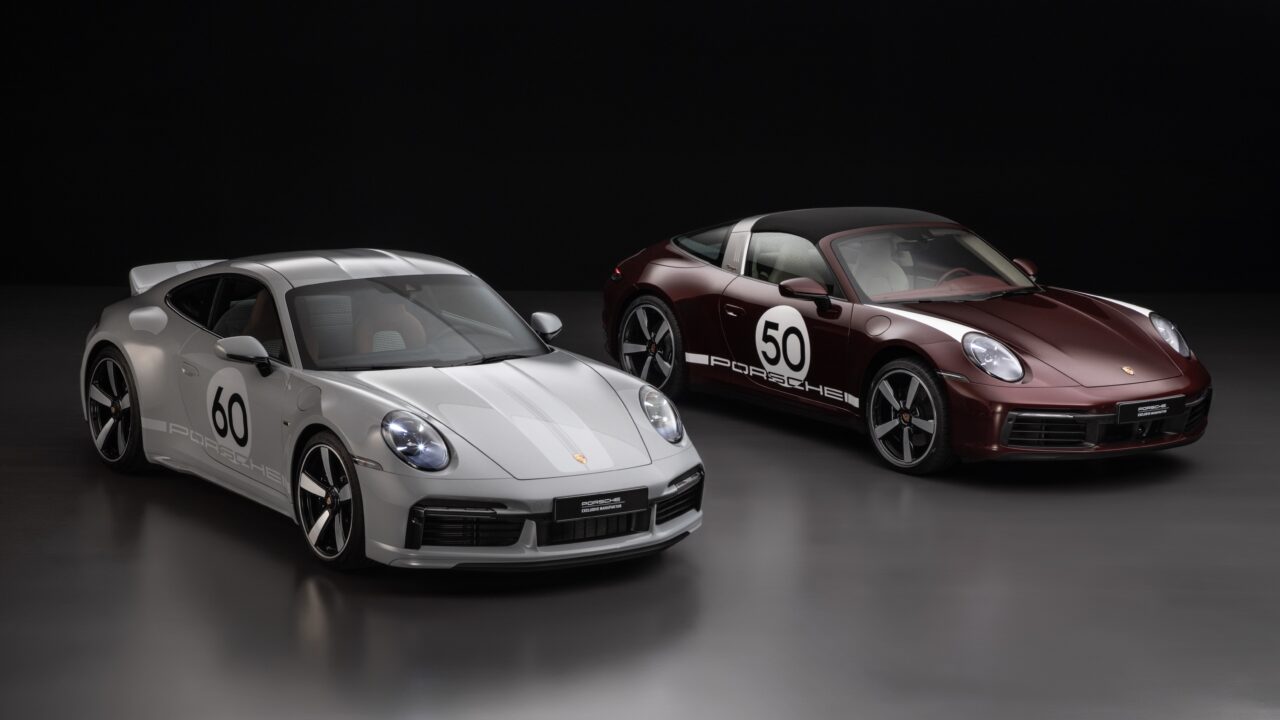
Brown interiors, pepita-patterned seats, and green instrument panels—the combination seems designed to evoke a “heritage feel” that Porsche believes will sell. The 991 Speedster, 911 S/T, and Sport Classic certainly look stunning. Yet, this patterned “nostalgia effect” no longer delivers fresh surprises. In the past, even limited editions were experimental playgrounds pointing toward the future. Today, it feels like a package of past icons are being repurposed into commodified offerings.
More concerning is the plan for a flagship model positioned above the 911.
If Porsche creates a car that “surpasses the 911,” it is likely to become another speculative target. The dealer negotiations for initial allocations will intensify further, potentially strengthening the trend where customers buy multiple EVs and SUVs just to qualify for these coveted limited editions. I wonder—does Porsche truly desire a world where purchasing motivation comes from resale profits rather than driving enjoyment?
Limited Editions Used as Bait to Sell EVs—Is It Porsche’s Fault or the EU’s?
Let’s delve into the structural issues behind this.
It’s now an open secret within the industry that Porsche’s limited editions serve as “bait” to boost EV sales. Some readers may have heard from dealers that without a history of purchasing Taycan or Macan EVs, securing a GT-series allocation is tough. Our household owns a Taycan Turbo GT and a Taycan 4S Cross Turismo—not as mere tokens to access limited editions, but because we’re genuinely enchanted by their driving dynamics. Yet the reality is clear: manufacturers must boost EV sales to meet emissions volume regulations, and limited editions act as incentives nudging buyers towards EVs.
However, it’s unfair to put all the blame on Porsche alone. The root cause lies in EU emissions regulations. Euro 7 rules and CO2 fines pressure manufacturers into a corner where not selling EVs means astronomical penalties. Consequently, they can’t compete on price against Chinese EV makers and simultaneously handcuff their own biggest weapon—gasoline engines—with restrictive regulations. I can’t help but worry: what future does the EU envision for its domestic car industry? If this continues, European automotive culture itself risks erasure.
Why Porsche Must Remain a Brand for Driving Enthusiasts
At the end of the day, my expectations from Porsche are simple.
I want them to keep making cars that are genuinely fun to drive. That’s it. The thrill of pushing a 4.0-liter naturally aspirated engine to 9,000 rpm in the 718 Spyder RS at Fuji Speedway. The cornering ability of the Taycan Turbo GT that rivals even the GT3 on mountain roads. The distinctive beat of an air-cooled engine as I cruise through town in a 964 C2 with Tiptronic in Drive. My ongoing Porsche ownership experience is driven entirely by what lies beyond the steering wheel.
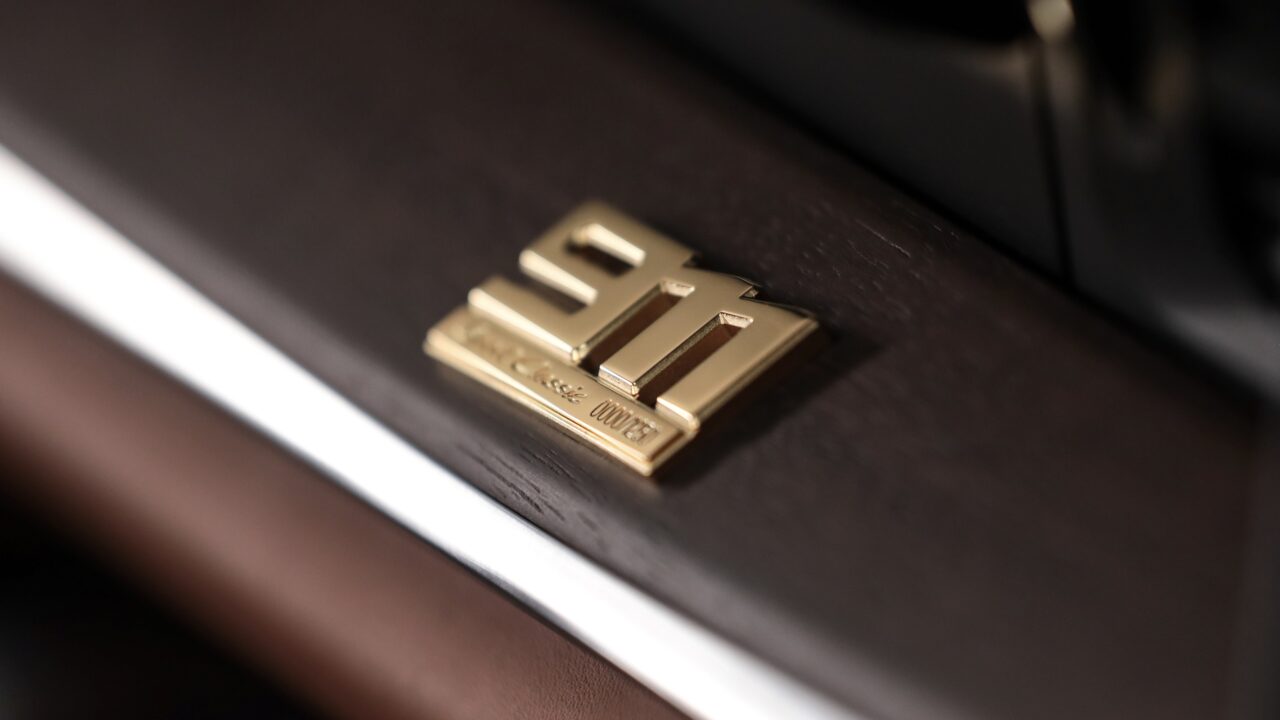
The trading of Sport Classics for 80 million yen will likely never stop—that’s market economics. However, I want to resist the growing trend of cars being stored with only 100 km on the odometer in temperature-controlled warehouses, fueling limited-edition strategies based on investment rather than passion. I firmly believe Porsche’s true value lies not in “brand power to hold a car unused,” but in “a driving experience that makes you fall in love again with every mile.” Every time I look at price charts, I’m reminded of this fundamental truth.
このブログが気に入ったらフォローしてね!
Comment ( 0 )
Trackbacks are closed.
No comments yet.