

The 911 Sport Classic Is Trading for Twice Its Original Price—Is Porsche Becoming an “Investment-Car Maker”?
Published: 2026.04.10

コンテンツ
A Car That Doubled in Value in Three Years
The Porsche 911 Sport Classic’s prices just keep climbing.
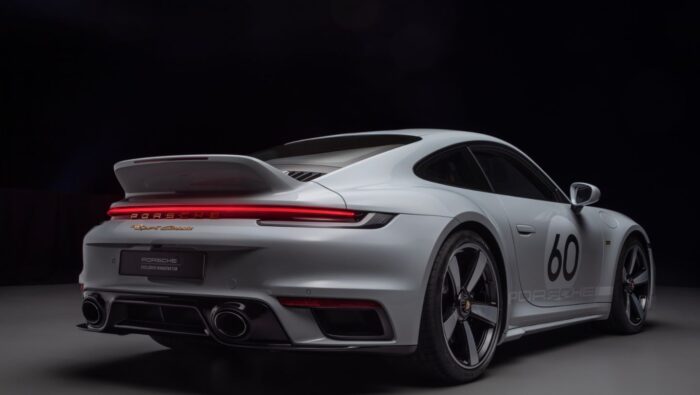
On the U.S. auction site Bring a Trailer, a 2023 model sold for around $510,000 (approximately ¥81 million). With its original price including options at about ¥45 million, that’s a difference of ¥36 million in just three years. The picture is much the same in Japan. Carsensor has listed one for ¥71.8 million, while another site even showed an asking price of ¥80 million. One example with just around 6,500 km on the clock had effectively gained about ¥5,500 in value for every kilometer driven. This looks less like the changing price of a car and more like a chart for a financial asset.
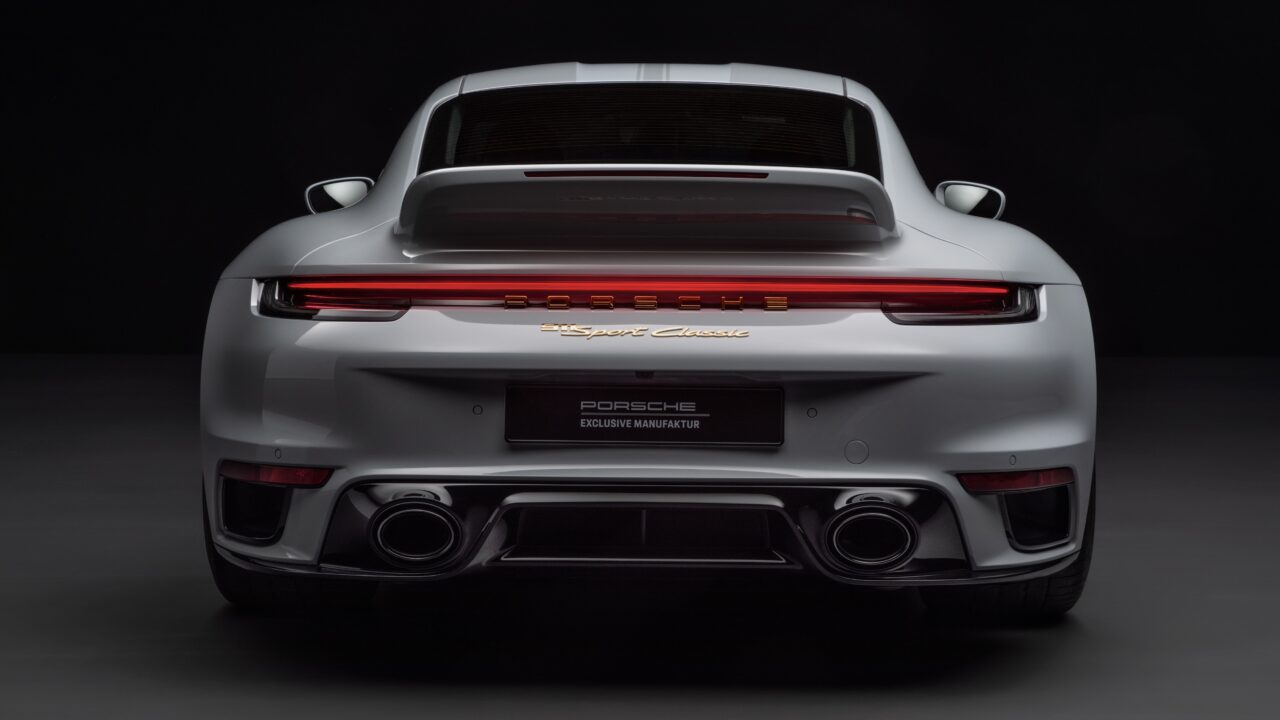
The Sport Classic is undeniably special: it combines the 911 Turbo S’s 3.8-liter twin-turbo flat-six with a seven-speed manual and rear-wheel drive, and production is limited to just 1,250 cars worldwide. There’s also the ducktail spoiler, double-bubble roof, and Fuchs-inspired wheels. But being special and being an investment are two entirely different things, aren’t they?
Brown Leather, Pepita Seats, Green Gauges—A Familiar Heritage Formula
I’ve found myself experiencing déjà vu more often when it comes to Porsche’s recent limited editions.
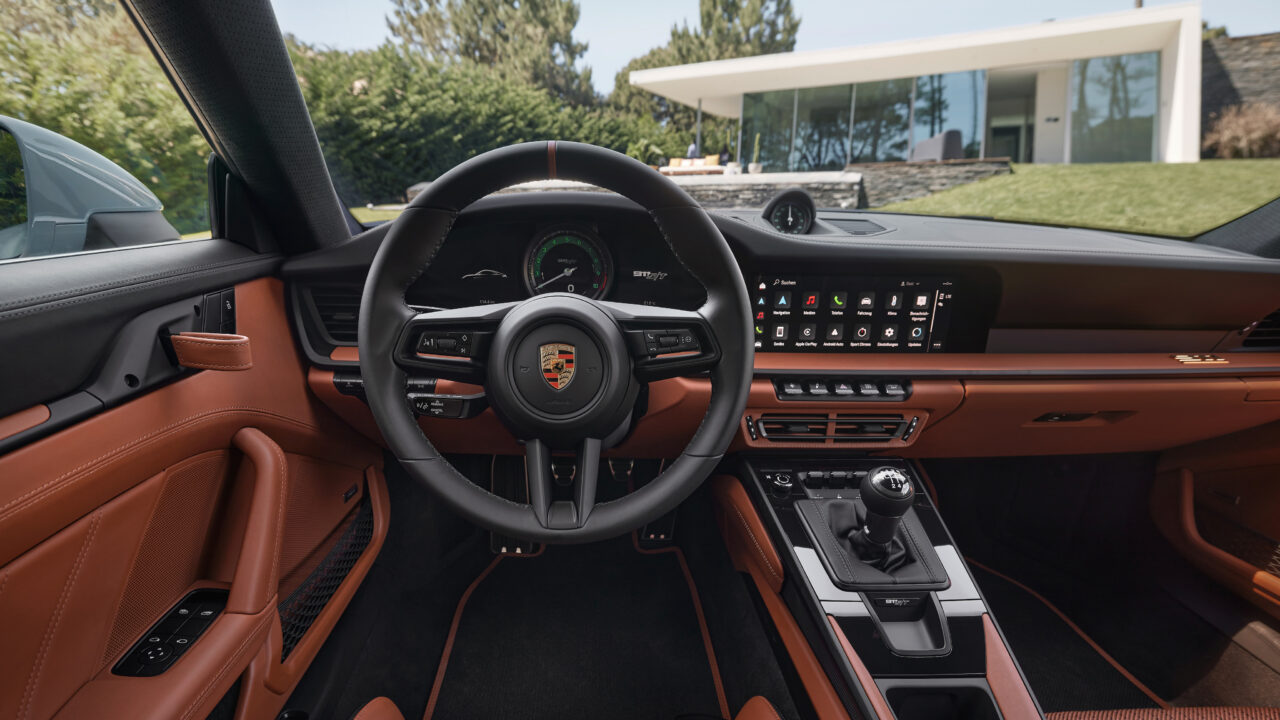
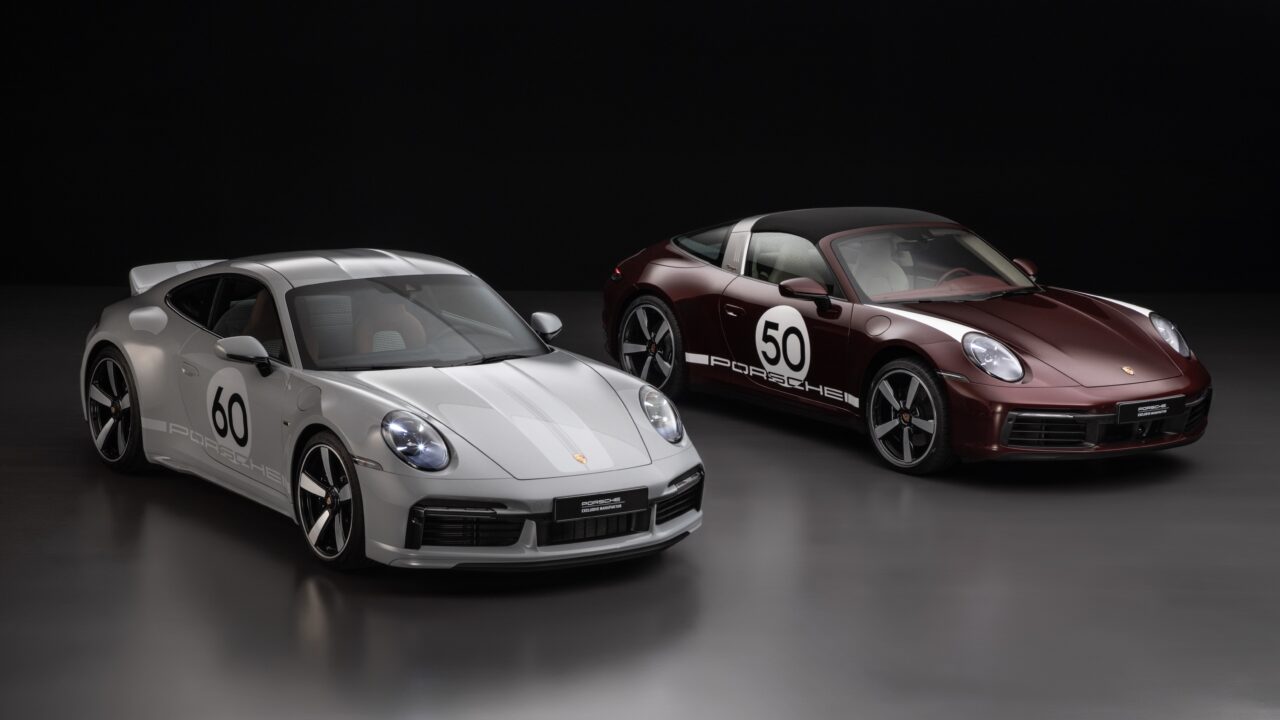
Brown interior trim, Pepita-pattern seats, and green instrument dials: is Porsche counting on this combination to sell cars by giving them a “heritage feel”? The 991 Speedster, 911 S/T, and Sport Classic are all beautiful, without question. But this formulaic nostalgia no longer feels fresh or surprising. Porsche’s limited editions once seemed like testing grounds for what came next. Now, they increasingly feel like package deals built by combining icons from the past.
Another point that concerns me is Porsche’s plan for a flagship model positioned above the 911.
If Porsche builds a car that “surpasses the 911,” it could become yet another target for speculators. Competition among customers to secure early allocations from dealers will intensify, reinforcing a pattern where buyers purchase multiple EVs or SUVs just to get access to a limited edition. Is a world where resale profits, rather than driving pleasure, motivate buyers really what Porsche wants?
Using Limited Editions to Sell EVs—Is Porsche to Blame, or the EU?
That brings us to a deeper, structural issue.
It’s no secret in the industry that Porsche’s limited editions can serve as bait to sell EVs. Perhaps some readers have been told by a dealer that buying a Taycan or Macan Electric is practically a prerequisite for getting an allocation for a GT model. My family has a Taycan Turbo GT and a Taycan 4S Cross Turismo, but we chose them because we love the way they drive as EVs—not as a ticket to a limited-edition car. In practice, though, manufacturers have to build EV sales to meet fleet-wide emissions targets, and limited editions can act as an incentive to steer customers toward EVs.
That said, I don’t think it’s fair to blame Porsche alone. The root cause is the EU’s emissions regulations. Euro 7 and fines tied to CO₂ emissions are putting manufacturers in a position where they face potentially huge penalties if they don’t sell EVs. The result: they can’t compete with Chinese manufacturers on EV prices, while regulations are also restricting the gasoline engines that have long been their greatest strength. What exactly does the EU want for its own automotive industry? I worry that if things continue this way, Europe’s automotive culture itself could disappear.
I Want Porsche to Keep Building Cars That Come Alive on the Road
Ultimately, what I want from Porsche is simple.
I want the company to keep making cars that are a joy to drive. That’s all. The thrill of the 4.0-liter naturally aspirated engine revving to 9,000 rpm as I drove a 718 Spyder RS at Fuji Speedway. The cornering ability of the Taycan Turbo GT as I pushed it through the mountain roads—better even than a GT3. The distinctive pulse of the air-cooled engine as I cruised through town in my 964 C2 with the Tiptronic in Drive. Every reason I keep driving Porsches lies on the other side of the steering wheel.
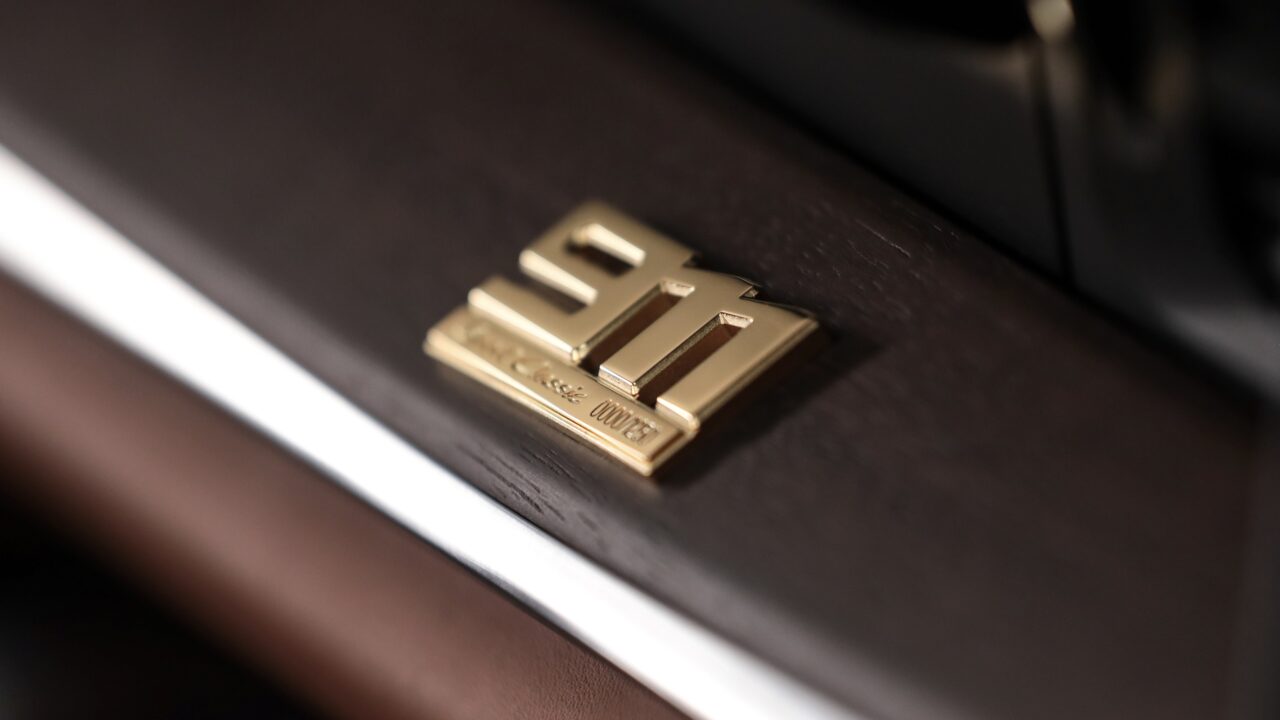
There’s probably no stopping the Sport Classic from trading for ¥80 million. That’s the market at work. But I can’t help pushing back against a future where more cars sit untouched in climate-controlled warehouses with just 100 km on the clock—and where limited-edition strategies accelerate on the assumption that they’ll stay that way. I believe Porsche’s value lies not in being a brand whose cars can be stored away without being driven, but in the driving experience that makes you fall in love with them all over again, mile after mile. Every time I look at a price chart, I’m reminded of that simple truth.
If you enjoy this blog, follow along.
Comment ( 0 )
Trackbacks are closed.
No comments yet.