

Extreme Performance or Extreme Luxury? The Rumored Porsche Flagship Above the 911
公開日:2026.10.05

コンテンツ
Officially, It’s Still Under Consideration—Its Name and Engine Are Rumors
A new Porsche could soon sit above the 911.
In my March 20 article, I covered CEO Michael Leiters’ comments at the annual press conference. Porsche was considering expanding its product portfolio to grow in higher-margin segments, with potential models positioned above its current two-door sports cars—the 911 and 718—as well as above the Cayenne. The backdrop was a stark financial reality: operating profit fell from €5.64 billion to €413 million in fiscal 2025, leaving an operating margin of just 1.1%. It’s only natural that Porsche would be looking for a new source of revenue.
Six months later, in late September, a report by Handelsblatt prompted follow-up coverage from Motor1, Robb Report, and Carscoops. The headlines featured a rumored internal codename, “S1,” a flat-eight engine, and a price of around €500,000. Some reports also suggested the car might be previewed at an investor event on October 7. But none of this has been confirmed. Porsche told Robb Report it “cannot speculate or comment on future products.” The only official word so far is that details of Strategy 2035 are due to be presented on October 7.
A Limited-Run Technology Showcase Is Not the Same as a Permanent Flagship
The 911 hasn’t always been Porsche’s ultimate model.
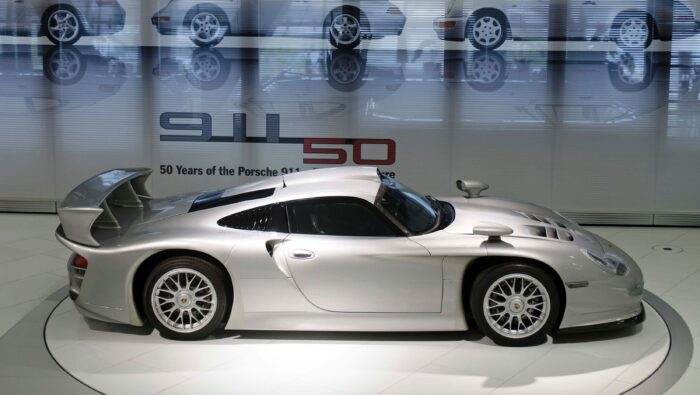
Over the years, Porsche has occasionally built something extraordinary above the 911: the 959 in 1985, the 911 GT1 in 1997, the Carrera GT in 2003, and the 918 Spyder in 2014. A total of 292 959s were produced between 1987 and 1988, while 1,270 Carrera GTs had been built by the end of production in 2006. With its V10 developed for Le Mans, the Carrera GT and the 918, with its 887-hp plug-in hybrid powertrain, were both low-volume showcases for bringing race-bred technology to the road. That technology would eventually find its way into series-production Porsches.
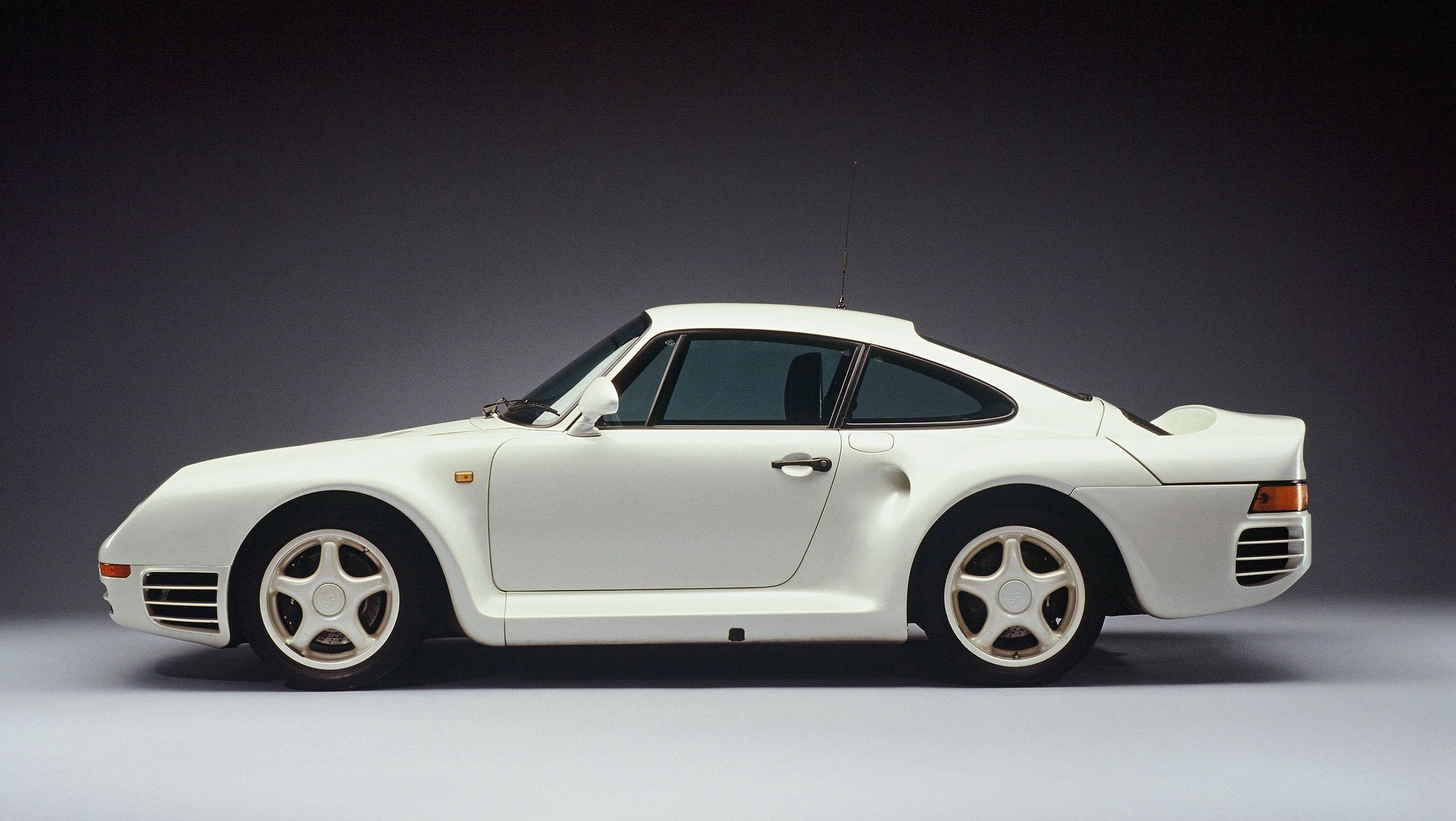
photo by Porsche Newsroom
Still, it would be too simplistic to dismiss these limited-run cars as mere collectibles. Porsche itself says the 959 was designed with everyday usability in mind. The Carrera GT, too, was tuned so that you didn’t have to be a racing driver to enjoy it. Even in these rare models, Porsche stayed true to the idea of a car meant to be driven. So if the rumored new model is a time-limited showcase of cutting-edge technology in that tradition, I’d welcome it wholeheartedly. What concerns me is the possibility of it becoming a regular model that permanently sits above the 911.
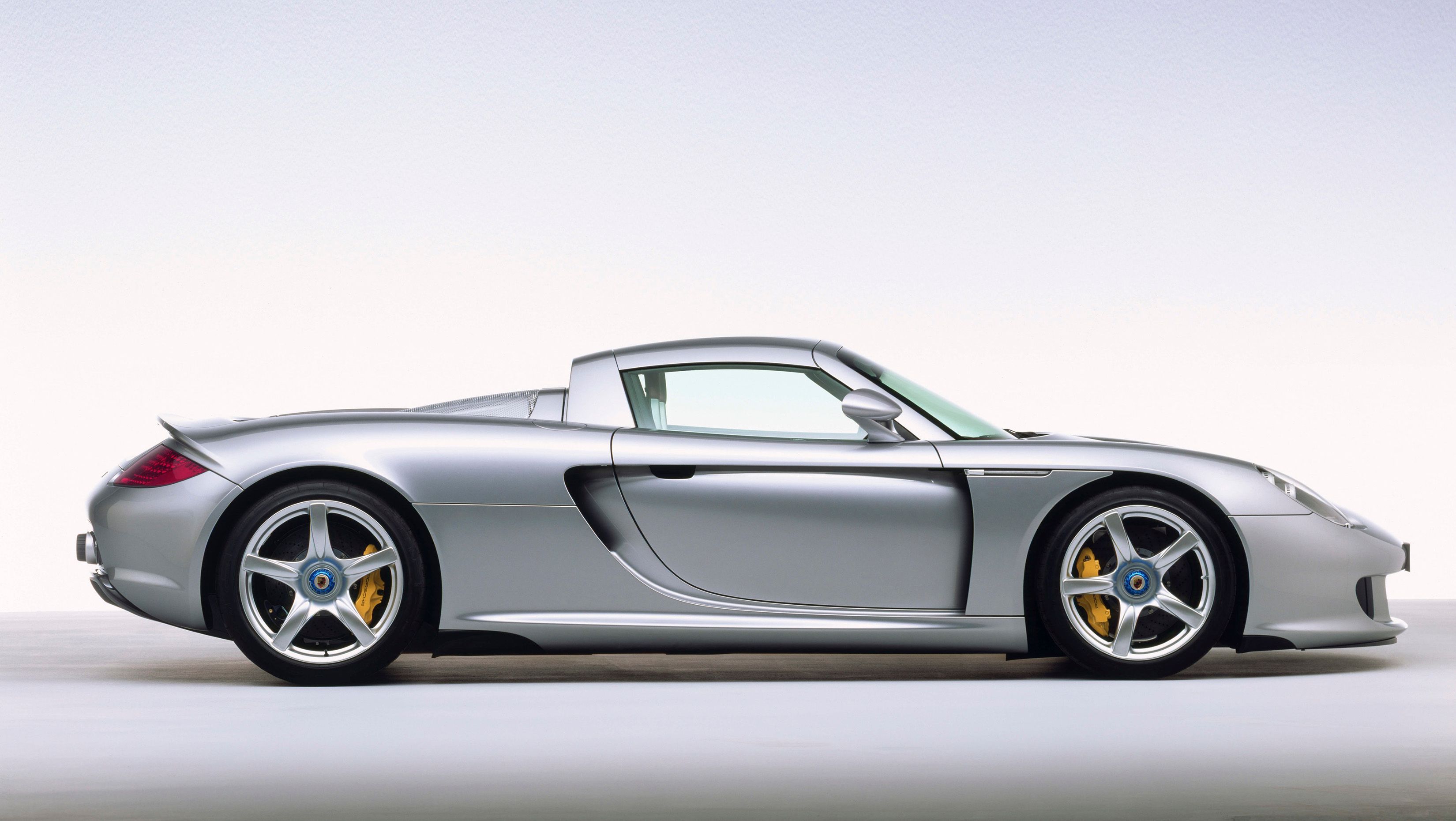
photo by Porsche Newsroom
Race on Sunday, Drive on Monday
Race on Sunday, then take the same car out on Monday.
In an earlier article, I introduced the phrase “Race on Sunday, Drive on Monday,” a motto embraced by many 356 drivers in the 1950s. It evokes a sports car you could take shopping straight after a lap of the Nürburgring. For me, that phrase captures why Porsche is about extreme performance, not extreme luxury. No matter how fast it is, a Porsche only fulfills its purpose when you drive it regularly.
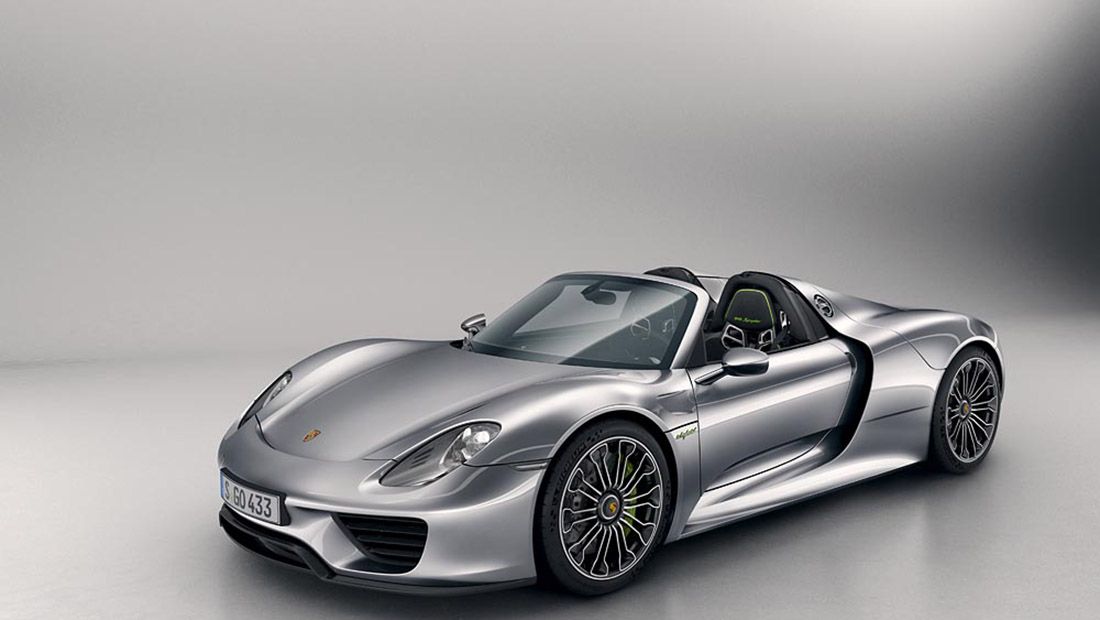
photo by Porsche Newsroom
I believe Porsche’s value lies in making extreme performance enjoyable on everyday roads, too. But if the reported price of around €500,000 is even close, the picture changes. Wouldn’t a car like that be more likely to spend its life in a garage as part of a collection, protected from stone chips and parking-lot door dings? That feels a long way from the vision of those 356 drivers.
A Small Concern About Porsche’s Focus on Shareholders
Looking at Porsche lately, I can’t help feeling a little uneasy.
The announcements of limited-edition cars keep coming, and many seem to emphasize lavish interiors and exclusive finishes more than what’s beneath the surface. I find myself wondering whether Porsche is becoming willing to do anything to improve its financial results. It can look as though the company has its eyes fixed more on shareholders than on drivers. Of course, it’s understandable that a company whose operating profit has fallen by more than 90% would try to restore its earnings. And under one of the pillars of Strategy 2035, “Brand and Customers,” Porsche has officially said it will focus even more on its sports-car DNA and the joy of driving.
Porsche has also said the 911 will use a dedicated performance hybrid system, and that there will be no fully electric 911. Those assurances are encouraging because they show a commitment to preserving the 911’s driving character. Still, building a permanent range-topper that commands a high price and staying focused on the joy of driving don’t necessarily point in the same direction. Whatever Porsche announces on October 7, I hope its new flagship will be a car people can take to the shops as well as to the track. That’s what I want for Porsche to remain Porsche.
このブログが気に入ったらフォローしてね!
Comment ( 0 )
Trackbacks are closed.
No comments yet.