

Why Isn’t the Taycan Selling? A Turbo GT Owner on the Real Problem: Collapsing Resale Values, Not Reliability
公開日:2026.10.07
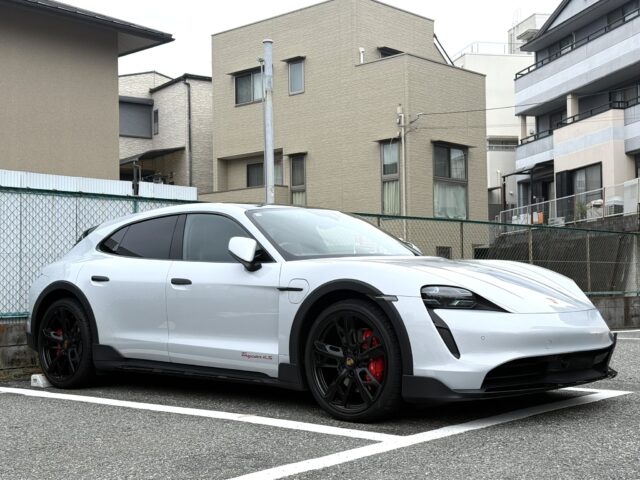

コンテンツ
Taycan Sales Slide—and the “Reliability Problems” Debate on X
The Taycan’s slowdown is becoming increasingly clear in the numbers.
On October 3, 2026, Yahoo Finance reported that Porsche was “betting on a return to gas-powered cars as EV sales and China falter.” In the first half of the year, Macan EV sales fell 40% and Taycan sales dropped 25%; only the 911 was up. HSBC also commented that Porsche had been “caught off guard by the slowdown in BEV adoption.” Porsche’s own figures show Taycan global sales declining for two straight years, falling to 16,339 in 2025. The company has attributed the drop mainly to “slower adoption of electric vehicles.”
One post on X responding to the article caught my attention.
On October 4, an overseas account wrote that the Taycan was a design masterpiece but had so many defects and problems that owners were constantly visiting dealers. As a result, the post claimed, many Porsche owners got rid of theirs—and Porsche mistakenly concluded that its customers simply didn’t want EVs. In short, the theory was that poor reliability was to blame. As a household with two Taycans, I only partly agree with this “reliability problems” explanation.
Problems With Our Two Taycans—and How the Warranty Covered Them
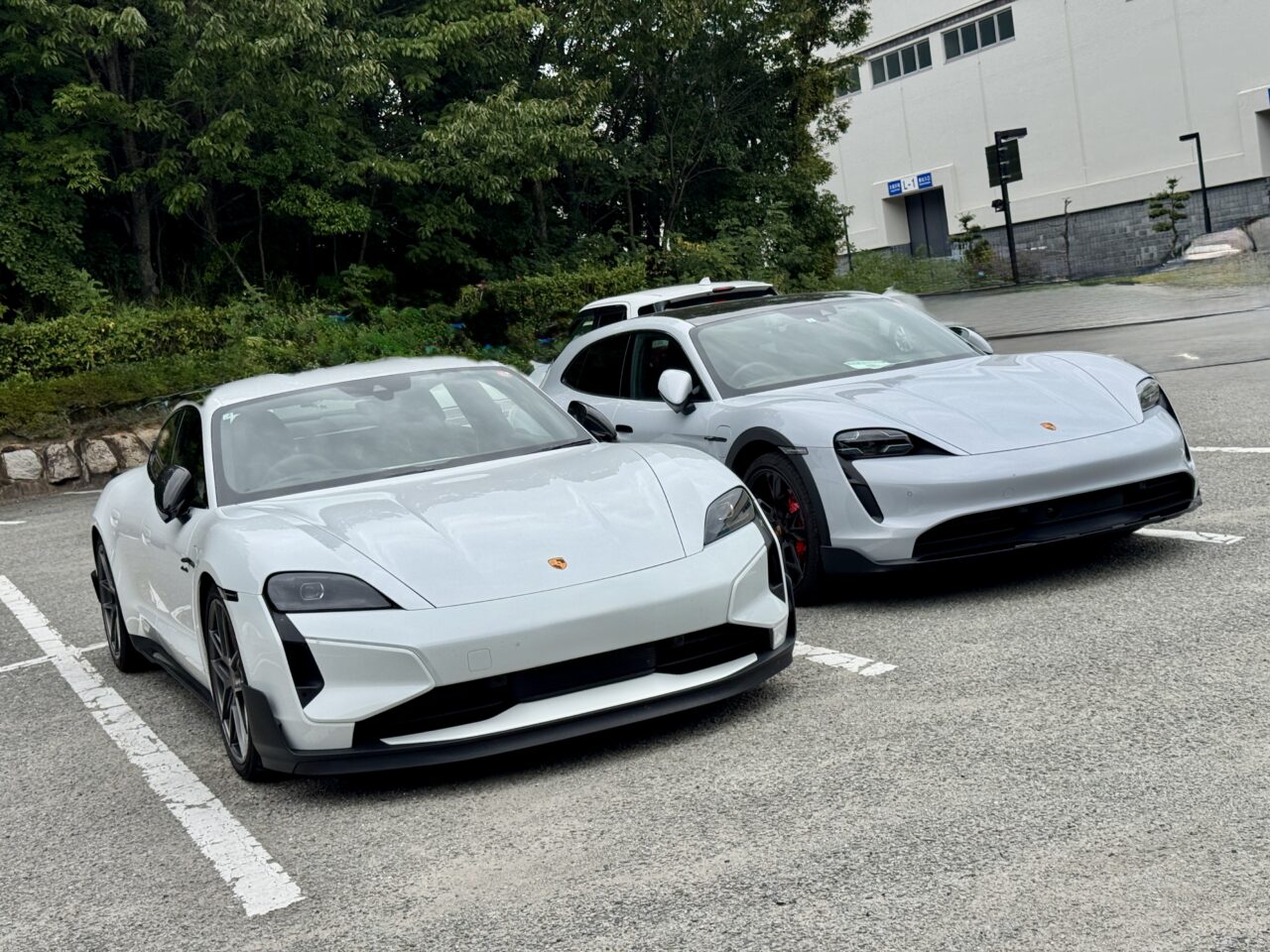
My Turbo GT and my wife’s Cross Turismo 4S
To be honest, our Taycans haven’t been trouble-free.
My Taycan Turbo GT with the Weissach Package once showed an error with the left rear suspension. I’ve also had a failure in the DC fast-charging unit. My wife’s 4S Cross Turismo has covered more than 35,000 km, and it has had failures in both the AC charging unit and the battery control module. That makes four issues between the two cars. The charging units are essential components of an EV, so having one fail and disrupt charging was certainly frustrating.
That said, all of the problems were fixed promptly under warranty. We dropped the cars off at the dealer, had them properly repaired and got them back without an unexpected bill. Just this August, we took the Taycan by ferry to Hokkaido and enjoyed a long road trip in an EV. The faults were real, but I can say without hesitation that they weren’t serious enough to make us want to sell either car.
EV Skepticism, Hesitation—and the Resale-Value Collapse
So why hasn’t the Taycan sold better?
One reason, I think, is that so many people had never driven an EV. Would the range be enough? Would charging be a hassle? Would the battery quickly degrade? Those doubts took hold before people even got behind the wheel, creating a wait-and-see mindset. Yet actually press the accelerator, and the Taycan’s smooth, forceful electric acceleration is a revelation. The problem was that few people took that first step.
But I suspect another factor gets closer to the heart of the issue. It’s long been said that, at the dealership level, some buyers were encouraged to purchase a Taycan to build a track record for buying a GT3 or a limited-edition Porsche. The result was that Taycans ended up with people who didn’t really want or need them. When those owners moved them on quickly, more cars flooded the used market and prices fell. Resale values became so poor that buyers stopped choosing new Taycans.
According to US used-car market data from iSeeCars, the Taycan loses around 55% of its value over five years, leaving it worth about 45% of its original price. And in October, Porsche— a brand not usually associated with discounting—was offering an average real-world discount of $3,600 on the Macan EV, plus incentives worth up to $4,500. That’s not a discount on the Taycan itself, but it points to a broader shift: Porsche is starting to rely on incentives to sell EVs, which could put further downward pressure on used values.
Why Taycan Owners Love the Drive—and Who Should Consider a Used One
That’s exactly why I think it’s such a shame.
Porsche fans who set aside their EV preconceptions and give the Taycan a proper drive rate it very highly. Among the enthusiasts I know, its driving dynamics earn exceptional praise. The battery pack under the floor lowers the center of gravity, while the motors front and rear distribute torque instantly, helping the nose tuck neatly into a corner. On a mountain road, I find my Turbo GT with the Weissach Package more agile than even a GT3. Having owned a 991.2 GT3 Touring and a 718 Spyder RS, I don’t think that’s an overstatement.
A used Taycan makes sense for someone who wants to enjoy the driving experience without worrying about resale value. There’s an irony in the fact that the depreciation borne by new-car buyers has made Porsche EV performance more accessible.
If you can charge at home and choose a car that still has warranty coverage, there’s no need to be overly concerned about the possibility of a fault. I hope Porsche finds a better way to put Taycans in the hands of people who genuinely want them. It’s a car you have to drive to understand—and I hope the day comes when it gets the recognition it deserves.

このブログが気に入ったらフォローしてね!
Comment ( 0 )
Trackbacks are closed.
No comments yet.