

Panamera Sales Are Up 200% in the U.S.—So Why Does It Sell Less Well in Japan?
公開日:2018.04.17

Porsche’s Most Successful Quarter Ever
On April 13, Porsche announced its results for the first quarter of 2018. The company sold around 63,500 vehicles worldwide, up 6% year over year, making it the most successful quarter in Porsche’s history. In Europe, sales topped 20,600, an 8% increase over the previous year. Porsche sold more than 7,700 vehicles in Germany, also up 8%. In China, sales reached 18,600, 3% above the previous year.
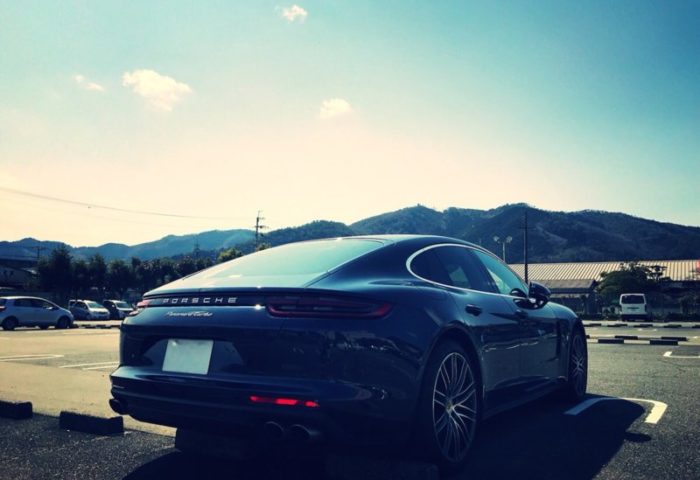
The Macan was the best-selling model, with more than 23,000 sold worldwide. Sales of the Panamera and 911 were strong, too. In the U.S., Panamera sales in 2017 were up 200% year over year.
A 200% increase is huge! As for the 911, more than 9,600 were sold in the quarter, up 35% year over year.
*Source: Porsche’s Most Successful Quarter Ever: 63,478 New Vehicles Sold from January to March
What About Japan?
That got me wondering. Porsche’s overall sales were clearly strong—but what were its sales like in Japan?
How did Porsche do in the Japanese market?
I expected Japan to have had a strong quarter, too, given that it was “the most successful quarter in Porsche’s history.” But I couldn’t find any mention of Japan in the article. The closest thing was a regional breakdown of new-vehicle sales:
Porsche AG: New-Vehicle Sales, January–March 2018
・Worldwide: 63,478 (up 6% year over year)
・Europe: 20,601 (up 8% year over year)
・China: 18,672 (up 3% year over year)
・U.S.: 13,954 (up 10% year over year)
・Germany: 7,724 (up 8% year over year)
・Asia-Pacific, Africa, and the Middle East: 26,279 (up 3% year over year)
Japan is lumped together in “Asia-Pacific, Africa, and the Middle East.”
That’s a pretty huge region to lump together.
My husband often grumbles, “They sell that model in Europe, but it never makes it to Japan,” or “Porsche headquarters doesn’t put much effort into the Japanese market.” Seeing Japan grouped into such a broad region made those complaints feel all too real.
How Is Porsche Japan Performing?
That regional breakdown doesn’t tell us much about Japan specifically, so I looked into Porsche Japan’s performance.
Porsche Japan celebrated its 20th anniversary in January 2018. It started out handling just two models—the 911 (Type 996) and Boxster (Type 986)—before adding the Cayenne, Panamera, and Macan. In fiscal 2017, it sold around 7,000 vehicles (one article reported 7,322 sales in 2016). That’s 4.5 times the 1,487 vehicles sold when the company was first established.
In Japan, two-door sports cars such as the 911 and Boxster account for 40% of Porsche’s total sales—a world-leading share. The Macan, meanwhile, makes up 30% of new-vehicle sales and is a key driver of the business.
*Source: Porsche Japan Celebrates Its 20th Anniversary This Year!
Selling around 7,000 vehicles—4.5 times the original figure—in just 20 years sounds impressive. But compared with the 28,317 new vehicles sold in Germany in 2017, Japan’s numbers may still be seen as modest.
Why Doesn’t the Panamera Sell as Well in Japan as It Does Overseas?
Some reports say that “sales of the new Panamera are strong in Japan,” but they don’t give actual sales figures or say what share of Porsche’s total sales it represents. That led me to wonder whether its performance is still relatively modest. With that in mind, I started thinking about why the Panamera sells so well in the U.S. and Europe, but not to the same extent in Japan.
① Japan Has a Lot of 911 Fans
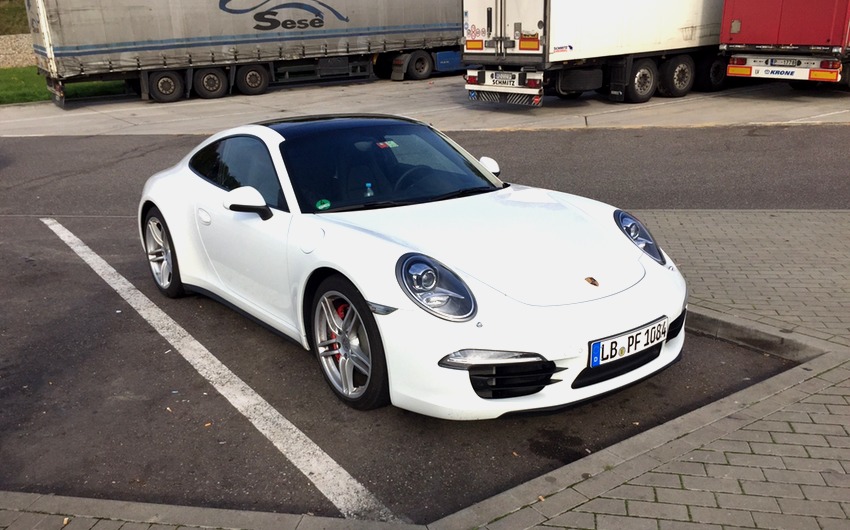
You often hear that Japan has plenty of fans who think, “Porsche means the 911!” One article notes that two-door sports cars such as the 911 and Boxster account for 40% of Porsche’s total sales in Japan, one of the highest shares in the world. Some of those fans may see the Panamera—a luxury sedan from Porsche—as a departure from what the brand should be.
② Not Everyone Sees the Panamera as a Sports Car
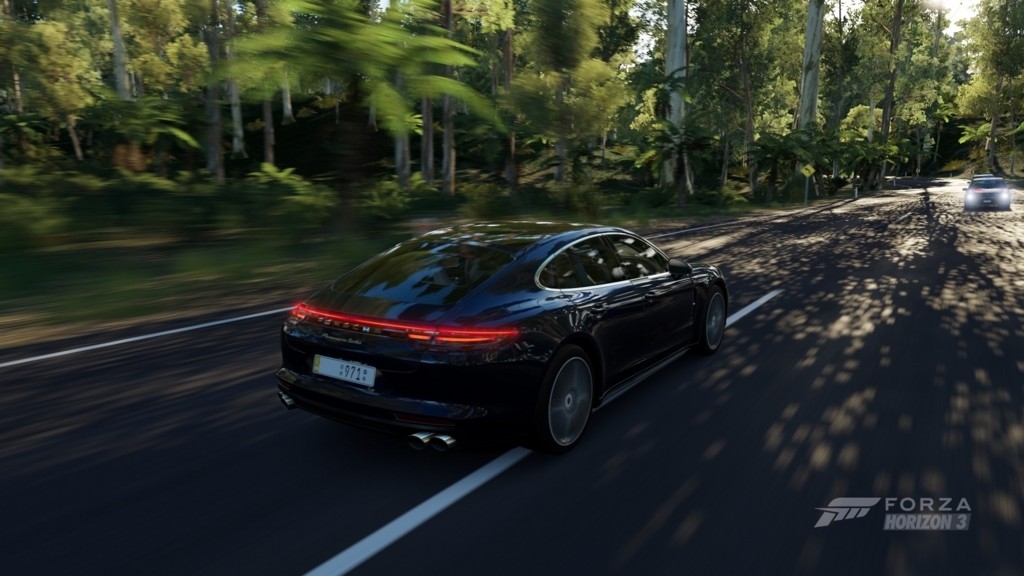
The Panamera is often compared with the BMW 7 Series and Mercedes-Benz S-Class, but I see it as something entirely different. It isn’t a luxury sedan with a sporty touch; at its core, it’s a sports car.
Goro Okazaki has made this point, too, and it’s also covered in this article.
The Panamera is a sports car—almost like a 911 scaled up. It’s a sports car that lets four people travel in comfort while still enjoying the drive. I don’t think that message has fully reached the wider public yet.
③ SUVs and Minivans Are Popular in Japan
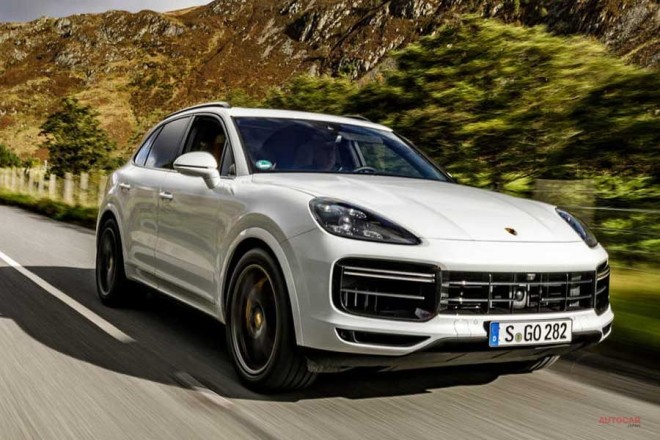
Japan has plenty of SUVs and minivans that can carry lots of luggage and seat five or more. I hardly saw any minivans when I visited Germany. There also seems to be a lingering image that minivans and SUVs are for younger people, while sedans are for older men… (-_-).
The same goes for Porsche: around town, I see far more Cayennes and Macans than Panameras. You can point out that the Panamera has plenty of cargo space and a roomy rear seat, but perhaps the fact that it’s a four-seater still puts some buyers off.
④ It’s a Big Car
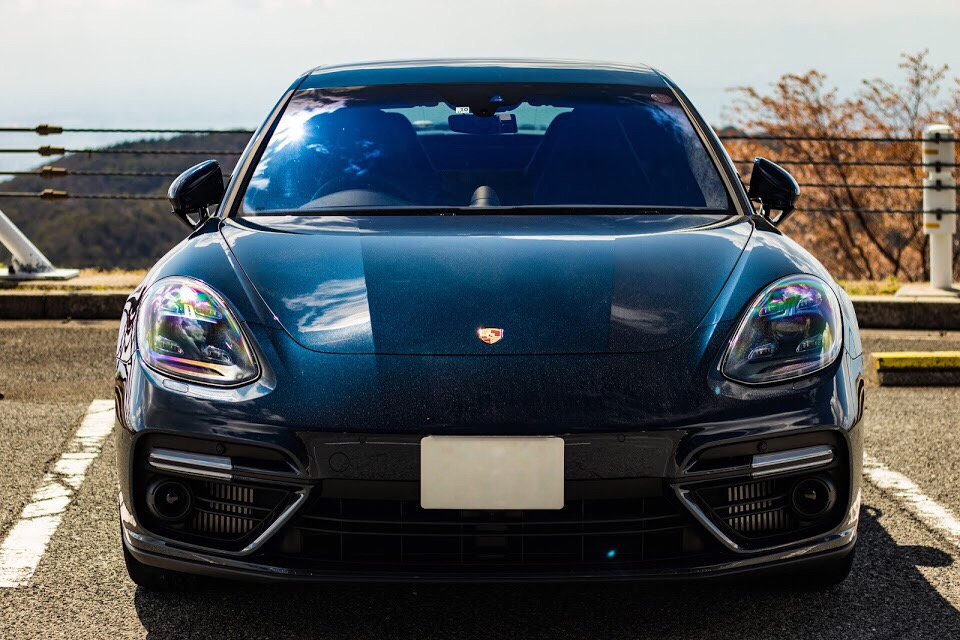
The Panamera is genuinely large. Japanese roads are narrow, parking spaces are tight, and many homes and apartment buildings have parking spaces less than 1,900 mm wide. For everyday use, the Panamera may simply feel too big. That’s understandable.
Drive a Panamera Once, and You’ll Understand
I could go on and on, but I’m not sure words alone can get the point across. If you’re even a little curious about the Panamera, I’d recommend taking one for a test drive. It could completely change the way you think about luxury sedans.
That said, emissions regulations and other factors are reshaping the market, and Tesla is reportedly growing its sales in Germany at a pace that could leave the Panamera behind (I wonder if Porsche is also stepping up its work on plug-in hybrids and Mission E). These days, I’m thinking I’d like to test-drive a Tesla soon, too, and see how it compares with the Panamera.
このブログが気に入ったらフォローしてね!
Comment ( 0 )
Trackbacks are closed.
No comments yet.