

Test-Driving the Porsche 911 GTS (991.2): How It Differs from the 991.1 GTS and What the Standard PASM Chassis Is Like
公開日:

The Popular Porsche 911 (991)
The Porsche 911 (991) has been growing steadily in popularity. It’s one of the 911 generations with a major difference between its early and later models: the 991.1 has a naturally aspirated engine, while the 991.2 is turbocharged.
I recently had the chance to drive a 991.2 GTS. In fact, I once borrowed a 991.2 GTS for about a week, and my wife and I shared our impressions on the blog. Those posts may also be helpful:
This time, I’ll focus on how it compares with my 991.1 GTS, including the difference in suspension setup from the car I drove previously.
The Porsche 911 GTS (991.2)
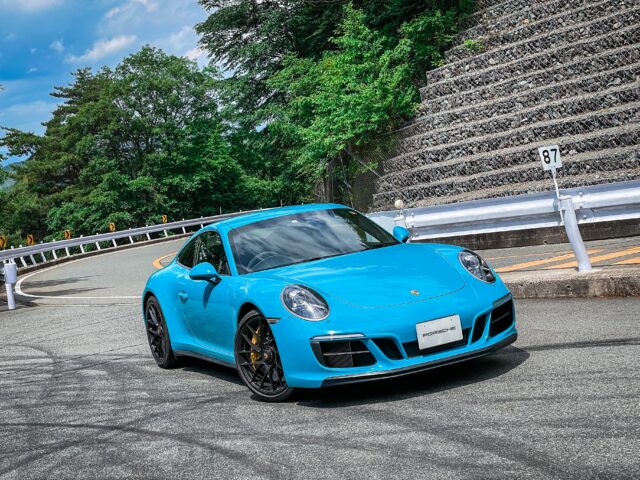
The car I got to drive this time was a 911 Carrera GTS finished in a stunning shade of Miami Blue.
The exterior details—including the badging and the slats on the rear engine-lid air intakes—were painted to match in Miami Blue. It also had PCCB brakes, while the cabin featured the white stitching from the GTS Interior Package.
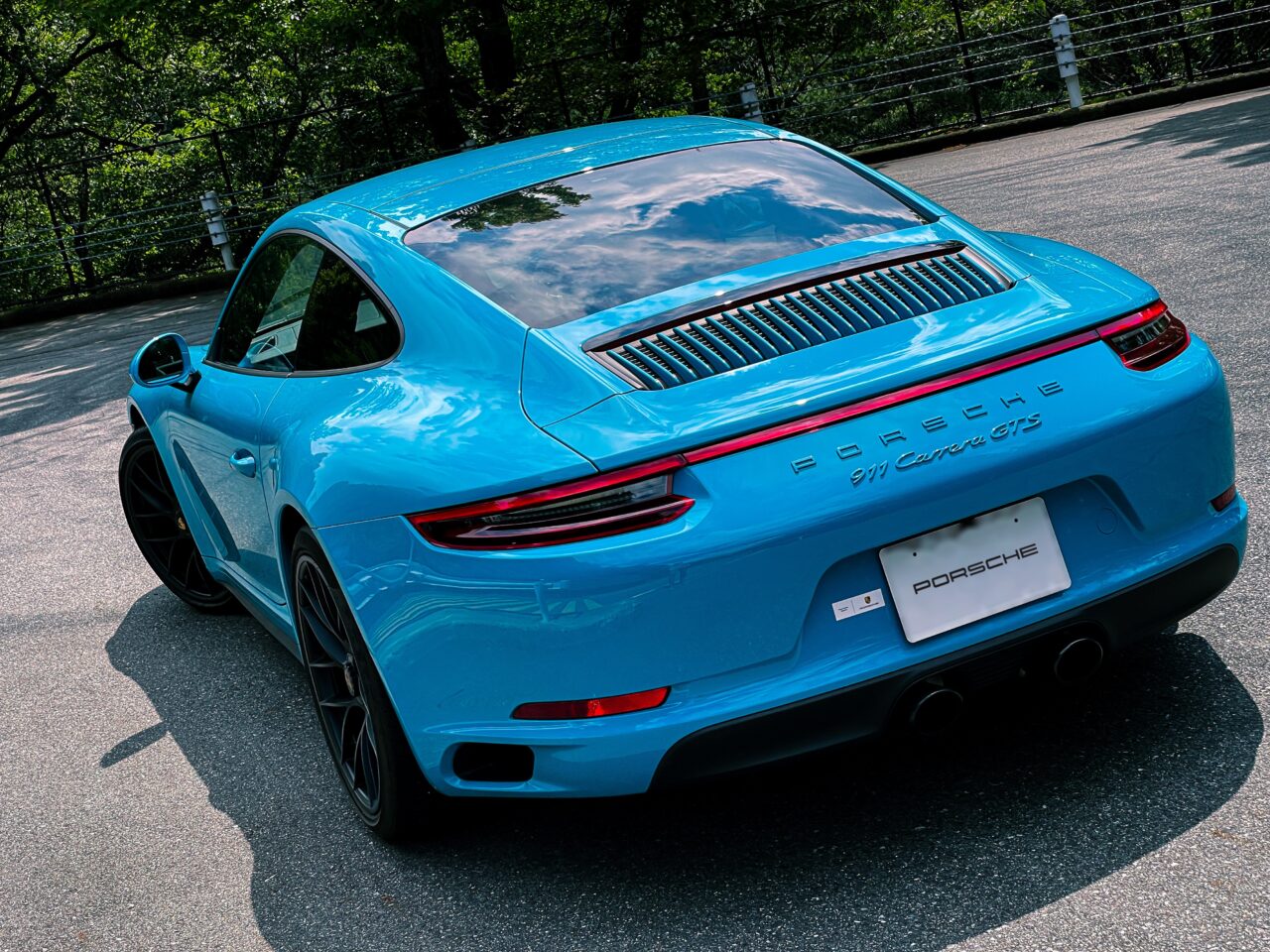
It’s a rear-engined, rear-wheel-drive Carrera GTS, but it has the center trim piece exclusive to the Carrera 4 models fitted as an aftermarket addition. It looks fantastic.
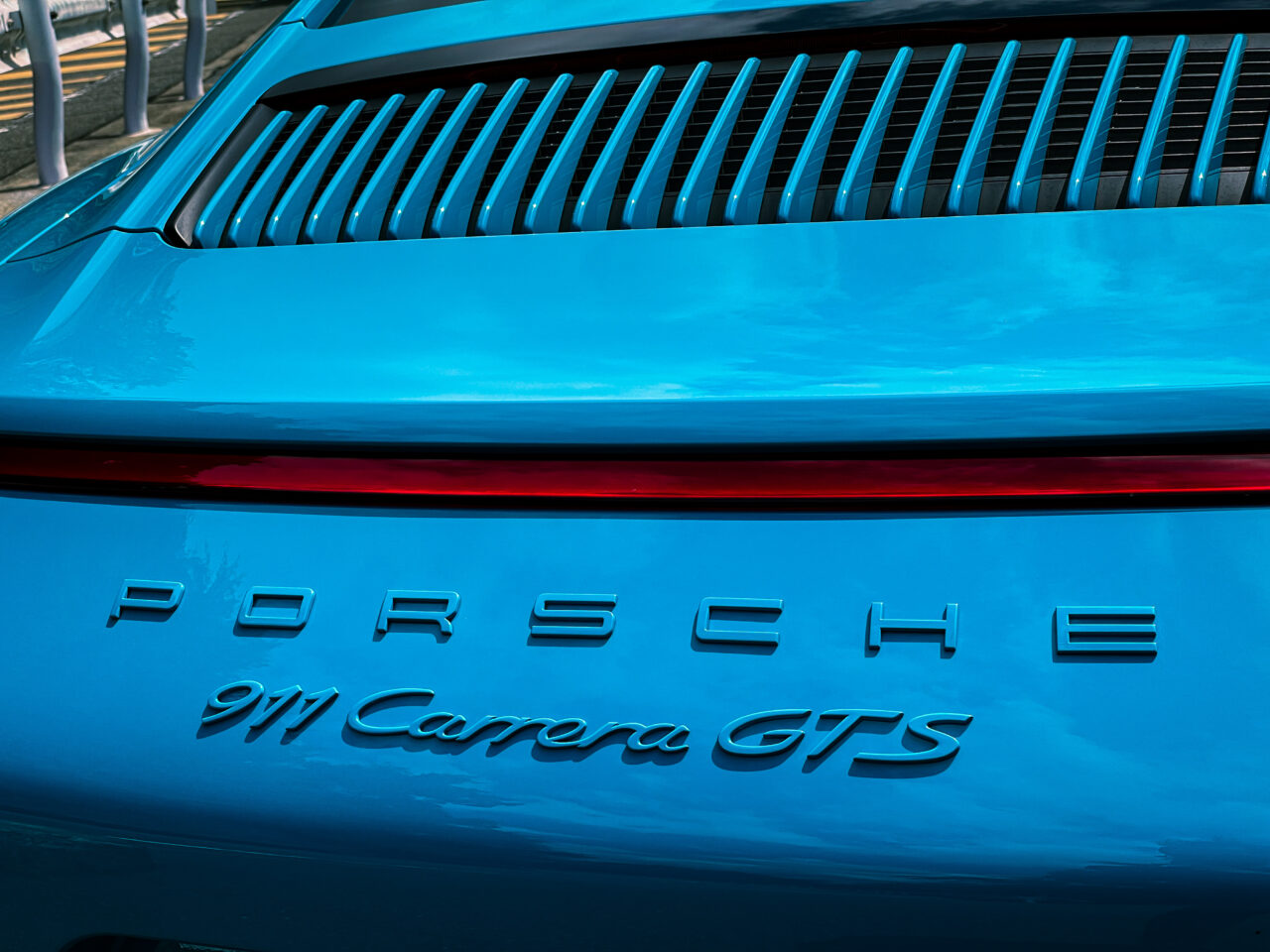
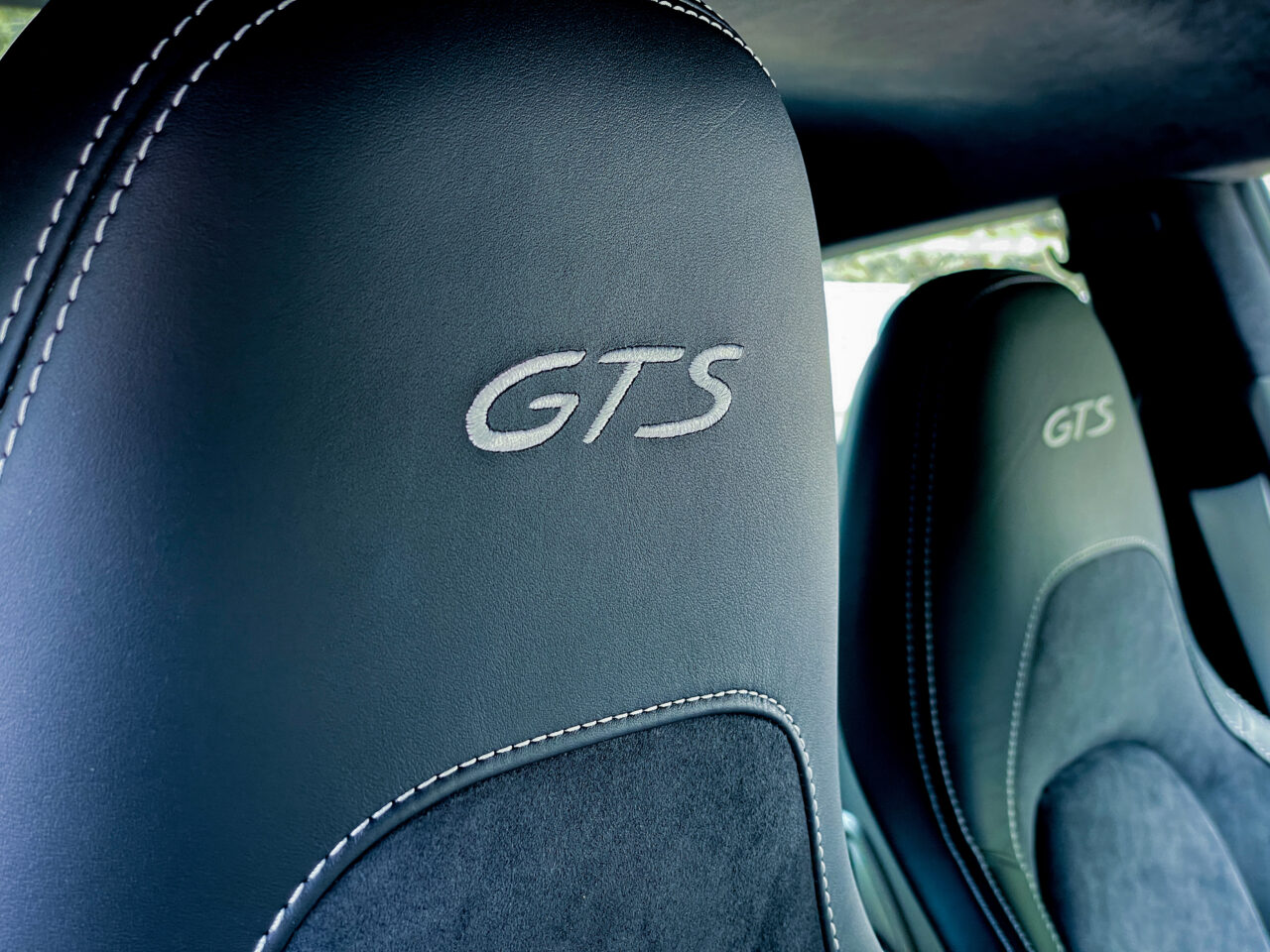
I like that the owner opted not to have red stitching. It keeps the cabin accents in balance with the yellow PCCB brake calipers.
One detail worth calling out: despite being a GTS, this car has the standard PASM chassis. From the 991.2 onward, the GTS Coupe came standard with the PASM Sport Chassis, which lowers the car by about 10 mm. Most buyers choose the sport chassis for its lower stance, but this particular car has standard PASM.
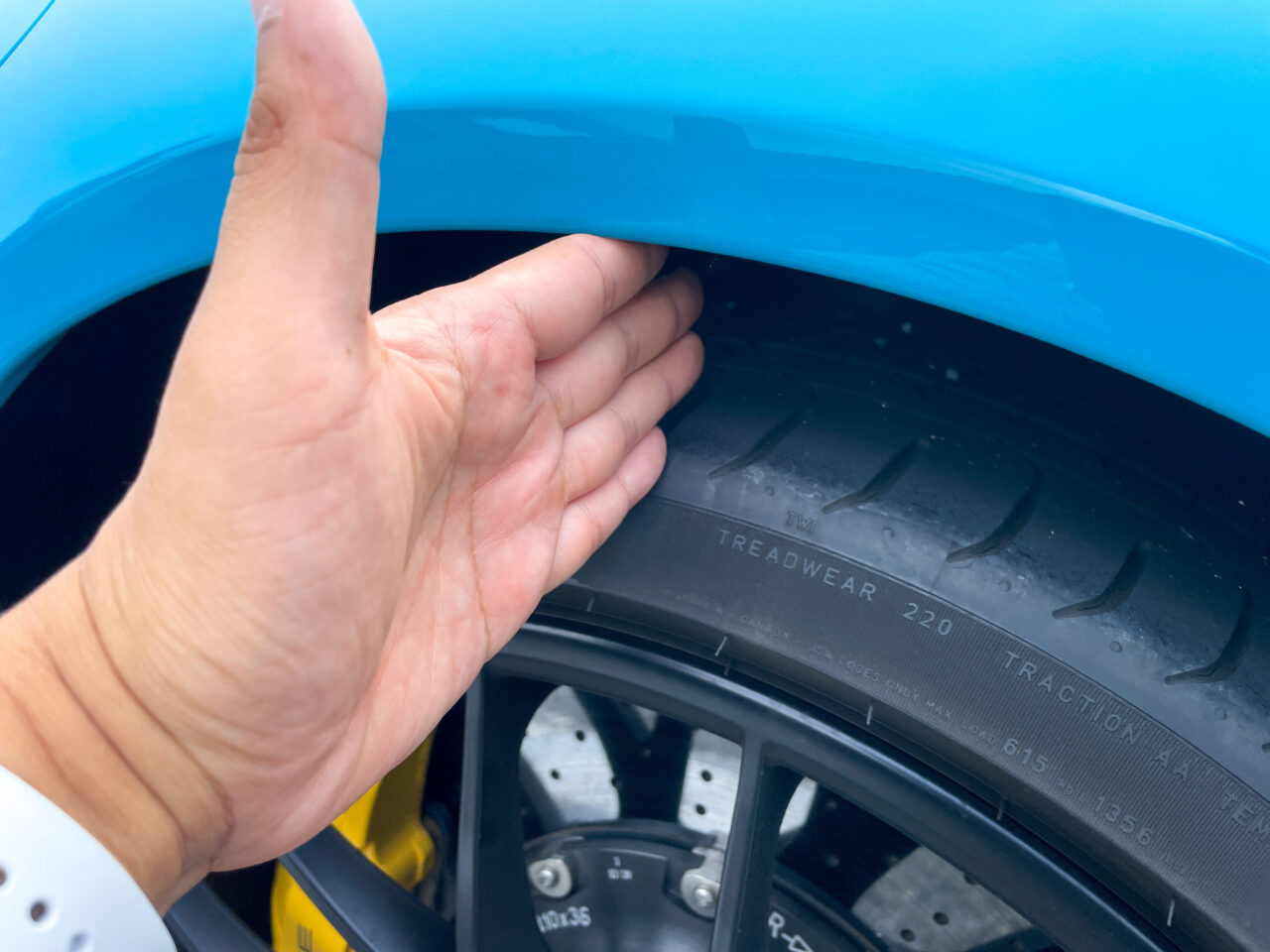
The standard PASM chassis on the 991.2.
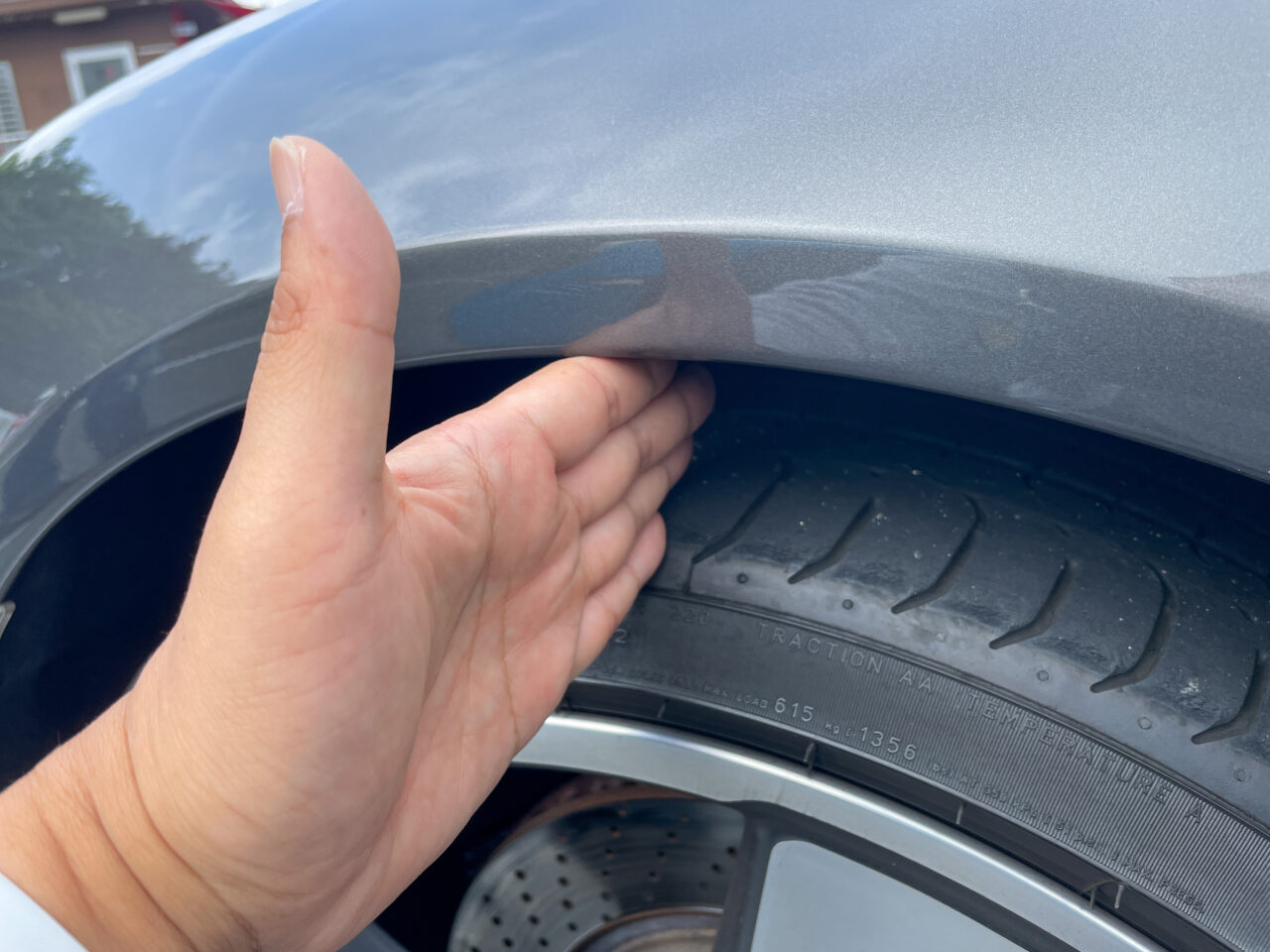
Ground clearance on my 991.1, which came standard with the regular PASM chassis.
So its ride height is almost the same as my 991.1 GTS. There’s room for just over three fingers between the front tire and the wheel arch.
The 991.2 GTS I reviewed previously had the standard PASM Sport Chassis, which made for a fairly firm ride. My wife, who was pregnant at the time, wasn’t especially keen on it.
I remember thinking that if you wanted a ride that firm, you might as well go all in and get a GT3.
Same GTS, Different Character
The engine fires up with its familiar, booming bark. The startup and idle seem a little louder on the 991.2 than on the 991.1.
I ease onto the throttle and pull away. The first difference I notice is the PDK calibration.
The owner had noticed it too when comparing the car with my 991.1: the 991.2 seems to creep more strongly, as if the clutch engages at lower revs.
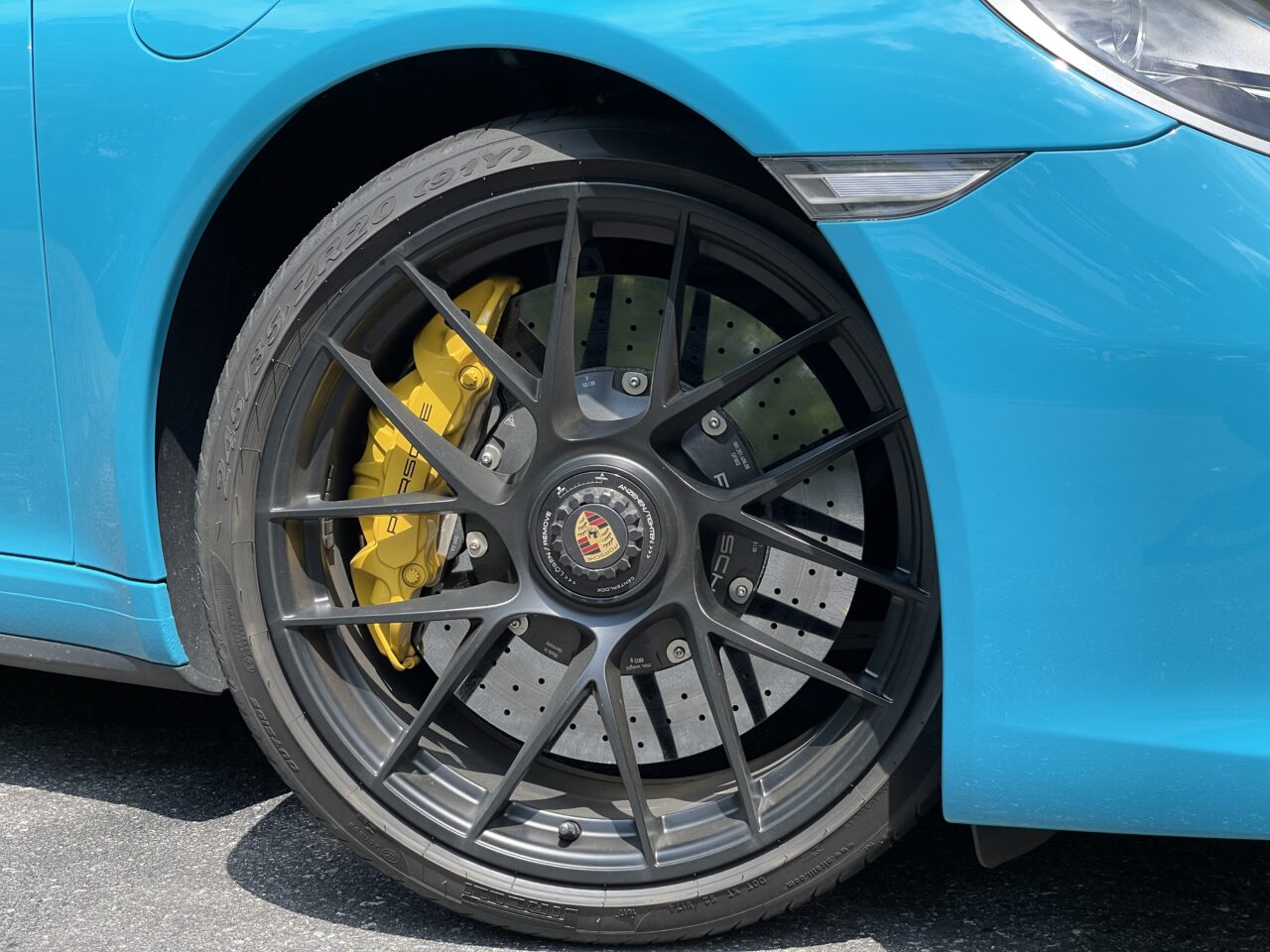
The 991.1 feels as though the clutch engages after the revs rise ever so slightly, while the 991.2 seems eager to move forward almost immediately.
I feed in more throttle and build speed. The ride is noticeably more comfortable. It’s clearly different from the PASM Sport Chassis in the car I drove before.
The tires feel softer over bumps, giving the car a more refined feel. On smooth pavement, the ride is excellent. Compared with the standard PASM in my 991.1, it feels quite similar but even more polished, as if it takes the edge off unnecessary vibrations and impacts from the road.
Of course, on rough pavement you still feel the characteristic firmness of a 911, but it’s less unsettled than the sport chassis over broken surfaces.
If you plan to drive on track, I’d definitely recommend the PASM Sport Chassis. But for a GTS—short for “Grand Touring Sport”—the standard PASM setup seems better suited to the car’s character.
Engine Differences
The 991.2’s 3.0-liter turbocharged engine produces 450 PS, around 20 PS more than the 991.1 GTS. But from behind the wheel, the difference feels even greater.
It’s especially noticeable when the tachometer needle is on the left half of the dial. Accelerating from low speeds in second gear, for example, really brings out the contrast. The 991.2 delivers a strong surge of acceleration right from the start, while the 991.1 doesn’t feel quite as forceful.
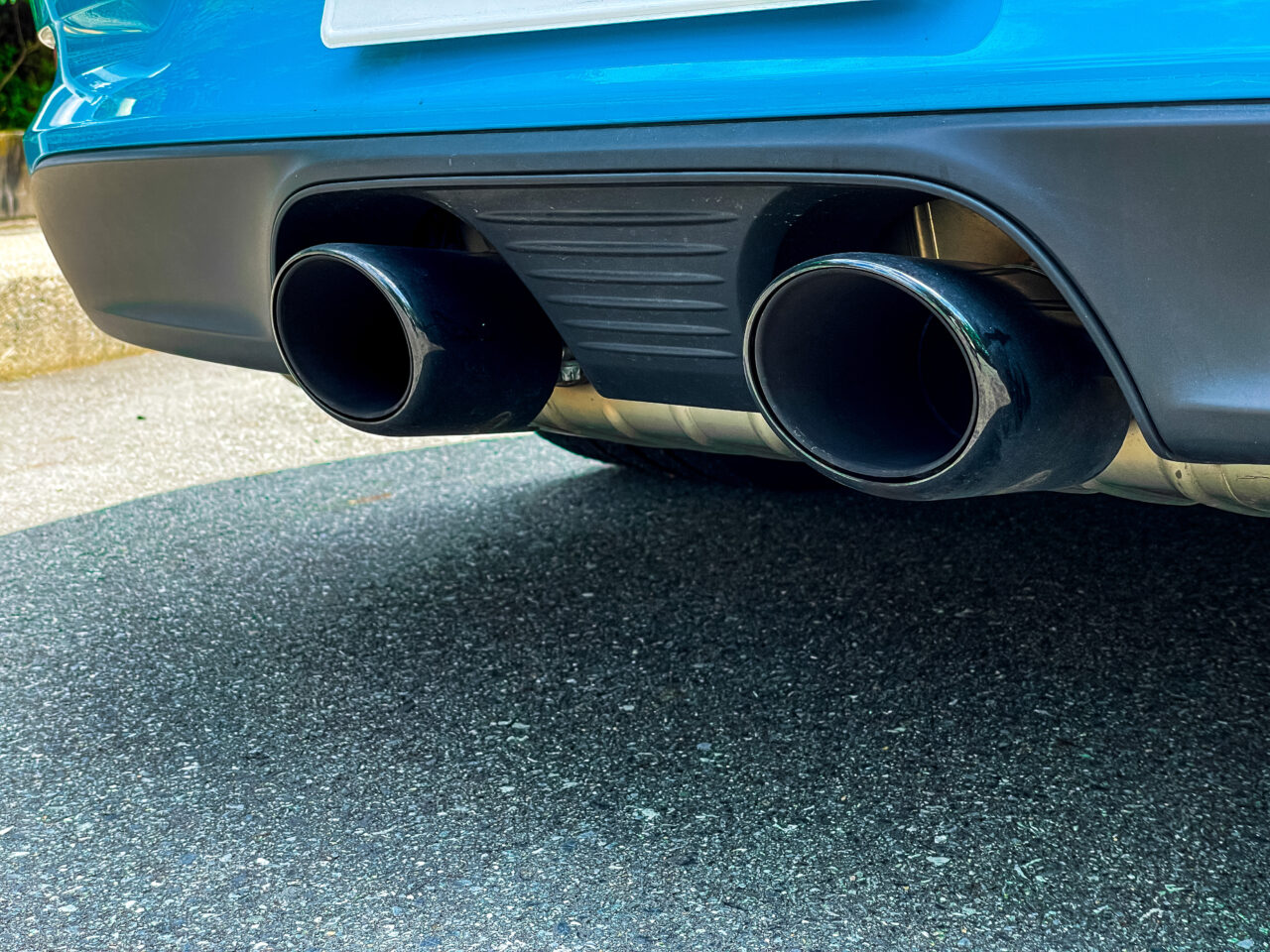
The 991.2’s sport exhaust has twin center-mounted outlets.
The engine feels terrific. Turbo lag is minimal, and the torque builds without a sudden, abrupt surge, so it can almost feel like a large-displacement naturally aspirated engine.
In character, it’s closer to the Carrera engine in the 992. It feels quite different from the engine in the 991.2 S.
Because the torque delivery is so smooth, the car feels composed on Japan’s winding roads, even when you’re modulating the throttle on and off. The engine’s torque is substantial, of course, so there are times when it’s not practical to rev it out the way you might a naturally aspirated engine. Still, the engine rarely feels stressful to drive.
The engine isn’t quiet by any means. It delivers the kind of volume you’d expect from a GTS and gets you in the mood to drive. Compared with the 991.2, I think the 991.1 has more sound pressure and a more pronounced rise in pitch, but I doubt most owners would be disappointed with the 991.2’s engine note.
Compared with the 992’s engine, it has less mechanical noise and a cleaner sound. You could think of its sound as sitting somewhere between the 991.1 and the 992.
PDK Differences
After driving my 991.1, the owner remarked, “The PDK feels different.”
They’re right: the PDK is calibrated differently. As mentioned earlier, the cars behave differently when pulling away, but the shift speed is an even bigger difference. You can see it clearly in the tachometer: the needle drops at a different speed during upshifts.
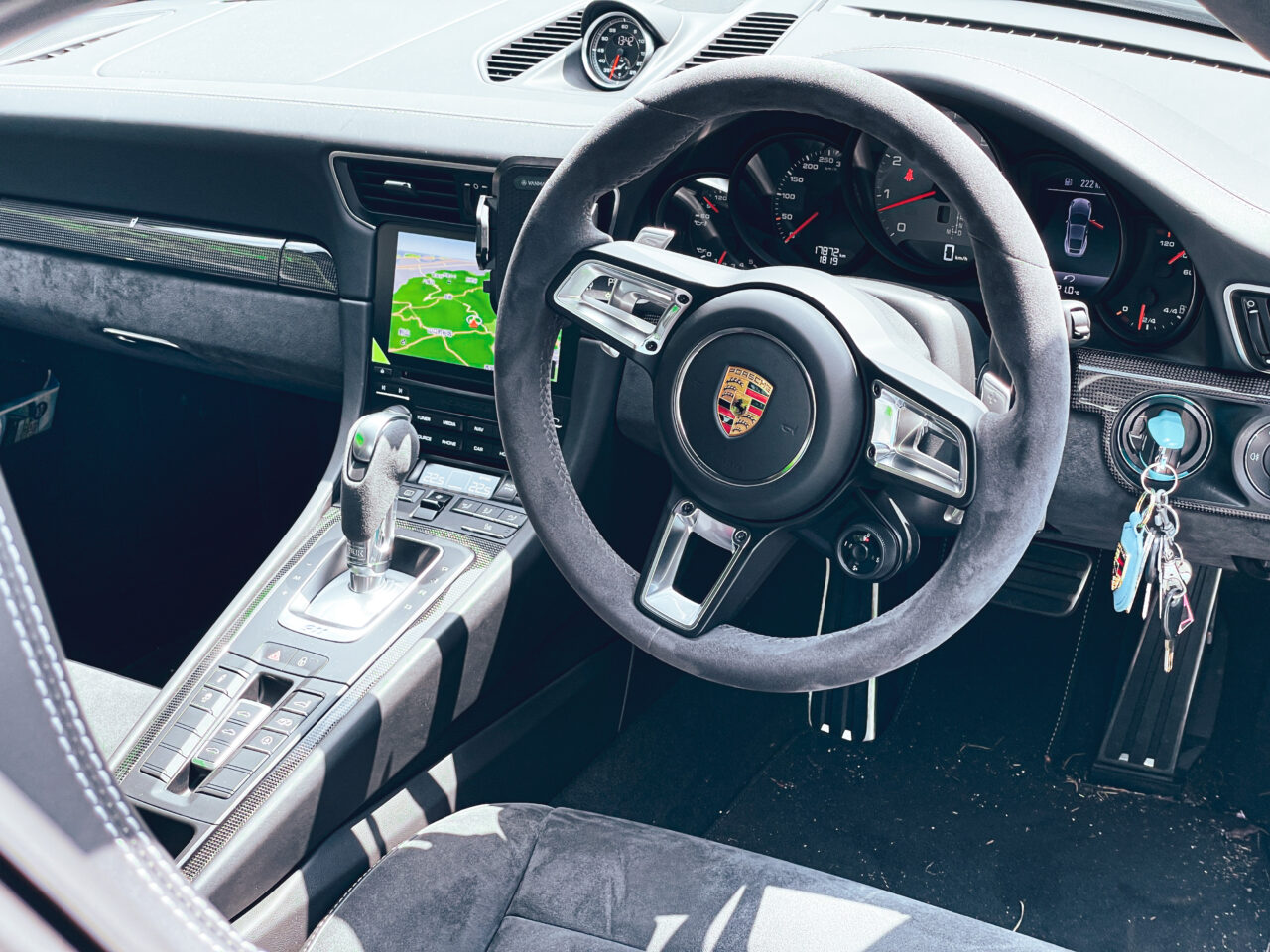
On the 991.2, the tach needle drops with a quick, crisp flick at each shift. The 991.1 is by no means slow, but the difference is unmistakable.
The owner said they’d like the PDK to shift “a little more gently.” There’s no particular shift shock, but even in everyday city driving, it can feel “like it doesn’t need to shift quite so quickly.” They’d prefer a slightly more relaxed shift in normal driving.
Handling Differences
The handling feels more polished and planted than the 991.1. However, the change is more subtle than the step from the 981 Cayman and Boxster to the 718 (982), which arrived around the same time.
Rather than feeling like a completely different car, it’s a natural evolution: the handling feels more precise, and the car as a whole seems more stable.
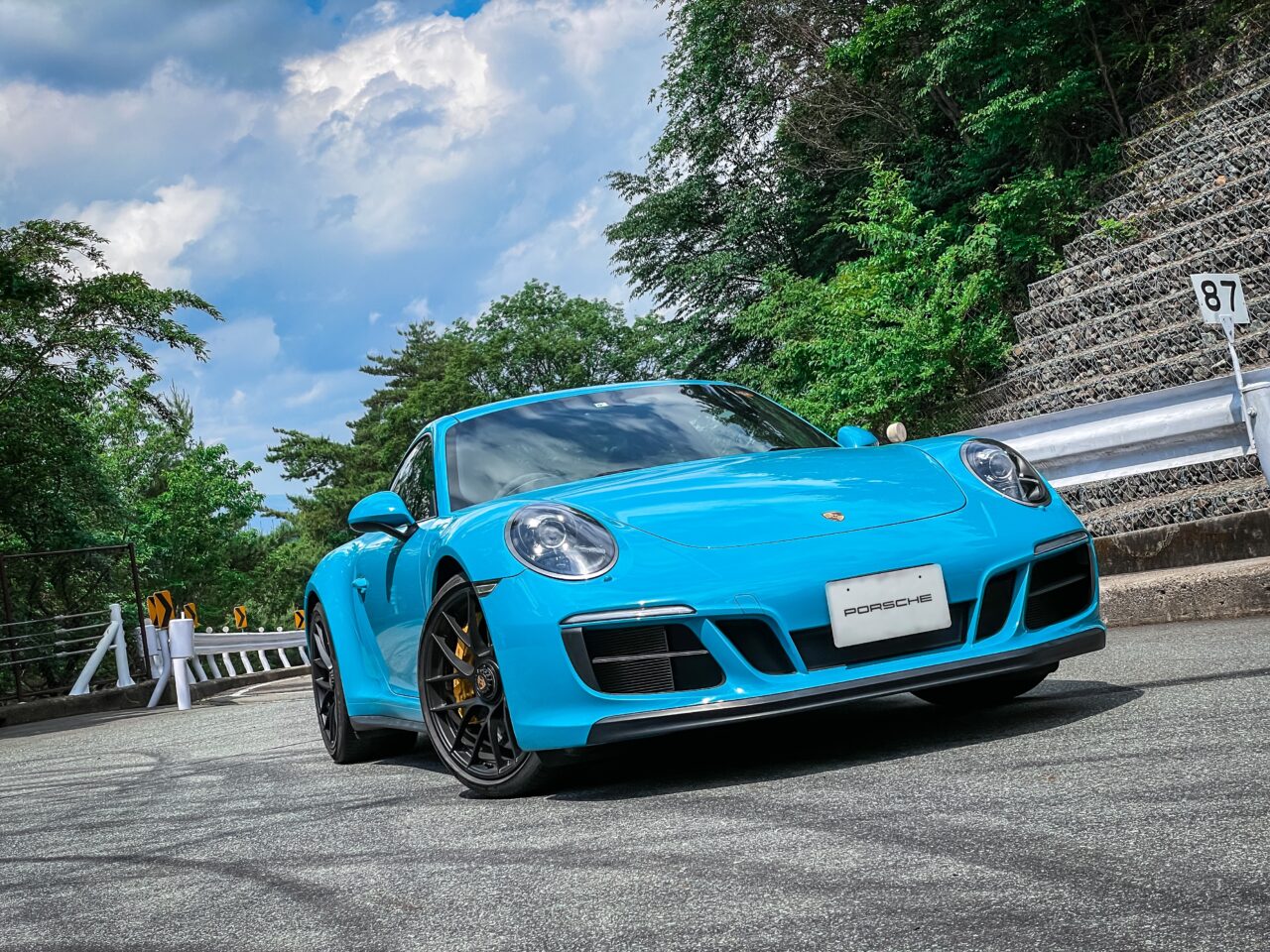
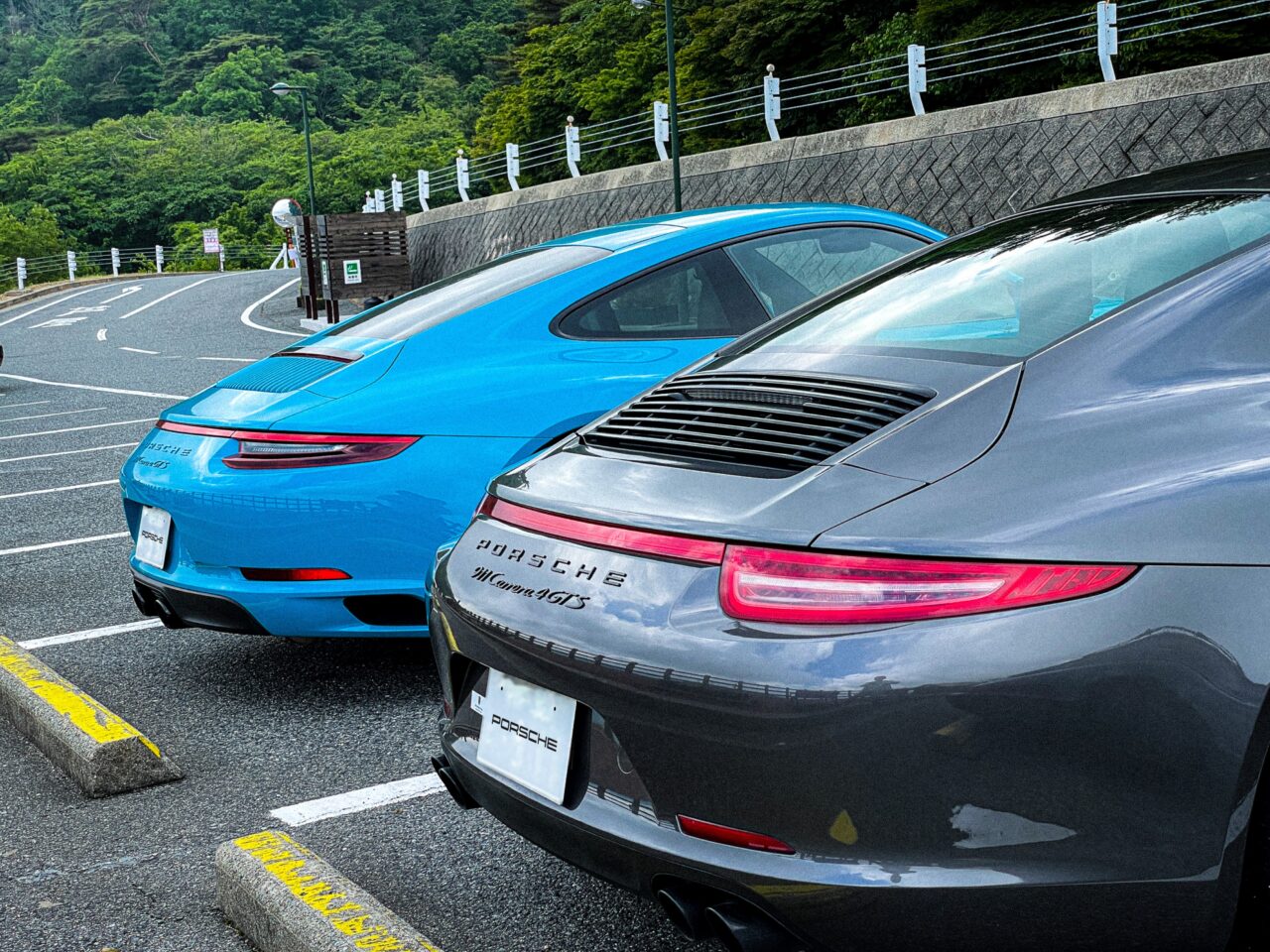
That said, it’s a rear-wheel-drive car with a powerful turbo engine. If I attack my usual uphill bends as I would in my 991.1 Carrera 4 GTS, the extra torque can make the front end feel a little light. In a few spots, I find myself consciously easing off the throttle to keep weight on the front tires.
I think the difference between rear-wheel drive and all-wheel drive matters more here than the difference between the 991.1 and 991.2. Even so, I didn’t notice this to the same extent in the rear-wheel-drive 991.1.
For what it’s worth, I don’t feel that lack of front-end load when driving my 992, a rear-wheel-drive Cabriolet, in the same way. The 992’s chassis and control systems may simply be that good.
Porsche 911 (991.1) or (991.2)?
This is probably a question many buyers wrestle with. In terms of overall performance, the 991.2 is clearly superior.
Many people will also find the 991.2’s sharper rear-end design more attractive. The two generations look quite similar at first glance, but there are plenty of differences when you compare them closely.
Then there’s the engine: turbocharged or naturally aspirated? I prioritized that difference and deliberately bought a 991.1, not because I thought it was better on paper, but simply because I love the feel of a naturally aspirated engine.
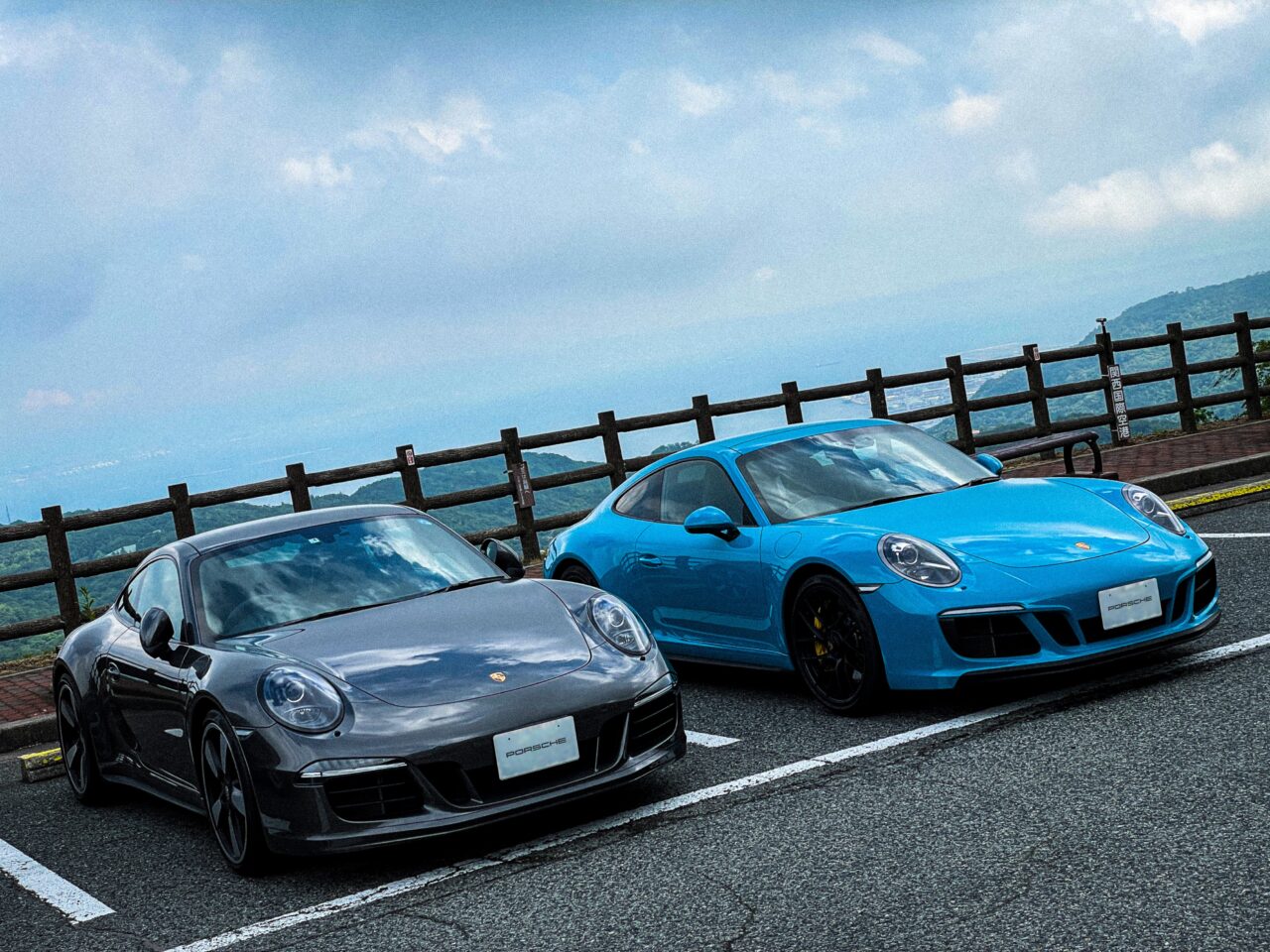
There’s no single right answer. Think about which matters most to you—performance, design, or how the engine feels—and what kind of character you’re looking for.
Even if you chose the one that wasn’t quite right for you, I doubt you’d regret buying either of these cars. Both are exceptionally rewarding 911s to own.
このブログが気に入ったらフォローしてね!
Comment ( 0 )
Trackbacks are closed.
No comments yet.