

Suzuki Swift Sport ZC33S Review: How Does a Porsche Owner Find It?
公開日:
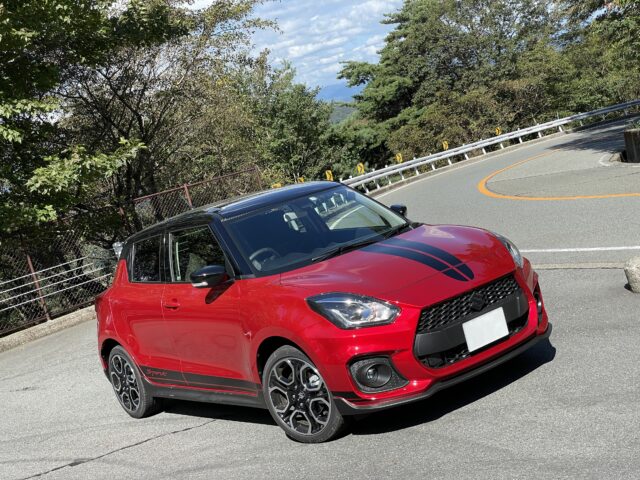

It’s been nearly two months since the Suzuki Swift Sport joined our family. We recently fitted lowering springs, but before making any modifications, I asked my husband to share his impressions of the car in completely stock condition. Here’s what he had to say.
Suzuki Swift Sport ZC33S Review: The Stock Car
Suzuki doesn’t appear to prescribe an official break-in procedure, but the 1,000-km first inspection and oil change are behind us, and the engine has more or less finished breaking in.
We’ve also got used to the car, and our controls are becoming more natural.
Looking back, the engine felt a little tight just after delivery. Now it feels much more free-revving, downshifts come with crisp, satisfying blips, and the suspension seems to have loosened up a bit, too.
Around Town
Let’s start with my first impressions behind the wheel.
For a car that costs a little over ¥2 million, the Swift Sport feels impressively solid. It lacks the soft, vague feel and sense of fragility you often find in Japanese compact cars in the same class.
The shifter clicks neatly into gear with just the right amount of resistance. Its throw isn’t excessively short, and the slight softness as it slots into gear even reminds me a little of a classic 911.
The relationship between the seat height and shifter position feels just right, too. I find myself resting my hand on the shifter as if it were an armrest.
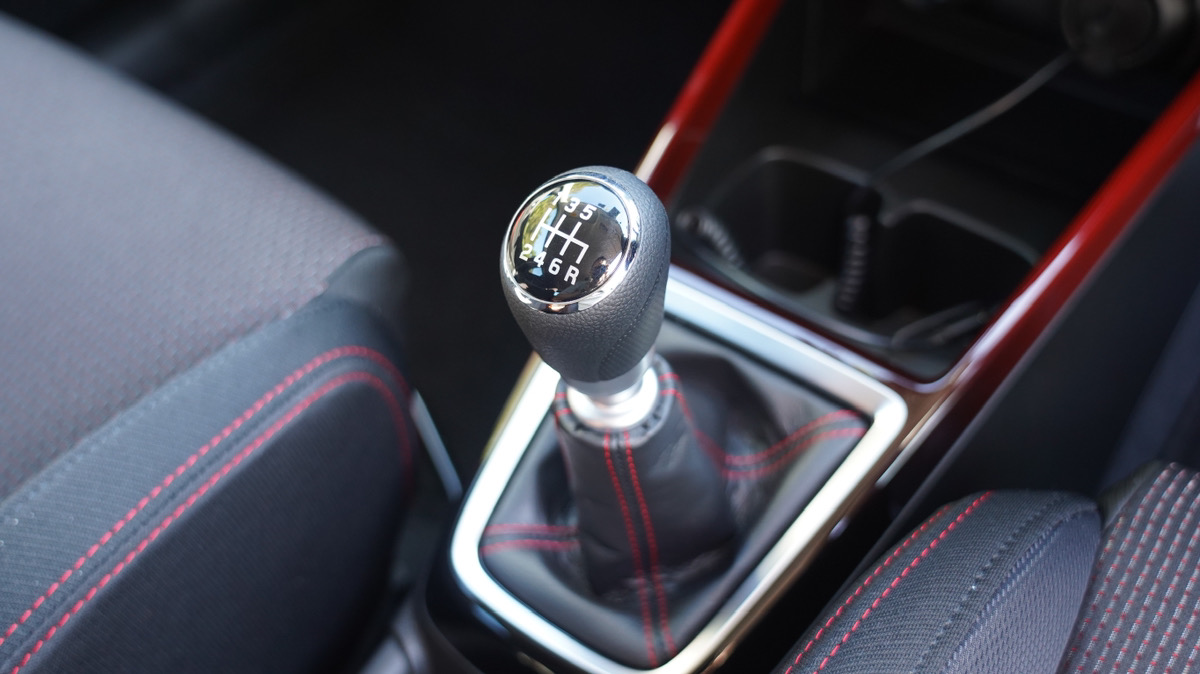
The clutch is light and easy to engage. The engine makes enough torque even at idle, so the car pulls away smoothly if you let the clutch out gradually, without much need to rev it.
It’s so easy to drive that even drivers new to manual transmissions should find it hard to stall. Pulling away, upshifting, and downshifting are all straightforward, with little shock through the drivetrain. The car is exceptionally easy to operate.
Acceleration in first and second gear is lively. It’s the sort of car you’d simply call “quick.” And even in third, fourth, and fifth, acceleration tails off far less than I expected. That was a refreshing surprise—it’s unusual for a car to retain so much of its punch as you move up through the gears.
Turbo lag is barely noticeable. The Porsche 911 Carrera (992) is also exceptionally free of turbo lag, and the Swift Sport comes surprisingly close. In any gear, the throttle response and acceleration feel satisfyingly immediate, making it easy to pick up speed exactly when you want. It’s a real pleasure, and the combination of just 970 kg of curb weight and an engine producing 140 PS and 230 Nm of torque deserves much of the credit.
That means you don’t have to think too hard about which gear to use around town. The Swift Sport gathers speed readily in any gear, making it a real joy to drive.
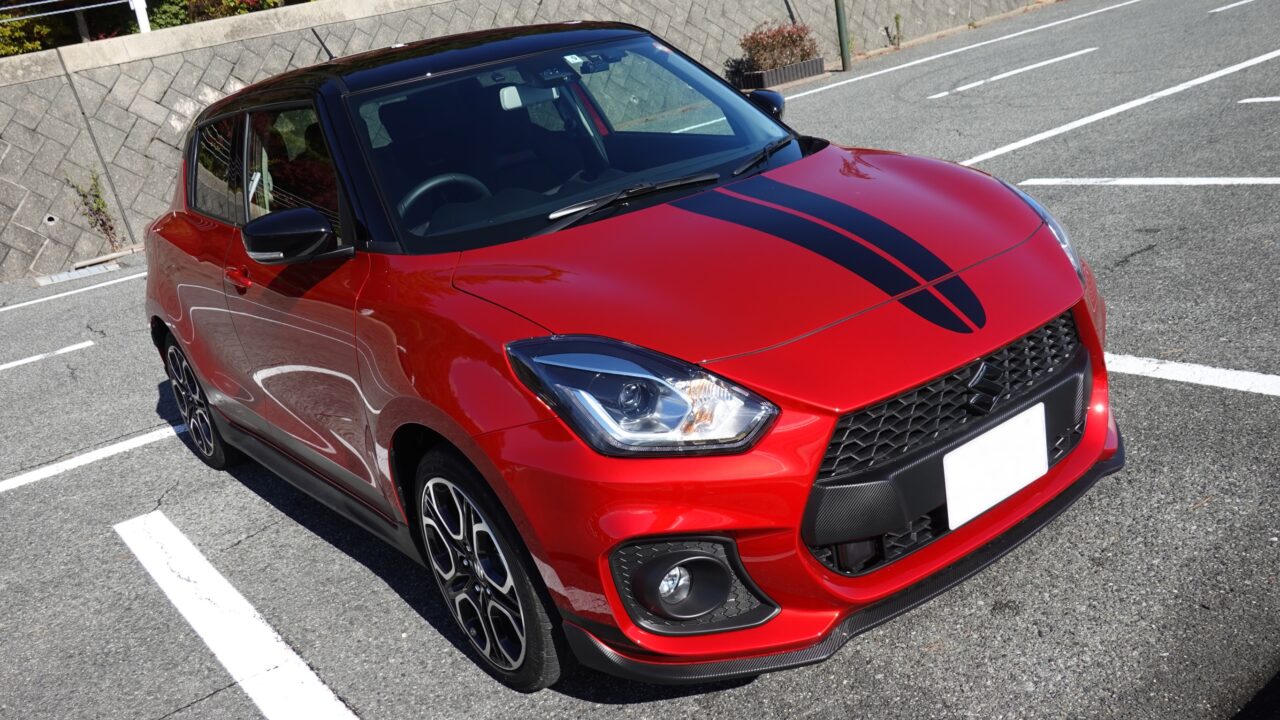
Ride comfort and road manners are excellent around town. The car feels planted and composed, and it inspires real confidence through the gentle curves you encounter while following the flow of traffic. People sometimes describe it as feeling European, and I can see why. Add a little more heft and refinement, and its driving character would be quite close to a Volkswagen Polo.
Every now and then, a bigger bump brings a low-grade clunk, but the impact never feels harsh or direct. I doubt most people would find it uncomfortable. Around town, the ride is generally flat, and you can feel the Monroe suspension doing a good job of damping bumps in the road.
The brakes might not be perfect, but they respond predictably to pedal pressure and travel, making them easy to modulate. They’re strong, too—powerful enough that I’d feel confident pressing hard in an emergency stop.
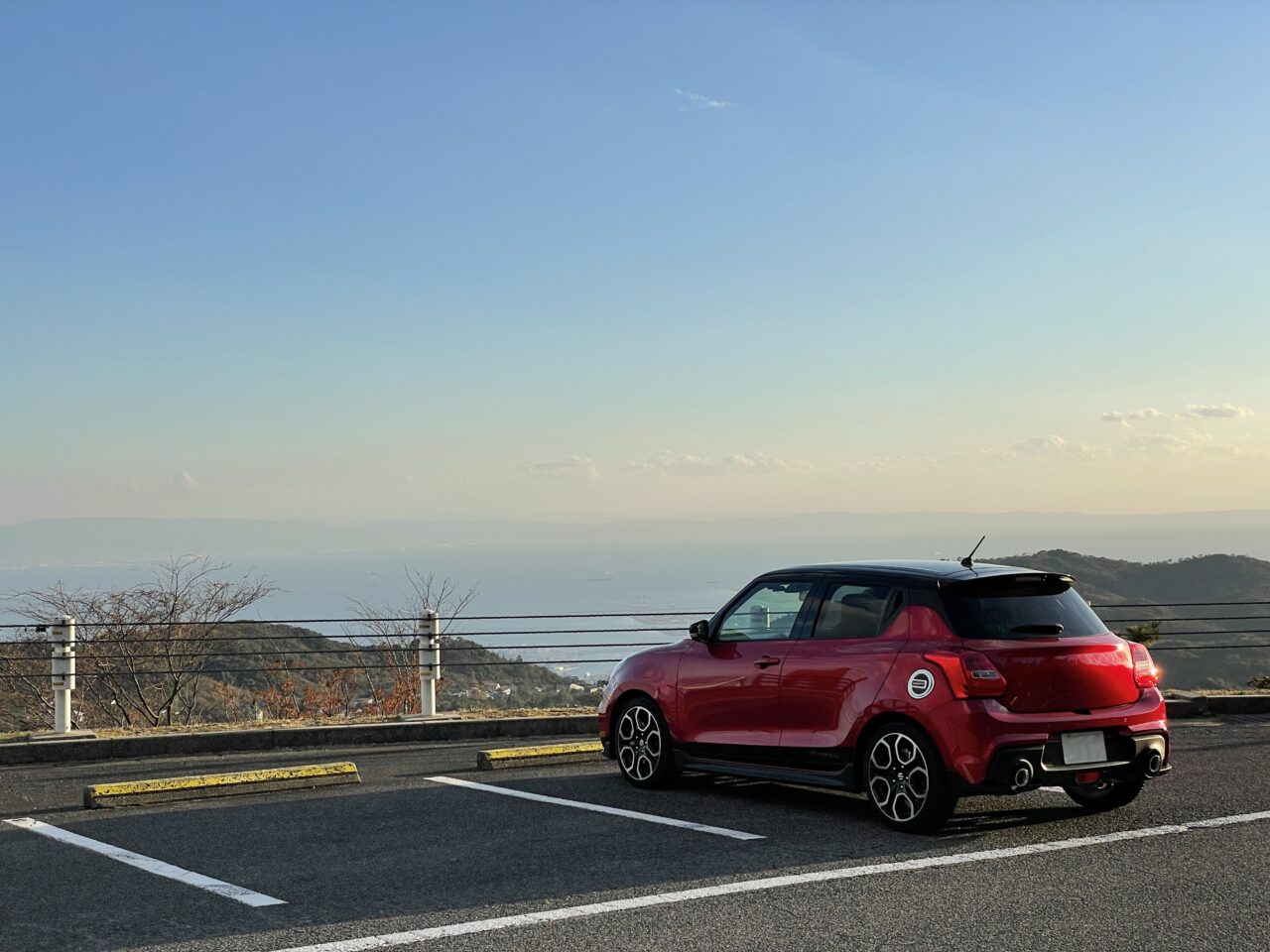
On the Highway
Joining the highway with full throttle reveals just how quick the Swift Sport is for its class. There’s more than enough acceleration to merge with a safe gap in front of following traffic. And because the suspension feels so solid, the maneuver isn’t unnerving—you can relax and feel confident. It really drives home the idea that a car like this can be safe in the truest sense of the word.
At normal cruising speeds in the main lane, the suspension and body feel comfortably unstrained. Pick up the pace, move into the passing lane, and accelerate to a speed that lets you keep up with traffic.
At that point, road and wind noise become much more noticeable, and the cabin gets fairly loud. The good news is that a simple fix can make it dramatically quieter, so I’d definitely recommend looking into it.
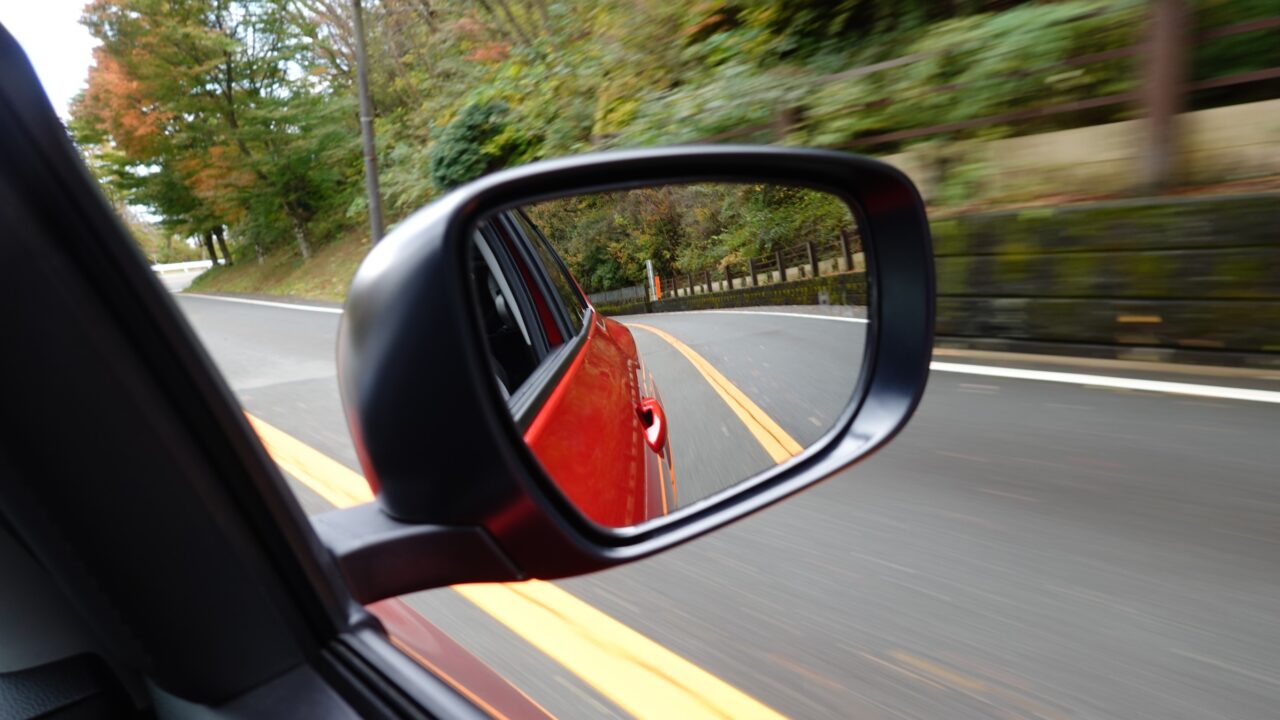
As you accelerate and reach higher speeds, you can feel the suspension settle down. It’s reminiscent of the luxury cars of the 1990s, many of which seemed to lower themselves and hug the road as speed increased.
The car feels as though it’s glued to the road, and its stability keeps building as you go faster.
Road noise, steering support, and the small noises and vibrations coming up through the floor all play a part. To be honest, though, the Swift Sport doesn’t feel as unhurried at speed as a European car. That could make a very long highway drive a little tiring, but its straight-line stability and overall composure are more than adequate.
On Mountain Roads and Winding Routes
The Swift Sport is often praised for its performance on winding roads, so I took it out expecting a lot.
It’s certainly powerful, turns in readily, and feels nimble thanks to its low weight. Still, something seemed to be missing. At a relaxed pace on a winding road, the ride is very comfortable, and I like the car’s light, darting responses.
It’s plenty of fun with the family aboard and a slightly sporty pace. Compared with a regular compact car on the same mountain road, it feels incomparably more stable.
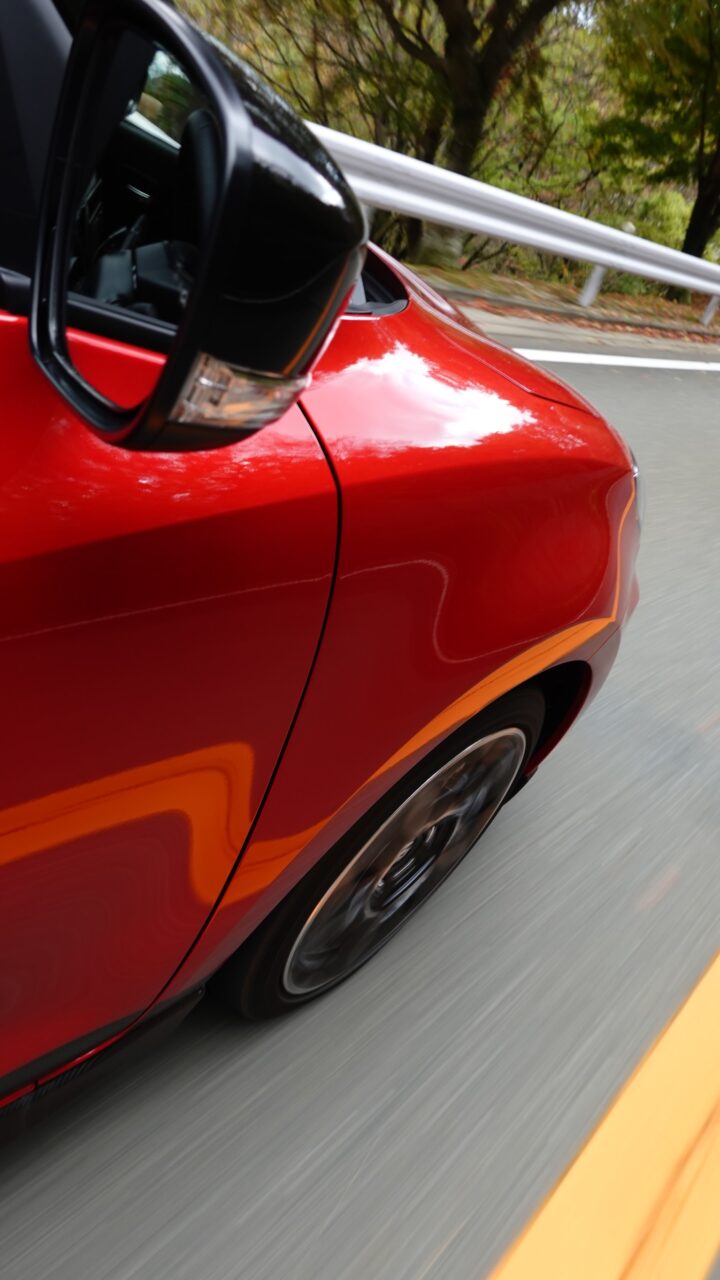
But push harder through a corner, and body roll is greater than I expected. To drive it sportily, you need to be deliberate about managing the car’s weight transfer.
This isn’t the sort of car that relies on electronic systems to make anyone fast. In a good way, it feels unusually analog for a modern car.
Brake firmly before the corner, load up the front tires, and turn in using the fundamentals. Because it’s front-wheel drive, part of the fun is learning to manage the car without overloading the front tires. The car it brought to mind, in some ways, was the Mazda Roadster (MX-5 Miata).
My impression is that the Swift Sport makes the driver’s skill—or lack of it—easy to feel.
The main thing I noticed, though, was the high center of gravity. At around 970 kg, the car is very light, which makes it feel nimble and eager to turn. That lightness works in its favor up to a certain level of lateral G-force. Push harder, though, and the car’s relatively high center of gravity and tall stance start to become more noticeable.
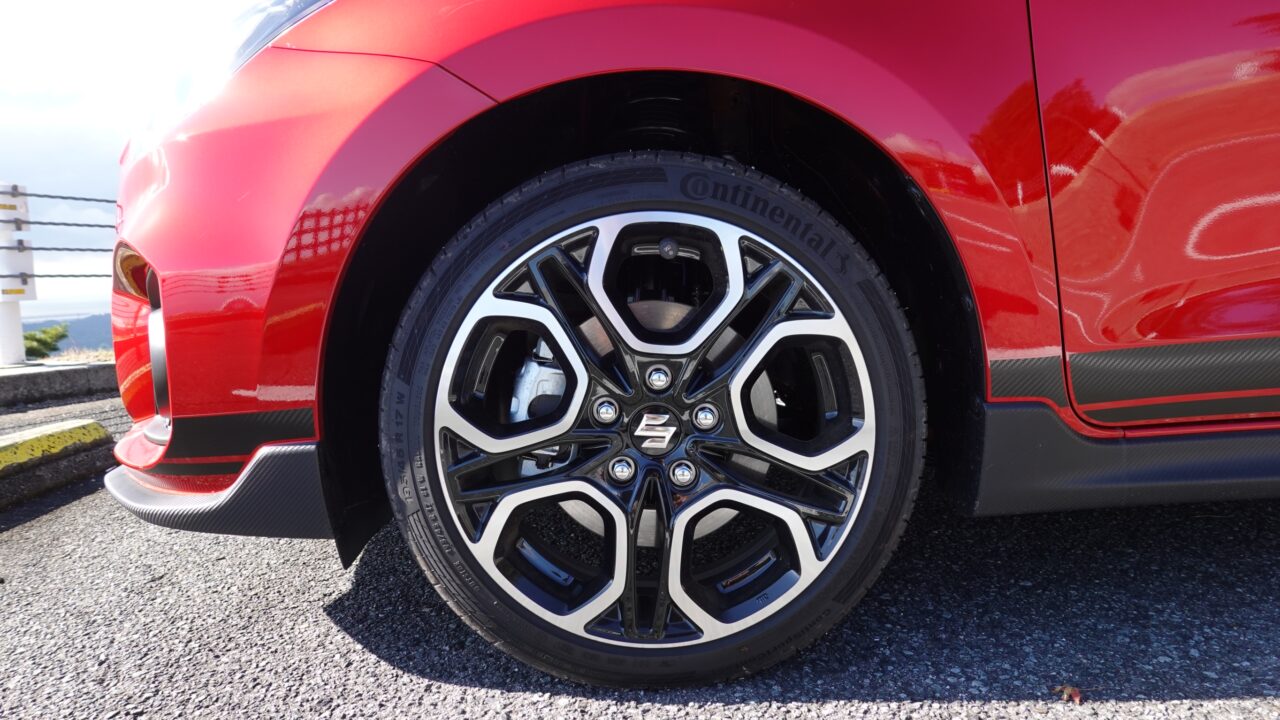
In stock condition, there’s room for about four fingers stacked vertically
At a reasonably brisk cornering speed, the car can sometimes feel unsettled. The suspension seems particularly under-controlled on rebound: the car floats and bobs slightly, and there are moments when the tires feel less firmly planted.
The suspension is on the soft side, with about four fingers’ worth of clearance between the tires and wheel arches. That much suspension travel likely reflects the need to balance comfort and stability with five people on board. The seats are also mounted fairly high, and the engine isn’t positioned especially low.
On top of that, the car’s low weight may make its high center of gravity stand out even more.
Verdict
The Swift Sport has a lot of potential. The body feels solid, and the suspension works well. Above all, its low weight is the car’s greatest asset.
Its lively responses around town, satisfying shift feel, and easy-to-use engine make it the kind of car you want to keep driving. It’s genuinely fun behind the wheel. It may not cocoon you in the comfort of a luxury car, but it’s the kind of car that makes you want to head out on a long road trip.
In completely stock form, it’s best understood as a sporty compact car, with a setup designed as a broad, all-around compromise that should work well for a wide range of drivers. The aim seems to be a high-level balance of speed and fun, while remaining comfortable with five people aboard and on rough roads.
The stock car doesn’t seem designed to deliver an extreme, focused performance character.
If you want to go even faster, though, this is a car that benefits from modifications tailored to your preferences. That doesn’t mean the stock setup is flawed. Rather, I get the impression Suzuki designed the car with a certain amount of tuning in mind. In that respect, its philosophy seems almost the opposite of Porsche’s.
Since my family rides in our Swift Sport, I’m not planning to tune it to the limit. But I wanted it to feel a little more stable on roads like the Royu Driveway, so I recently fitted SWK lowering springs to bring the center of gravity down a little.
I’ll share my thoughts on that modification in a future review, too.
このブログが気に入ったらフォローしてね!
Comment ( 0 )
Trackbacks are closed.
No comments yet.