

Recommended “Double Click Lock” to Prevent Porsche Battery Drain
公開日:2026.04.04

コンテンツ
Battery Drain in a 992.2 Targa 4 GTS After Just 3 Weeks
I came across a post on social media from an owner of a 992.2 model.
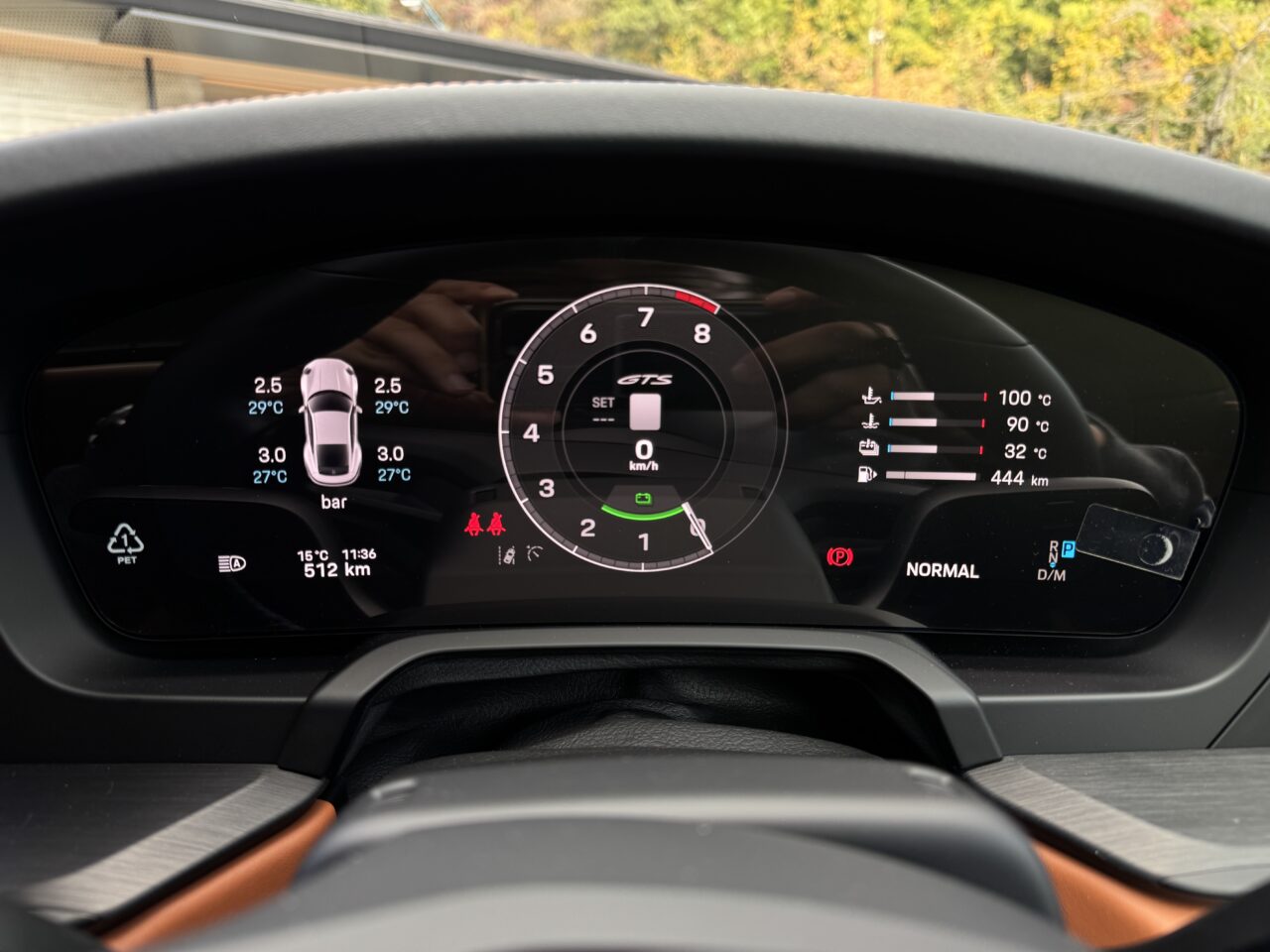
The 992.2 Targa 4 GTS, a spotlight Porsche featuring the brand’s first T-Hybrid powertrain, experienced battery failure after sitting unused for roughly three weeks. Initially, the owner suspected a key malfunction. However, the root cause was the discharge of the vehicle’s 12V battery. Although the issue was covered under warranty at no cost, it’s quite unsettling for a nearly new Porsche to become immobile in just three weeks. While the innovative T-Hybrid drivetrain tends to steal the spotlight, this battery problem emerges as a crucial concern for Porsche owners.
The “12V Pitfall” in T-Hybrid Models
Understanding the T-Hybrid structure sheds light on why this is such a serious matter.
In the 992.2 T-Hybrid, the engine starts not with a traditional 12V starter motor but via a high-voltage electric motor. The setup includes two batteries: a 1.9 kWh traction battery and a small LiFePO4 (lithium iron phosphate) 12V battery. Here lies the trap: if the 12V battery discharges, the vehicle’s electronic control systems cannot start—even if the traction battery has plenty of power. The 12V system acts as a “gatekeeper” responsible for safely waking up the high-voltage system. If this gatekeeper fails, the stored energy inside is effectively inaccessible.
A cautionary note on the traction battery: Porsche’s manual clearly states that when storing the car for over two weeks, the high-voltage traction battery should be maintained above 30% charge. If this battery discharges significantly, the car cannot start normally and requires specialist service at a Porsche Center. The same holds true if the 12V battery dies first. Relying on booster cables as in traditional gasoline cars can lead to unexpected expenses and delays.
Pros and Cons of the Lithium-Ion 12V Battery
This 12V battery challenge isn’t exclusive to T-Hybrid models.
From what I know, the 992.1 generation Carrera T and GT3 models come standard with lithium-ion 12V batteries. Compared to lead-acid batteries, these weigh over 10 kg less, and the reduction in weight translates into a noticeably sharper driving experience. From my own comparison between lithium-ion and lead-acid models, the power steering feedback changes distinctly. The steering becomes moderately lighter but remains confident, with a more agile front-end response and heightened road feel. The benefits of weight reduction are more palpable behind the wheel than on paper.
On the flip side, lithium-ion batteries have smaller capacities. Standard AGM batteries typically have around 70Ah, whereas lightweight lithium-ion batteries hover near 40Ah. Porsche’s standard security alarm keeps interior motion and tilt sensors continuously active even when locked. This “parasitic drain” can be surprisingly taxing on the smaller lithium-ion battery.
More troublesome is the lithium-ion battery’s unique “voltage cliff” characteristic. AGM batteries exhibit a gradual voltage drop as they weaken, providing an early warning sign. In contrast, lithium-ion batteries maintain stable voltage until hitting a certain threshold, then suddenly collapse in voltage. This explains sudden dead battery incidents where a car won’t start despite no previous symptoms. The small capacity combined with abrupt failure makes lithium-ion 12V battery drain a hot topic among Porsche owners.
The “Double Click Lock” – A Little-Known Battery Saver Among Porsche Owners
Now, let me share a practical tip to avoid battery drain.
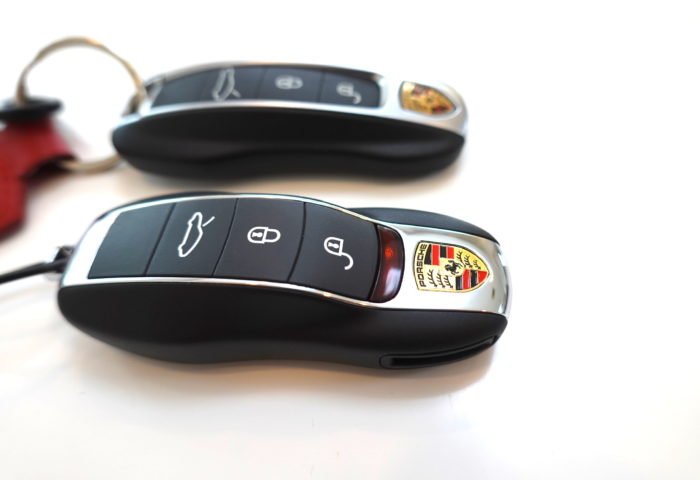
Porsche’s keyless entry system includes a feature called “Double Click Lock.” By quickly pressing the lock button twice, you can lock the car while disabling the motion and tilt sensors inside. The difference from a normal lock is visible in the hazard lights—the last flash stays on longer to confirm double-click locking has been activated. The door locks themselves remain engaged, and any forced entry will still trigger the alarm. So, the vehicle is not left entirely unprotected.
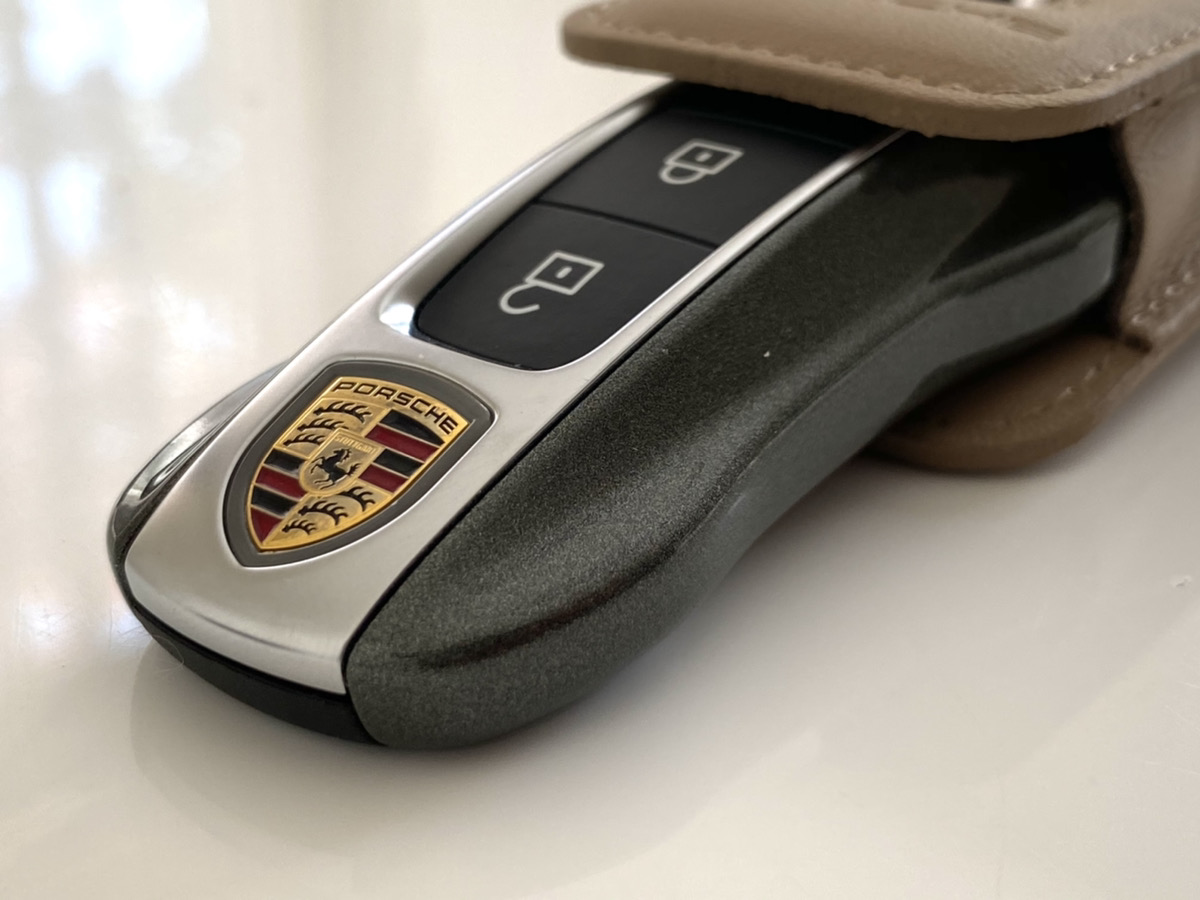
I’ve personally used this technique with various models including the 718 Spyder RS, 981 Boxster GTS, and 991.1 Carrera 4 GTS. With the security sensors off, I’ve never had the battery die even after leaving the car unused for over a month. In environments like mechanical parking garages, where basic security is ensured, double click lock is an indispensable trick. This isn’t just for T-Hybrid models—it’s a must-know for every Porsche owner.
Everyone occasionally faces long trips or overseas travel when the car won’t be driven for a while. That simple, one-step action before stepping away could prevent the worst nightmare: arriving home only to find your Porsche won’t start.

このブログが気に入ったらフォローしてね!
Comment ( 0 )
Trackbacks are closed.
No comments yet.