

992.2 GT3 Touring Test Drive Review Part 2|Comparing Spider RS & Turbo GT, Choosing Between Winged or Touring
公開日:

コンテンツ
Comparing the 992.2 GT3 with Wing and Key Features of the 992.2 Model
A little while ago, I had the opportunity to test drive the 992.2 GT3, so I’d like to share a comparison here.
According to Porsche, the suspension setup is basically the same for both versions, but the difference in downforce caused by the presence or absence of the rear wing could affect ride comfort. However, when comparing models equipped with the same PCCB brakes, there was hardly any noticeable difference in ride comfort.
The biggest factors affecting ride comfort are actually the seat and brake choices. Whether you have bucket seats or 18-way Sports Seats Plus, or PCCB carbon-ceramic brakes versus standard cast-iron brakes, these make a far greater impact on comfort. Some say the Touring feels more comfortable, but that’s likely psychological or due to other equipment differences.
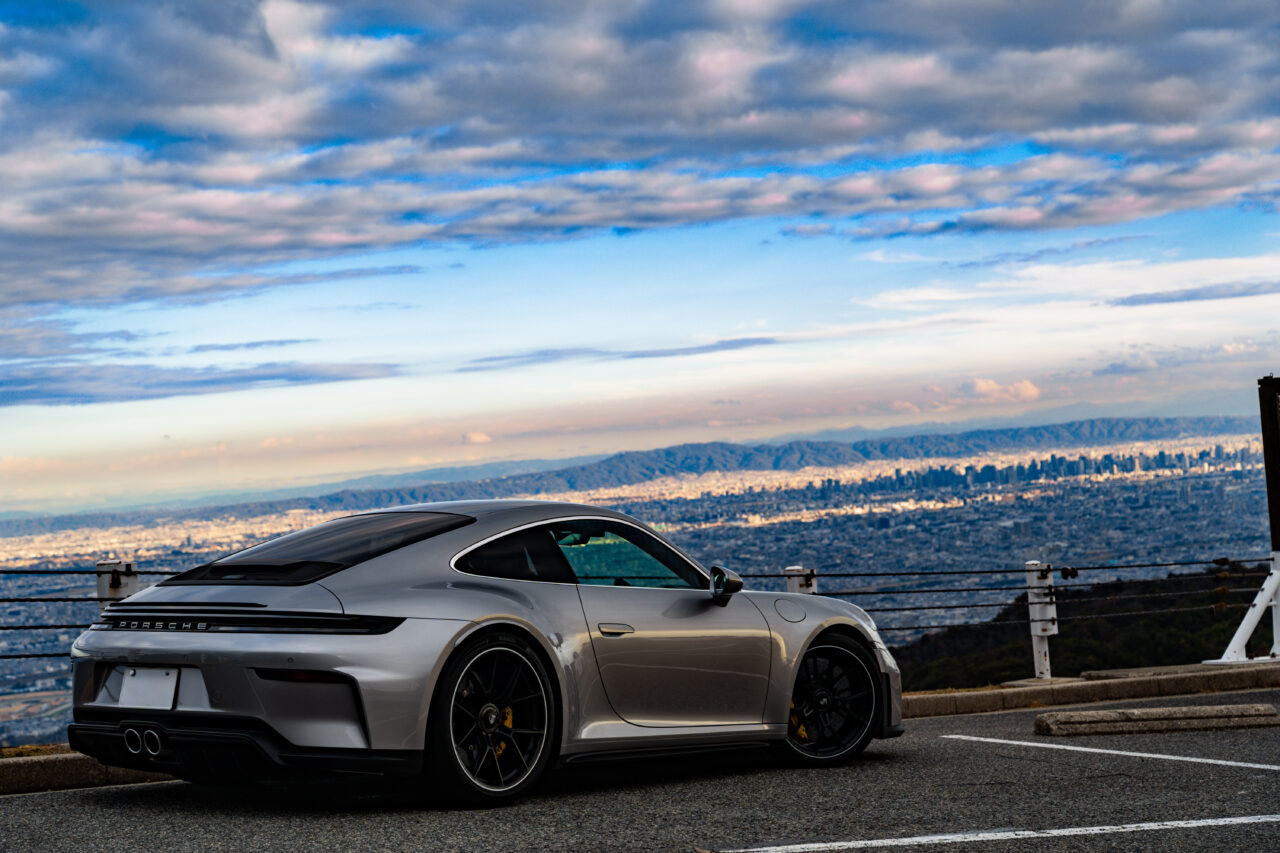
What clearly sets the 992.2 GT3 apart is its usability on Japanese roads. Its setup focuses on low to mid-range speeds, making it enjoyable both in the city and on winding roads. In contrast, the 991 model was tuned more for high-speed corners and long-distance cruising.
This shift in tuning philosophy changes how you enjoy the GT3. The 991 was about “enduring the journey until you reach the perfect road, then going full throttle.” The 992.2, however, is “fun during the drive, and even more fun on the twisties.” For owning a GT3 in Japan, I personally find the 992.2 more satisfying.
Comparison with the Spider RS
Next, let’s compare it with the Spider RS, which shares the same GT3 engine.
If you ask me which I prefer, I would pick the Spider RS. The reason is the extraordinary feeling of freedom from the open roof and the ability to hear the GT3 engine’s raw sound directly. While the GT3 Touring outperforms in driving performance, the Spider RS is still at a very high level.
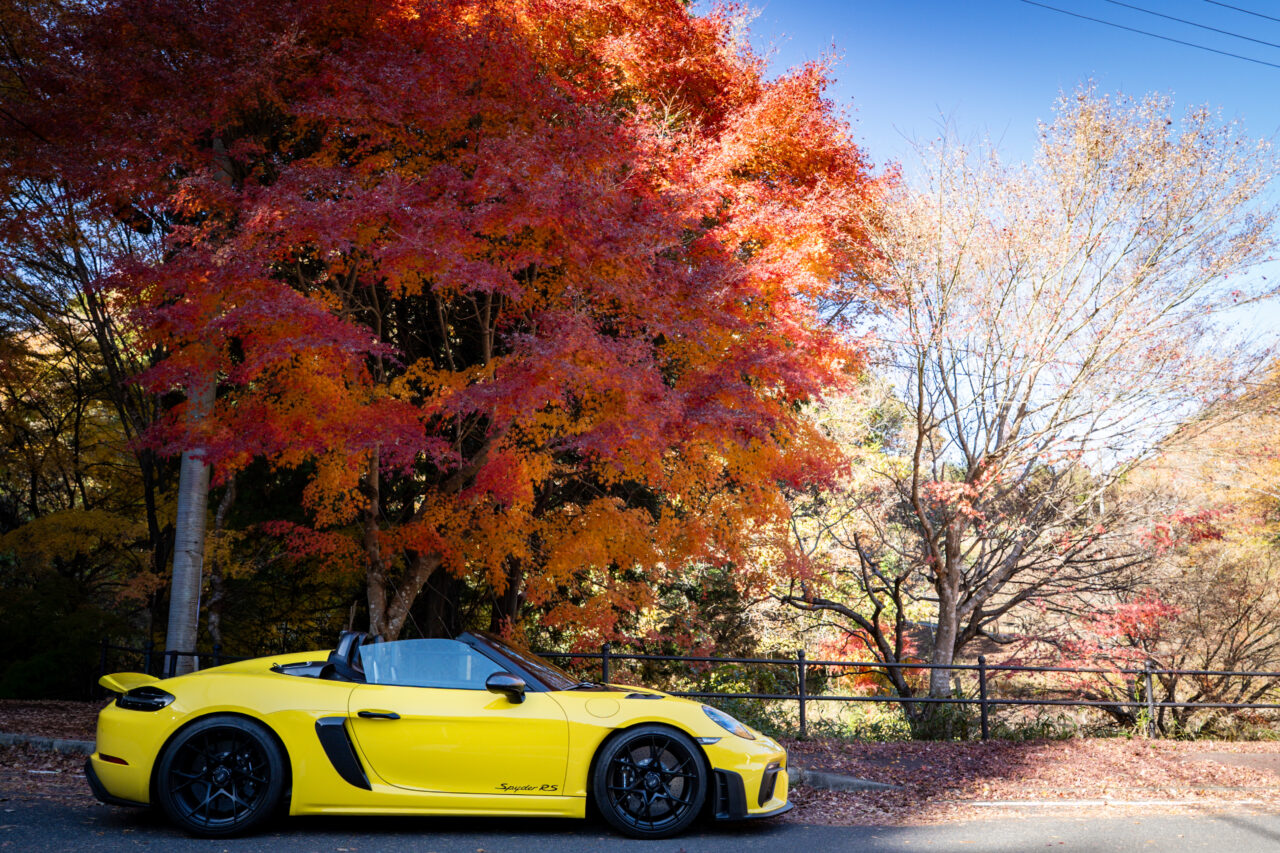
Ride comfort is almost the same or slightly softer in the Spider RS, thanks to the open top allowing vibrations to dissipate. Another advantage of the Spider RS is the superior sound escape. The GT3 Touring’s closed body traps engine noise inside, which can become tiring over long drives despite being milder. The Spider RS lets the sound escape into the open air, reducing ear fatigue. Even with the same GT3 engine, the auditory experience is completely different.
However, in terms of driving performance, the GT3 Touring is clearly superior.
If you’re chasing lap times on the circuit, the GT3 Touring is overwhelmingly faster. But for everyday driving enjoyment, the Spider RS’s lightness and open-air feeling win out in my opinion. Ultimately, the choice depends on what you prioritize.
Comparison with the Taycan Turbo GT and Performance on Mountain Roads
A reader asked how the car compares to my beloved Taycan Turbo GT, so I’d like to address that as well.
Surprisingly to many, on small, twisty Japanese mountain roads, the Turbo GT is more fun. Its extremely low center of gravity gives it an advantage on hairpin-filled routes. On narrow, hairpin-heavy mountain roads like the route from Takarazuka to Mount Rokko, the Turbo GT’s nimble lateral agility, active suspension, and ultra-precise traction from its electric motors are overwhelming. Its acceleration out of corners is faster, and the GT3 simply can’t keep up.
On the other hand, on winding roads with medium to high-speed corners, the GT3 has the edge and is more enjoyable. Its lighter weight makes it easier to maintain cornering speed. In situations with strong lateral G-forces, the Taycan’s inertia is a disadvantage.
Regarding highways, the Turbo GT is overwhelmingly better. Ride comfort, flatness, stability, and straight-line stability are all areas where the GT3 can’t compete. In this domain, the Turbo S and similar models are more appropriate comparisons.
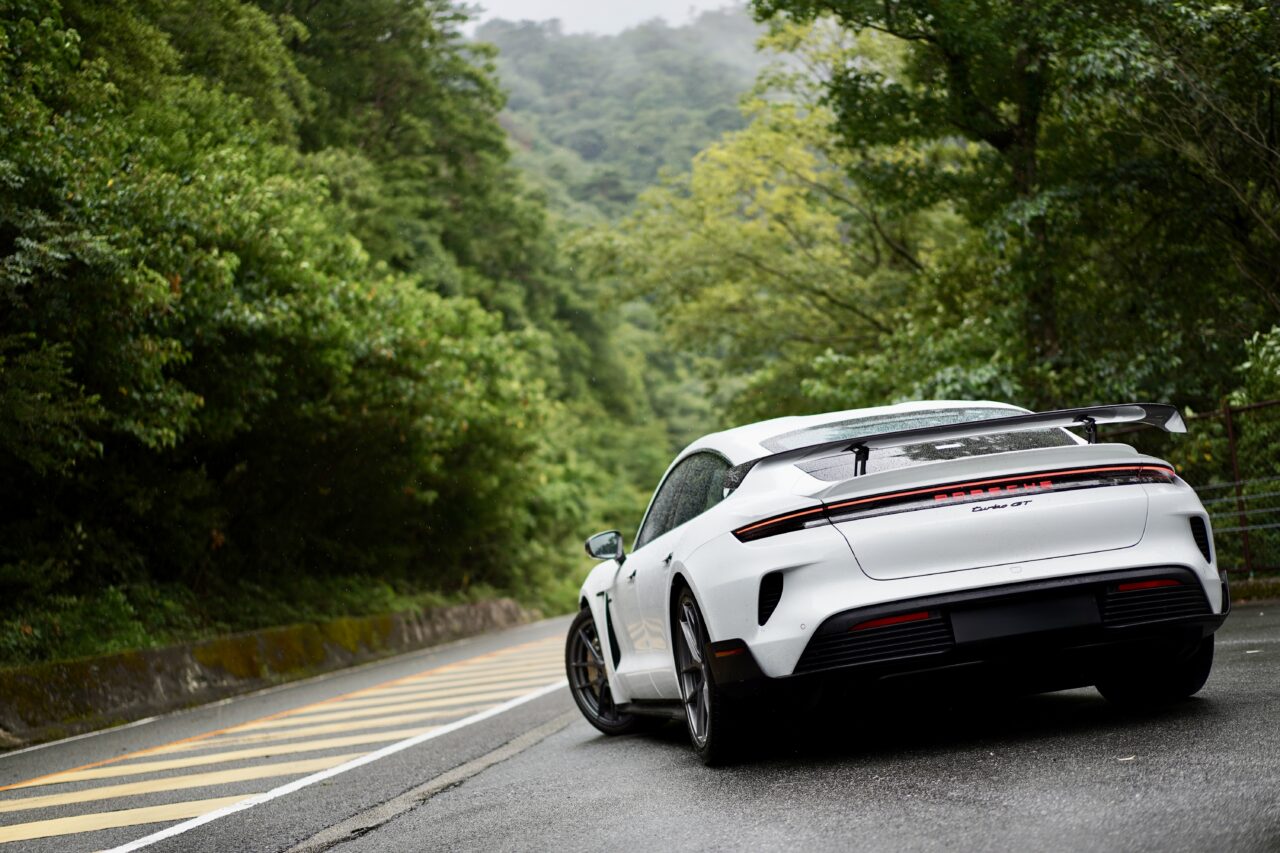
If I could only own one between the Turbo GT and GT3 Touring, I would choose the Turbo GT.
Its chassis performance is overwhelmingly superior, and it’s versatile across all scenarios—city, mountain roads, highways, and circuits. While the GT3 Touring suits Japanese roads very well, the Turbo GT is the ultimate all-rounder.
However, if you want to keep the iconic 911 experience, choosing the GT3 Touring is still worthwhile. The traditional rear-engine, naturally aspirated layout with PDK transmission is something the Turbo GT can’t offer. The choice boils down to whether you prioritize driving performance or tradition.

Choosing Between Winged GT3 or Touring
So far, we’ve compared different models, but let’s also discuss the choice within the GT3 lineup.
If I were to buy a GT3 next, I would choose the winged version. The reason is clear: if you want a daily driver, you don’t need a GT3. The Carrera or Carrera T offer a broader range of enjoyable driving experiences. If you buy a GT3, it should be primarily for circuit enjoyment.
From my experience driving the 991 GT3 Touring at Suzuka and Okayama International Circuit, I often regretted not having the wing. When tackling Suzuka’s 130R corner, I constantly thought, “If only I had the wing here, I could go faster,” or “I wouldn’t have to be so cautious.” On the circuit, the presence or absence of the wing makes a decisive difference.
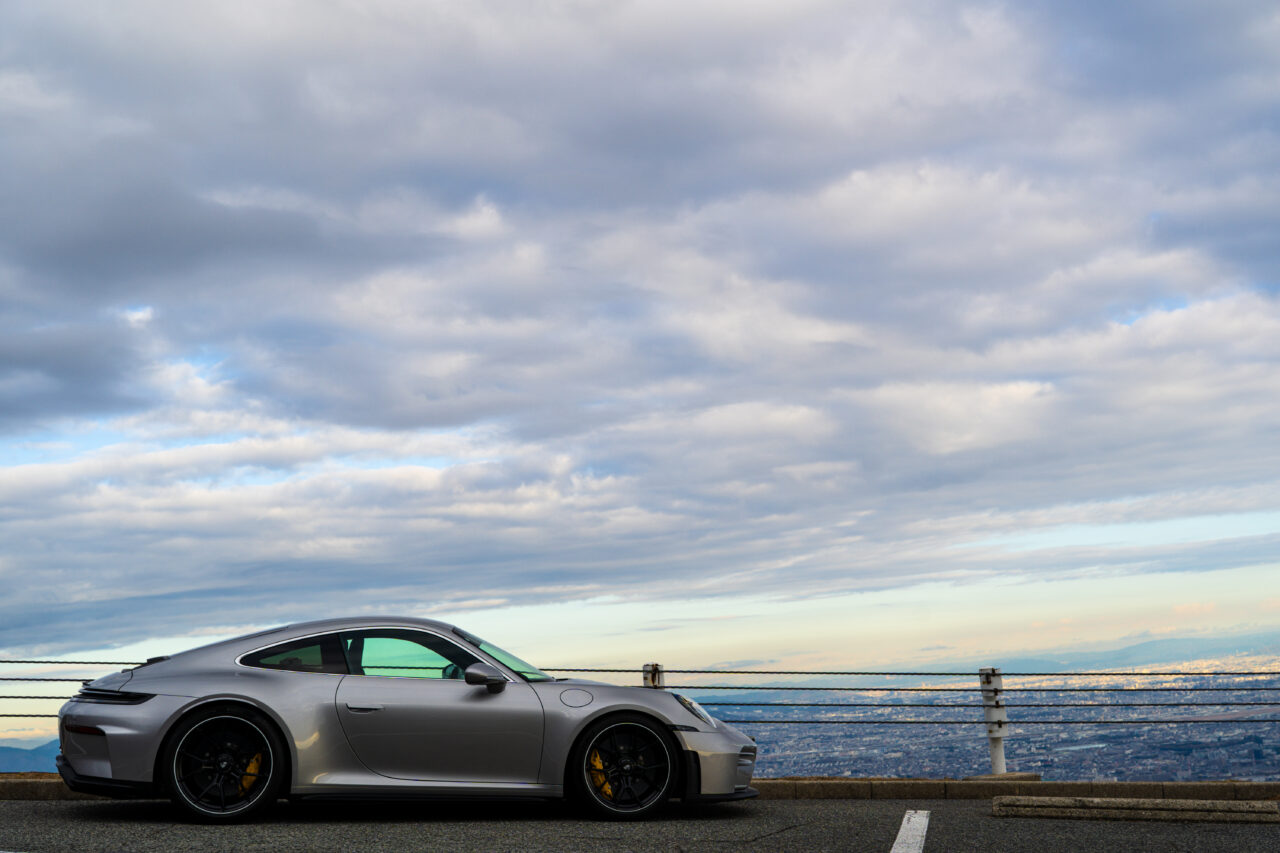
The GT3 Touring’s simple, clean look is certainly appealing.
Without the wing, it doesn’t stand out too much wherever you park. But to fully unleash the GT3’s potential, the wing is necessary. If you have a separate daily driver and treat the GT3 as a dedicated track car, the winged version is the way to go.
Conversely, if you don’t visit circuits and mainly drive on mountain roads or winding routes, the Touring is more than sufficient. The downforce from the wing hardly affects driving at typical public road speeds. Considering the simple aesthetics and everyday usability, the Touring might offer higher satisfaction.
Ultimately, the winged vs. Touring choice comes down to whether you go to the track or not. Go winged if you hit the circuit, Touring if you don’t. That’s the answer.
Who Is the 992.2 GT3 Touring For?
Finally, let’s summarize who the 992.2 GT3 Touring is best suited for.
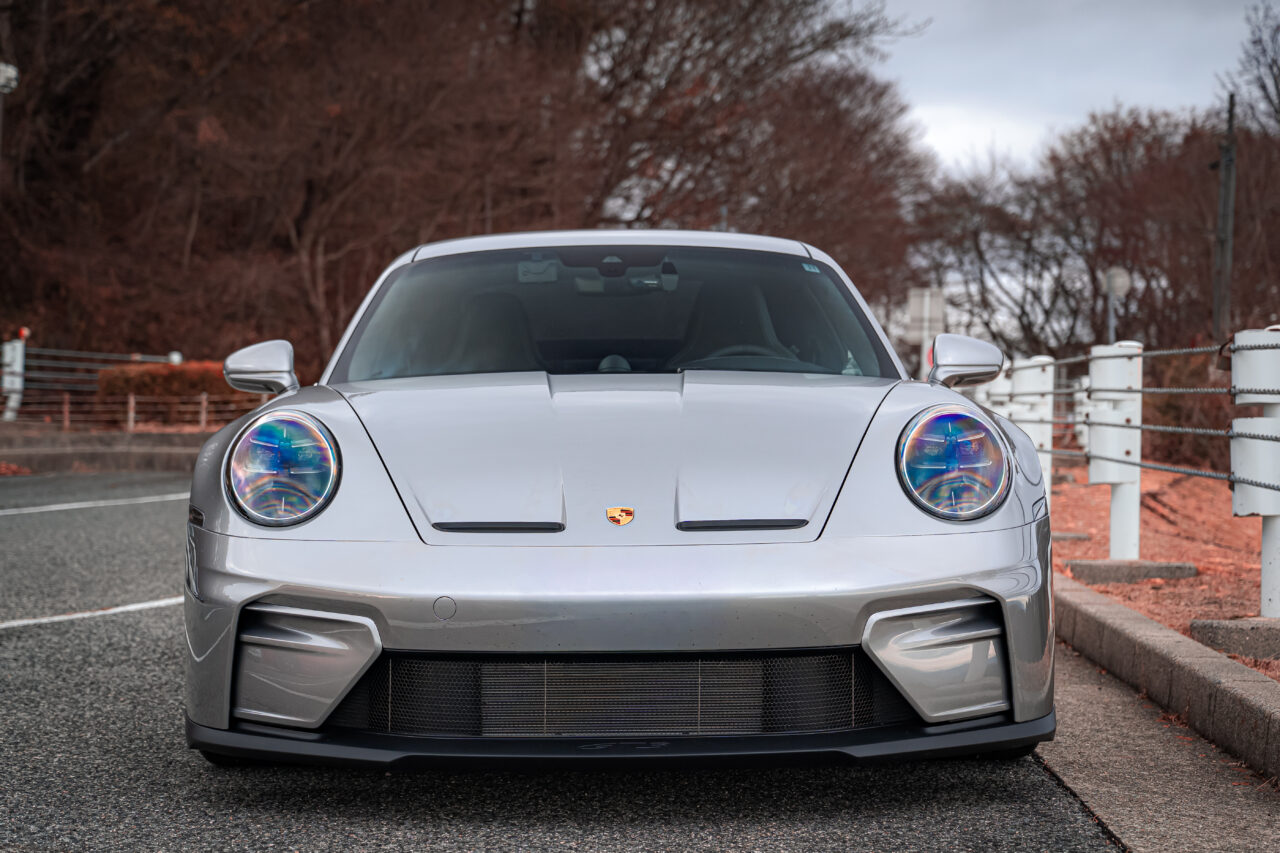
This car feels like a GT3 optimized for Japanese roads. It features a low gear ratio that works well in both city and winding roads, improved ride comfort, and a milder engine sound. Everything is tuned with daily usability in mind.
Think of it as the perfect upgrade for those satisfied with the early 992 Carrera T but craving a bit more excitement. It’s like a higher-tier version of the Carrera T. However, as a GT3, it’s still stiffer and lower than the Carrera T, so expect some compromises in daily usability.
On the other hand, if you frequently drive long distances on highways or mainly focus on circuit driving, other options might suit you better. The 991 GT3 Touring is more comfortable on highways, and the winged GT3 is faster on circuits. The 992.2 GT3 Touring is fundamentally designed to enjoy winding roads.

After driving 800 km, I felt this car is optimized for “enjoying the journey.” The 991 was about “enjoying the winding road at the destination,” but the 992.2 is about “having fun even during the drive.” For owning a GT3 in Japan, this difference is significant. You can enjoy the two-hour drive to the mountain as much as the 30 minutes on the mountain itself.
That, I believe, is the greatest charm of the 992.2 GT3 Touring.
このブログが気に入ったらフォローしてね!
Comment ( 0 )
Trackbacks are closed.
No comments yet.