

Test-Driving the Mercedes-Benz E200 Coupe: How It Compares with the S-Class Coupe and BMW
公開日:

[TOC]
A Luxury Coupe
When I think of the E-Class Coupe, I’m reminded of the 300CE driven by Tom Cruise’s character in the 1993 film The Firm. It was a convertible, but it belonged to Mercedes-Benz’s upscale mid-size class—the W124 generation—and I remember how much I admired it as a student.

From the film The Firm
Since then, I’ve owned a Honda Legend Coupe (KA8), and more recently I’ve driven an R129 SL500 and an AMG S63. I’ve always loved luxurious grand touring coupes. They’re the kind of cars I find myself wanting to own again and again.
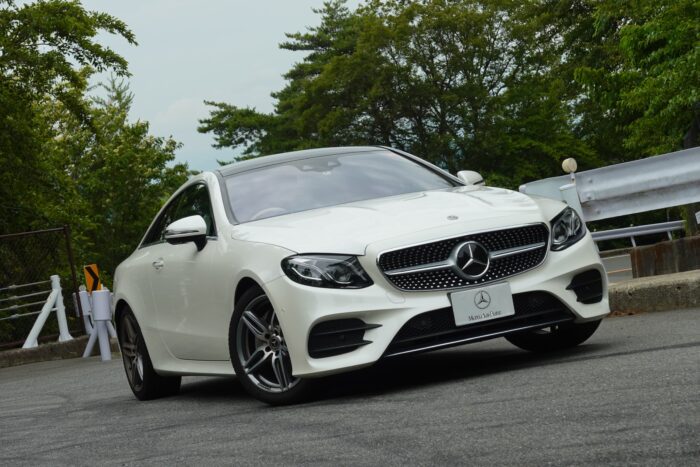
The E200 Coupe (C238)
The car I’m test-driving this time is the current-generation E-Class Coupe, in E200 Coupe Sport trim.
I once considered buying the previous-generation C207 E250 BlueEFFICIENCY and even took one for a test drive, but I wasn’t impressed. I remember its very thin, firm seats and lack of low-speed torque not suiting my tastes. So this time, I deliberately kept my expectations in check.
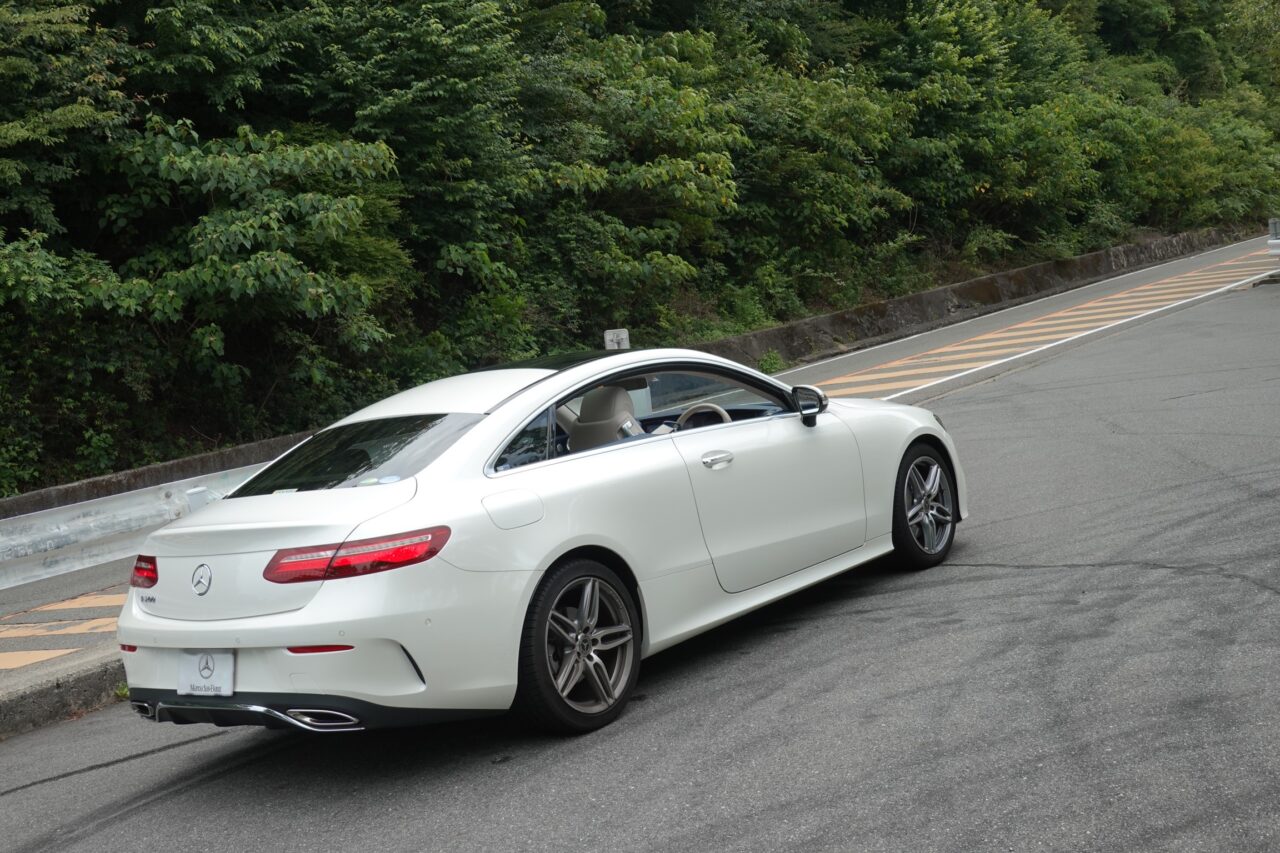
In person, it’s an elegant coupe, with the graceful bodywork you’d expect from a high-end Mercedes. As befits a luxury coupe from the marque, it has no B-pillars. With the windows fully lowered, the flowing roofline and open sides come together beautifully.
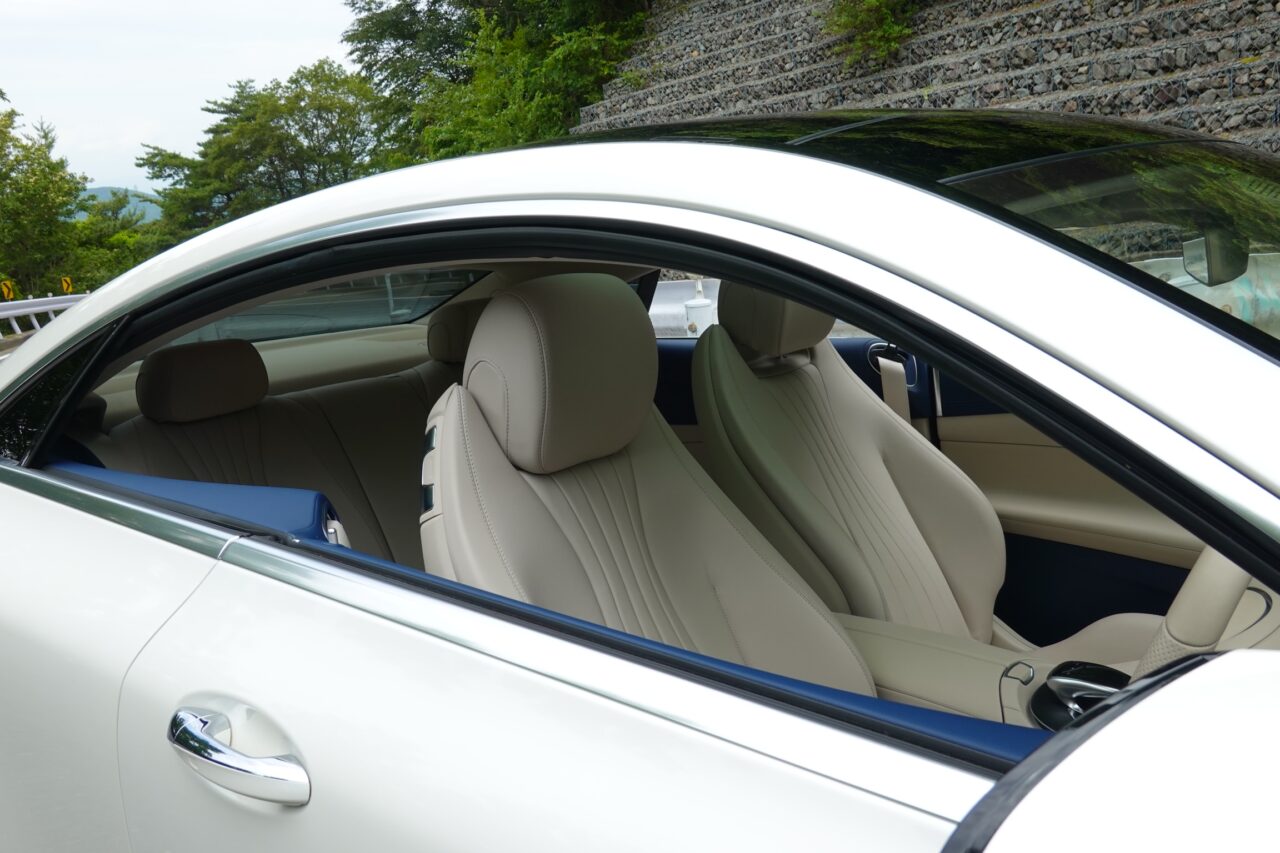
The lack of B-pillars creates a wonderfully open feel
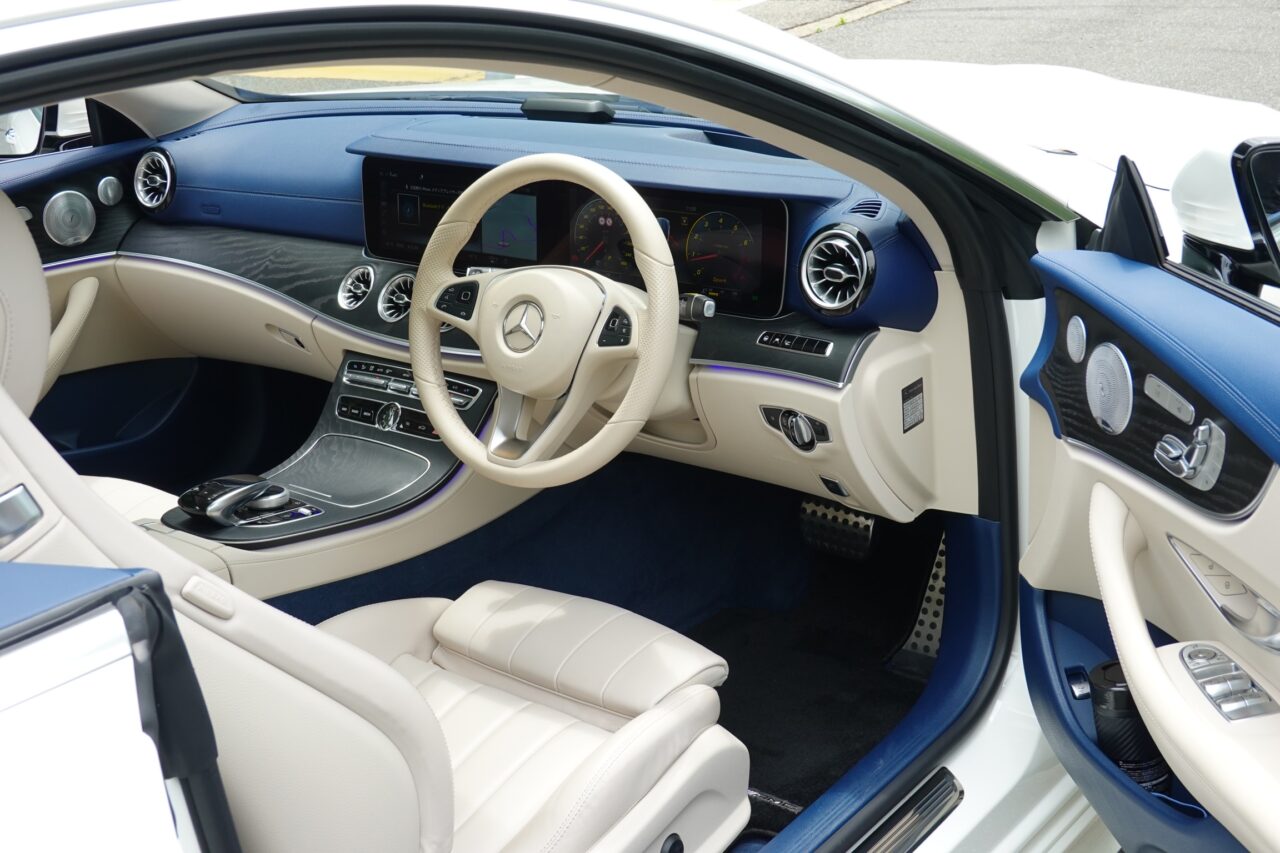
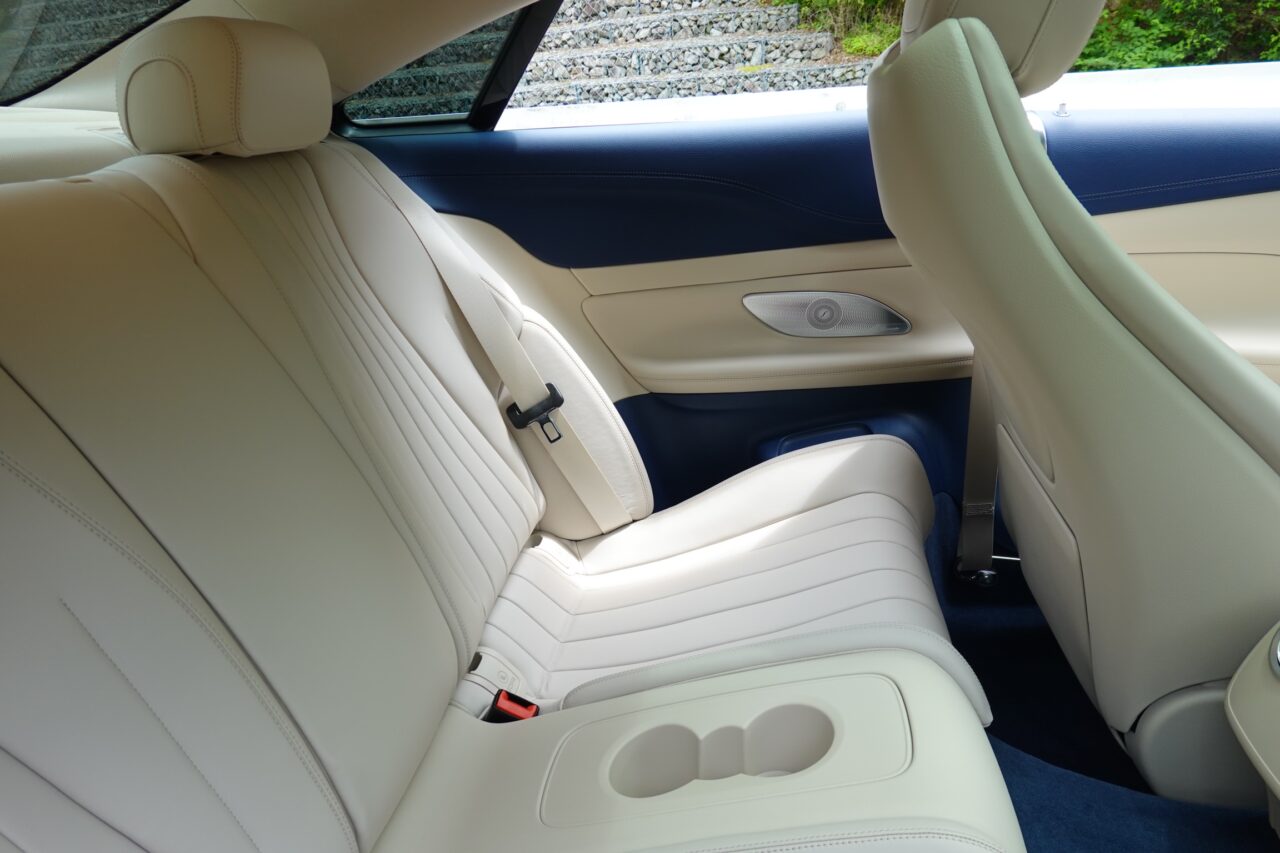
Plenty of room in the rear seats, too
After opening the long, heavy door and climbing in, I find the seat comfortable. At a glance, the sport seats look a little slim, but their cushions are substantial enough for a luxury coupe. Still, compared with the S-Class Coupe, they fall short. The S-Class has much thicker, more generously padded seats, with a level of plushness the E-Class can’t match.
Given that this is an E-Class, I could imagine a more relaxed, luxurious seat design and shape. In terms of features, there’s no ventilation, but the seats offer plenty of power adjustment, and there’s little to complain about in everyday use.
The cabin also features ambient lighting with a choice of 64 colors, as well as a perfume atomizer to add a fragrance to the interior. Insert a different fragrance cartridge in the glovebox, and you can tailor the cabin’s scent to your liking.
Engine
The engine starts up very quietly. This car’s 2.0-liter turbocharged inline-four produces 184 horsepower. Judging by the engine note from outside and the faint, grainy vibration through the steering wheel, I initially thought it might be a particularly refined diesel—but it’s a gasoline engine.
That impression quickly fades once you set off. Above idle, the engine revs smoothly and delivers plenty of torque from low in the rev range. It gets the more-than-1,700-kg car up to cruising speed with ease. The power delivery feels polished and refined, and I like it. With this much low-end torque, it should be easy to drive even in stop-and-go city traffic.
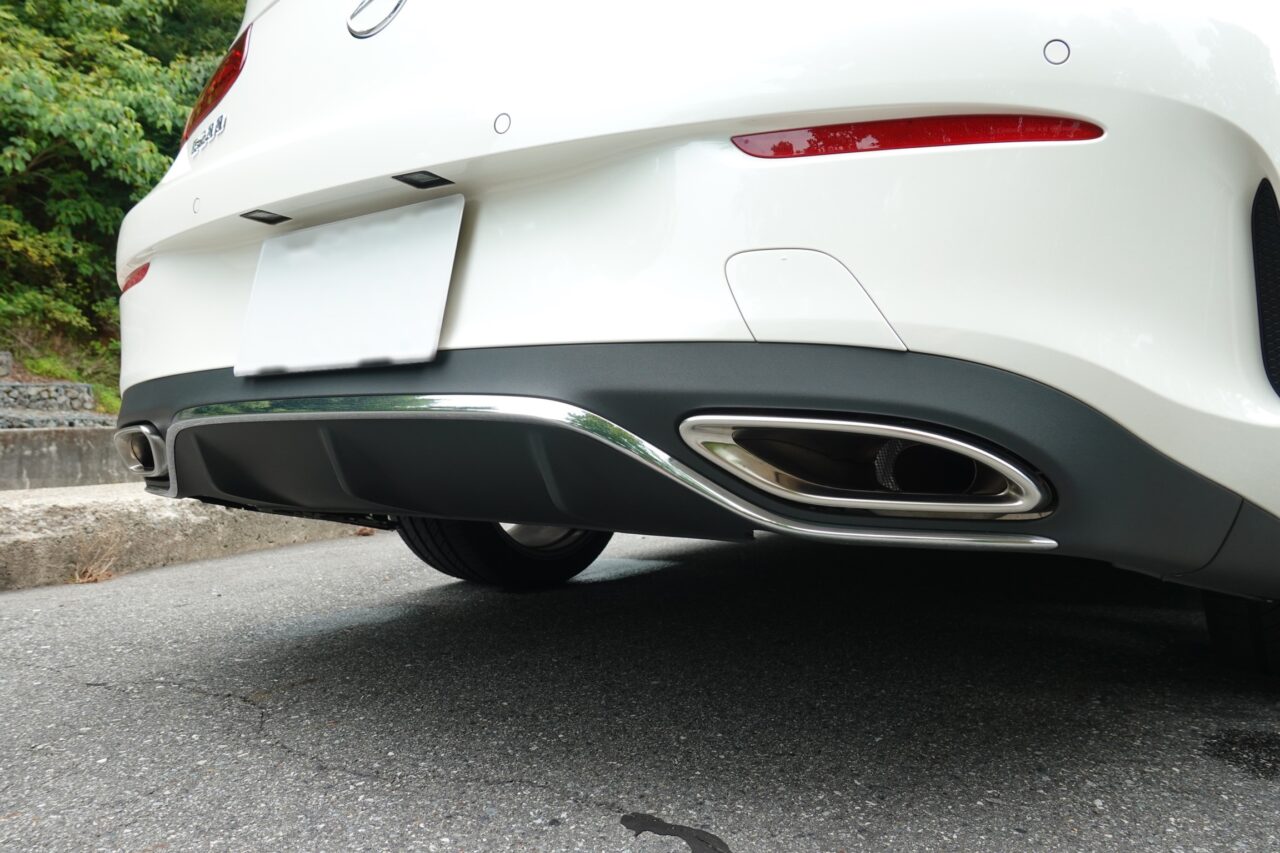
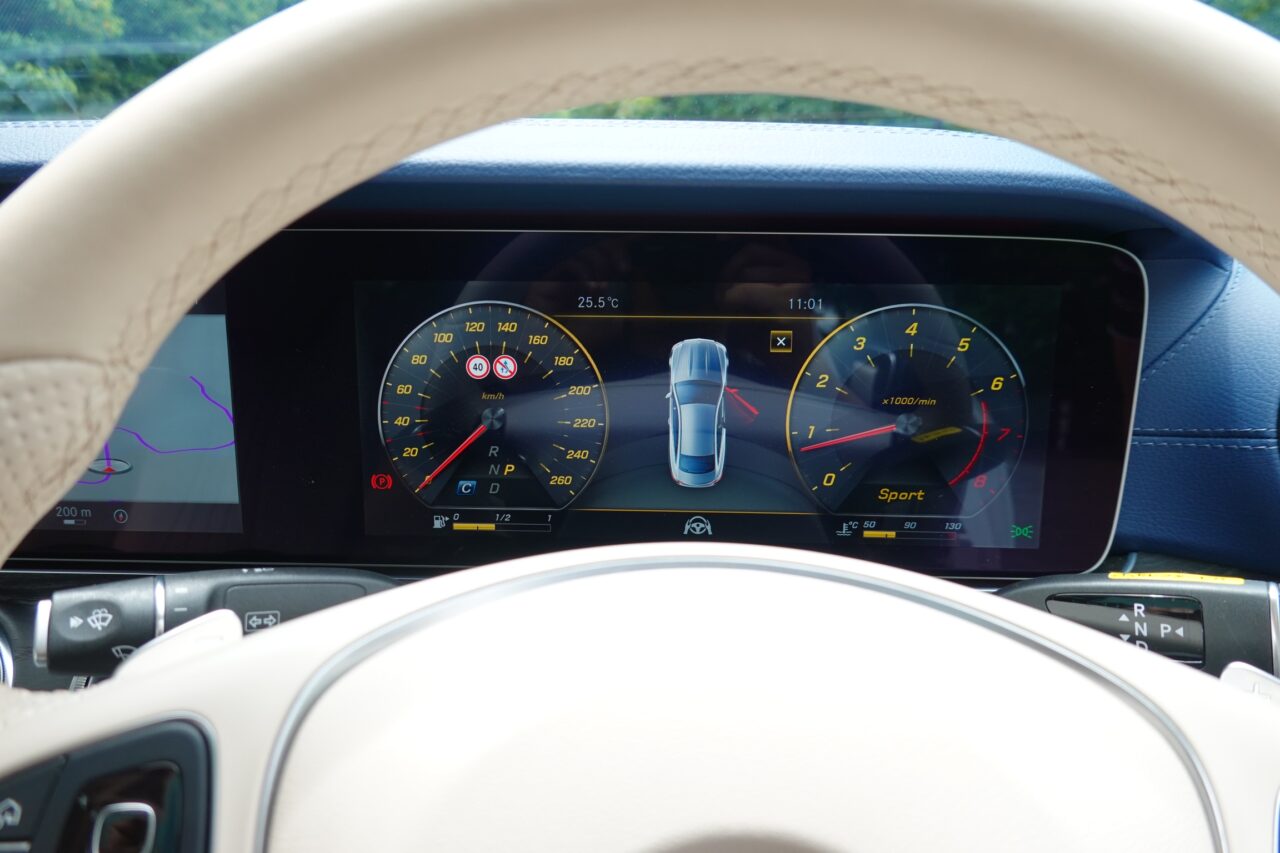
The engine sounds decidedly “ordinary”—and I mean that as the highest compliment to Mercedes. This is an engine that faithfully reflects the marque’s philosophy: the engine’s job is simply to provide power, without demanding the driver’s attention.
All the driver needs to watch is the speedometer; engine revs and gear ratios are beside the point. The powertrain stays in the background and does its job reliably, carrying its occupants wherever they need to go.
The engine feels quite powerful at low speeds, but don’t expect especially strong mid-range acceleration once you’re already moving at a decent pace. It’s more than capable for ordinary driving, of course, but if you want sports-coupe performance, I’d recommend stepping up to an E300, E400, or even an E450.
Ride Comfort
The ride is consistently composed. Whether pulling away, accelerating, or driving over smooth pavement or rough patches, the quality of the ride doesn’t vary much.
It’s not quite a fair comparison given the difference in vehicle class, but thinking of the BMW 440i Coupe I drove recently, the BMW seemed to ride better when setting off and on smooth roads. However, on uneven surfaces, the vibrations and noise stood out more, perhaps because the ride was so impressively smooth on good pavement.
In other words, the BMW’s ride quality varies more depending on the road. The Mercedes may not deliver an exceptionally plush ride in any one situation, but it seems to maintain a consistently high standard wherever you drive.
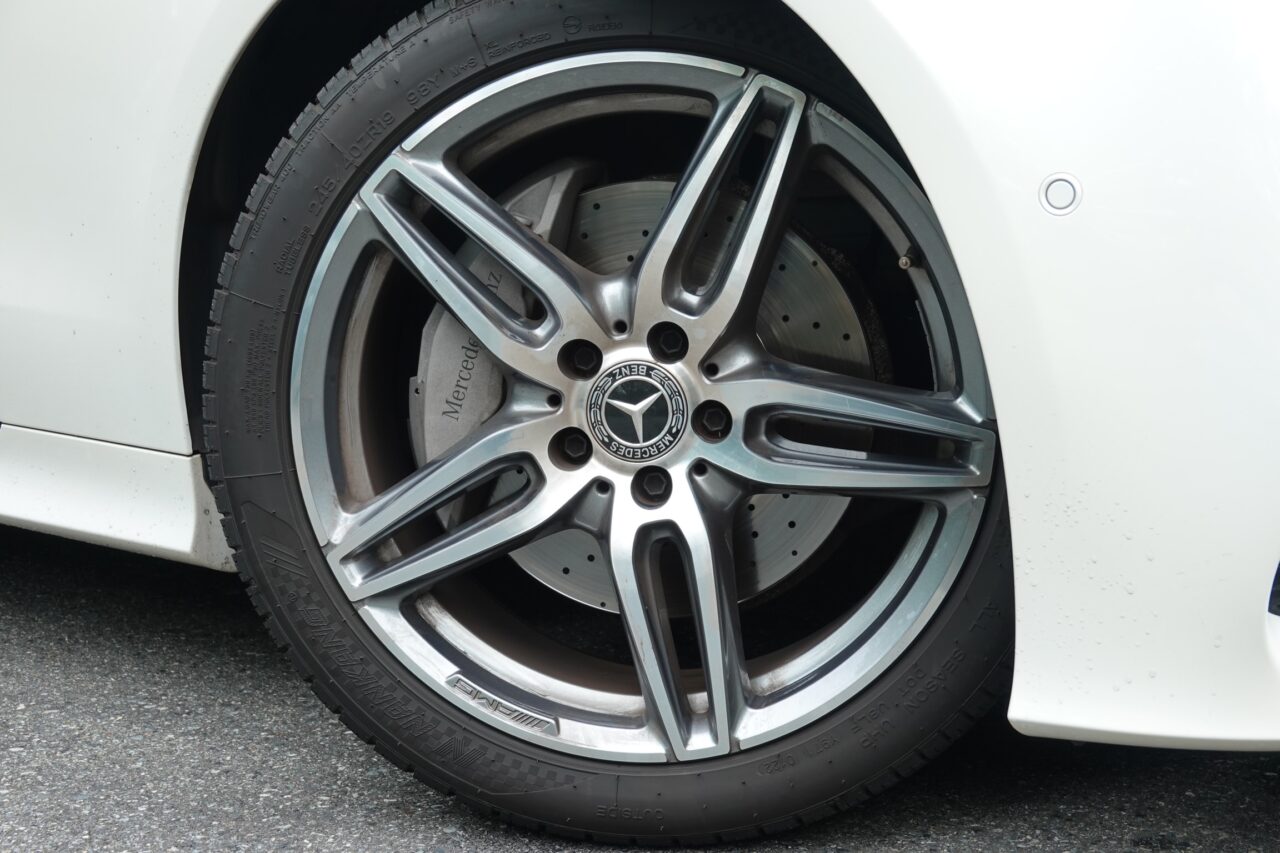
This car’s original run-flat tires have been replaced with conventional tires (Nankang NS-25). The owner told me the change improved ride comfort, and that grip and noise levels are both more than satisfactory.
Take a corner in Comfort mode, and the car’s behavior is unmistakably Mercedes-like. There’s a good deal of play in the steering, and for a moment you might wonder whether it’s safe to turn in like this. But once you’re into the corner, that concern disappears. All four tires hold the asphalt firmly, and the car follows a predictable line, turning just as you expect.
Even at a brisk pace, it remains unruffled. The way the car inspires confidence behind the wheel, no matter who’s driving, is impressive. Simply put, it’s excellent.
Whenever a new Japanese car comes out, you often see test-drive articles asking, “Has it finally surpassed the Europeans?” When it comes to driving dynamics, I still think there’s a considerable gap. The passenger seat is comfortable, too: the owner rode along with me and said that even at a fairly quick pace, the car didn’t toss him around and remained comfortable.
Sport Mode Is Excellent
Next, I try Sport and Sport Plus modes, and the car’s character changes so much that its earlier feel seems almost like a different car. Without wanting to overstate it, I’d describe it as “the Mercedes turns into a BMW.”
Of course, it doesn’t suddenly handle like a Porsche, the engine response doesn’t transform dramatically, and the exhaust doesn’t become thunderous. If we measured lap times, there probably wouldn’t be much difference.
But the steering character changes significantly. In Comfort mode, the initial steering response is somewhat relaxed, in a way that feels typical of Mercedes. Switch to Sport or Sport Plus, and it sharpens up dramatically. The front end responds directly to steering input, and the delay between turning the wheel and the car reacting becomes much shorter.
“Wait, does this have electronically controlled suspension?” I ask the owner. “I’m pretty sure it’s standard suspension,” he replies. I check later and confirm that this E200 is fitted with the standard AGILITY CONTROL suspension—not air suspension or electronically controlled suspension.
Yet Sport and Sport Plus clearly change the steering response. Since the suspension isn’t electronically controlled, I assume the car achieves this by adjusting the steering-assist settings. Whatever the mechanism, the calibration is excellent. Mercedes has done a remarkable job of using steering-assist control to transform the way the car feels.
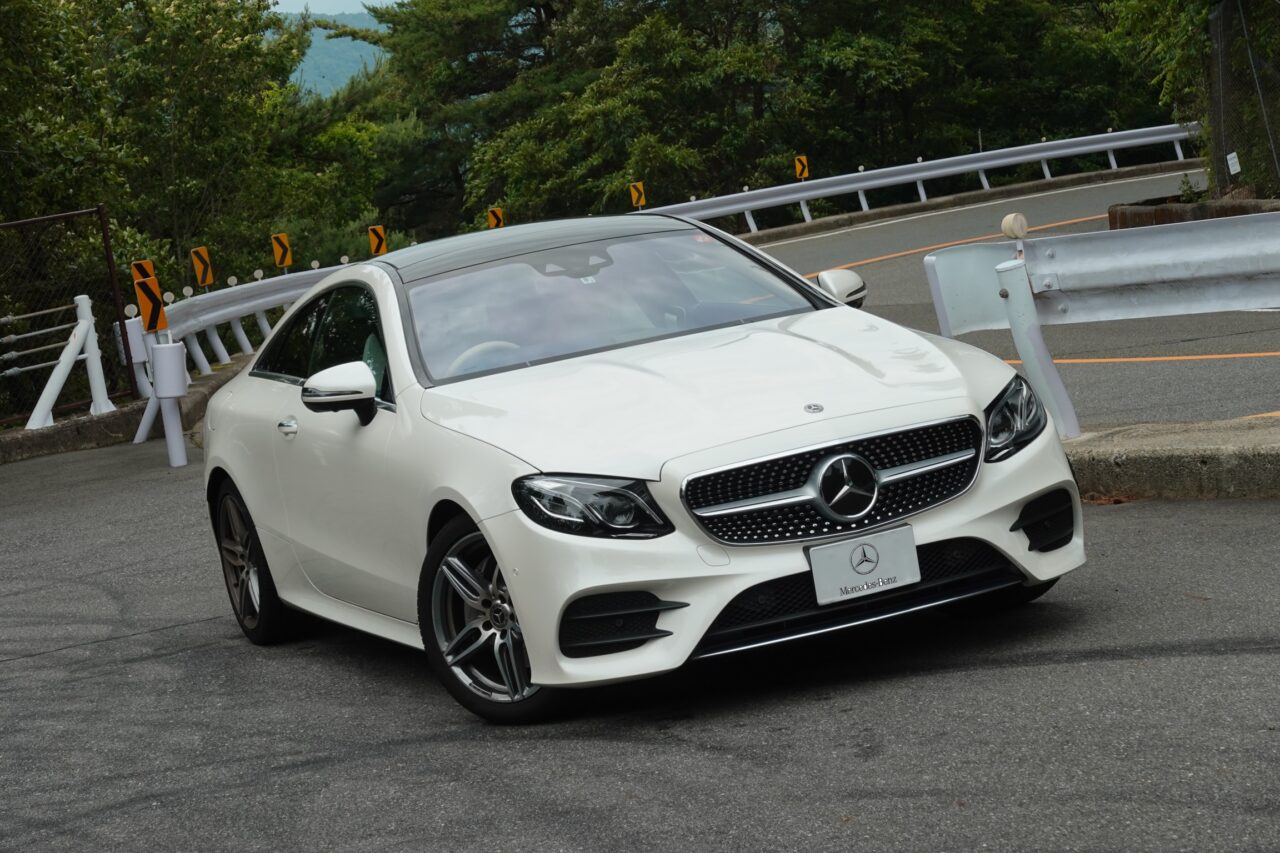
The light front end, thanks to the four-cylinder engine, adds to the experience as the car sweeps through winding roads with ease and comfort. It’s not as vivid or immediate as a sports car, of course, but for most drivers, the response and turn-in feel just right. It’s fair to say this is the car’s greatest strength.
Verdict
The E200 Coupe offers unmistakable luxury, plus ride comfort and handling that won’t disappoint whoever gets behind the wheel. It may not have any one standout feature, but it excels as an everyday car. Compared with the more upmarket S-Class Coupe, it naturally lacks some of that model’s substantial, weighty feel, but its comfort, quietness, and ride quality are all thoroughly satisfying.
Compared with the BMW, the 440i Coupe is undeniably sportier, but I think the E200 has the edge when it comes to the overall balance of ride comfort. The 840i, however, would be the stronger all-rounder.
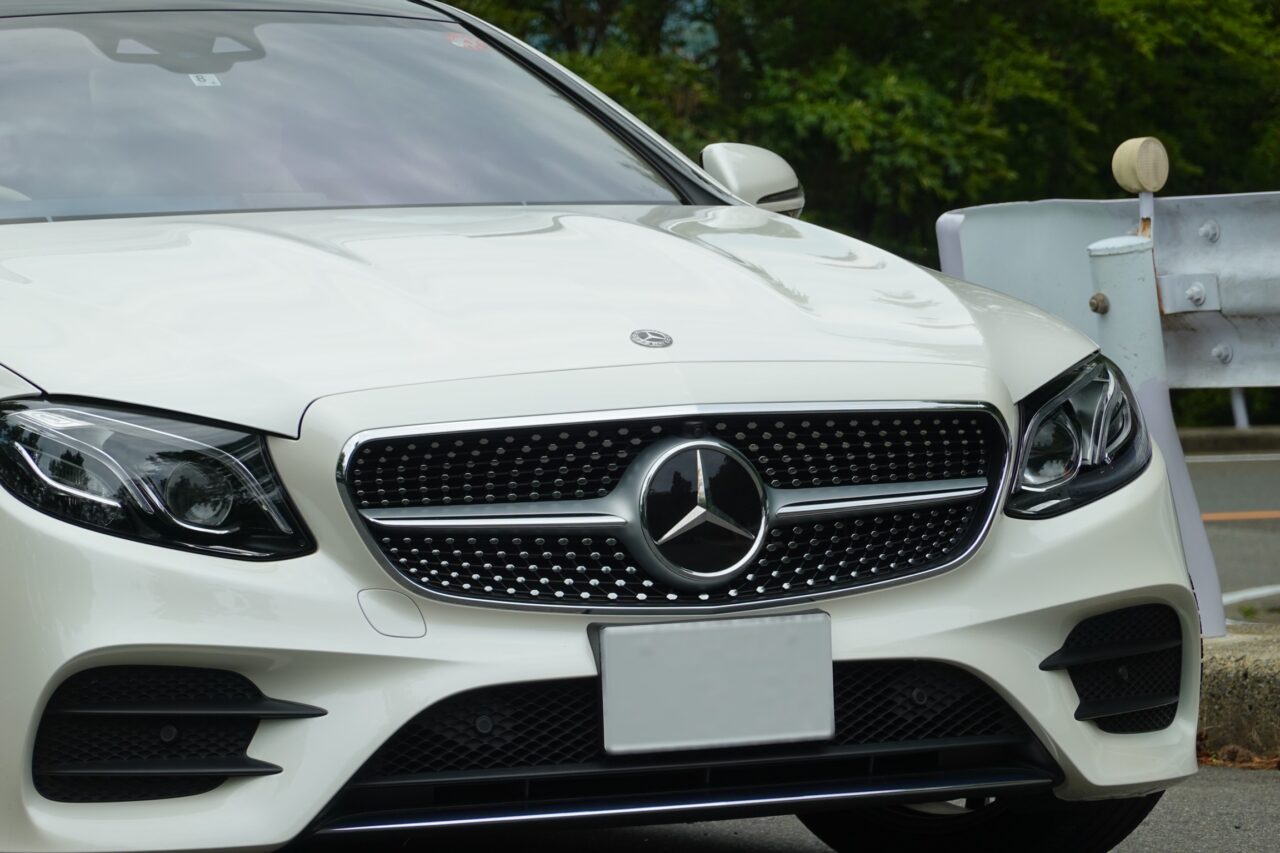
For the E200, the ideal use case is easygoing city driving during the week, weekend dates, and the occasional enjoyable run on winding roads. If you’re after stronger high-speed acceleration and more power, or a more substantial ride rather than winding-road fun, an E300 or above—or an S-Class Coupe—would be the better choice.
I’ve been thinking about adding a luxury coupe to my garage, too. So far, I’ve been looking for a good BMW 4 Series Coupe or an R231 SL, but after driving this E-Class Coupe, I’m considering adding it to the shortlist.
このブログが気に入ったらフォローしてね!
Comment ( 0 )
Trackbacks are closed.
No comments yet.