

Ski Trip with the Tesla Model 3: All-Season Tires Made Snow Driving a Breeze!
公開日:2026.01.13
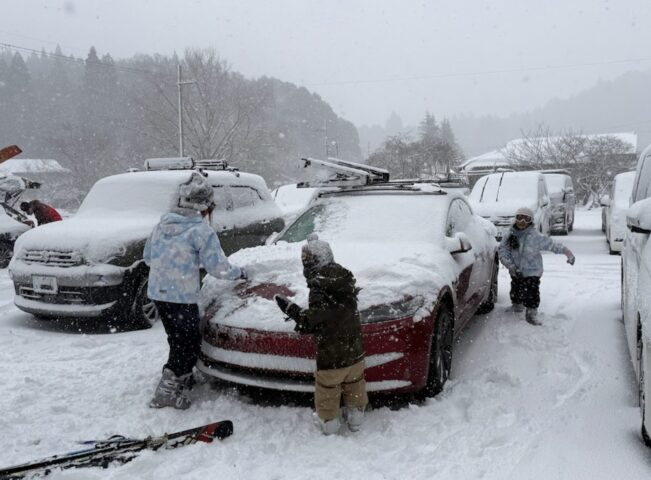

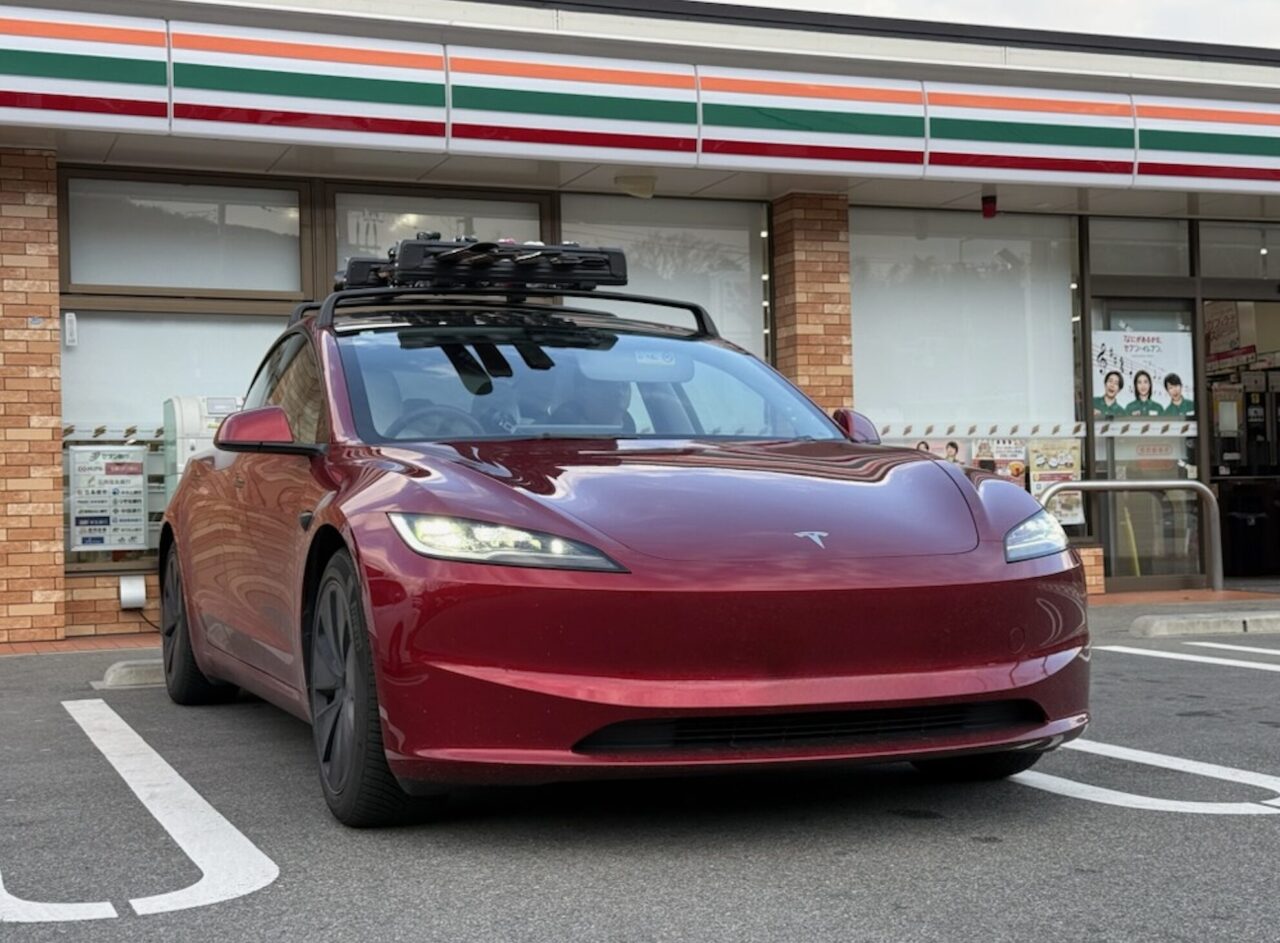
Recently, my family and I went skiing. Our trusty companion this time was our Tesla Model 3 (Long Range AWD).
The tires are Pirelli’s all-season model, the “Cinturato All Season SF 3.”
ピレリの新型オールシーズンタイヤ「Cinturato All Season SF 3」を購入 – テスラモデル3に履かせてみた
You might be wondering, “Can you really handle snowy roads with all-season tires? And in an EV? Doesn’t the battery drain faster in cold weather?”
From my experience, it’s absolutely fine—no slipping that can’t be managed, and we made the round trip without charging once. Today, I want to share my firsthand experience.
Snow Driving Stability: No Worries at All
In fact, last year I took this “Tesla × all-season tires” combo on 5 to 6 ski trips.
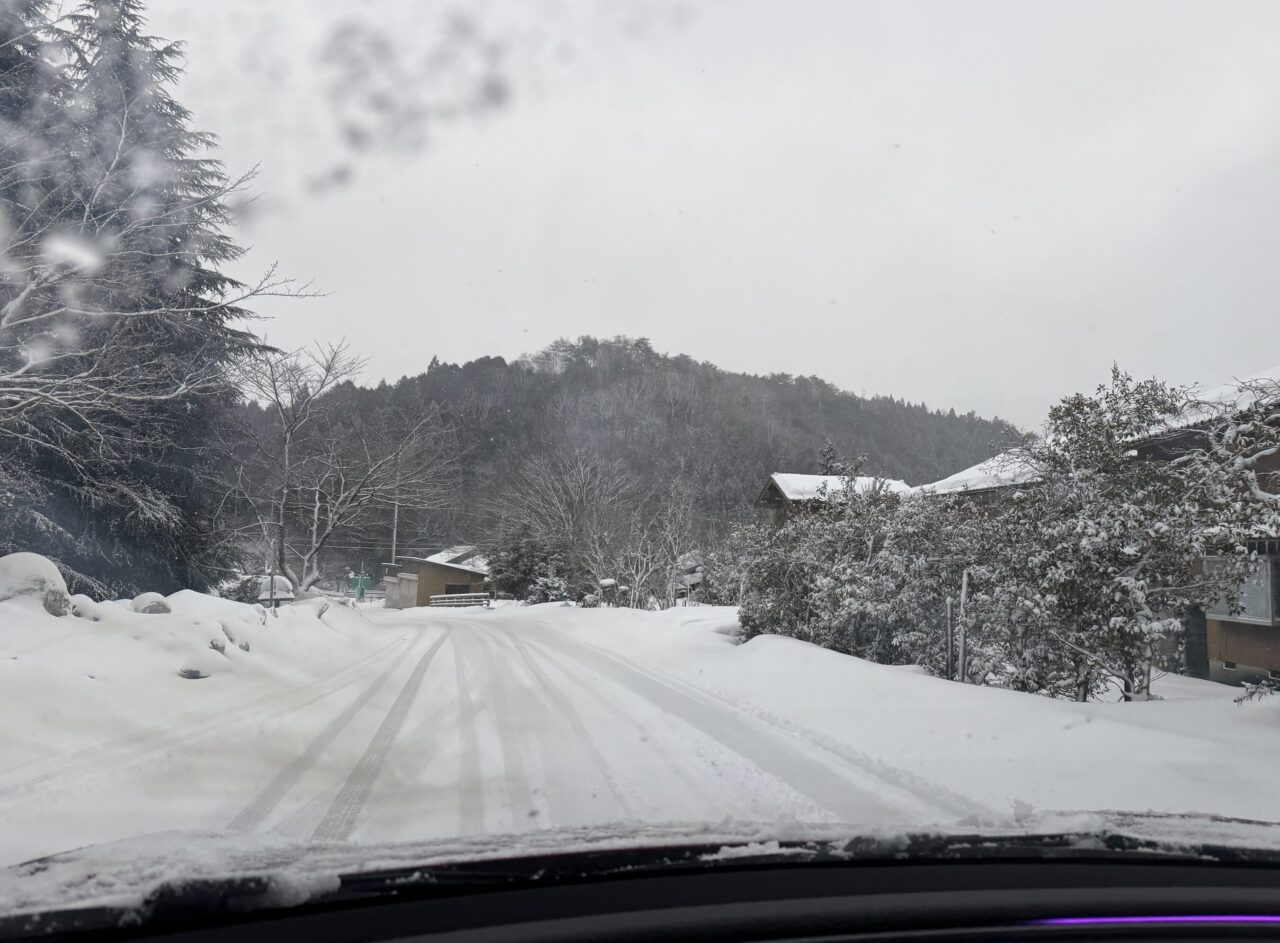
Considering winter road conditions around the Kansai region, we’re not driving through heavy snow zones regularly. On the way to ski resorts, snowplows often clear the roads, so you rarely encounter slick ice patches.
Most of the time, the roads are wet or slushy. That said, the final uphill stretches to ski resorts often have solid snow cover.
Even after driving through quite a bit of snow last year, I hardly felt any anxiety. There was no sign of getting stuck on uphill climbs. Of course, when braking downhill, you might feel a brief “grip slip” sensation.
But it’s not a scary “I can’t stop” feeling—instead, the car’s control systems provide a reassuring sense of stability.
Though this season has just started, after two winters behind the wheel, my honest impression is: “This is totally manageable.”
New This Season: Installing the Genuine Roof Rack
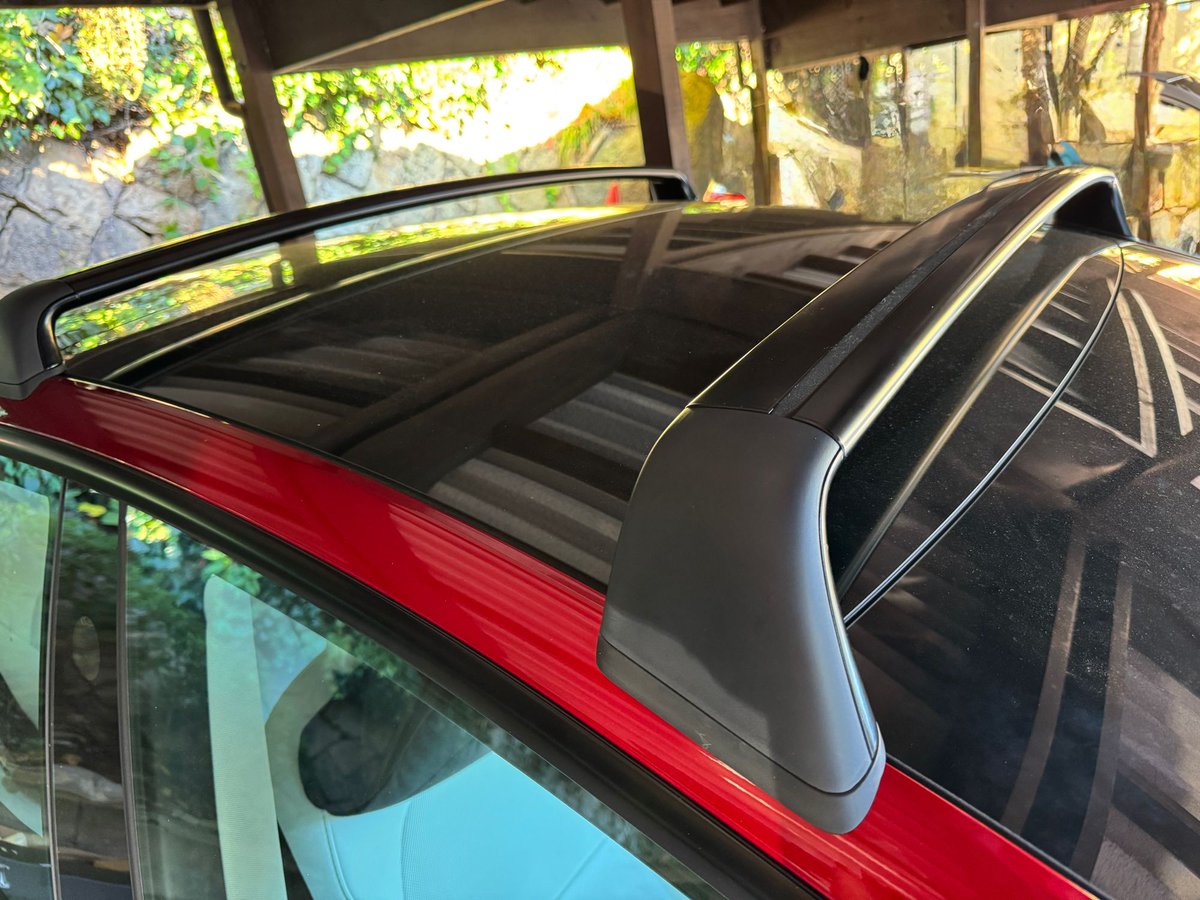
This time, we tried something new by installing a Tesla genuine roof rack to carry our skis.
Until now, we rented skis and boots at the resort every time. The reason was that kids grow fast, so buying skis felt like a waste. But skiing 5 to 6 times a season means rental fees for the whole family add up quickly.
So we concluded that “season rentals plus transporting skis on the Tesla” would be the most cost-effective solution.
There was some concern that adding a roof rack with skis might increase air resistance and make driving harder.
But in practice, at normal speeds, it didn’t feel awkward at all.
On days with strong crosswinds, especially when cruising in the passing lane, you might notice a bit more wind resistance.
Noticing Changes in Energy Consumption
However, I did notice a slight impact on energy efficiency. Recently, we drove from home to Hachi Kogen Ski Resort in Hyogo Prefecture (just under 150 km).
The battery was at 90% when we left but dropped to 50% upon arrival.
Compared to last winter on the same route, energy consumption seemed worse.
Whether this was due to the roof-mounted skis increasing drag or simply the continuous uphill climbs is unclear, but battery drain was definitely faster.
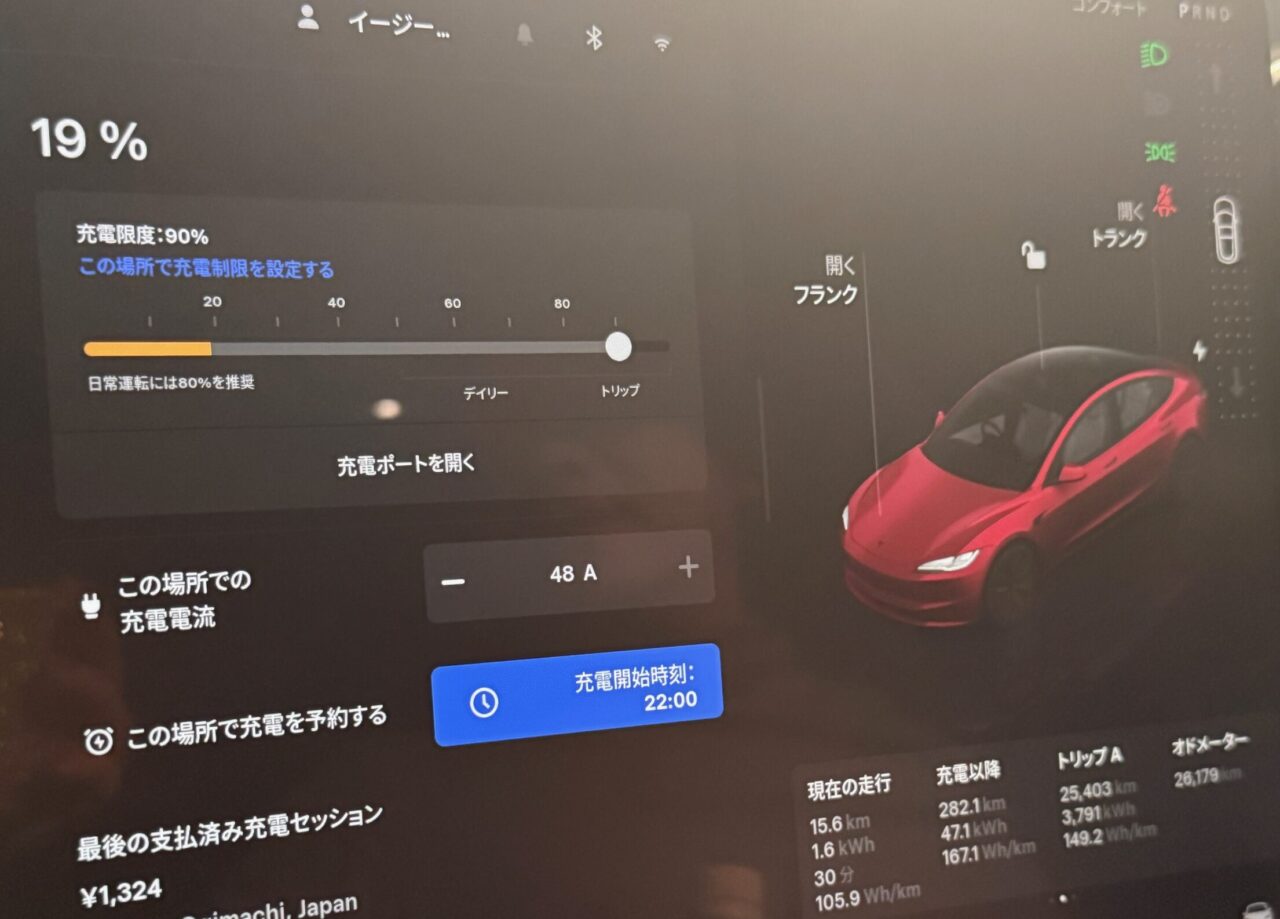
On the way back, with more downhill stretches, energy consumption improved, and we returned home with 19% battery remaining.
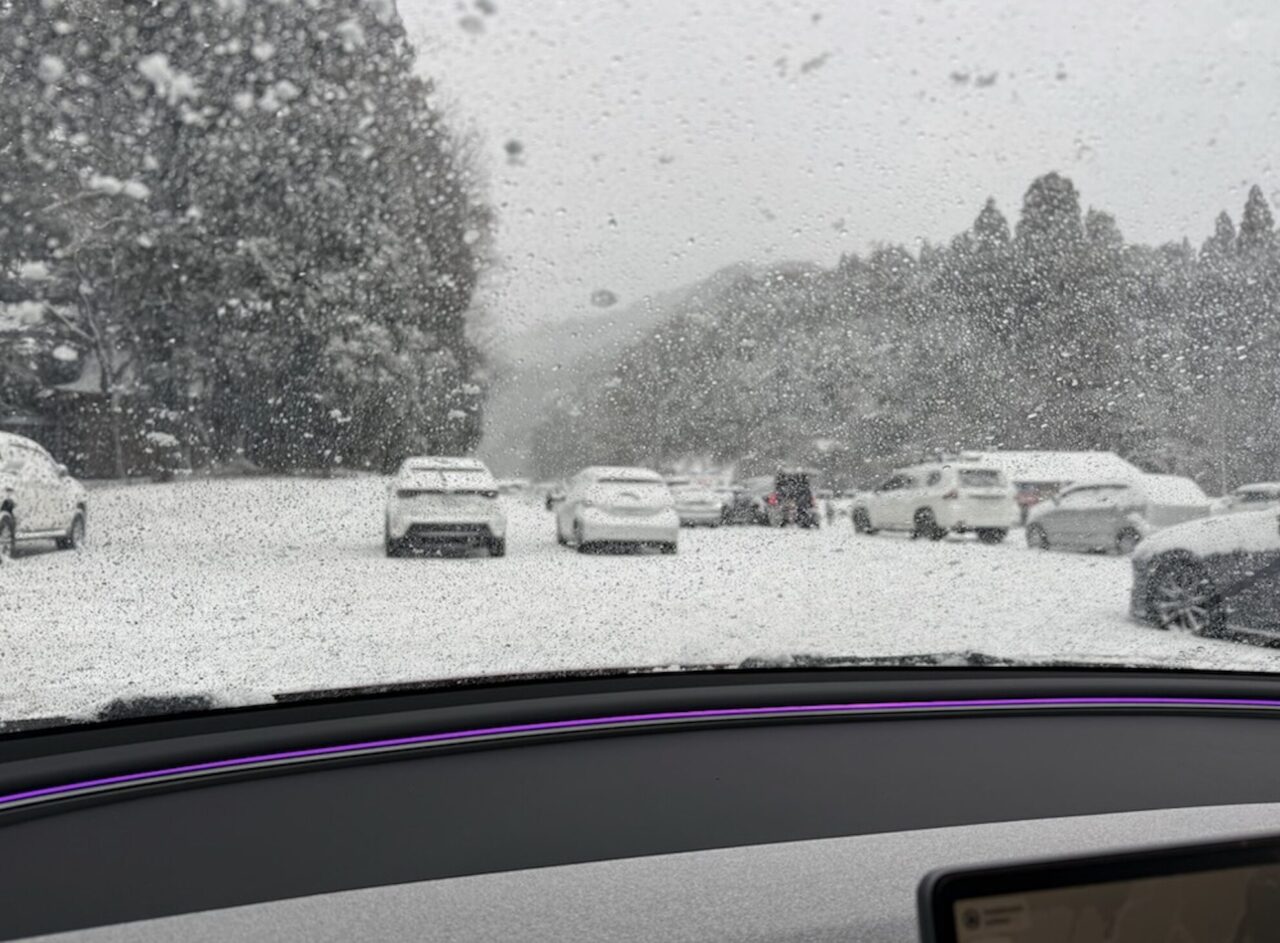
I’ve never seen another Tesla at the ski resort before, but the Model 3’s ground clearance is sufficient, and its snow driving capability is excellent.
While some say “EVs are scary in snow,” my experience completely contradicts that. The torque is strong, the center of gravity is low, and the control systems provide very stable handling.
By the way, next month in February, there’s a Tesla ice driving experience event at Megami Lake in Nagano Prefecture.
Sliding on a frozen lake is a rare opportunity, and I’m very interested. I hope to join once my kids are a bit older.
Driving a Tesla in snow is no problem at all, but if I were to be picky, a more spacious Model Y would offer even more comfort.
Still, the under 1900mm width of the Model 3 is very appealing, so for now, this remains our perfect fit.
This season, I expect to head to the snowy mountains a few more times with our Tesla Model 3.
このブログが気に入ったらフォローしてね!
Comment ( 0 )
Trackbacks are closed.
No comments yet.