

Mercedes-Benz R231 SL400 Review, Part 2: Grand Touring Excellence and the Joy of Open-Air Driving
公開日:2025.10.02
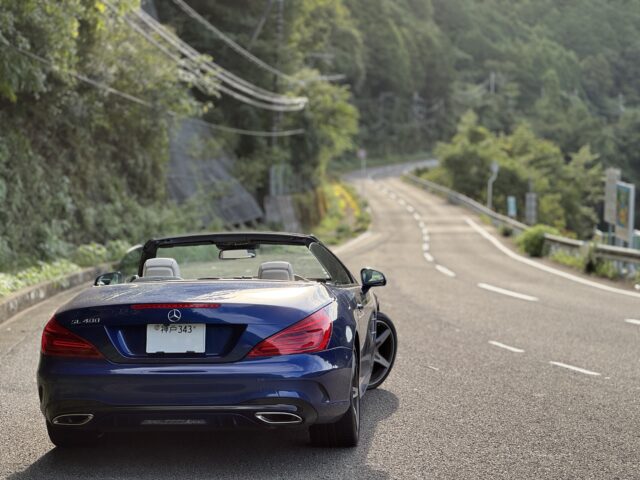

コンテンツ
In Part 1, I explored the R231 SL400’s Active Body Control and the appeal of its 276 engine. In this second installment, we’ll take a closer look at what this car does best: its handling, highway performance, and comfort as a convertible.
After covering 1,000 kilometers behind the wheel, one thing became clear: the SL400 is an exceptionally accomplished grand tourer. It’s more than a way to get from A to B—it makes the drive itself the destination.
The Essence of Mercedes-Benz Handling
The SL400’s handling feels unmistakably Mercedes-Benz. Its straight-line stability is remarkable, with the car always seeming eager to track true. That quality comes into its own on the highway.
You might expect such a strong preference for straight-line running to translate into pronounced understeer in corners. But here’s where Mercedes-Benz gets things just right: the car turns precisely in response to your steering input. That dependable, confidence-inspiring response—never leaving the driver second-guessing the car—is a reflection of Mercedes-Benz’s safety-first philosophy.
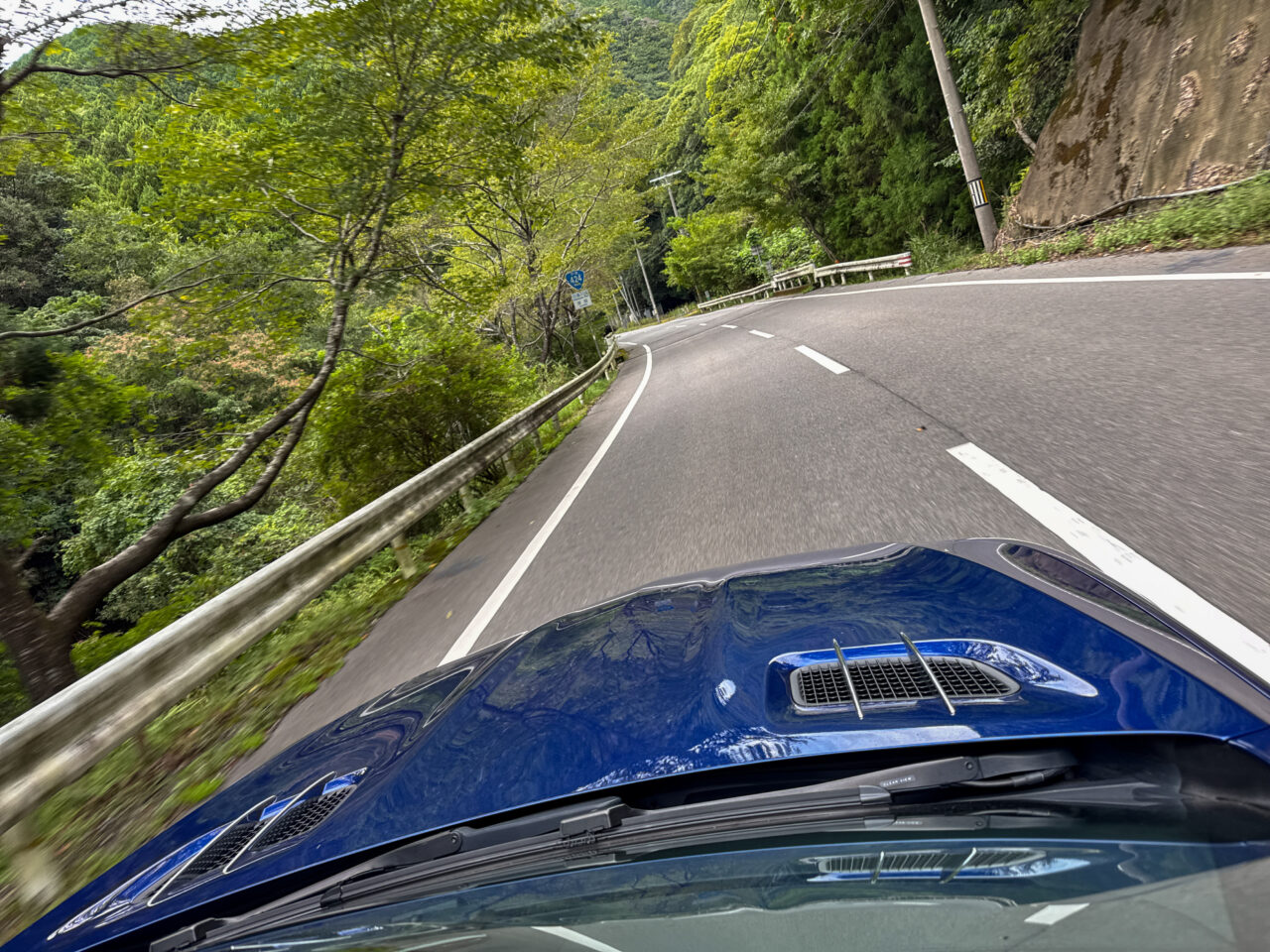
Unlike the more visceral handling of a Porsche or BMW, the SL responds to the driver’s intentions with reassuring precision. It feels like a setup shaped by a focus on avoiding danger. This isn’t a car built to chase lap times at the limit, but it’s ideally suited to covering long distances in comfort and safety.
I also let a few Porsche owners take it for a drive, and every one of them came away impressed. The SL400 is especially enjoyable in Sport mode, with the kind of appeal that makes you want to keep driving. That may be the very essence of a grand tourer.
Built for the Autobahn, at Home on the Highway
On the highway, the Active Body Control system’s ability to keep the body level becomes even more impressive.
It delivers a degree of stability that conventional suspension simply can’t match. In a YouTube video, Roland described the ride of his R231 SL65 as “on par with a Rolls-Royce Wraith.” That’s exactly how the SL400 feels to me.

As speed rises, ABC automatically lowers the car, helping it feel more planted on the road. Cruising at speed in Sport mode is pure pleasure. A Porsche may have the edge at racing speeds, of course, but few cars can match the SL for covering the Osaka–Tokyo distance without tiring you out—even without a break.
The SL was born for the Autobahn, so Japan’s slower roads—or, to put it another way, its highways—are easy work.
More than 20 years ago, I was cruising in the passing lane on the Tomei Expressway in my Audi TT Coupé when an R230 SL500 suddenly appeared behind me and swept past on the left, probably at over 200 km/h. The car’s composure has stayed with me ever since. That arrow-straight stability is the SL’s defining strength.
The SL’s confidence at speed makes a 500-kilometer day behind the wheel feel entirely within reach. When I’m on the highway, I find myself wanting to see how much farther I can go.
Open-Air Comfort and Sumptuous Seats
The SL400’s seats don’t have the massage or dynamic seat functions found in higher-spec models such as the SL550 and AMG versions, but they’re still impressively comfortable. Thick cushioning and a wide range of adjustments help keep fatigue at bay, even on long drives. The ventilation function is modest by today’s standards, but heated seats and AIRSCARF—which blows warm air around your neck—make open-top driving comfortable even in winter.
With the top down, there’s far less wind buffeting than in a Boxster—among the best in its class for an open car. Raise the rear wind deflector and comfort improves further, making highway driving perfectly manageable. It doesn’t quite match a 911 Cabriolet with its wind deflector raised, but it’s comfortable enough to cruise on the highway with the roof down.
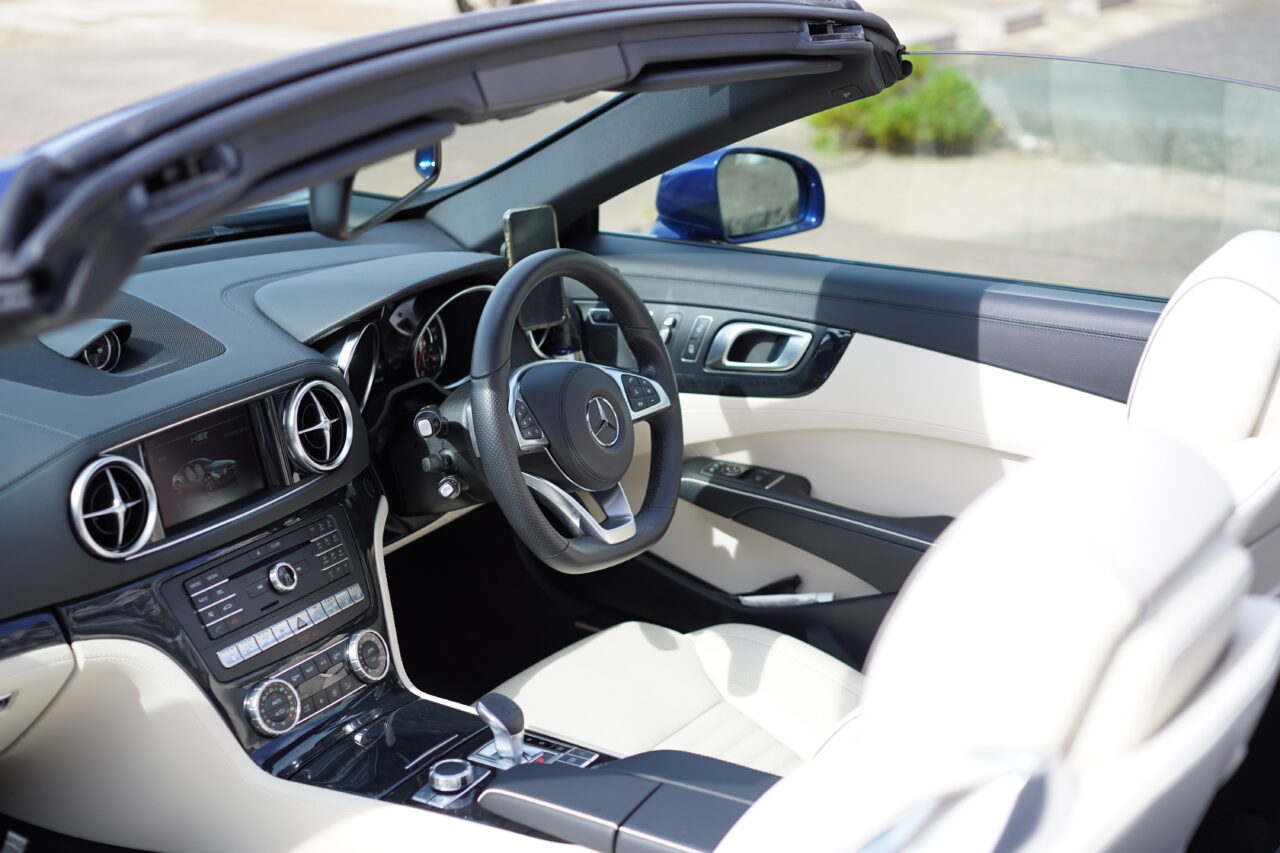
The wind deflector deploys at the touch of a button, making it wonderfully convenient. Driving with the top down offers a special kind of enjoyment that only the SL can deliver.
There is, however, one thing I’m not happy with: the sound system.
Unlike the higher-spec models, the Japanese-market SL400 doesn’t come with a Harman/Kardon audio system. Instead, it has a basic factory setup with eight speakers—and the sound quality is truly poor. I’ve never been fussy about car audio, but even I find it disappointing. The treble is harsh and tinny, and the sibilant “s” sounds in vocals are particularly grating. The midrange is muddy, too, and no amount of equalizer adjustment can fix it. I’m considering an upgrade, perhaps by replacing the speakers.
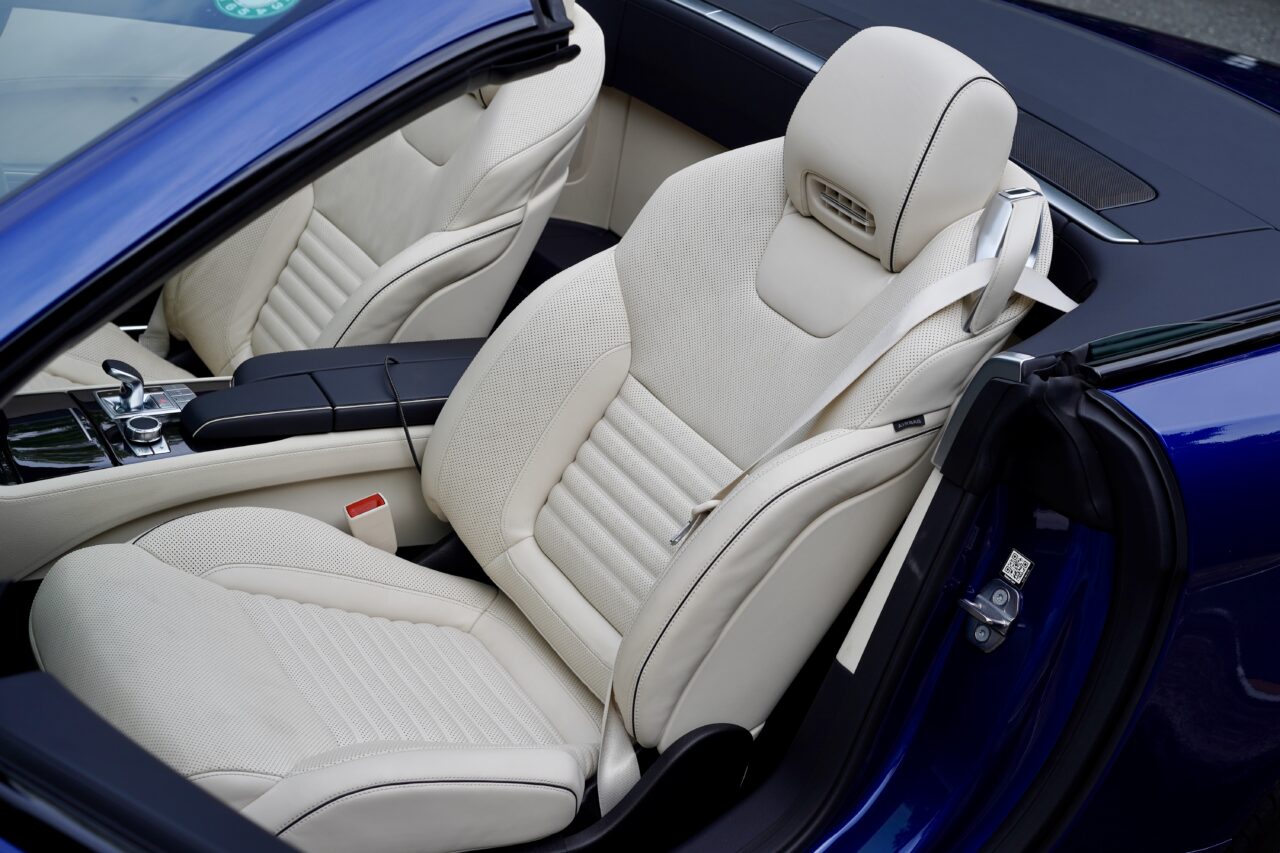
Sadly, Mercedes-Benz no longer makes seats this substantial.
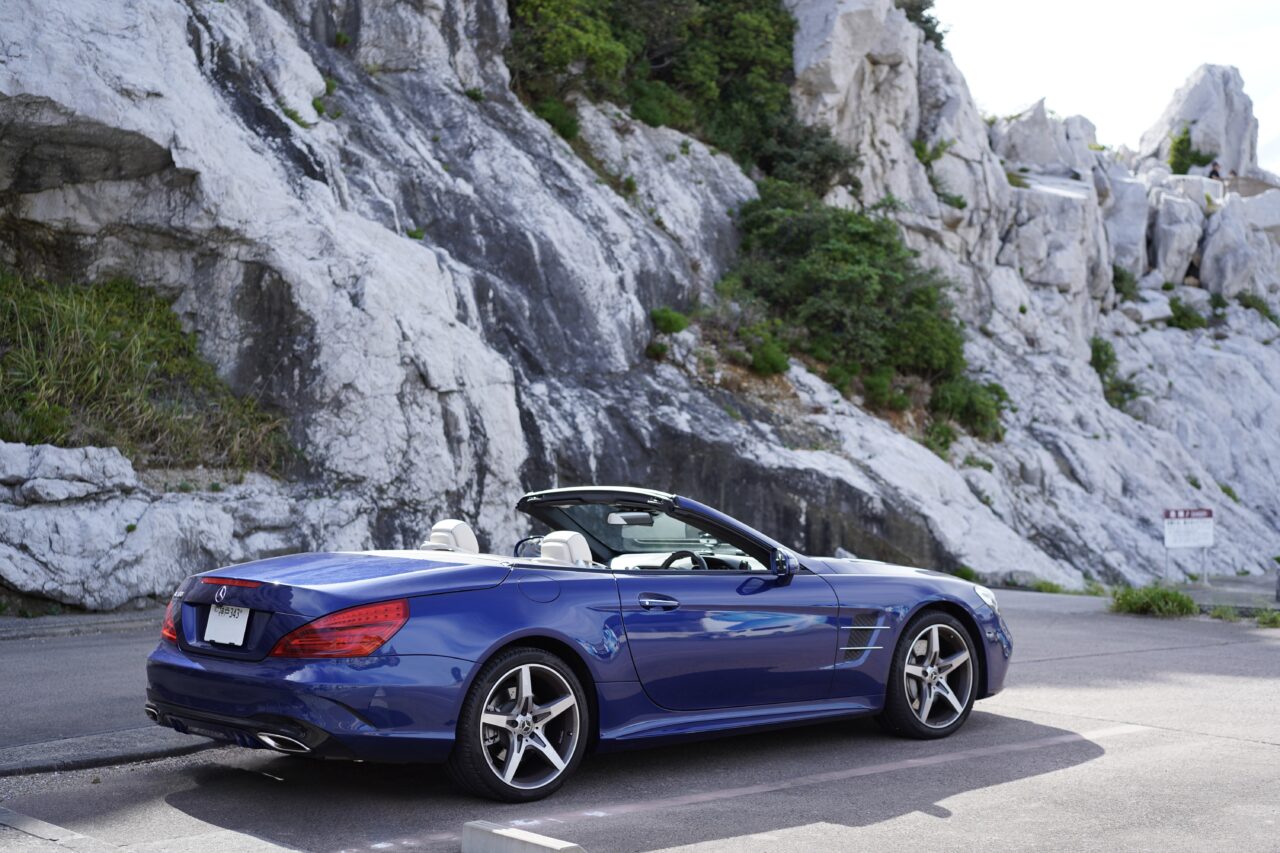
The Grand Tourer’s True Strength on a Long Drive
I took the SL400 on a short tour toward Wakayama, and the fun of driving through the winding roads of the countryside was unforgettable.
A 100-kilometer drive in a Porsche can be intensely rewarding, but it also leaves you with a fair amount of the good kind of fatigue. In the SL, I could cover 200 kilometers and feel just as fresh. That easygoing appeal—the way it makes you want to keep adding miles—is the car’s greatest strength.
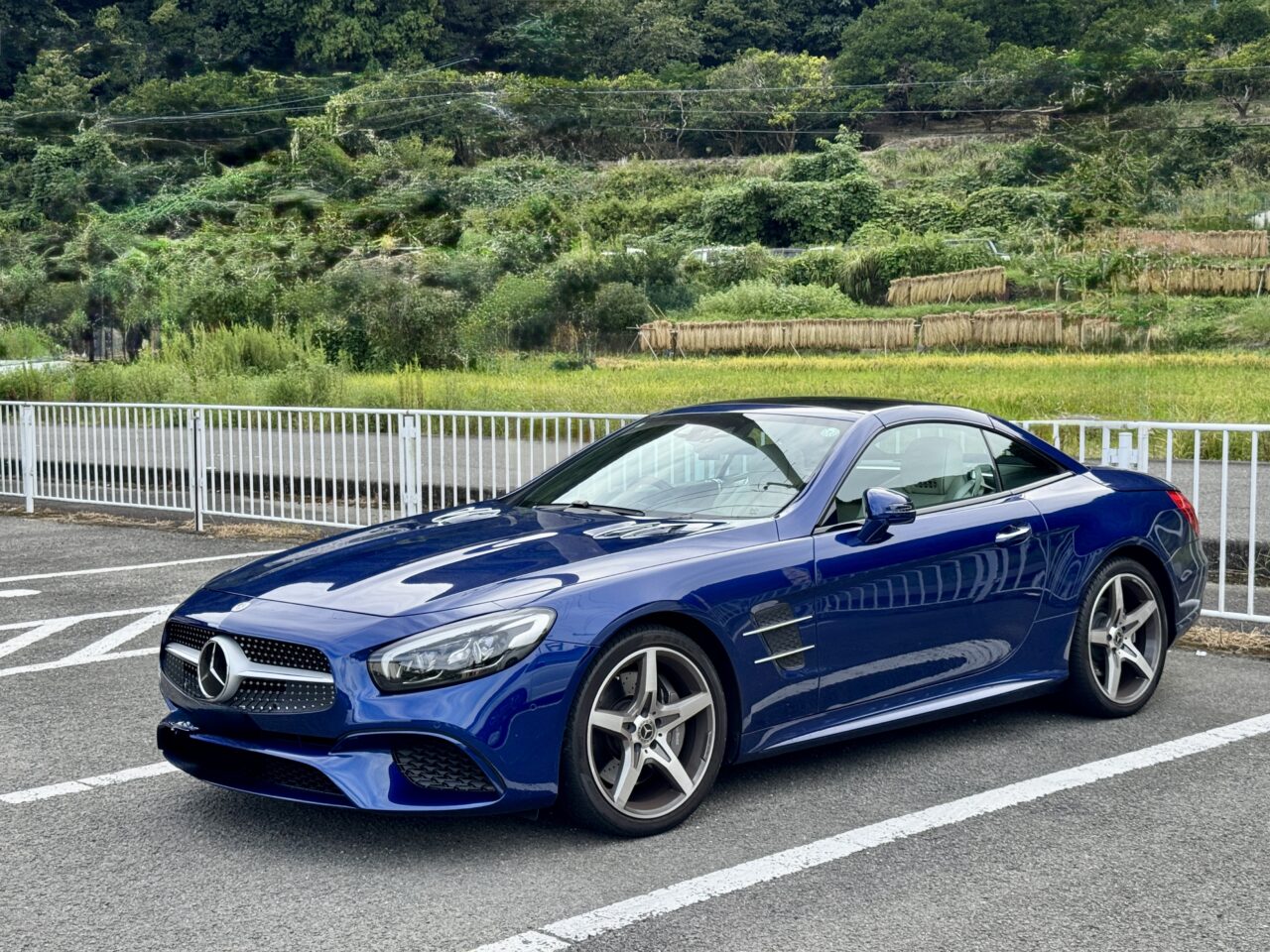
On a tour, you encounter all kinds of roads and driving conditions. A Porsche might leave you thinking, “That road was great—and so was that one.” The SL, by contrast, makes every road enjoyable and leaves you wanting to drive farther. You can keep covering ground without wearing yourself out. It’s a car that makes you want to drive all day.
That, to me, is the essence of a grand tourer: a rare blend of comfort and driving enjoyment that makes the journey itself the point.
I’m convinced the R231 is the last of the true SLs. I’ve grown so fond of this car that I can’t imagine parting with it anytime soon. If you’re interested, it’s well worth looking for one on the used-car market. I hope more people get the chance to experience this flagship grand tourer from Mercedes-Benz.

このブログが気に入ったらフォローしてね!
Comment ( 0 )
Trackbacks are closed.
No comments yet.