

Porsche 911 (992) Road Test: How Does It Drive on Public Roads? [Part 2]
公開日:2020.03.08
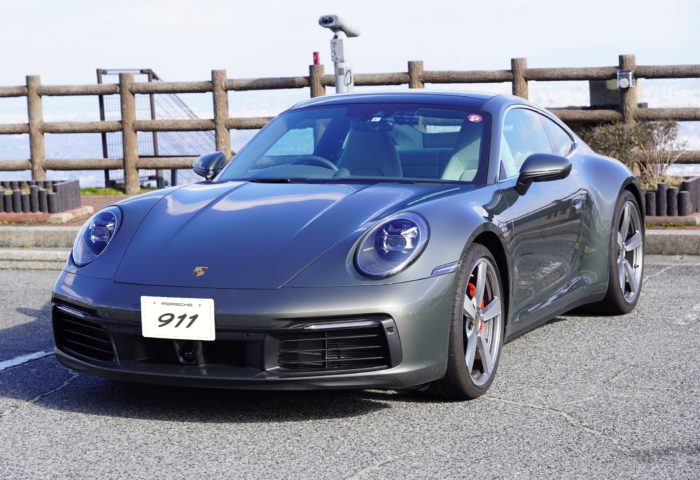

Following on from our Porsche 911 (992) road test: Part 1, here’s the second half of the review.
Behind the Wheel of the New Porsche 911 (992)
On the Winding Road: Sport and Sport Plus Modes
I switched to Sport and Sport Plus, then tried shifting manually. The Sport Exhaust flaps opened, giving the exhaust note a deeper tone. But the biggest difference wasn’t volume—it was the change in sound quality.
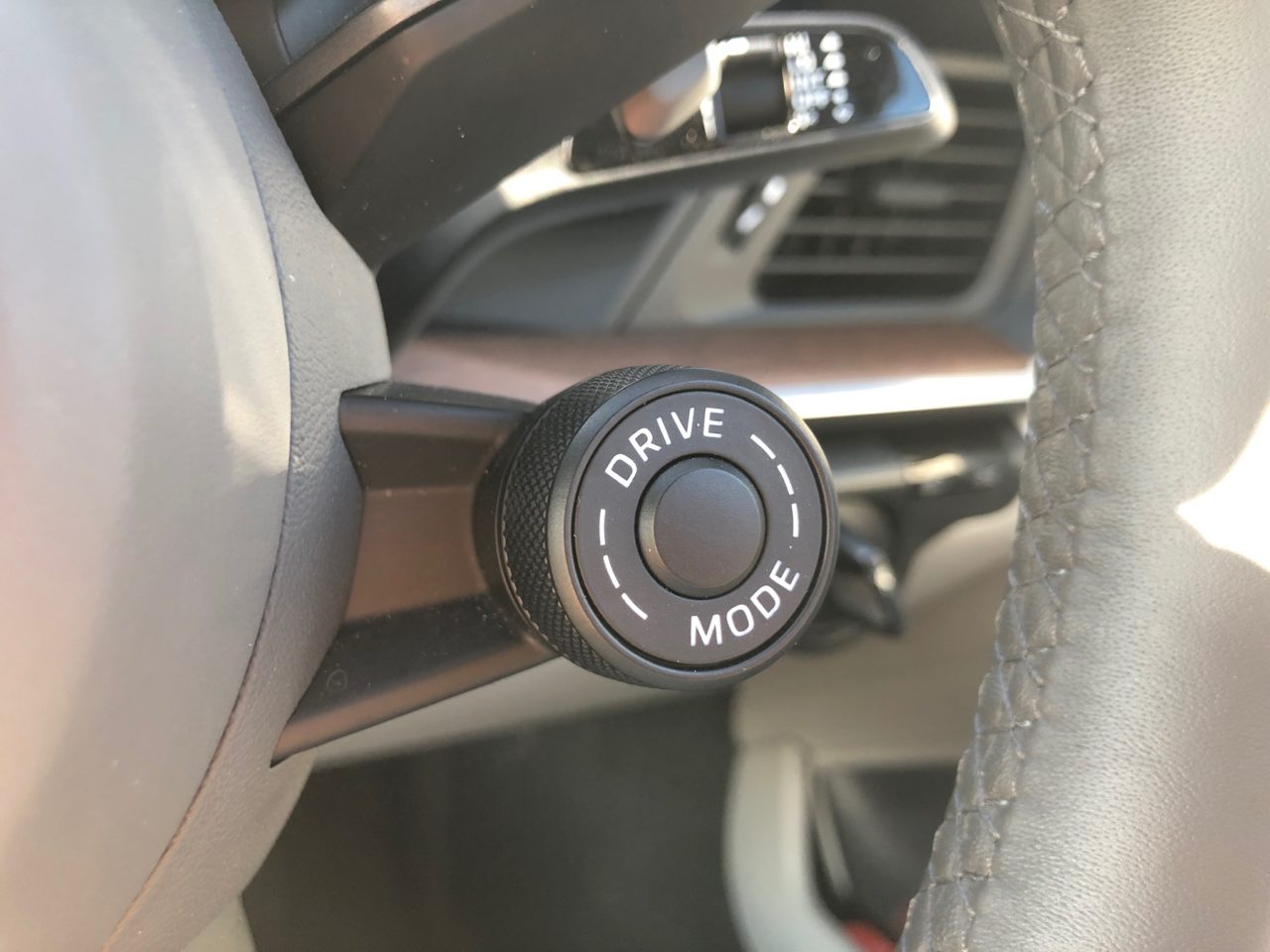
Later, I asked the dealership representative, “With the Sport Exhaust on this car, there isn’t much difference in volume between ON and OFF, is there?”
“I think that’s because you’re used to the 981 Boxster GTS and the 4.0-liter V8. Those engines have a much more dramatic change in volume.”
Perhaps, with modern noise regulations, sportiness is now conveyed more through a change in tone than a dramatic increase in volume.
In Normal mode around town, the paddles seem to shift with a slight pause. In Sport Plus, though, the shifts are lightning-fast. The PDK shifts noticeably faster than the unit in the 971 Panamera.
It comes remarkably close to the ferocious response of the 991 GT3’s PDK in Sport mode. This is purely subjective, but in my experience, the 992’s PDK in Sport Plus shifts faster than the McLaren 720S, Ferrari 488, Lamborghini Huracán, and Nissan GT-R.
The way it snaps through the gears, punctuated by a loud “bang!” on each shift, makes a winding road an absolute thrill.
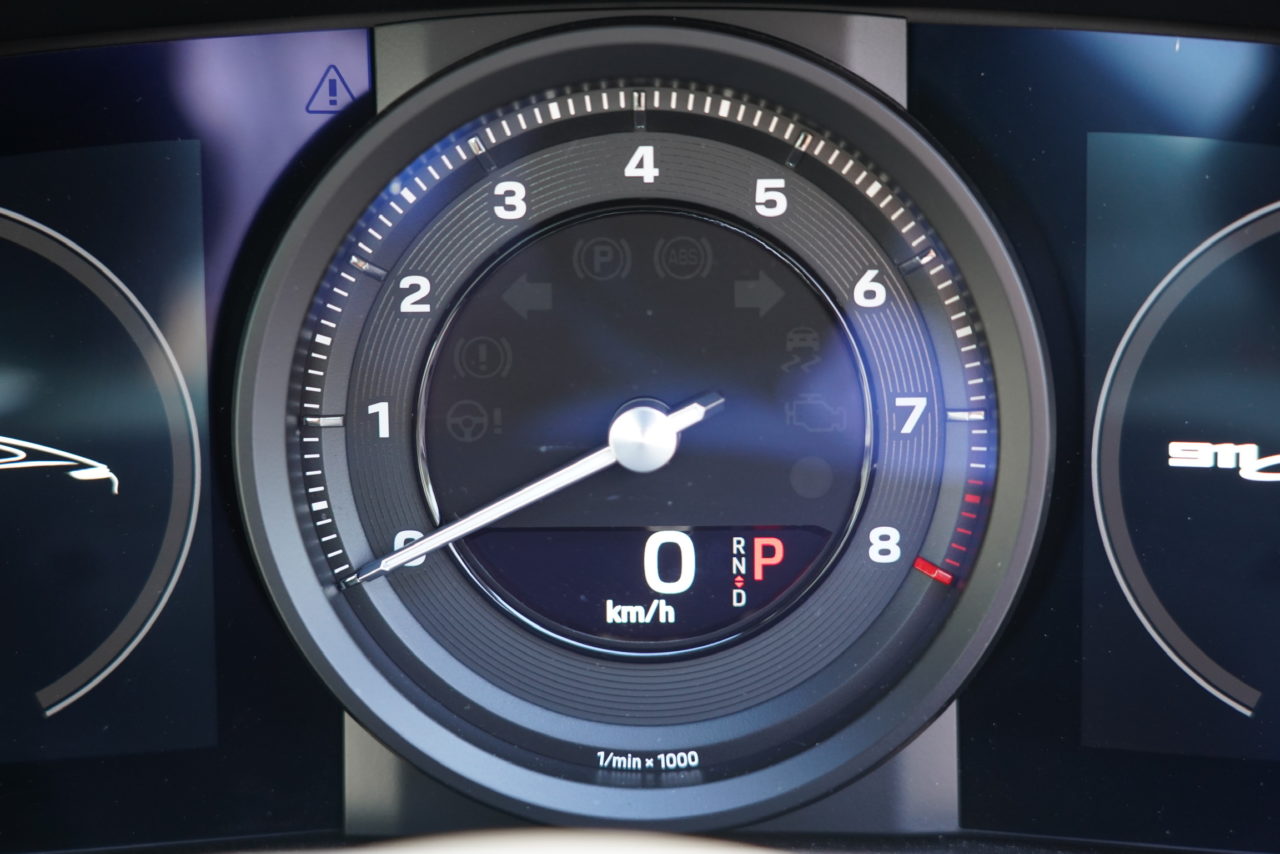
Porsche must have poured an extraordinary amount of time, money, and passion into developing the PDK. Compared with other manufacturers, its transmission seems to be a cut above.
Even with the Sport Exhaust switched off, the engine still sounds suitably racy. You can hear it clearly even with the coupe’s windows up. My memory may not be perfect, but the engine seemed more audible than in the 991.1 Carrera 4S and 991.2 Carrera Cabriolet I’d driven before.
Power Delivery
The 3.0-liter turbocharged flat-six produces 450 PS. It’s certainly quick, and I never felt short of power. But it doesn’t deliver so much power that it’s difficult to manage. I’m used to the GT3 and Panamera Turbo, so take that for what it’s worth—but I never felt that the car had so much power that I couldn’t use it.
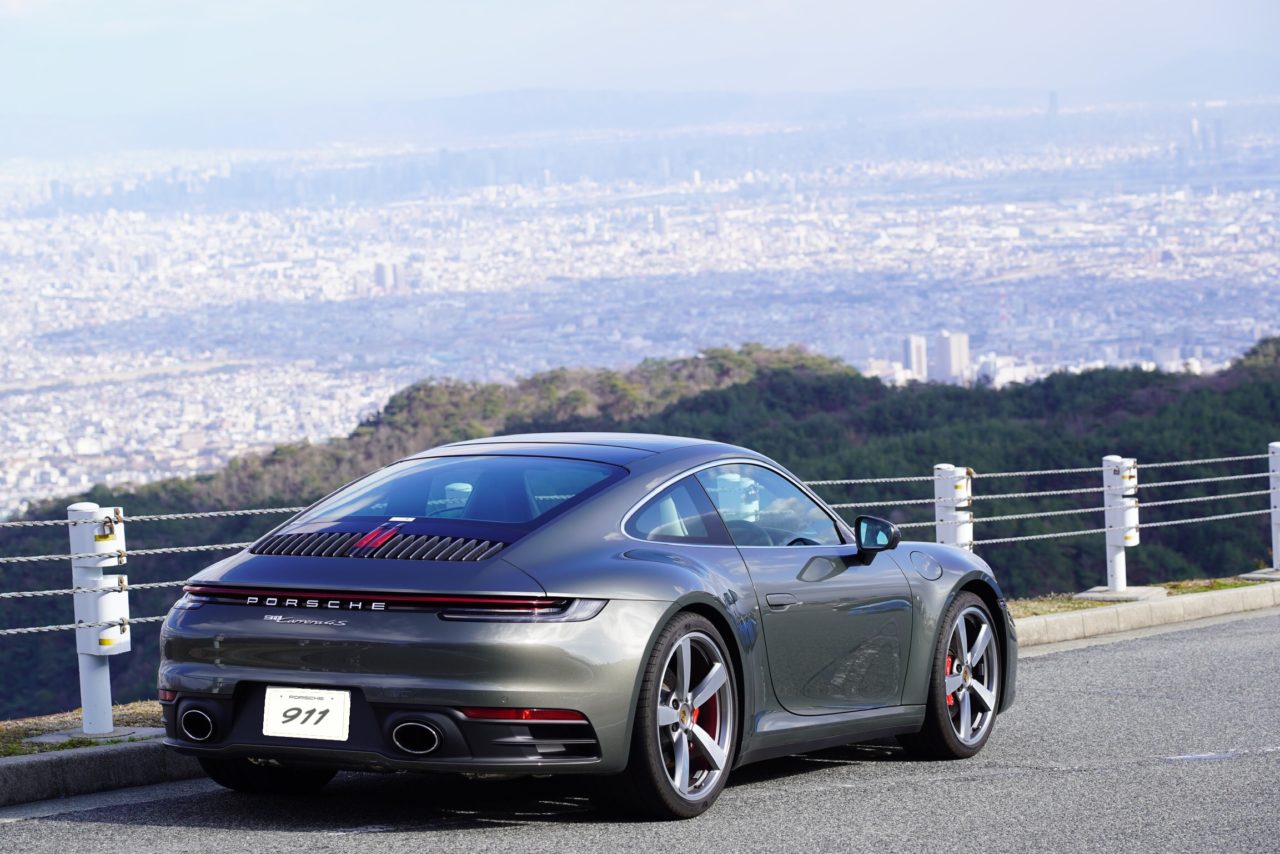
There’s plenty of torque low in the rev range, and in everyday driving, turbo lag is virtually nonexistent. It feels like a powerful yet easy-to-use engine.
On the other hand, to put it less kindly, it’s such a polished all-rounder that the engine doesn’t leave much of an impression. As I write this, I’m trying to recall what stood out. All I can really say is that it was a smooth-revving, powerful, excellent engine that felt great—but the details haven’t stayed with me.
I also spoke with someone who had driven both the base Carrera, with 385 PS, and the Carrera S. They said that in normal driving, the difference in power doesn’t feel as large as the figures suggest. The sound is almost identical, too. The S does feel stronger as the revs climb, however, with more power on tap at higher rpm.
Cornering and Suspension
Through a series of corners, the tires’ contact with the road comes through clearly. It’s easy to sense what all four wheels are doing, and that connection feels even stronger than in the previous-generation model. There’s no hint of uncertainty; you can feel exactly where the tires are pointed.
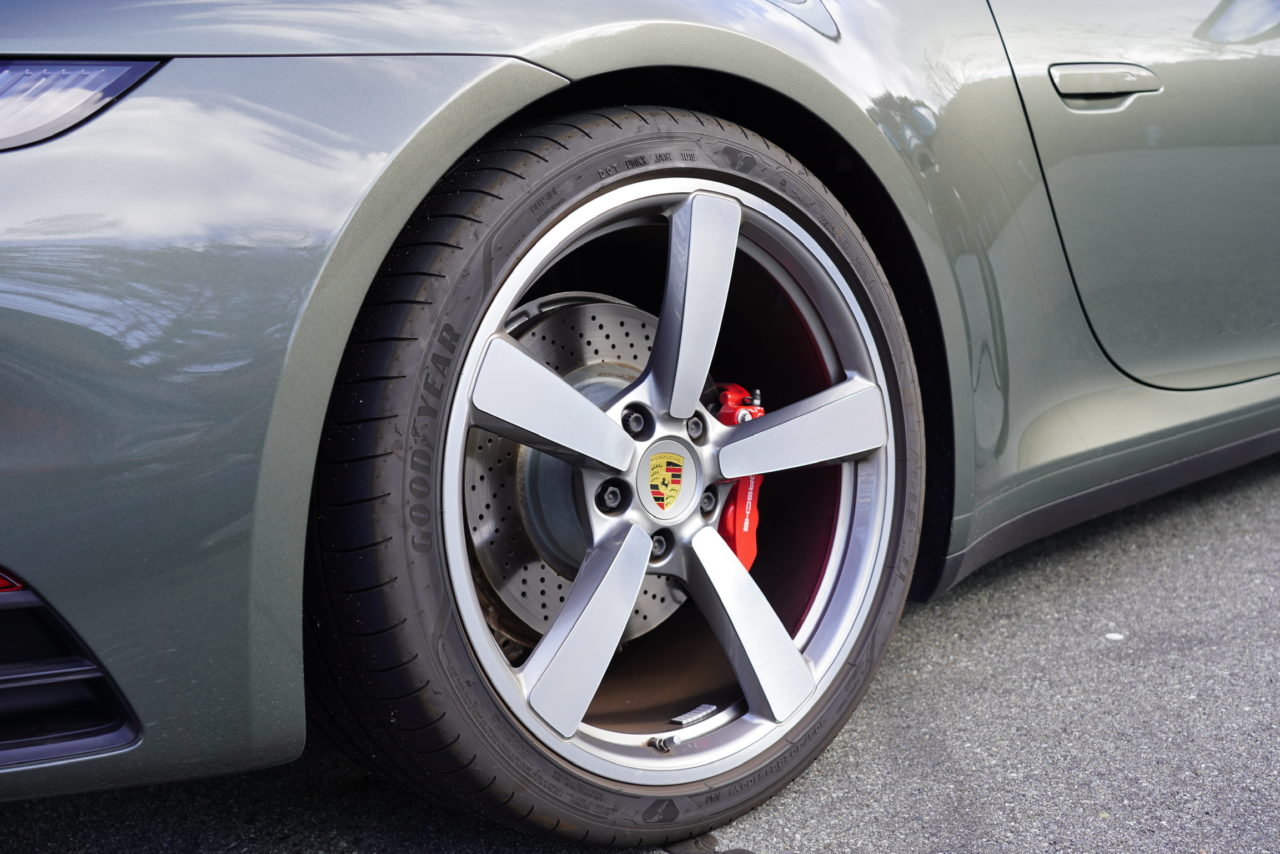
There’s a corner where the rear end tends to step out when I push hard in my GT3. I tried the same thing in the Carrera 4S, and its all-wheel drive made the difference. The system presumably sends torque to the front wheels almost instantly, letting the car exit the corner in a completely composed, stable stance.
If you’re looking to throw the car around and enjoy a lively rear end, the 992—especially the Carrera 4S—is simply too capable to make that easy on public roads. To me, it’s best described as a fast, all-weather grand tourer built to cover ground quickly and confidently.
This test car had the standard PASM suspension, not PASM Sport. In Normal mode, the ride is very comfortable. It does move a little over larger bumps, but it’s well within acceptable limits. I doubt many people would find the ride uncomfortable.
Switch PASM to Sport, and the suspension firms up noticeably. The difference felt more pronounced than it did in the 991. Bumps at low speeds become more noticeable, and the ride felt about as firm as the PCCB-equipped GT3 in Normal mode, or perhaps a little softer.
With PASM Sport selected, I took a medium-speed corner. The tires continued to feel planted, with that sense of gripping the road and refusing to let go. The car felt utterly stable, without the slightest hint of nervousness.
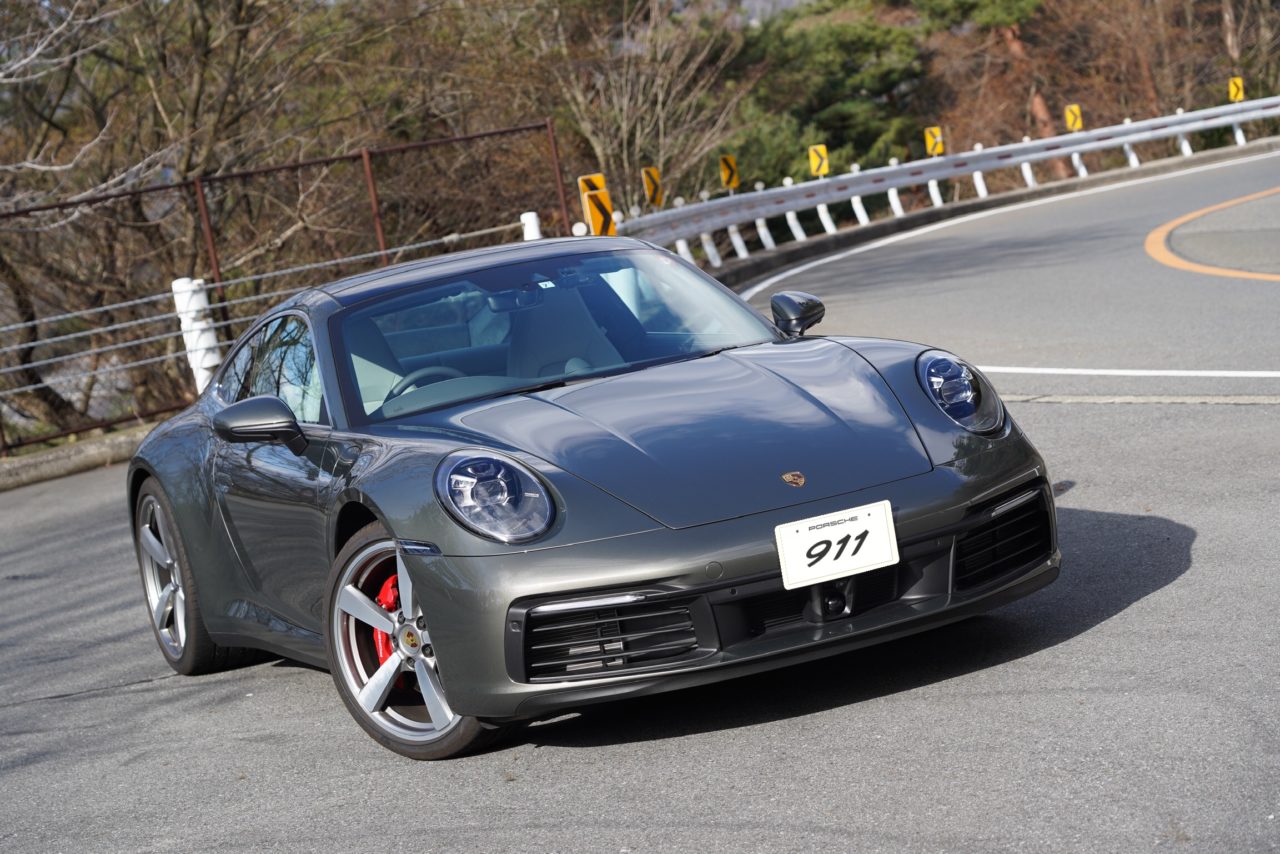
It doesn’t have the GT3’s dramatic, almost carve-through-the-road cornering, nor the Boxster’s light, nimble feel, like drawing a circle with a compass. It sits somewhere in between—perhaps a little closer to the GT3—and simply takes a clean, steady line through the corner.
Once again, the 992 feels almost too accomplished. To discover what it can really do, you’d have to take it to a racetrack.
The test car had covered only about 5,000 km, so the ride may well improve further as it breaks in. In my experience, Porsche suspensions become noticeably more supple after around 15,000 to 25,000 km. I’d love to try one that’s had a little more time to mature.
Final Verdict on the New Porsche 911 (992)
After the test drive, on my way back, I suddenly realized that I’d gotten so used to the car that I was driving it without a second thought, just like “my usual Porsche.” It felt as though I’d forgotten it was a test car; nothing about the drive felt unfamiliar.
That sense of familiarity convinced me that the 992 is, without question, a true Porsche.
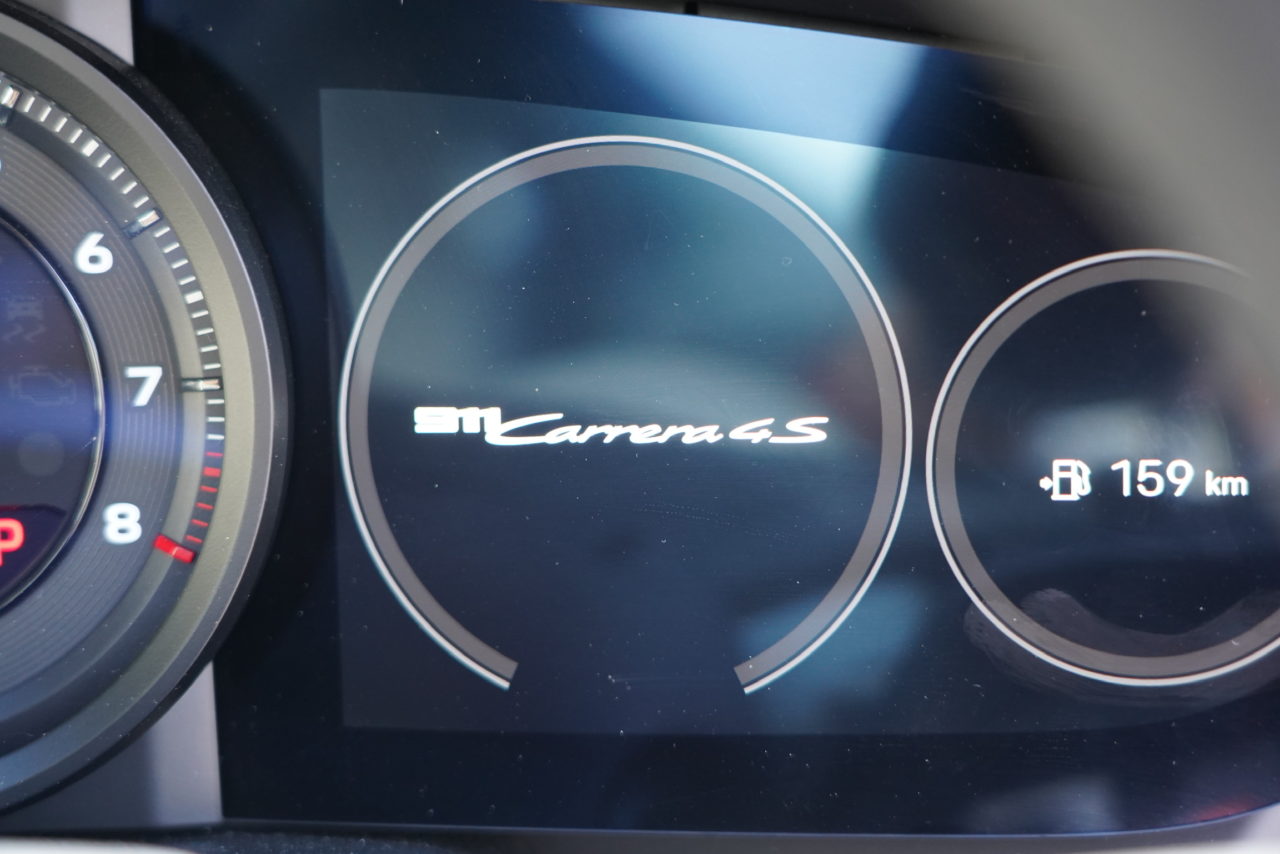
Some cars feel almost completely different with each new generation. But even after a major redesign, the 911 is still a 911. It’s easy to drive, highly capable, and impressively well-rounded—but its handling, controls, and overall feel remain unmistakably 911.
To me, the latest 911 feels like an air-cooled Porsche reimagined with modern technology—more capable, more efficient, and safer. Of course, its driving feel is nothing like that of an air-cooled car; it’s far easier to drive.
Still, the styling inside and out, the engine sound, and the overall character seem to draw more heavily on the 911’s classic heritage than previous generations, even if some of that character feels a little artificially enhanced.
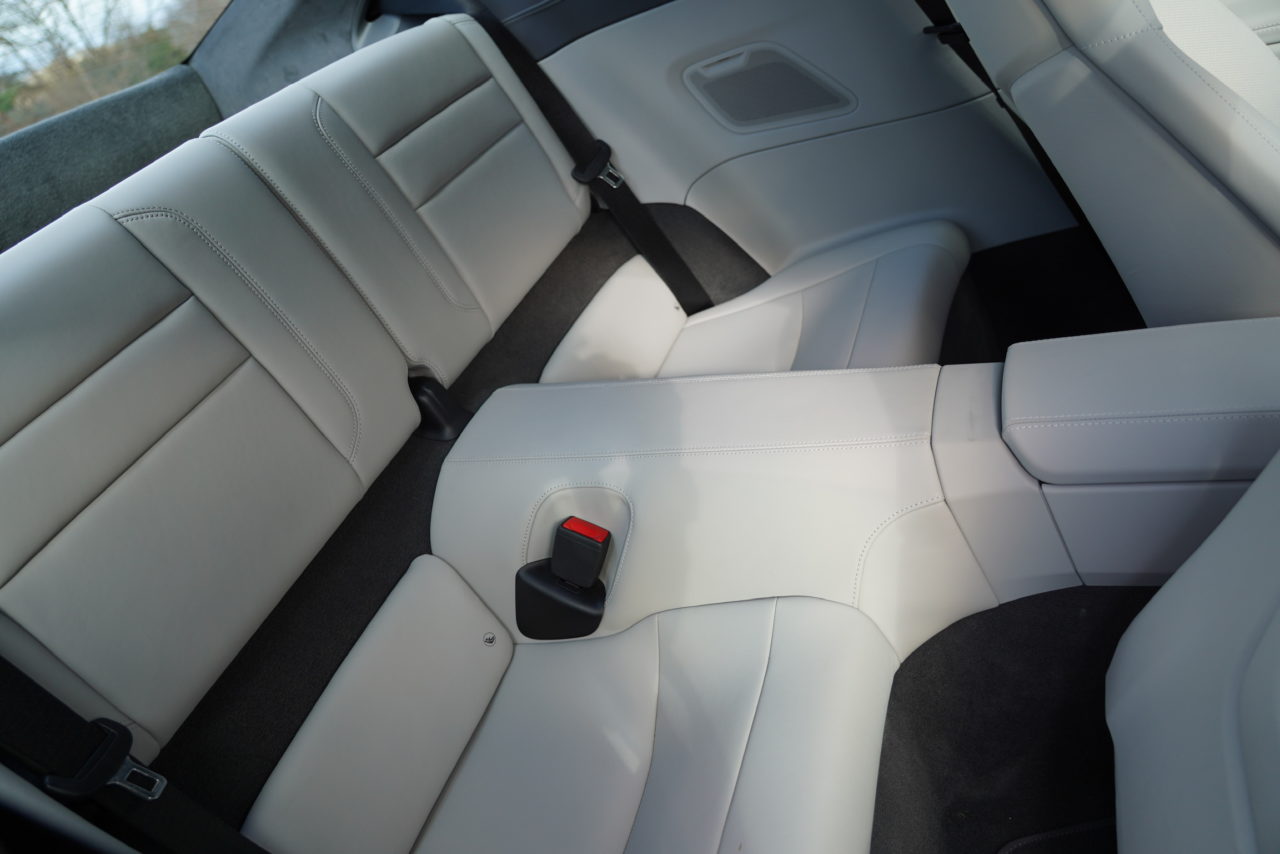
I also felt that the 992 has become more of a grand tourer than ever. It should be even easier and less tiring than the 991 on long trips and in everyday use. Perhaps Porsche is aiming to give its standard Carrera models and GT cars increasingly distinct personalities. The GT models may still be some way off, but I’m already looking forward to seeing how the lineup develops.
I’ve put down a reservation for the Taycan, but after this test drive, I found myself thinking that a 992 wouldn’t be a bad car to live with until it arrives. We’ll see where our family’s car-buying journey takes us.
このブログが気に入ったらフォローしてね!
Comment ( 0 )
Trackbacks are closed.
No comments yet.