

Porsche 911 Special Models: The Craftsmanship Behind One Flexible Production Line
Published: 2024.12.04

コンテンツ
Porsche 911 Variety and Production-Line Flexibility
The Porsche 911 is known for its remarkably diverse lineup.
From the standard 911 Carrera to the range-topping 911 GT3 RS, Porsche’s website lists at least 18 models. Add the services of Porsche Exclusive Manufaktur, and the possibilities for customization become virtually limitless. Yet, remarkably, all these 911 models—including race cars such as the Carrera Cup series—ultimately come off the same assembly line in Zuffenhausen.
The journey to the end of that line, however, can look quite different depending on the model. Porsche recently explained how the process works, focusing on special models such as the 911 Dakar and 911 S/T. Here’s a closer look.
The Basics of Porsche 911 Production
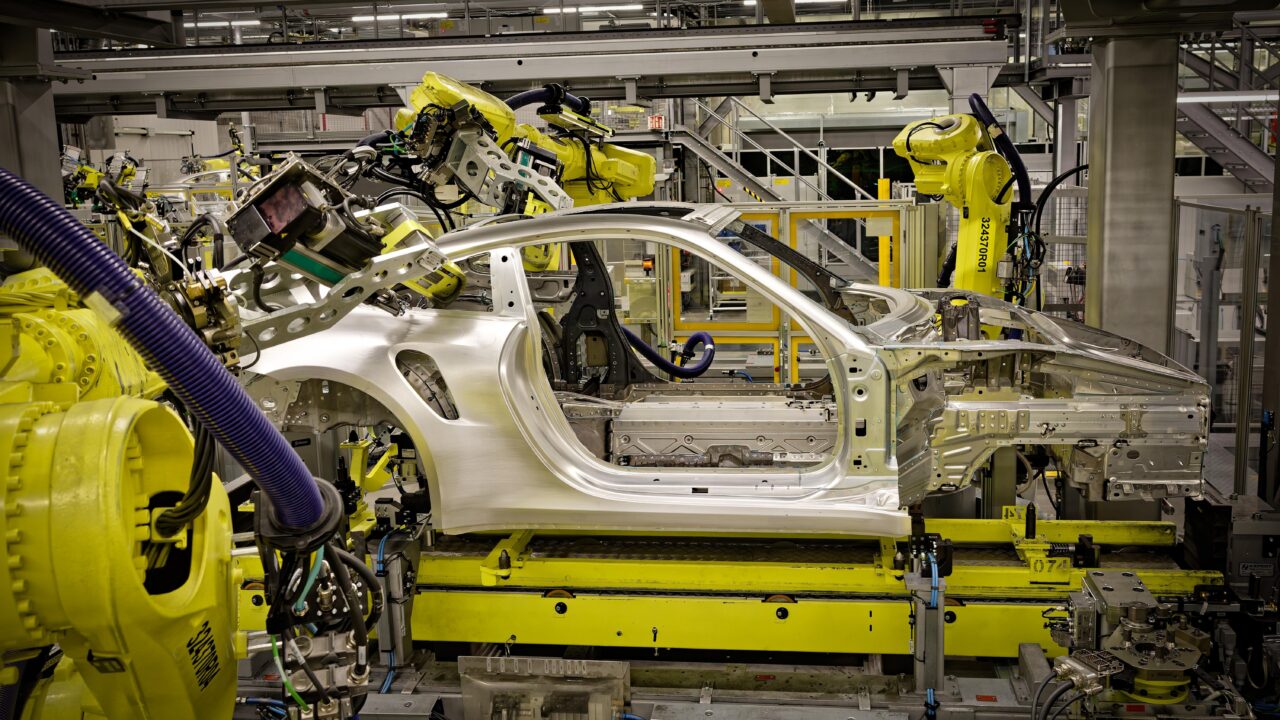
Production of every 911 begins with the body-in-white, which is assembled by around 300 robots.
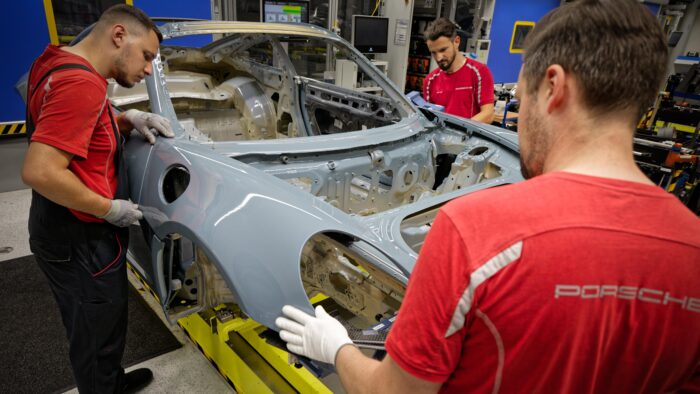
From there, every 911 moves onto the main line for further assembly. Models with extensive carbon-fiber trim, however, are eventually transferred to a dedicated assembly carriage. There, lightweight components are fitted by hand and adjusted to ensure a precise fit. Once this work is complete, the 911 returns to the standard assembly line.
Bespoke Interiors and Porsche Exclusive Manufaktur
Custom interior work also requires a specialized process.
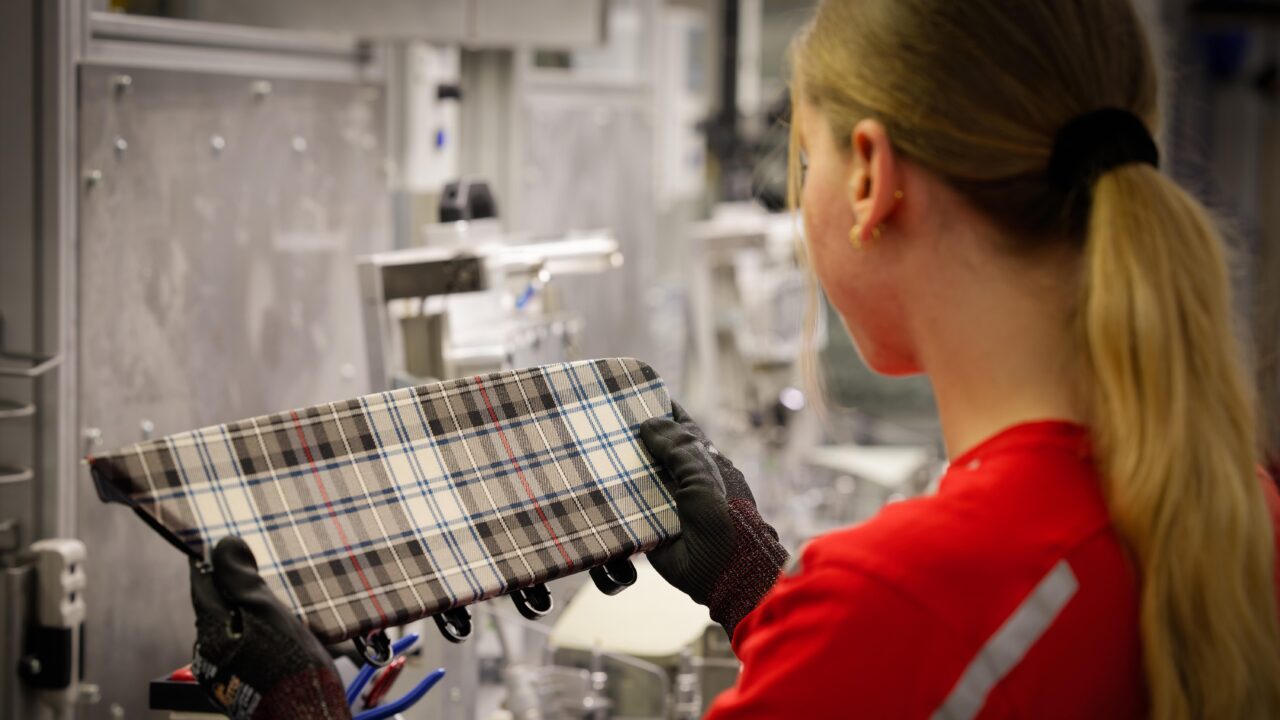
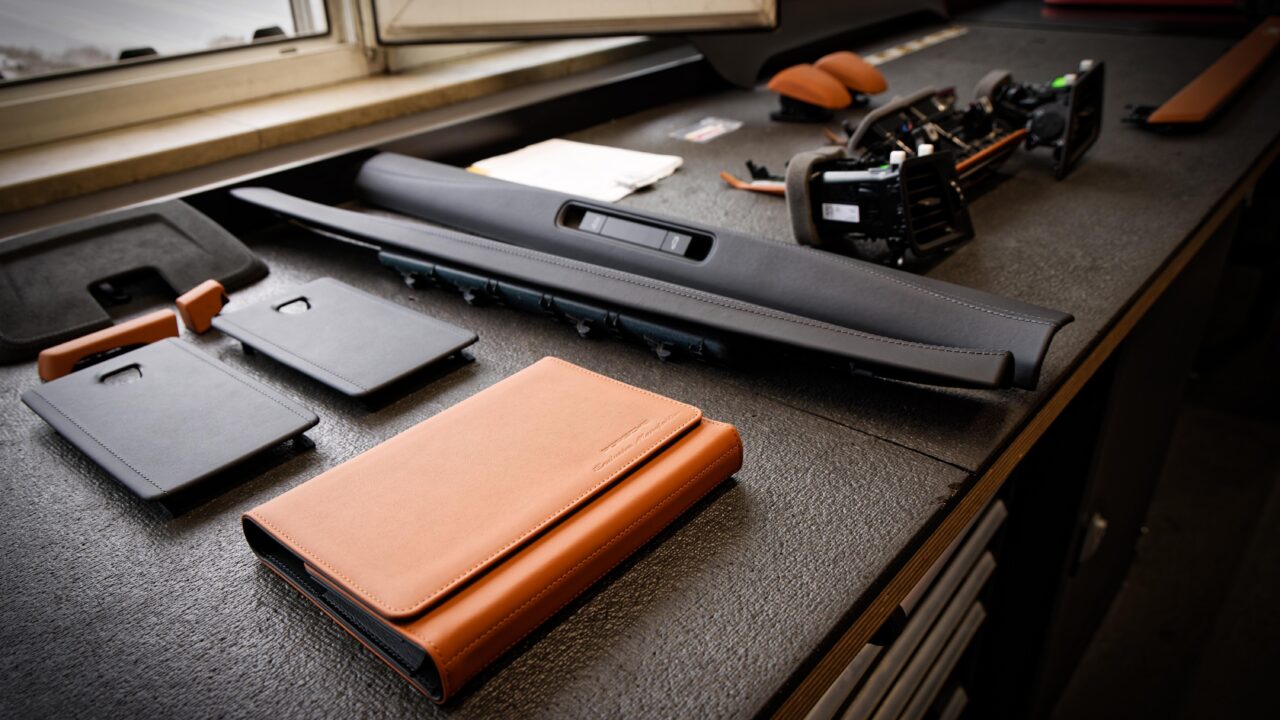
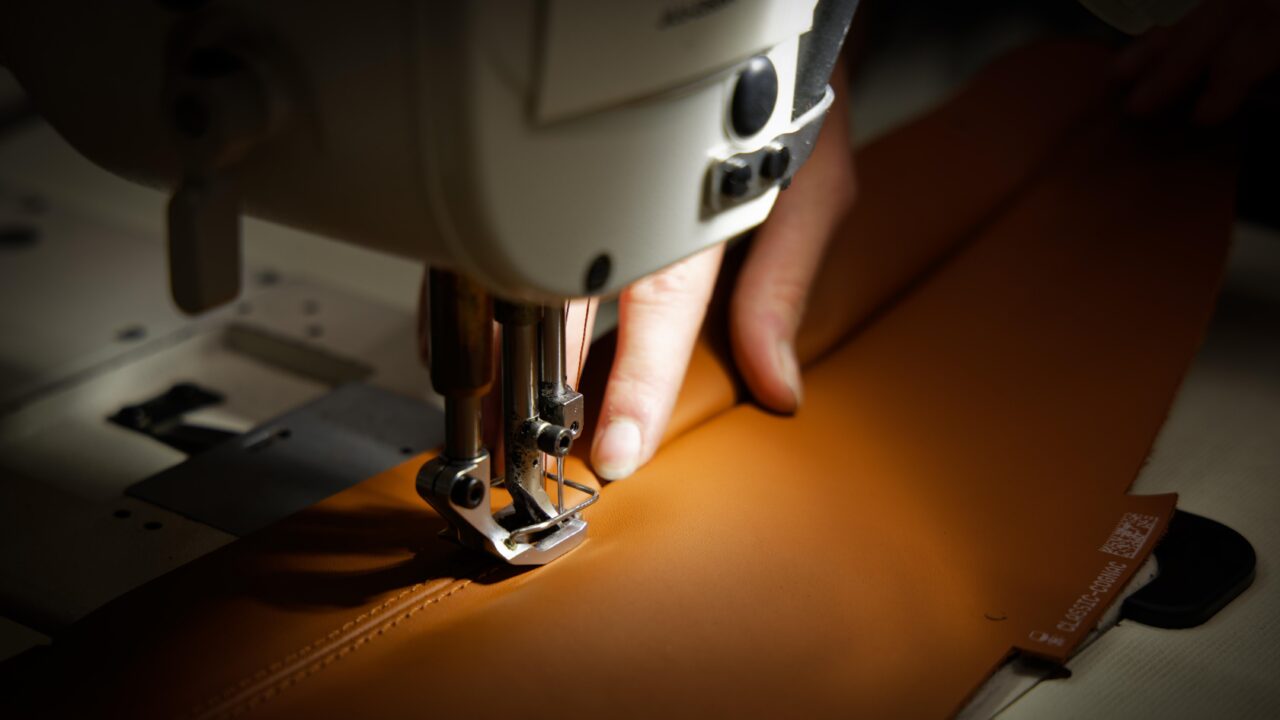
Porsche has its own leather workshop in Zuffenhausen, where specialists cut and stitch a range of materials. The company also provides dedicated training for its interior team, preparing them to meet the varied demands of special models and Porsche Exclusive Manufaktur orders. With more than 1,000 options available, the work is anything but one-size-fits-all. And every custom detail is ultimately finished by hand.
Special Paint Options and Hand-Finished Details
The same approach applies to special paint options.
Cars with two-tone finishes, such as the 911 Dakar, leave the main line again to receive their custom colors. No robots or fast-track processes are involved here: two specialists apply the second color by hand in a paint booth.
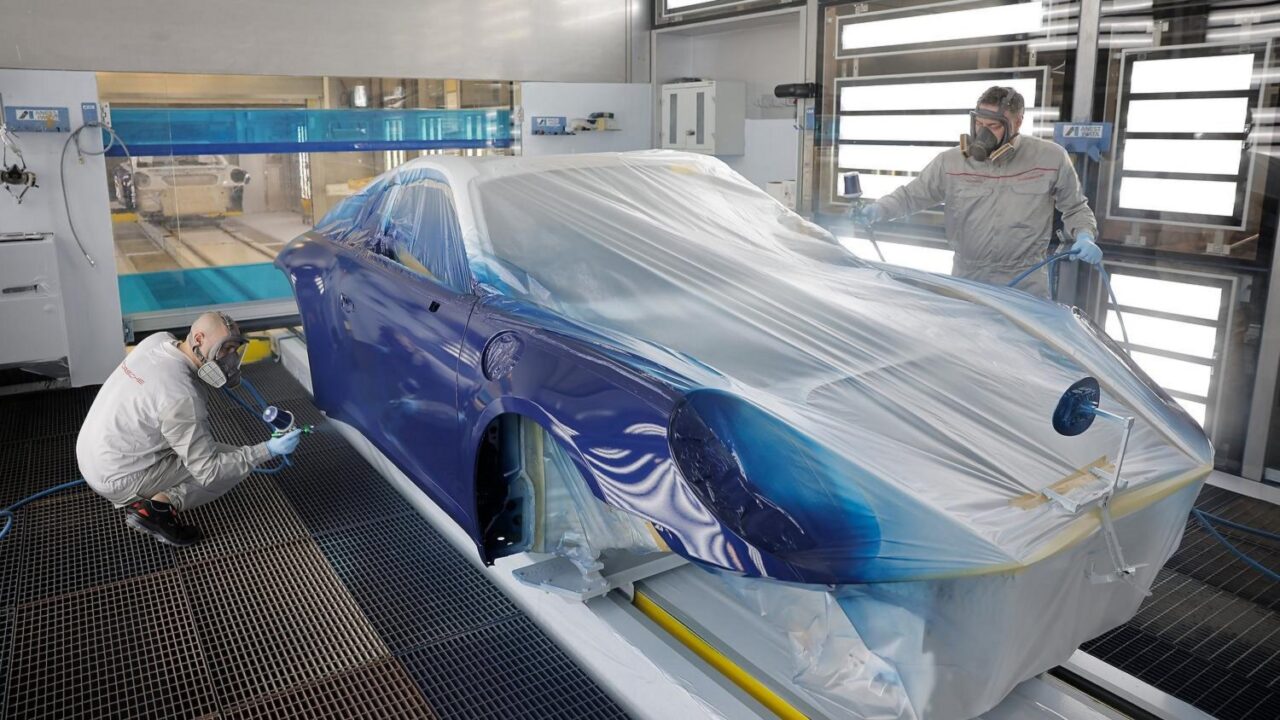
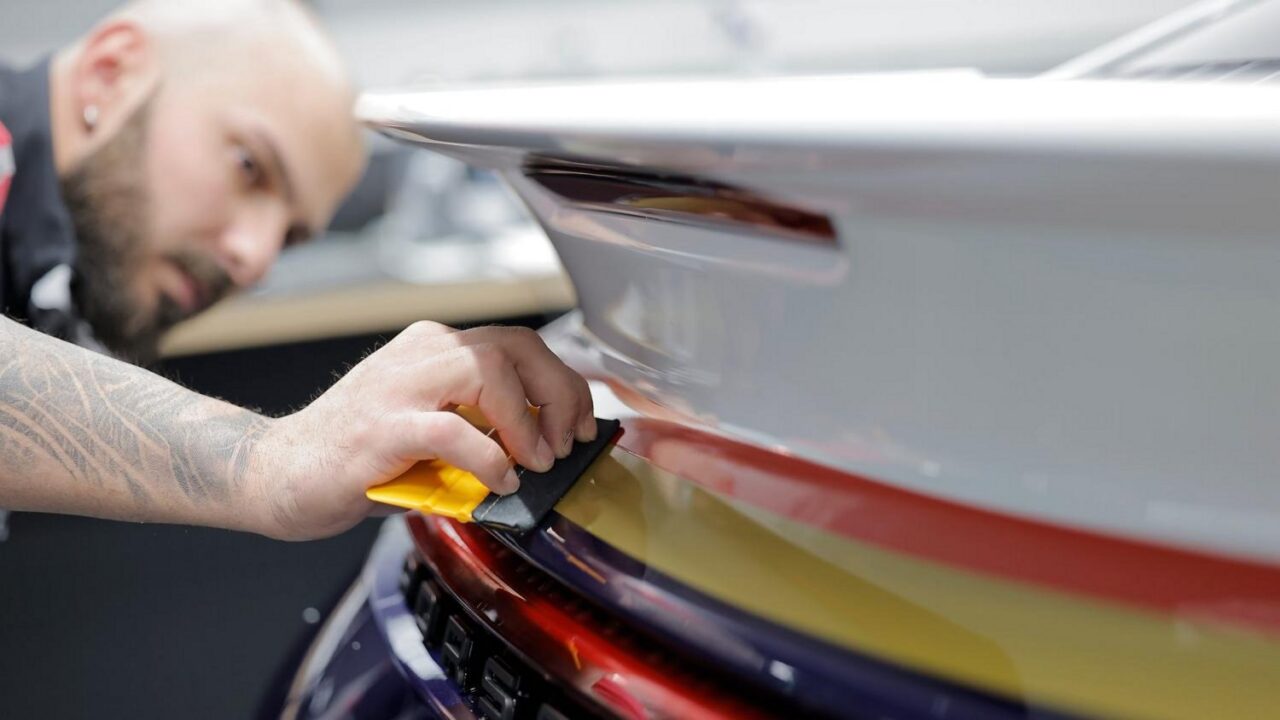
According to Porsche, applying the paint alone typically takes more than seven hours. Custom numbering or stripes add even more time. The complete two-tone process can take as long as 30 hours from start to finish. Afterward, these cars return to the main line for final assembly.
Jens Brücker, Vice President of the Zuffenhausen plant, said:
“For the production of the 911, the Zuffenhausen plant combines the strengths of automated manufacturing with the benefits of a bespoke workshop in a unique way. Limited-edition 911 models give us a special opportunity to showcase our automotive craftsmanship. The different manufactory stages within the plant allow us to make exclusive 911 models truly one of a kind.”
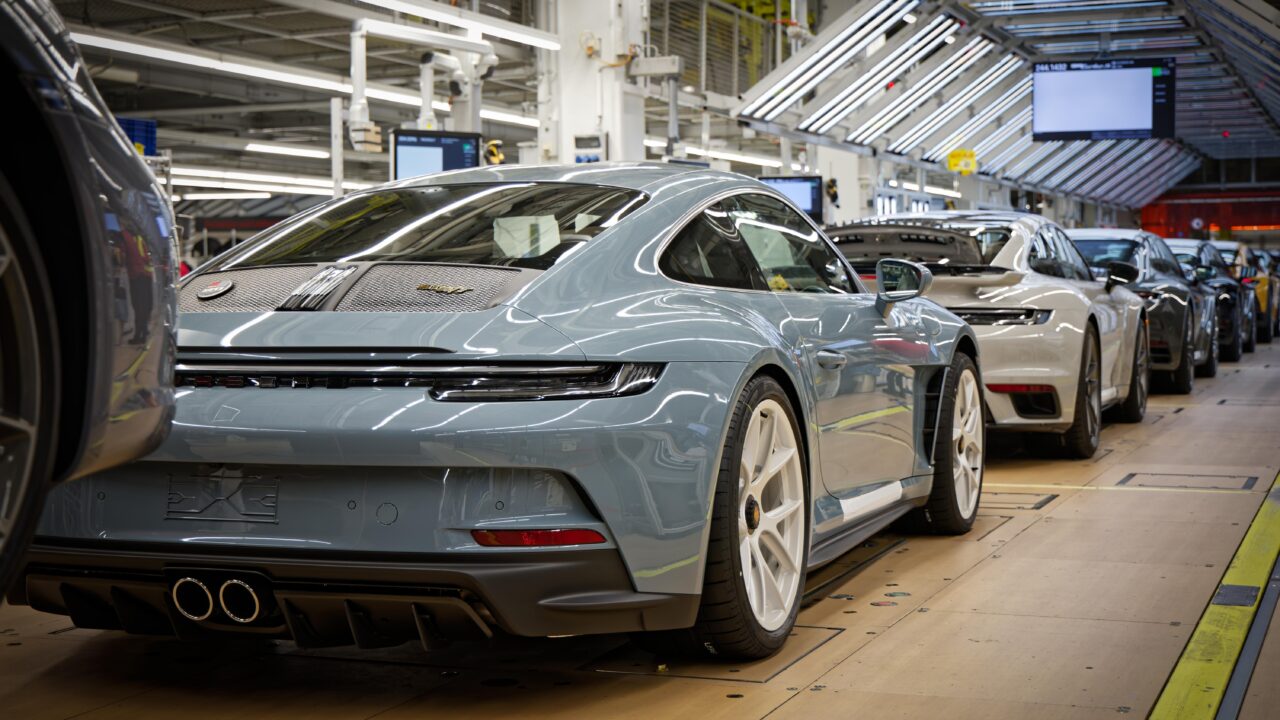
Porsche’s 911 production line brings together cutting-edge automation and traditional craftsmanship, making it possible to build a wide range of models efficiently and to a consistently high standard on a single line. This flexible production system is part of what makes the 911 special—and helps Porsche meet the diverse needs of its customers.

If you enjoy this blog, follow along.
Comment ( 0 )
Trackbacks are closed.
No comments yet.