

A Sublime V10: Behind the Wheel of the BMW M5 (E60)
公開日:2021.12.24

コンテンツ
BMW M5
I’ve written before about my love of BMWs, but there’s one car in particular I used to dream about owning.
The E60 M5. Back then, whenever I spotted an M5 or M6 on the road—which wasn’t often—I’d watch it go by and wonder, “What would it take to get behind the wheel of a car like that?” It seemed impossibly out of reach, and I admired it from afar.
First Impressions
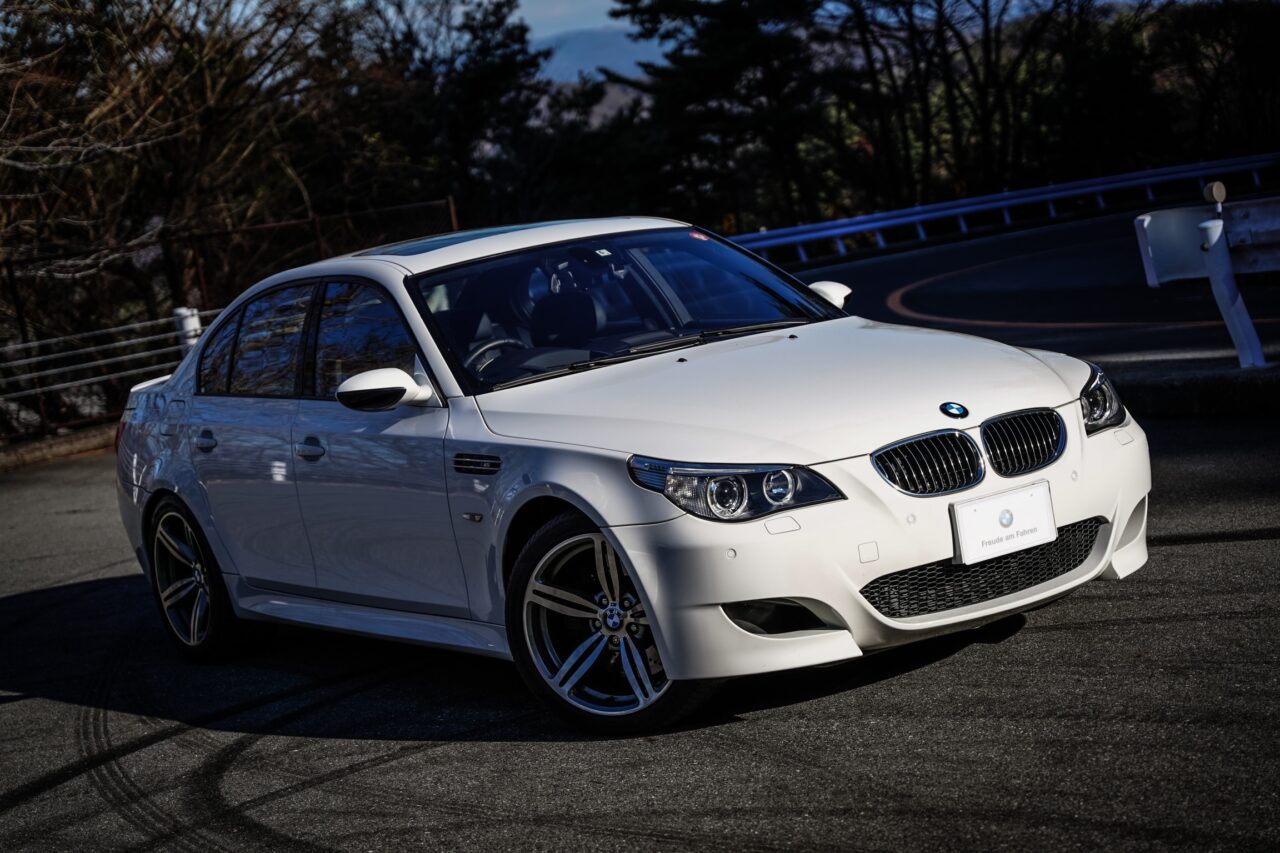
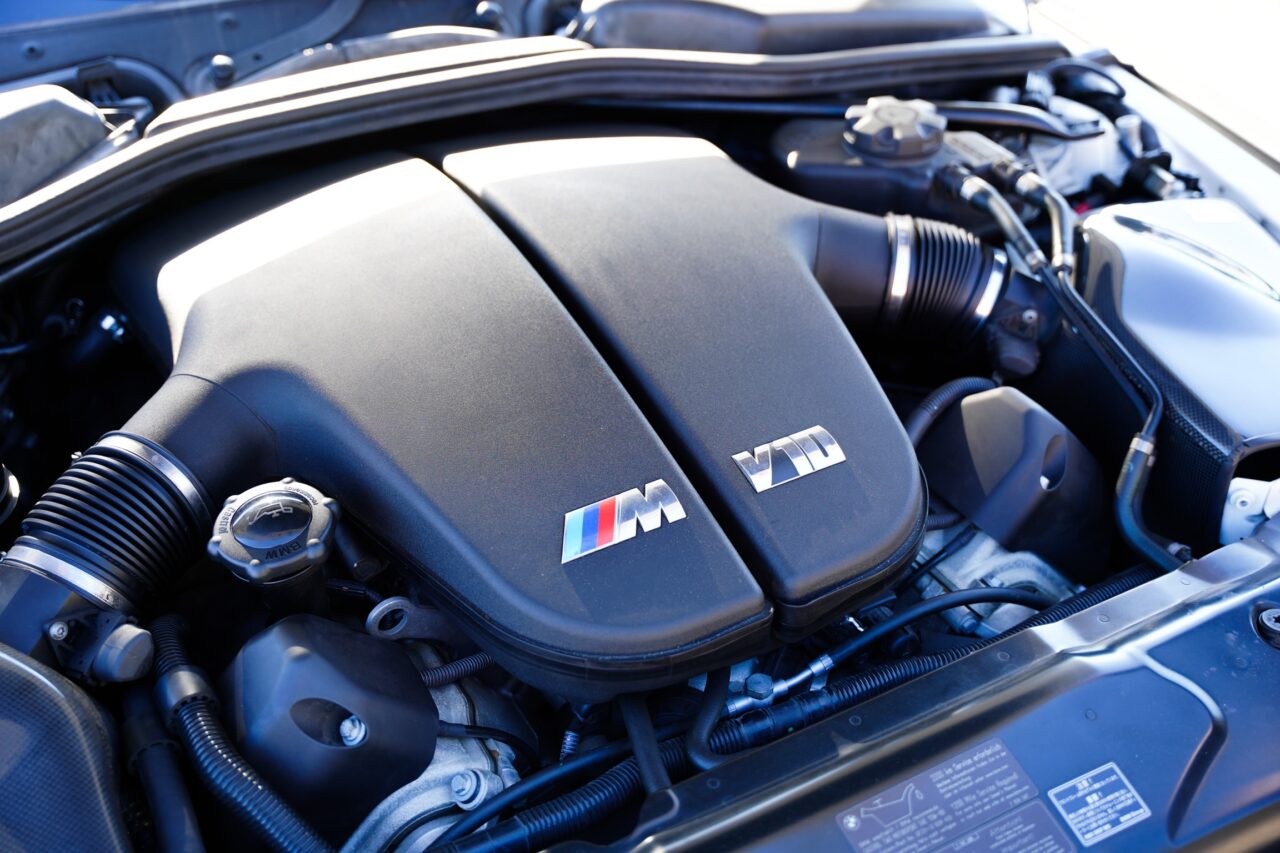
I recently got the chance to drive a 2007 BMW M5. Its defining feature is the V10 engine sitting up front. When the car launched, BMW was at the height of its Formula 1 era, and the engine drew heavily on that racing technology.
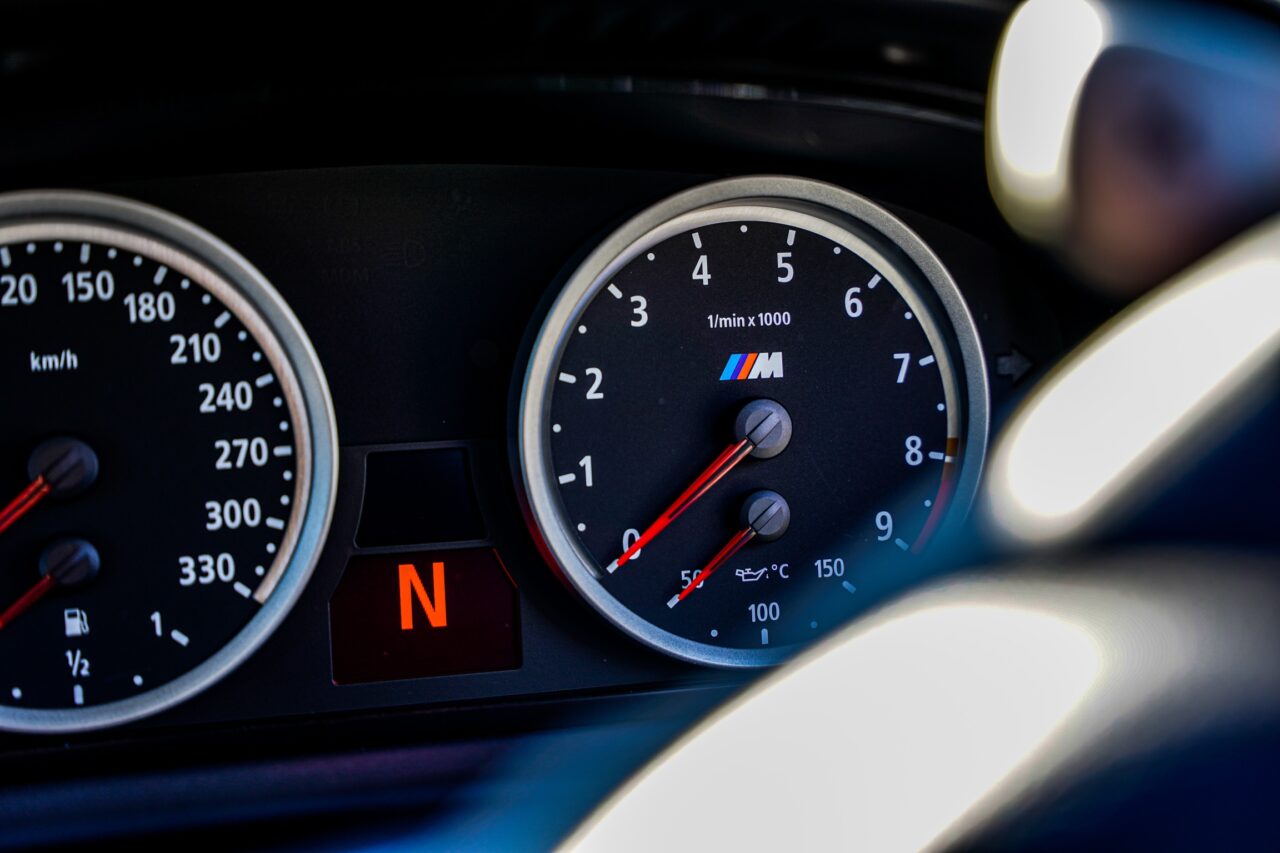
The 5.0-liter V10 produces 507 hp at 7,750 rpm and 53.0 kg-m of torque at 6,100 rpm—a remarkably high-revving engine by today’s standards. The redline sits around 8,250 rpm, giving you a sense of the engine’s extraordinary potential.
I climbed in and pressed the start button. The engine fired up relatively quietly, with little of the ferocity you might expect from a V10. It sounded only a little louder than an ordinary 5 Series.
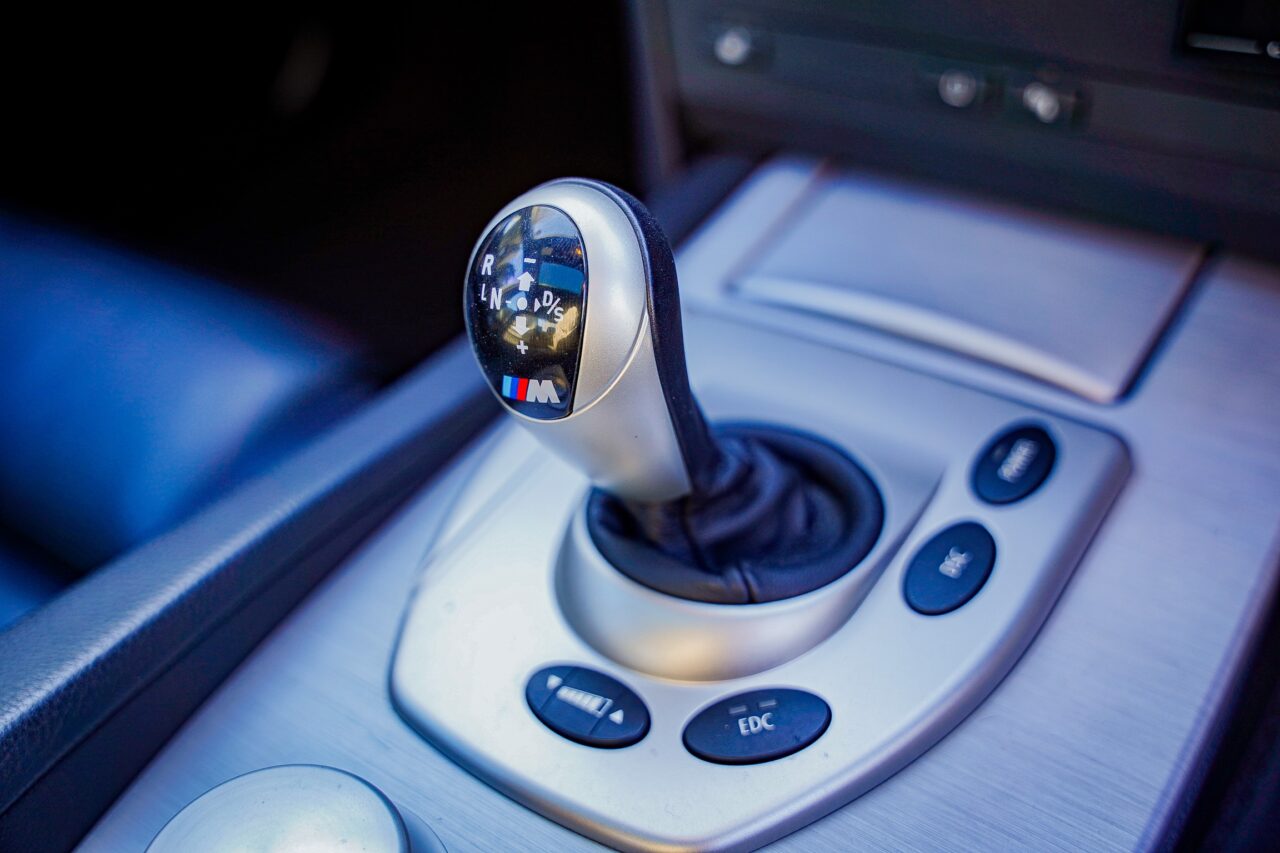
The transmission is BMW’s SMG III, a system offered at the time only on its sportier models. The name stands for Sequential Manual Gearbox. Unlike modern dual-clutch transmissions such as Porsche’s PDK, SMG is essentially an automated manual: it shifts gears and operates the clutch for you.
I’d often heard that SMG shifts could be harsh and that repairs could be expensive, but pulling away was perfectly smooth. The car set off as if driven by someone who knew exactly how to work a clutch.
The engine held first gear a little longer before shifting into second. As the clutch disengaged, the interruption in power made my head move forward slightly. But this wasn’t really a harsh shift; it was simply a bit of movement from the change in torque—not the hard jolt you might get from a poorly maintained old automatic.
The sensation reminded me of the automatic transmission in an Abarth 595.
It’s surprisingly easy to drive, I thought, as I started out at a relaxed pace in Normal mode.
You could hardly tell it had a V10. It felt like a sporty sedan with a little more edge than a regular 5 Series. The ride was comfortable, the power didn’t feel overwhelming, and the steering was responsive without being overly sharp. Overall, it felt mild-mannered—far more reserved than I’d expected an M5 to be.
On downhill bends and tighter corners, I could feel the weight of the V10 up front. I wondered whether the setup was less suited to Japan’s tight, winding mountain roads as I pressed on.
Unleashing the V10
Next, I pressed the M button to switch to M Dynamic Mode. The engine’s output rose from 400 hp to its full 507 hp, and the suspension firmed up noticeably. The M5 transformed like a beast unleashed.
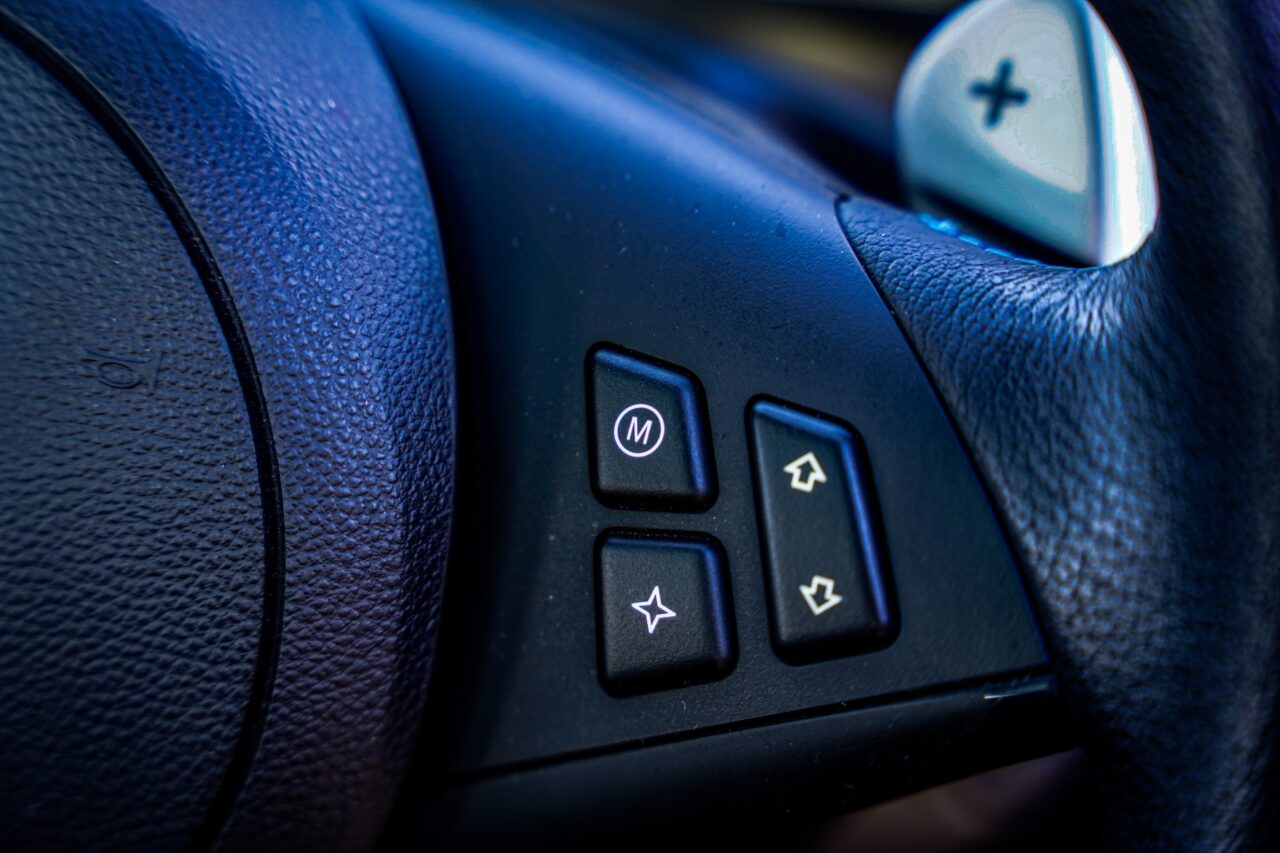
The difference in cornering ability was immediate. It was hard to believe I’d just been thinking the front end felt a little heavy. Any sense of sluggishness vanished, and the tires felt far more planted. The M5 carved through corners with poise and confidence, making every turn a thrill.
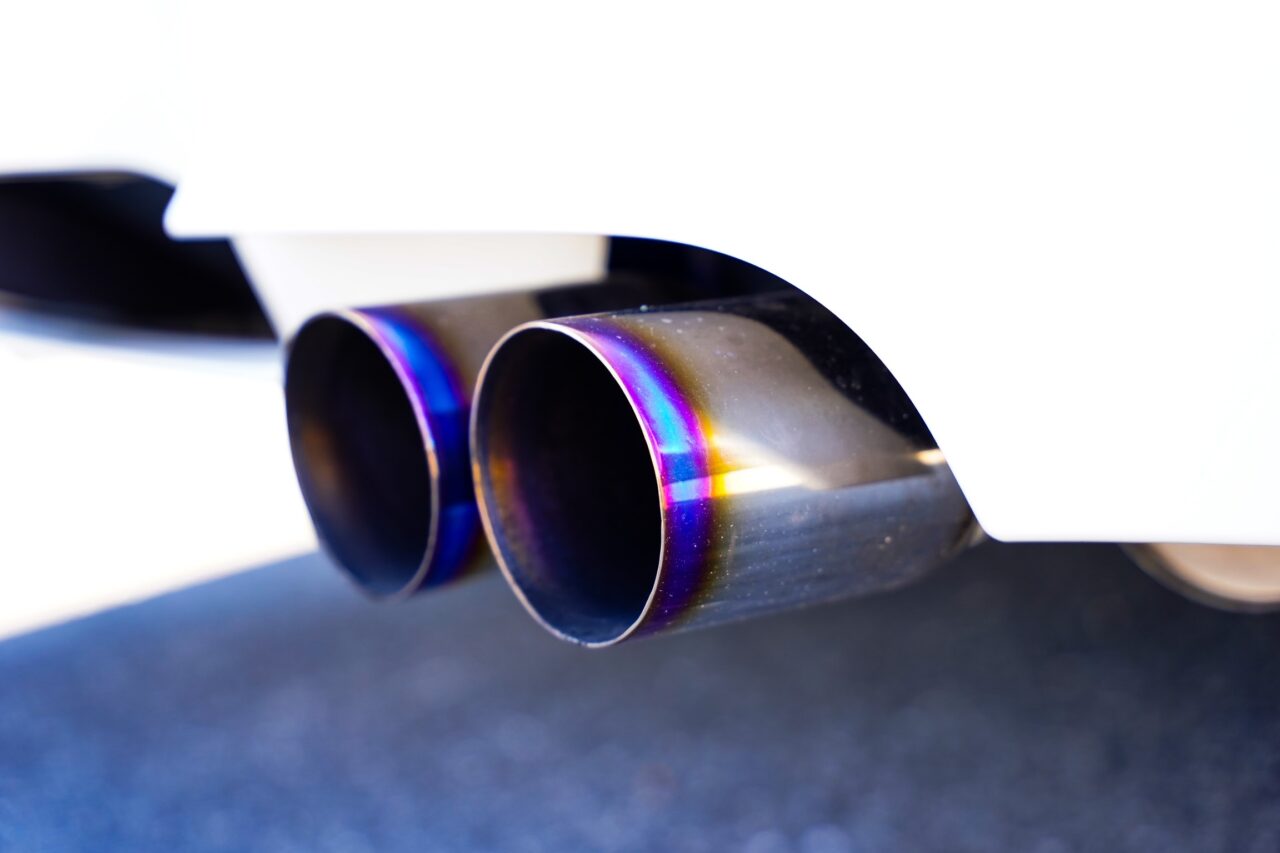
The tach needle hovered around the 12 o’clock position as I drove on. The car was easy to handle, and the sound was terrific. This particular M5 had a custom exhaust, so I can’t say how the stock system sounds. This one, though, had a refined volume and tone that made it a pleasure to listen to.
For such a high-revving engine, it never nags you to wring it out the way a GT3 does, as if to say, “Rev me harder!” You can keep the revs in the midrange and still have a great time driving it briskly on public roads.
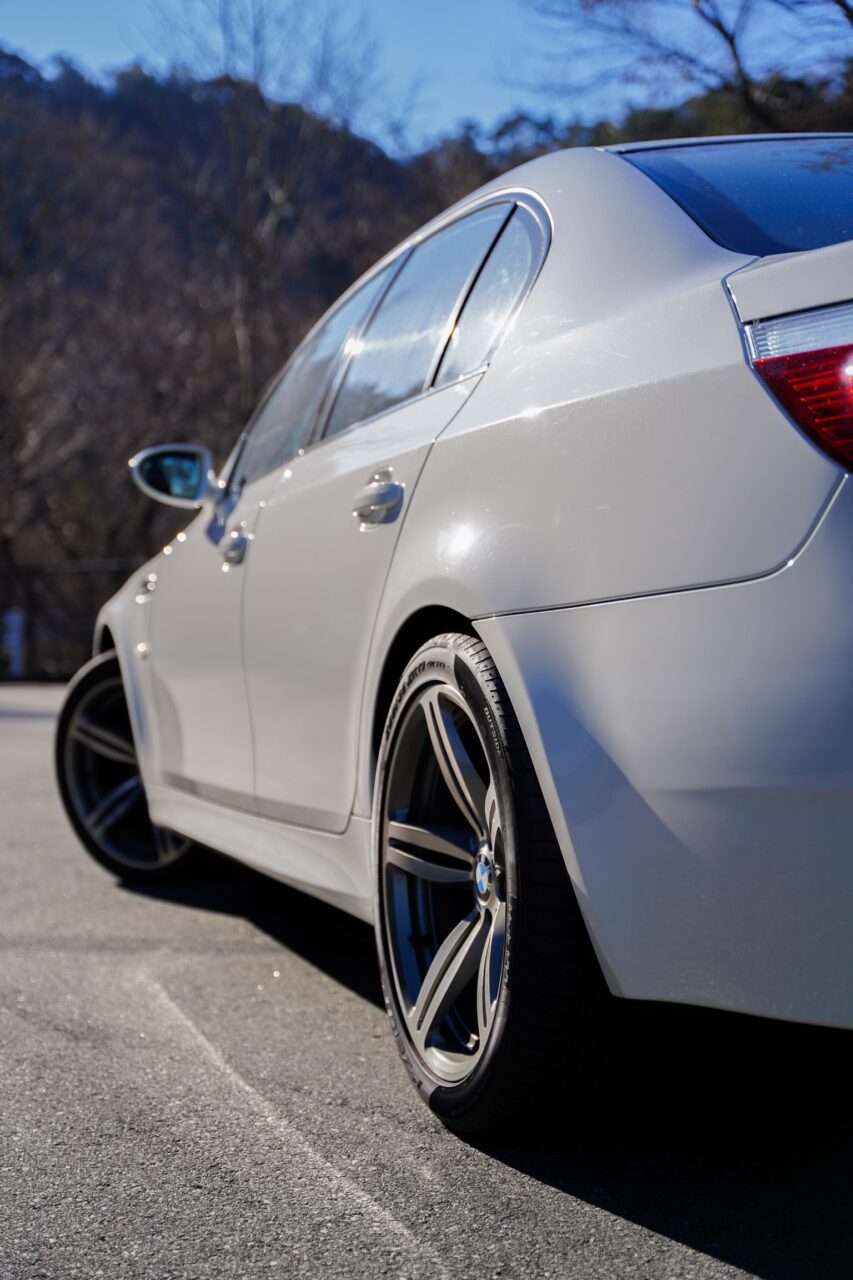
In M Dynamic Mode, the shifts come more quickly. Still, this is an automated manual, so it can’t match the speed of a dual-clutch transmission like Porsche’s PDK. The interruption in power between shifts is noticeable, and each change gave my head a slight bob.
With a little more practice matching the throttle to each shift, I might have made the changes smoother, but I didn’t have enough time behind the wheel to get there. That’s one thing I wish I’d had the chance to try.
I wasn’t fully used to the SMG, so my driving was a little jerky at times. Even so, taking the corners was a real joy. The faster I went, the smaller the car seemed to feel—a sensation I’ve also experienced in the Panamera.
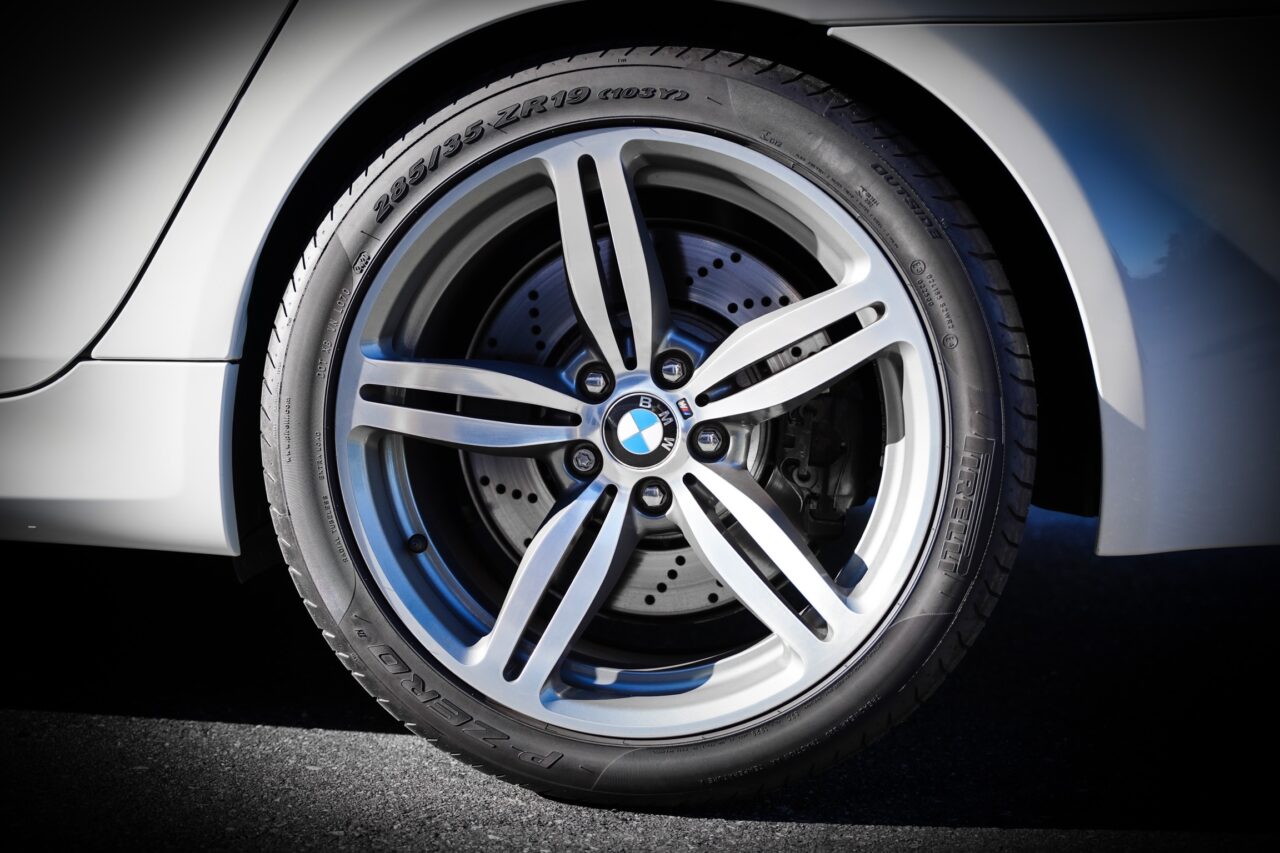
On a straight, I pressed the accelerator a little harder.
The tach needle shot upward. Somewhere around 6,500 rpm, the engine seemed to kick into a second stage, pulling even harder as the revs climbed. The acceleration was impressive, but the V10’s wonderfully even, finely textured sound was what really got under my skin.
As it approached 8,000 rpm, the engine didn’t run out of breath—instead, it seemed eager to rev even higher. The sensation was almost unsettling, even a little wild. It reminded me of the high-rpm rush of a Porsche GT3 engine.
There are plenty of high-revving engines out there, and I’ve experienced quite a few. But it’s rare to find one that gathers speed so dramatically through its final 1,000 to 2,000 rpm. Most engines either rev more slowly as they approach the limit or begin to sound as if they’re running out of steam.
The M5’s V10 delivers a phenomenal rush all the way up. It’s a truly dramatic engine: calm and torquey at low revs, rewarding you with the pleasure of building speed through the midrange, then finishing with a gloriously unhinged surge at the top.
Is Now the Time to Buy One?
This engine is a German treasure—an extraordinary achievement. It’s worthy of BMW’s name, Bayerische Motoren Werke, or Bavarian Motor Works.
With today’s emissions and noise regulations, an engine like this simply couldn’t be put on sale now.
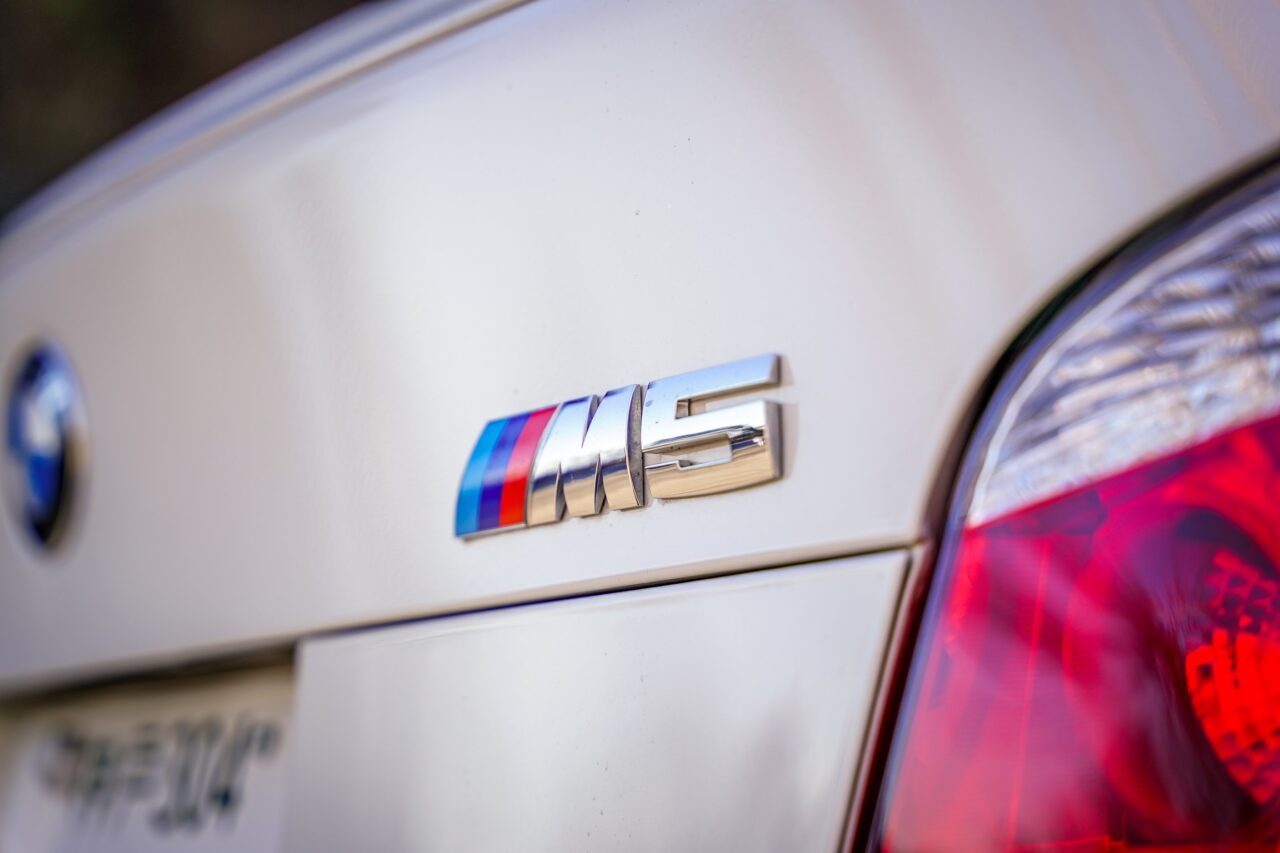
This gem can still be found at relatively affordable prices on the used-car market. When this article was written, Carsensor listed just five examples, priced from ¥1.77 million to ¥4.65 million.
Of course, those prices may seem high for a car of this age, and ownership will bring running costs and repair bills. The owner of the car I drove said they paid less when they bought it, and that prices have been gradually rising.
This V10 was a one-off for BMW—there has never been another like it. If you’re interested, buying one before they become impossible to find might be a decision you won’t regret. The engine alone is worth the price of admission. That’s how special this car is.

このブログが気に入ったらフォローしてね!
Comment ( 0 )
Trackbacks are closed.
No comments yet.