

Test-Driving the Mercedes-Benz C-Class (Late W205): A Woman’s Perspective
公開日:
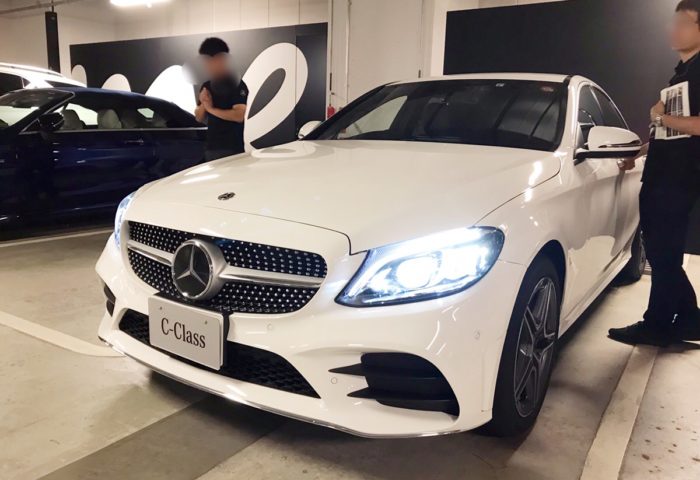

Test-Driving the C-Class
When I arrived at the parking lot, the C-Class was already waiting. It had received a facelift just the previous fall, with slightly updated rear light styling compared with the outgoing model. It was also equipped with Multibeam LED headlights.
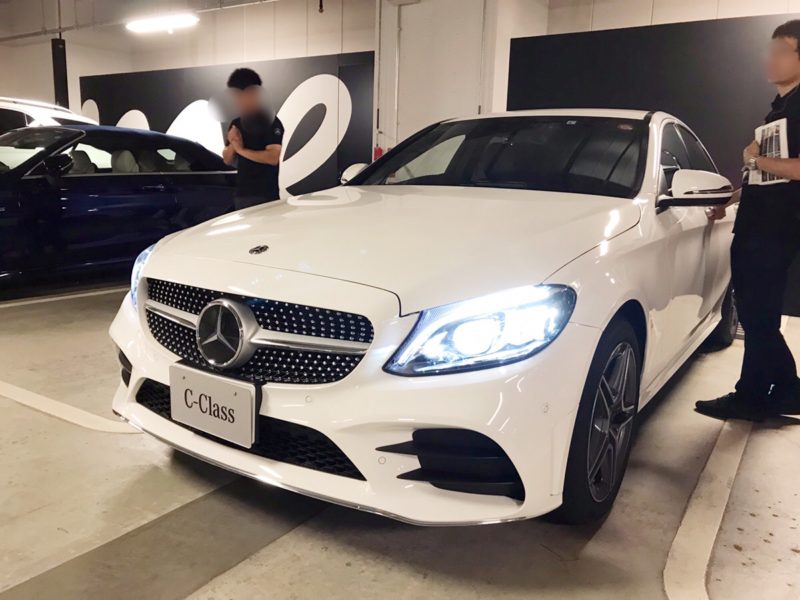
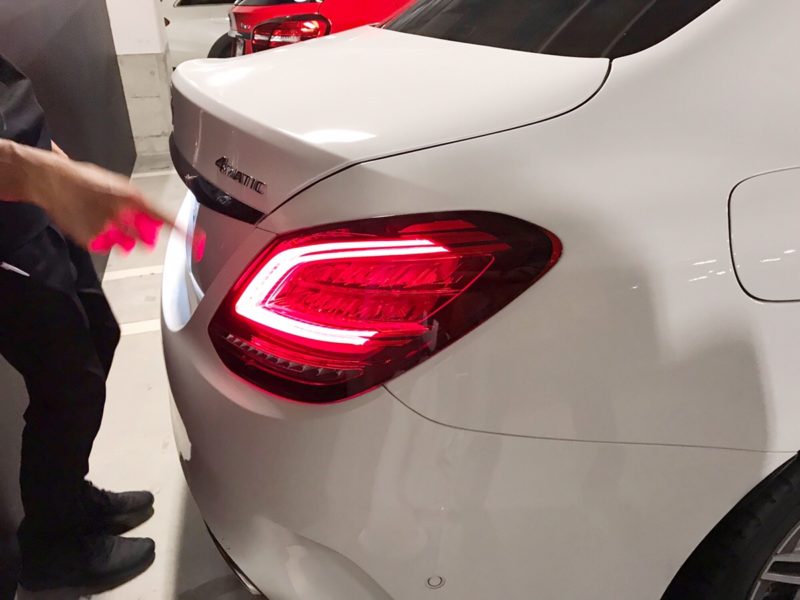
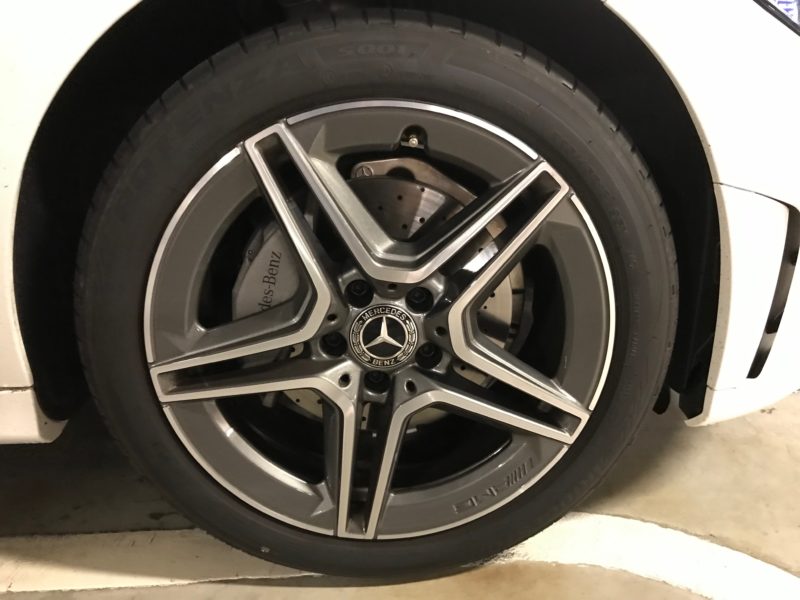
This car was fitted with the AMG Line, which meant it had larger-than-standard 18-inch wheels. (The standard wheels are apparently 17 inches.)
Here are my impressions of the C-Class.
Interior
As you’d expect from Mercedes-Benz, the interior felt beautifully finished. I was impressed.
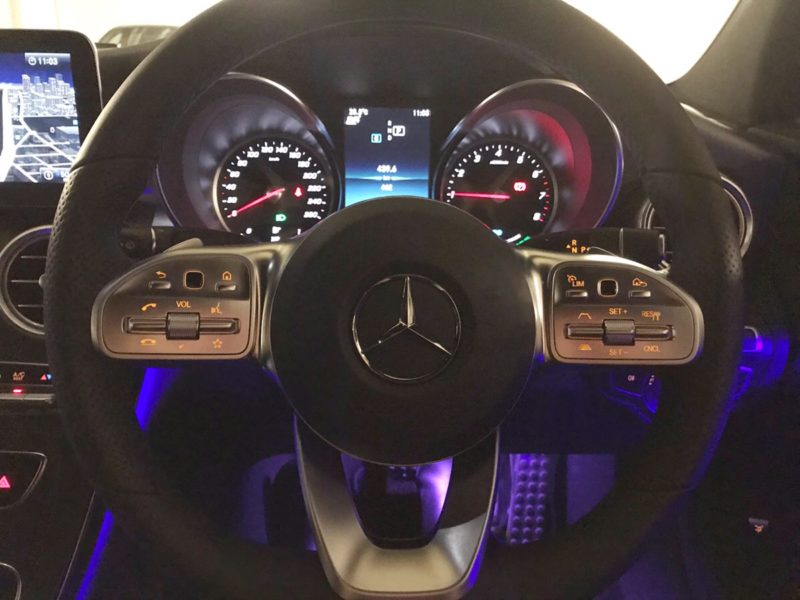
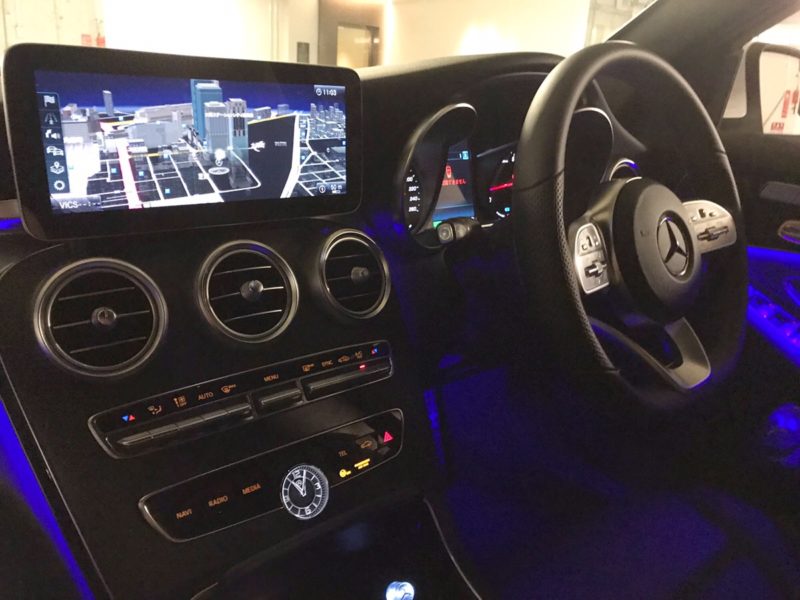
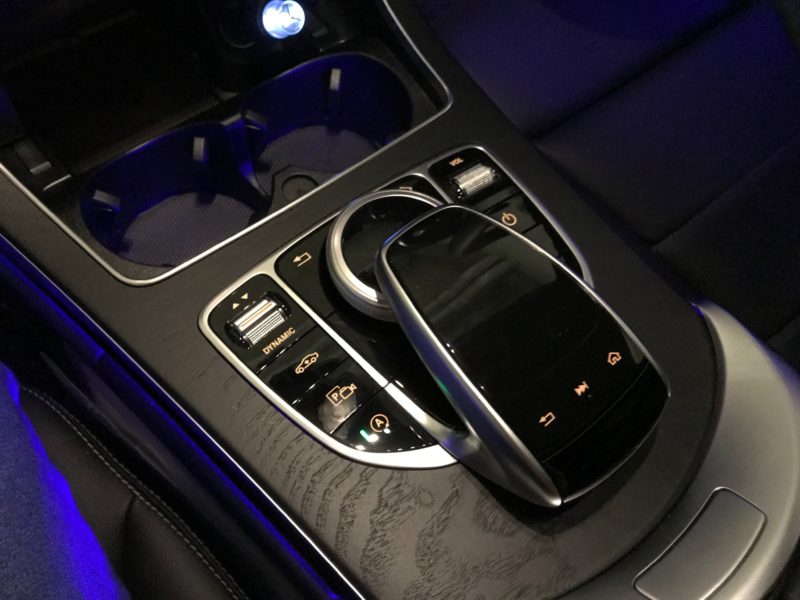
My BMW 320i has a simple interior with a little more hard-plastic feel, while the C-Class has a distinctly premium atmosphere. I asked, “Is the high-quality interior because this car has the AMG Line?” The staff member told me that this was the standard interior.
That said, the new A-Class apparently has a more stylish and luxurious interior design. For example, the C-Class has an analog instrument cluster around the central display, while the new A-Class has a fully digital instrument display.
And though it’s not strictly an interior feature, this model has AMG door projectors, which shine an AMG graphic onto the ground when you open the door.
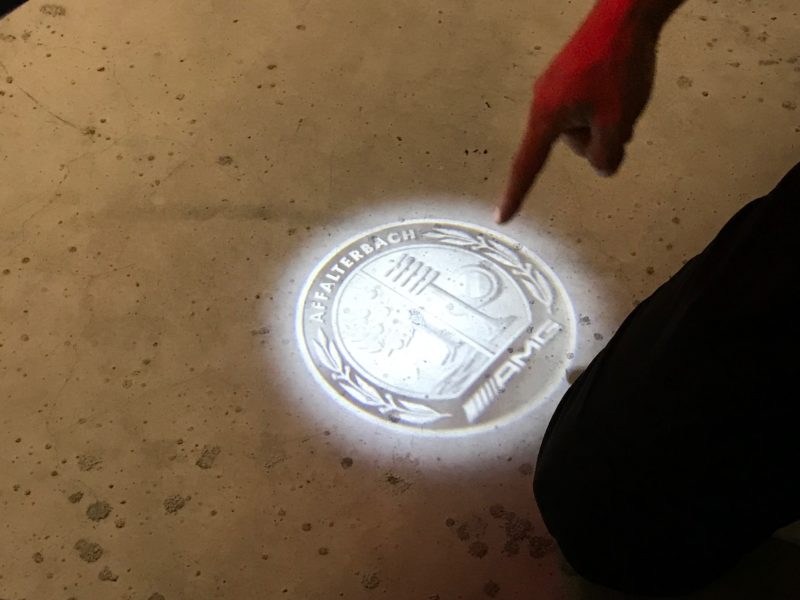
It’s the kind of feature that might feel exciting at first but make you think, “I don’t really need this,” once you use it every day—or maybe it’s actually useful? I’m not sure.
Engine
The previous C-Class had a 2.0-liter turbo engine, but the facelift brought a smaller 1.5-liter turbo. It also introduced a new mild-hybrid system called BSG (Belt-driven Starter Generator).
“Wait, is this a hybrid?” I asked.
“Mercedes doesn’t call it a ‘hybrid car.’ It’s a car with a mild-hybrid system that uses electric power to assist at low speeds and during acceleration. So, unlike a Prius (a full hybrid), it can’t be driven using only the electric motor.”
the staff member explained.
The mild-hybrid system also helps match engine speed quickly during gear changes. The C-Class produces 184 PS and 280 Nm of torque, but with the motor’s assistance, its effective output is apparently higher than that of the previous 2.0-liter turbo.
After all that background, here’s what I noticed when I started the engine: there was very little vibration, and the engine sounded soft and subdued. I couldn’t help saying, “It’s so quiet…” The staff member replied, “Well, it does have an engine, so you can hear it.”
I’m probably just used to the engine sounds of a GT3 and Panamera Turbo, which made this one seem quiet by comparison (lol).
Ride Comfort
What surprised me was the ride. I pressed the accelerator and started moving, then found myself exclaiming:
S-so smooth!!!!
It was incredibly mild and smooth, almost as if the car were gliding along rails. The C-Class has a longer wheelbase than the A-Class, which contributes to a smoother ride. This particular C-Class was also equipped with air suspension, which likely made it even smoother.
I asked, “Would the ride feel very different without the air suspension?”
“The C-Class is already smooth, so not having air suspension doesn’t mean the ride will be uncomfortable. With 17-inch wheels and properly adjusted tire pressures, the ride can be quite good.”
the staff member explained.
Steering / Handling
The AMG Line steering wheel is a little thicker than the standard one.
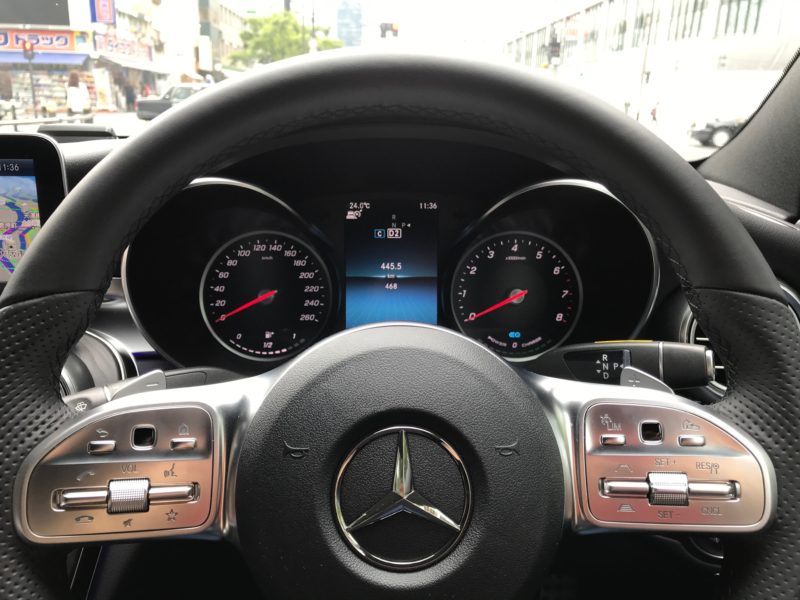
Despite its thicker rim, it fit my hands perfectly and felt comfortable to hold. The steering felt heavier than the A-Class, but still lighter than I expected, so I asked, “Would you say the steering is on the light side?”
“No, not really. It has a decent amount of weight to it.”
That makes sense. I’m used to driving Porsches, so maybe it just felt light to me (-_-).
The steering had a tight turning radius, and even in situations where I thought, “This might take a wide turn,” the car turned in decisively. The staff member said the C-Class steering turns quite sharply, so it’s worth being careful not to oversteer.
Throttle / Brakes
The pedals in the C-Class were much easier to use than those in the A-Class. The car responded in proportion to how much I pressed the accelerator, with no strange feeling. About five years ago, I test-drove a used E-Class Coupe, and I was shocked by how light and unresponsive the accelerator felt.
Even my husband said, “Mercedes accelerators aren’t really supposed to feel like this. This E-Class Coupe is awful.” That experience had stuck with me, but the C-Class was nothing like that. The staff member explained:
“The A-Class has a suspended accelerator pedal, whereas the C-Class has an organ-style pedal. It’s designed to make the pedal easier to operate, because you can apply pressure with your heel as the pivot point.”
Even within the Mercedes lineup, the A-Class and C-Class are quite different.
The brakes weren’t as heavy as Porsche brakes, but they responded properly even to a light press.
Transmission
The A-Class I drove previously had a seven-speed dual-clutch transmission, while the C-Class has a nine-speed torque-converter automatic. It was so smooth that even when I tried to pay close attention, I couldn’t tell when it was shifting.
Apparently, the previous model had a noticeable body shudder when the engine restarted after the stop-start system shut it off. That issue has been completely addressed in this version, and the restart was very quiet.
Lately I’ve been getting into manual cars, so I asked just to be sure, “Mercedes doesn’t bring manual-transmission models to Japan, right?” The answer was that there’s almost no demand in Japan, so they don’t bring them in. Fair enough.
With such a smooth ride and a smart automatic transmission, there’s not much reason to insist on a manual. That said, many buyers in Europe apparently still choose manual versions of the C-Class and E-Class.
Next page → Other useful features and my overall verdict on the C-Class
このブログが気に入ったらフォローしてね!
Comment ( 0 )
Trackbacks are closed.
No comments yet.