

The Shock of Porsche’s 99% Drop in Operating Profit: A Taycan Owner’s Take on the Real Causes
公開日:2026.03.05

コンテンツ
Porsche Faces a Stunning 99% Decline in Operating Profit
The numbers were hard to believe at first glance.
According to Porsche AG’s consolidated group financial results for January to September 2025, operating profit plummeted from €4.035 billion in the same period last year to a mere €40 million. This represents an alarming 99% drop in operating profit. In the third quarter alone, the company swung to a loss of about €967 million, roughly 170 billion yen. Multiple factors contributed to this downturn, including inventory write-downs related to EVs amounting to approximately €2.7 billion, strategic restructuring costs, poor sales in the Chinese market, and increased tariffs in the United States. CFO Breckner has stated that “2025 will be the bottom, with visible improvement expected from 2026 onward,” but all eyes will be on the full-year financial results announced on March 11 to see how the story unfolds.
EVs Are Amazing—It Was the Sales Strategy That Failed
Now, this is my personal perspective.
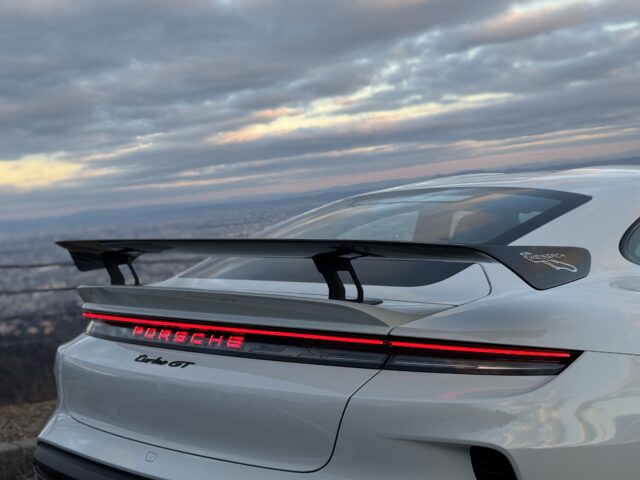
First and foremost, Porsche’s EVs are genuinely exceptional vehicles. Our household owns two Taycans: the Taycan Turbo GT and my wife’s Taycan 4S Cross Turismo. Both deliver sublime driving experiences. Their smooth yet powerful acceleration, steering that feels like an extension of your limbs, and the signature Porsche chassis tuning combine to make the cars truly world-class. My wife’s Taycan has already surpassed 35,000 km, and I’m impressed every time I get behind the wheel.
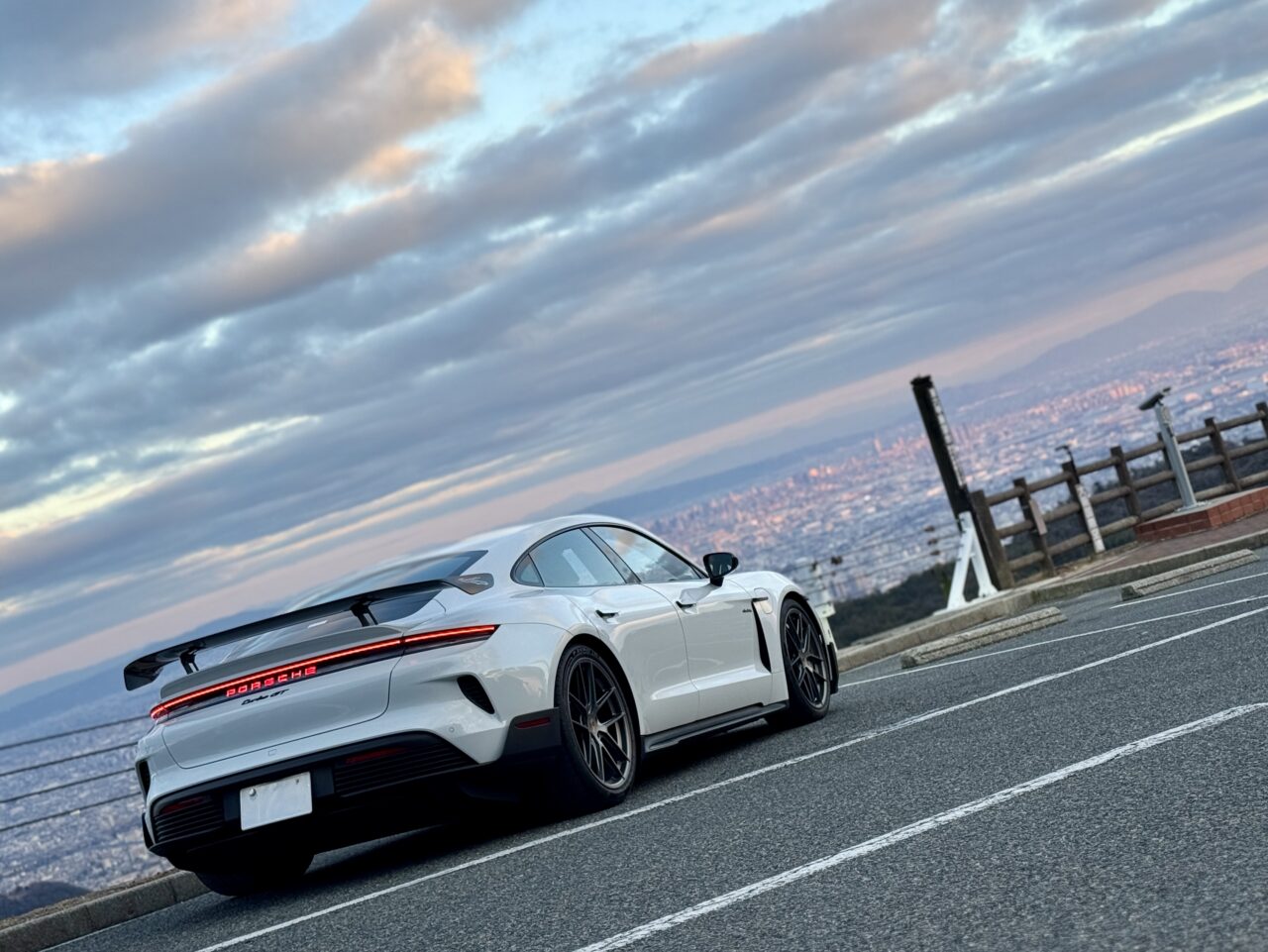
The issue wasn’t the cars themselves but how they were sold. Porsche’s aggressive bundling strategy—encouraging buyers to purchase an EV first if they wanted a GT3 later—backfired. The market became flooded with EVs that many customers bought reluctantly, rather than out of desire. The supply was simply too rigid compared to actual demand. Naturally, resale values nosedived, discouraging further new car buyers and triggering a vicious cycle.
Why Porsche is Struggling in the Chinese Market
Another significant reason for Porsche’s troubles is its poor performance in China.
Unlike gasoline engines, the performance gap in batteries and electric motors is relatively easy to close. Competitors can produce EVs faster than Porsche at a fraction of the cost by simply installing larger capacity batteries and higher-output motors. Of course, Porsche’s appeal isn’t just about 0-100 km/h acceleration times. The feedback from the steering wheel, the subtle communication between car and driver felt through your palms—these intangibles form the essence of Porsche’s value. However, for most consumers, clear-cut performance metrics and convenience features hold far greater sway.
What’s even more critical is the gap in infotainment systems. Today’s Chinese manufacturers offer Tesla-level user interfaces, seamless autonomous parking, and advanced driver assistance. Seat comfort and innovative features are eye-catching. German automakers, in contrast, often falter in fundamentals: apps failing to remotely activate the climate control, driving data not syncing properly to smartphones, and overall subpar software experiences. I’ve encountered similar frustrations with the Taycan’s app myself. Although Porsche delivers top-tier driving dynamics, its software usability clearly lags behind. It’s hardly surprising consumers in China are gravitating toward domestic brands in this scenario.
EU Regulatory Overreach: A Double-Edged Sword
What lies at the root of these challenges?
I believe it stems from the EU’s increasingly stringent emissions regulations. From the upcoming Euro 7 standards to an ongoing tightening of environmental rules, Europe has doubled down on restricting emissions. While environmental stewardship is undoubtedly vital, it increasingly feels like Germany is undermining its own world-renowned engine culture. The flat-six engines of Porsche, the AMG V8s, BMW’s inline sixes—car enthusiasts worldwide cherish the driving pleasure these engines produce.
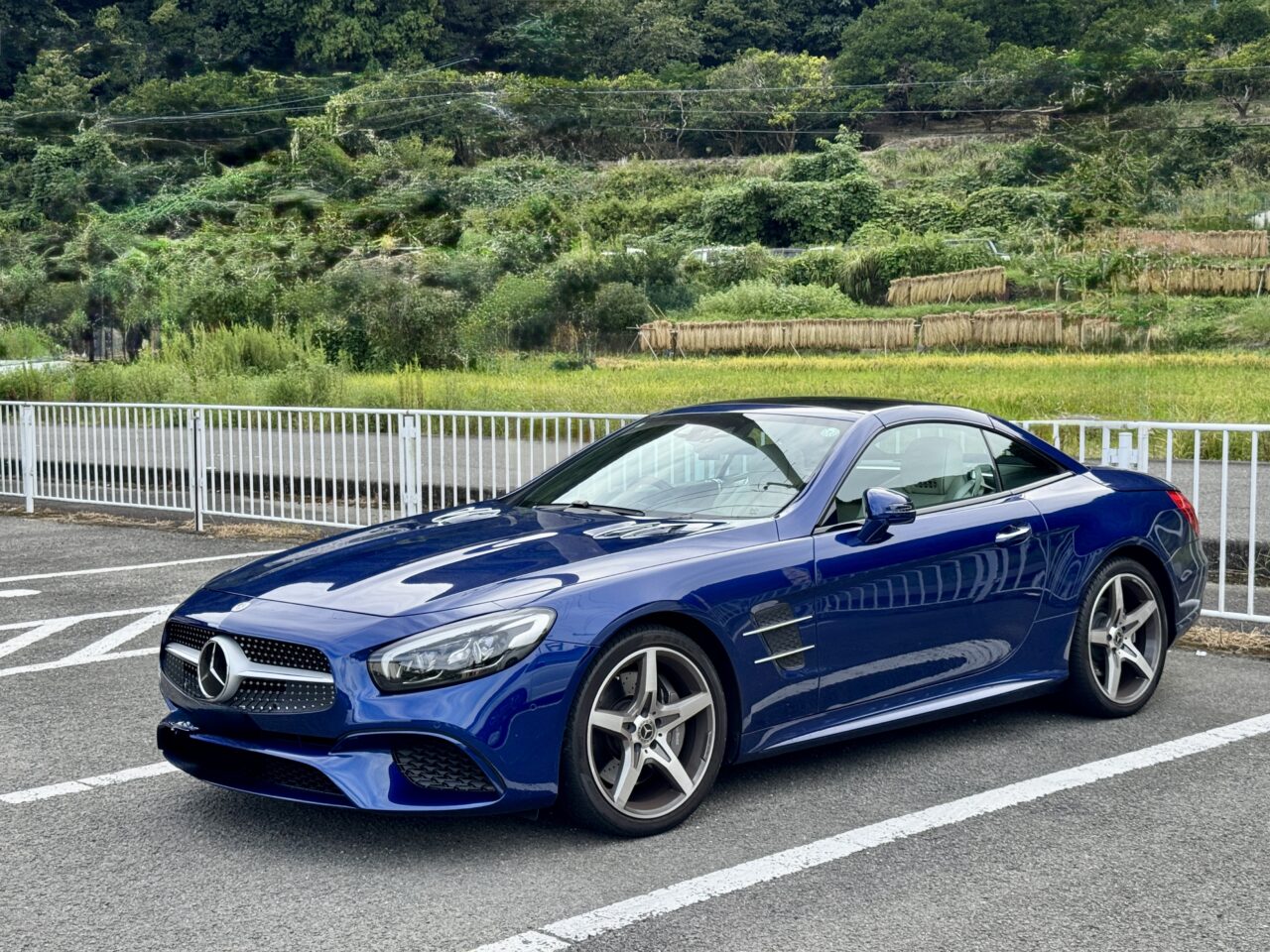
Modern engines tuned to comply with these regulations are losing their character: transmissions with countless gears for fuel economy, softened throttle response to meet emission limits, muffled exhaust notes. Frankly, this makes me think—why not just use an electric motor? Yet, entering the EV arena means going head-to-head with far more established leaders like Tesla and Chinese manufacturers. German automakers are being forced to compete in unfamiliar territory, away from their home turf.
The 99% plunge in Porsche’s profits is less a simple corporate issue and more a reflection of structural challenges triggered by EU policies. Environmental protection matters, but the automotive culture forged by flat-six, V8, and V12 engines should be regarded as a cultural heritage. The emissions from tens of thousands of sports cars annually are negligible in the grand scheme. When weighing what is gained against what is lost through such stringent regulations, one can’t help but question if this path is truly right. What do you think?

このブログが気に入ったらフォローしてね!
Comment ( 0 )
Trackbacks are closed.
No comments yet.