

Michelin CrossClimate 2 SUV All-Season Tire Review: Dry and Wet Performance Tested
Published: 2023.11.21


コンテンツ
All-Season Tires
It’s almost been a year since the Mercedes GLB 200 d 4MATIC joined our family.
It has already covered more than 12,000 km and has become an invaluable part of daily life—as my commuter car and our family’s go-to vehicle. Its fuel economy, relatively compact width, and seven-seat capacity have all proved especially useful.

This time, I decided to fit the GLB with all-season tires. It came with Mercedes-approved Pirelli P Zero tires from the factory, and I had no complaints about the ride. Still, they felt a little more performance-focused than the GLB needed, with handling that struck me as slightly too sharp. I’d been thinking about switching to something more comfort-oriented.
After considering several options, I decided all-season tires made the most sense. We sometimes take the GLB to nearby ski resorts, and there’s occasional snow at my parents’ home, so a tire that can handle a range of conditions seemed like the right fit.
I also considered winter tires and dedicated snow tires, but changing tires with the seasons seemed like a hassle. We mostly drive around the Kansai region, where we rarely encounter severe ice, so I settled on all-seasons instead.
I’ll also keep a set of fabric tire chains in the car for emergencies and see how we get through this winter.
Michelin CrossClimate 2 SUV
I chose the Michelin CrossClimate 2 SUV (235/50R19 103V XL).
Winter tires are often described as “summer tires that can also drive on snow”—versatile tires that can handle most conditions apart from icy roads.
That said, many people might expect them to offer less grip, more road noise, and a less comfortable ride than summer tires.
So, I’ll compare them with the GLB’s original summer tires, the Pirelli P Zero, and share my impressions on dry and wet roads.
As always, this article contains no sponsored content.
I’ll give you my honest, unbiased impressions, so I hope you’ll find them more useful than the usual promotional reviews.

On the first day, as I drove away from the tire shop, I couldn’t help noticing a slight rumbling sensation.
That’s to be expected from new tires, though—the tread blocks still have sharp edges.
After about 200 km, the tires began to feel much smoother and more natural on the road.
Around Town: Noise and Ride Comfort
First, I’d say these tires are impressively quiet.
Road noise is especially low when driving straight, and they’re clearly quieter than some budget summer tires. At the very least, they’re on par with the original P Zero. The P Zero is one of the world’s leading premium performance tires, and it’s already quiet for its category, so matching it is no small feat.

However, when turning through a corner, I can hear a faint whooshing sound. I didn’t notice this with the P Zero, and it’s probably an unavoidable result of the tread-block design. Even so, it’s only noticeable when you’re listening for it; most drivers probably won’t find it distracting.
Compared with the P Zero, I might detect the faintest hint of extra texture through the steering wheel, but overall, the ride is comfortable. The tires do a great job of absorbing unpleasant vibrations and impacts, without feeling overly soft or vague.
My wife rode along and said she “couldn’t tell the difference at all,” so I don’t expect any complaints from the family.
On Winding Roads: All-Season Tire Grip
I doubt many people push all-season tires hard on winding roads, but I wanted to see how much grip they offer.
To be honest, I wasn’t expecting much before the test. Even if they matched summer tires around town and on the highway, I assumed they’d struggle once the car was pulling significant lateral G-forces.
But in practice, they performed surprisingly well. The tires didn’t squeal over small inputs, and they delivered plenty of lateral grip.
Of course, they’re no match for the P Zero, but they’re more than capable of handling an enthusiastic drive on a mountain road in the GLB.
They don’t feel as if the tread is squirming like it can with winter tires, and I never felt unsure of the rubber’s grip. If I had to pick a difference, the CrossClimate 2 SUV is a little less precise than the P Zero in its handling and ability to hold a line.
Braking also feels reassuring. These tires seem to have plenty of longitudinal grip, so I can brake with confidence. They also provide strong traction when accelerating.
I can say with confidence that these tires are perfectly capable of a spirited pace on winding roads in an SUV.
On the Highway and in the Wet
When accelerating away from a tollbooth, for example, the tires have plenty of longitudinal grip and feel tenacious. It’s similar to the sensation you get from the P Zero once the tires have warmed up, which inspires confidence.
At normal cruising speeds in the main lane, there’s nothing to report: the tires feel just like summer tires.
They’re quiet and comfortable, too.
If I’m being especially picky, I’d say they create a little more rolling resistance than the P Zero when coasting in the GLB’s Eco mode.
I also tried driving at a brisk pace in the passing lane and changing lanes. As you’d expect from Michelin, highway stability is excellent, with no hint of wandering or reduced contact with the road. These are European V-rated tires, designed for speeds up to 240 km/h, after all.
Even with a sharper lane change, they never felt as if they were twisting or flexing like winter tires. I could drive with confidence and stay relaxed.

I also experienced heavy rain on the highway. My impression? Both water evacuation and wet grip are excellent. They’re on an entirely different level from winter tires in these conditions.
I expect this performance to be especially useful in winter, when many drivers encounter slushy snow that behaves almost like a wet road.
The tires also rarely slip when crossing the metal expansion joints on curves on urban expressways—something that can happen momentarily with summer tires. That’s a clear advantage over conventional summer tires.
Overall, you can expect to drive on the highway much as you would on summer tires.
Overall Verdict
For this review, I initially drove with the differences in mind, so I noticed some of the contrasts with the P Zero described above.
But lately, I’ve stopped thinking about it. I can almost forget that these are all-season tires.
That’s how much they feel like summer tires.
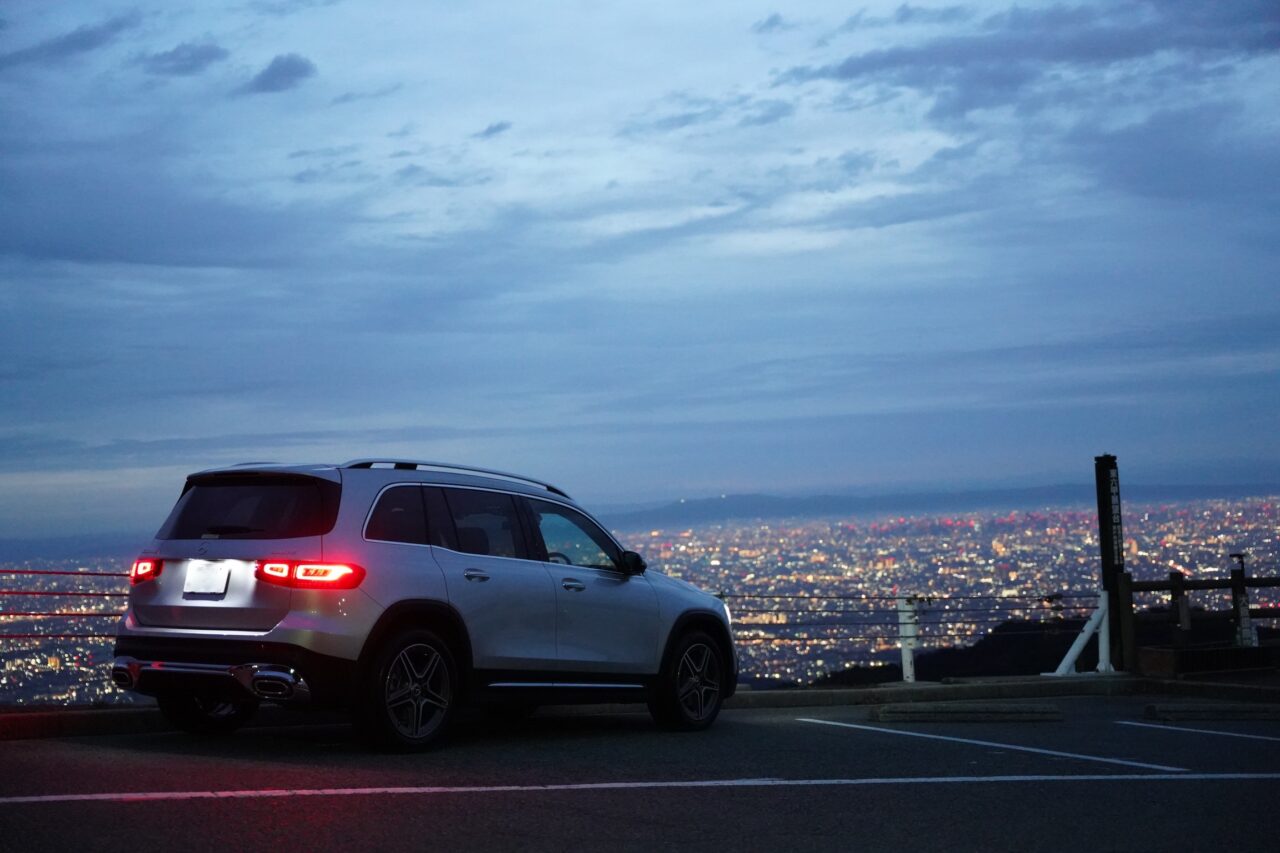
Michelin describes them as “summer tires that can also drive on snow,” and that’s exactly what they feel like: summer tires.
I’ve found that they deliver on dry and wet roads without sacrificing much of the performance you’d expect from summer tires. In a future review, I’ll share how they perform on snow.

If you enjoy this blog, follow along.
Comment ( 0 )
Trackbacks are closed.
No comments yet.